Have you ever planted a few tomato seedlings with high hopes, only to watch them struggle, yellow, or fail to produce the juicy fruits you imagined? You are not alone in this experience. Many home gardeners find tomatoes surprisingly challenging despite their popularity. The good news is that success comes down to a handful of specific techniques.
Why Tomatoes Deserve Special Attention in Your Garden
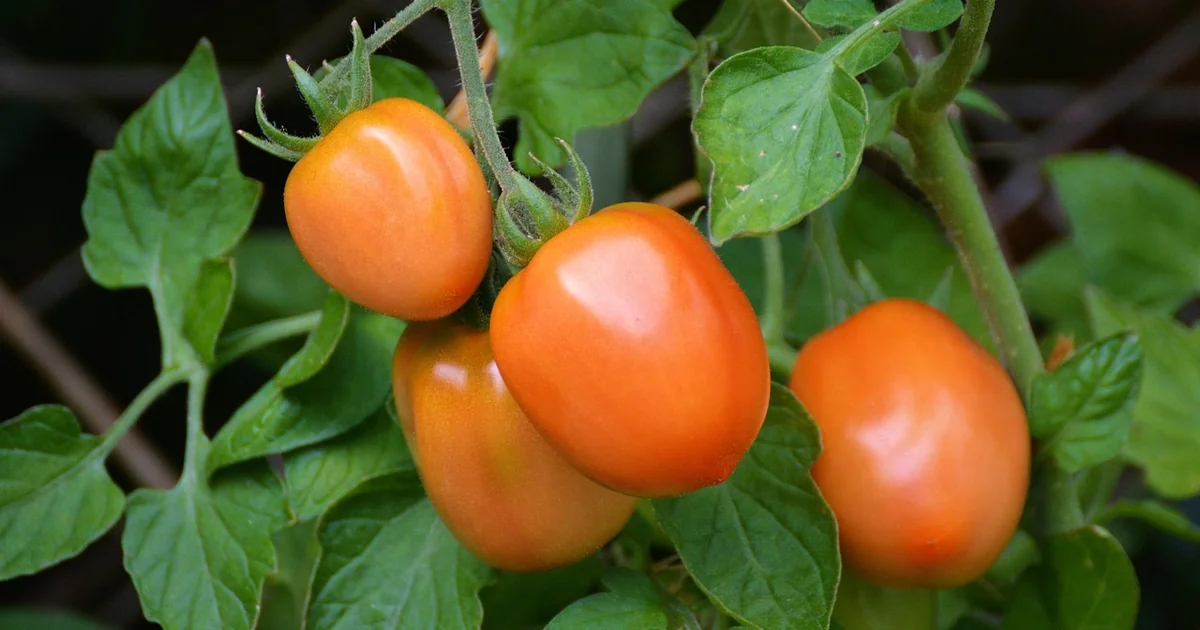
Tomatoes hold the title of the most popular garden crop in the United States. Roughly 86% of home vegetable gardeners plant them each year. They are often the first vegetable a new gardener tries, drawn by the promise of a sun-warmed, sweet slice straight from the vine. The flavor gap between a homegrown tomato and a store-bought one is enormous. Grocery store varieties are bred for durability during shipping, not for taste. A garden tomato offers complex sugars, balanced acidity, and a texture that simply cannot be replicated in a commercial supply chain.
Yet for all their appeal, tomatoes are not a set-it-and-forget-it crop. They demand consistent care. They are susceptible to fungal diseases, insect pests, and physiological disorders like blossom end rot. A single week of neglect can undo months of effort. The key is knowing exactly what to do and when to do it. That is where expert guidance becomes invaluable.
Expert Insights from Joe Lamp’l
Joe Lamp’l is the executive producer and host of the award-winning PBS series Growing a Greener World. He has spent decades perfecting organic gardening methods. His passion for growing food began in childhood, and he now shares his knowledge with a national audience. In an exclusive interview, he revealed seven fundamental tomato growing tips that can help anyone from a beginner to a seasoned grower achieve better results. These tips cover everything from seed selection to daily plant care.
1. Start from Seed for Greater Variety and Control
If you have the space and the patience, starting tomatoes from seed gives you a significant advantage. Seed catalogs offer hundreds of varieties that you will never find as seedlings at a local nursery. You can choose disease-resistant cultivars, heirloom types with unique flavors, or varieties bred specifically for your region’s climate. Starting seeds indoors also lets you control the entire growing process from day one. You know exactly what soil mix they used, how much light they received, and whether they were hardened off properly.
If starting seeds feels overwhelming, buying healthy seedlings from a trusted local nursery or farmers market is a fine alternative. Just be selective. Look for stocky plants with thick stems and deep green leaves. Avoid tall, leggy seedlings or those with yellowing lower leaves. Those signs often indicate stress or poor growing conditions that will follow the plant into your garden.
2. Plant at the Right Time and at the Right Depth
Tomatoes are extremely sensitive to cold. They thrive in warm soil and air temperatures. Planting them outdoors too early, when nights are still cool, stunts their growth and invites disease. Wait until all risk of frost has passed and the soil temperature has reached at least 60 degrees Fahrenheit. In many regions, this means waiting until late spring or early summer.
When you do plant, dig deeper than you might think. Tomatoes are unique among common garden vegetables because they can form roots all along their stems. If you bury a large portion of the stem underground, the plant develops a much larger, more robust root system. Use a soil knife or a trowel to dig a hole deep enough to accommodate the plant up to its top few sets of leaves. Remove the lower leaves from the stem, then place the plant in the hole so that only the top cluster of leaves remains above ground. This deep planting technique encourages roots to spread out and anchor the plant firmly.
3. Feed the Soil First, Then the Plant
The single most important factor for tomato success is soil quality. Tomatoes are heavy feeders. They require a nutrient-rich environment to produce abundant fruit. Before planting, amend your garden bed with plenty of organic matter. Well-rotted compost, aged manure, or leaf mold all work well. These materials improve soil structure, drainage, and microbial activity.
In addition to organic matter, tomatoes benefit from a nitrogen-rich organic fertilizer at planting time. Fish emulsion, alfalfa meal, or a balanced organic tomato fertilizer provide the nutrients needed for strong early growth. Avoid high-nitrogen synthetic fertilizers, which can produce lush foliage at the expense of fruit production. A slow-release organic option feeds the plant steadily without burning roots.
4. Water Deeply and Keep Foliage Dry
Watering seems simple, but it is one of the most common trouble spots for tomato growers. Tomatoes need consistent moisture, especially during fruit development. Irregular watering leads to blossom end rot, a condition where the bottom of the fruit turns black and leathery. This disorder is caused by a calcium deficiency that results from uneven soil moisture, not a lack of calcium in the soil itself.
Use a controlled nozzle or a soaker hose to deliver water directly to the soil around the base of the plant. Avoid wetting the leaves, stems, or fruit. Wet foliage creates a perfect environment for fungal diseases like early blight and septoria leaf spot. Water deeply once or twice a week, depending on your climate and soil type. Aim to moisten the soil to a depth of at least six inches each time. This encourages roots to grow deep, making the plant more resilient during dry spells.
5. Support Your Plants Early and Properly
Tomatoes are not naturally upright plants. Without support, they sprawl on the ground, where fruits rot, pests gain easy access, and airflow becomes poor. Staking, caging, or trellising your plants from the start prevents these problems. The type of support you choose depends on the variety and your garden layout.
Indeterminate varieties, which continue growing and producing fruit all season, benefit from tall stakes or a sturdy trellis. Determinate varieties, which grow to a fixed size and ripen fruit all at once, do well in cages. Install your support system at planting time. Driving a stake into the ground later risks damaging the root system. As the plant grows, tie the main stem loosely to the stake with soft garden twine. Check ties regularly to ensure they are not cutting into the stem as it thickens.
You may also enjoy reading: 5 Must-Have ALDI Garden Range Items.
6. Prune Suckers for Better Airflow and Larger Fruit
Suckers are the small shoots that emerge in the crotch between the main stem and a branch. If left unchecked, they turn into additional stems, creating a dense, tangled plant. This reduces airflow, increases humidity around the foliage, and makes the plant more vulnerable to disease. It also diverts energy away from fruit production, leading to smaller tomatoes.
For indeterminate varieties, remove suckers when they are small and easy to pinch off with your fingers. Focus on the suckers that form below the first flower cluster. These lower suckers are the most vigorous and cause the most crowding. For determinate varieties, minimal pruning is needed. Simply remove any suckers that appear below the first flower cluster to keep the plant open and airy.
7. Inspect Your Plants Daily and Act Quickly
Vigilance is the best defense against tomato troubles. Make it a habit to walk through your garden every day, even if only for a few minutes. Look at the leaves, stems, and developing fruit. Check the undersides of leaves for clusters of tiny insects or discolored spots. Early detection of a problem gives you the best chance of stopping it before it spreads.
If you see leaves with dark spots, yellowing, or unusual curling, remove them immediately. Dispose of diseased foliage in the trash, not the compost pile. If you spot hornworms, handpick them off and drop them into a bucket of soapy water. If blossom end rot appears on a few fruits, remove those fruits and adjust your watering schedule to be more consistent. Acting the same day you spot a problem can save the rest of your crop.
A Quick Reference for Daily Tomato Care
To help you remember these tomato growing tips throughout the season, here is a simple daily checklist. In the morning, check soil moisture by sticking your finger two inches into the ground near the plant base. If it feels dry, water deeply. While you are there, scan the foliage for any signs of disease or pest damage. Pinch off any suckers you see on indeterminate varieties. Tie new growth to the stake if needed. This routine takes only a few minutes but makes a tremendous difference over the course of the growing season.
Common Mistakes Even Experienced Gardeners Make
One of the top mistakes growers make is overwatering. It is easy to assume that more water equals more fruit, but tomatoes actually prefer a moderate, consistent supply. Overwatering leaches nutrients from the soil and can cause roots to rot. Another frequent error is planting too many tomatoes in a small space. Crowded plants compete for light and nutrients, and poor airflow invites disease. Give each plant at least two to three feet of space, depending on the variety.
Neglecting to harden off seedlings is another pitfall. Seedlings grown indoors need a gradual transition to outdoor conditions. Place them outside in a sheltered spot for a few hours each day, increasing the time over a week. This process strengthens the plants and prevents transplant shock. Skipping this step can set your tomatoes back by weeks.
Putting These Tomato Growing Tips into Practice
The difference between a mediocre tomato harvest and an outstanding one often comes down to a few specific actions. By starting with quality seeds or seedlings, planting at the correct depth and time, enriching the soil, watering carefully, supporting the plants, pruning wisely, and inspecting daily, you set yourself up for success. These tomato growing tips are not complicated, but they require consistency. Commit to the routine, and your garden will reward you with a bounty of flavorful, beautiful tomatoes that no store can match.
Take a moment to watch the detailed video from Joe Lamp’l for a visual demonstration of these techniques. Seeing the exact depth for planting, the correct way to prune a sucker, and the ideal watering method makes these tips even easier to apply. With a little practice and attention, you will soon be known in your neighborhood for the best tomatoes in town.