
Decorating a long, narrow living room can sometimes feel like a puzzle. You want the space to feel cozy and functional, not like a hallway with furniture. The good news is that with strategic furniture placement and thoughtful color choices, even the most awkwardly shaped room can become a favorite gathering spot. Apartment Therapy’s 2026 home tours, for instance, highlighted colorful, clever, and bold living rooms within tiny footprints — proving that size constraints can actually spark creativity. Whether you are working with a compact floor plan or simply want to refresh your arrangement, these real-world examples show what works.
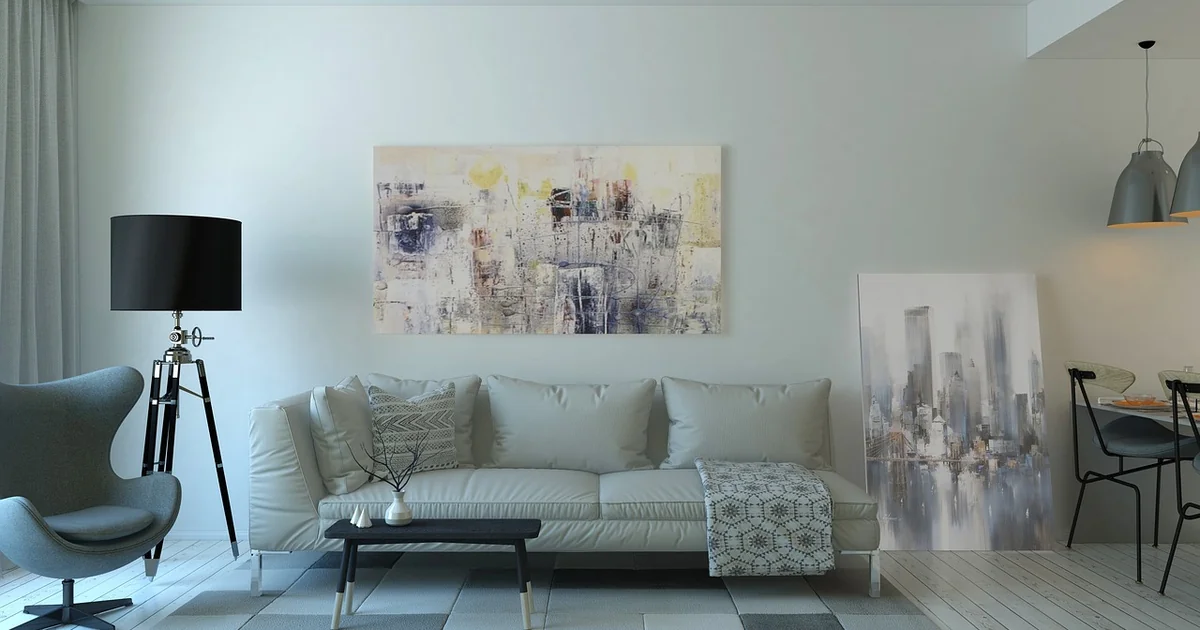
Layout 1: The Single Sectional Strategy in a London Flat
Sometimes the most effective narrow living room layouts come from a bold, simple choice. That was the case for a 1,300-square-foot London home, which started with a drab and gray interior. The owners turned to design firm Rainbow Shaker to reimagine the space, and their approach offers a clear lesson for anyone dealing with a tight floor plan. Instead of trying to cram in multiple seating zones, they placed a single sectional for narrow room configurations as the anchor. This one piece did all the heavy lifting, defining the seating area without blocking the flow of the room.
To keep the layout feeling open and airy, they added just one extra chair and a coffee table. That was it — no bulky side tables or extra loveseats. This restraint is key for bright colors small living room setups, because the eye needs room to rest. The color palette itself did the rest of the work. Aqua, royal blue, and coral pink turned the space from drab to modern, proving that narrow living room layouts do not have to feel cramped at all. When you choose a single sectional, you free up valuable floor space, and a vibrant color scheme makes the room feel larger and more inviting.
Layout 2: Maximalist Dark Paint in a Pittsburgh Victorian Townhouse
If a single sectional feels a bit predictable for your style, consider the opposite approach: embrace a maximalist look. Dark paint might sound risky for a narrow room, but it works beautifully when you balance it with negative space. In a 1,000-square-foot Victorian townhouse in Pittsburgh, the owners painted the walls deep green and added a mustard velvet sofa. Placing the sofa on one side leaves a generous open area on the other, creating breathing room that keeps the space from feeling heavy. That negative space is key—it lets the bold color and texture shine without overwhelming the room. So for your own narrow living room layouts, do not be afraid to try a dark paint small room scheme if you leave open floor area intentionally.
Maximalist style adds personality without making you feel cramped. The velvet sofa, rich green walls, and layered textures give the space warmth and character, yet the layout still feels airy. This proves that a maximalist living room can work in a tight footprint when you prioritize negative space design. You can recreate this look by painting just one accent wall or the entire room—but always leave a clear path and open floor zone. The result is a cozy, lived-in feel that still functions well for everyday family life.
Layout 3: Repurposing a Bedroom Into a Living Room in Brooklyn
Sometimes the best narrow living room layouts come from thinking beyond traditional room labels. In a 450-square-foot Brooklyn apartment, the owners took a large primary bedroom and completely reimagined it as their main living space. This meant letting go of the idea that a bedroom should stay a bedroom and instead treating the square footage as a blank canvas. By rethinking the floor plan, they created a functional living room that didn’t feel cramped or awkward.
One of the smartest moves was turning the former closet into a dedicated office. In a small apartment layout, every corner counts. That simple conversion gave them a quiet workspace without stealing living room real estate. To make a bedroom to living room conversion work, careful furniture placement is key. You want to keep sightlines open and avoid blocking the natural path through the room. Try positioning your sofa along the longest wall and using a slim console table behind it for extra surface space. These room repurposing ideas prove that with a little creativity, even the most challenging narrow space can feel generous and intentional.
Layout 4: Multifunctional Mint Green in a 500-Square-Foot London Flat
That same creativity can take a different form when you let color do the heavy lifting. In this compact London flat, the owners turned a narrow living room into a surprisingly versatile space by painting their built-in storage a soft mint green. That light, airy shade makes the cabinetry feel less like a wall of storage and more like a design feature, visually pushing the boundaries of the room outward. With bulky freestanding furniture out of the picture, every inch of floor space stays open. Then, a simple bistro table sits near the window, serving as both a dining table for two and a compact desk for remote work. This setup is a masterclass in multifunctional furniture for narrow living room layouts: one piece replaces two, and the color choice keeps the whole room feeling bright rather than boxed in. The mint green living room approach proves that a single thoughtful paint color can unify storage, furniture, and purpose into one cohesive, cozy arrangement.
If you’re exploring built-in storage ideas for a tight floor plan, consider a hue that brings energy without overpowering. Pair it with a slim, dual-purpose table, and you’ll have a narrow living room that works as hard as you do — without ever feeling crowded.
Layout 5: Going Large-Scale in a Chicago Apartment
You might think that a narrow living room calls for petite everything — but a 900-square-foot Chicago apartment proves the opposite. Instead of filling the space with small, scattered pieces, the owners chose furniture at the largest possible scale for the square footage. A generously sized sofa and an oversized mirror create a bold focal point, drawing the eye in a way that makes the room feel intentional rather than cramped. This approach works because one large item reduces visual clutter. Instead of several small tables or chairs competing for attention, you have one strong anchor that sets the tone.
On a similar note, 11 Outdoor Fall Decor Ideas for a Cozy Porch explores this topic with concrete examples.
What about an upright piano in a living room? It fits beautifully here because the other furniture is scaled to match. That piano becomes a striking feature rather than an awkward intruder. When you try this at home, think about the one piece you love most — a deep sofa, a wide console, or a large piece of art — and let it lead the room. Scale in interior design often means matching proportions so that everything feels balanced. In a narrow space, going big on a few items can actually make the room feel larger, not smaller. It’s a counterintuitive trick, but one that pays off in both style and function.
Layout 6: Creating Zones in a Long, Narrow Room
Once you’ve chosen a few larger pieces to anchor the space, the next natural step is to divide a long, narrow room into purposeful zones without adding walls. You might wonder how to arrange furniture in a long, narrow living room to create separate areas. The answer lies in smart use of rugs, lighting, and furniture placement. A large area rug under the sofa defines the seating zone, while a different rug can mark a dining or reading corner. Position your sofa with its back to the rest of the room to subtly separate the main living area from a work or dining spot. Overhead pendant lights or floor lamps can further emphasize each zone. Always keep a clear pathway along the length of the room — this prevents the space from feeling cluttered and keeps the flow natural. With these room zoning ideas, you can make a long narrow room feel like multiple, intentional rooms rather than one awkward hallway. It’s a practical approach that works with almost any long narrow room furniture arrangement, turning a challenging layout into your home’s most versatile area.
Layout 7: Entertaining Guests in a Narrow Living Room
Once you’ve carved your long room into purposeful zones, the next question is often: can I still host a crowd? Absolutely. With a few smart swaps, your narrow living room layouts can handle everything from a cozy dinner party to a casual get-together. The trick is to prioritize flexible living room furniture that doesn’t lock you into one arrangement. Think lightweight chairs you can easily pull into a circle, or soft poufs that double as extra seats and tuck away when not in use. Small space entertaining becomes effortless when your coffee table isn’t a permanent fixture — nesting tables let you pull out surfaces as needed and hide them again afterward. And because floor space is precious, go vertical with shelves or wall-mounted cabinets to store board games, books, or drinks. That way, your narrow living room layouts keep the floor clear for mingling. Yes, guest seating narrow room setups can work, as long as every piece earns its keep and moves with you. The result is a room that feels open one minute and full of life the next — perfect for the host who loves to adapt.
Frequently Asked Questions
How do I arrange furniture in a long, narrow living room to create separate zones?
Start by defining distinct activity areas to break up the length. A rug anchors a seating zone for conversation, while a console table or low bookshelf behind the sofa creates a second zone for reading or hobbies. Float furniture away from the walls to keep pathways clear and let the room breathe — this is one of the most effective narrow living room layouts for improving flow.
What are the best colors for making a narrow living room feel more spacious?
Light, neutral tones like soft white, warm beige, or pale gray are timeless choices that make a room feel open and airy. Stick with a cohesive palette throughout to avoid visual breaks that can make the space feel chopped up. You can add depth with one darker accent wall to pull the eye horizontally, which helps the room feel wider.
Can I use dark paint in a small room without making it feel smaller?
Yes, dark paint can add depth and coziness when used thoughtfully. Paint just one end wall in a deep shade to visually shorten the length, making the room feel more balanced. Keep the remaining walls light and let natural light do the work — the contrast creates an inviting, layered look that can actually make the space feel more expansive.