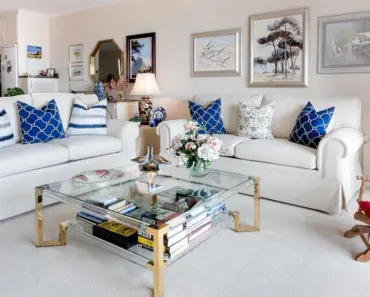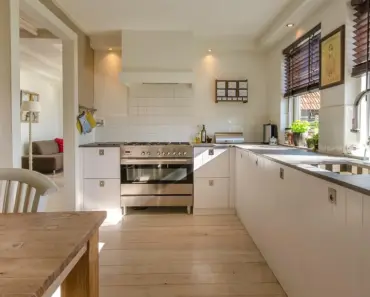
These dramatic, cocoon-like spaces use rich colors and layered textures to create an atmosphere that feels both luxurious and deeply comforting. The appeal is easy to understand — after busy days, you want a room that wraps around you like a warm blanket, not one that feels cold or sterile. It means intentional, enveloping, and full of personality.
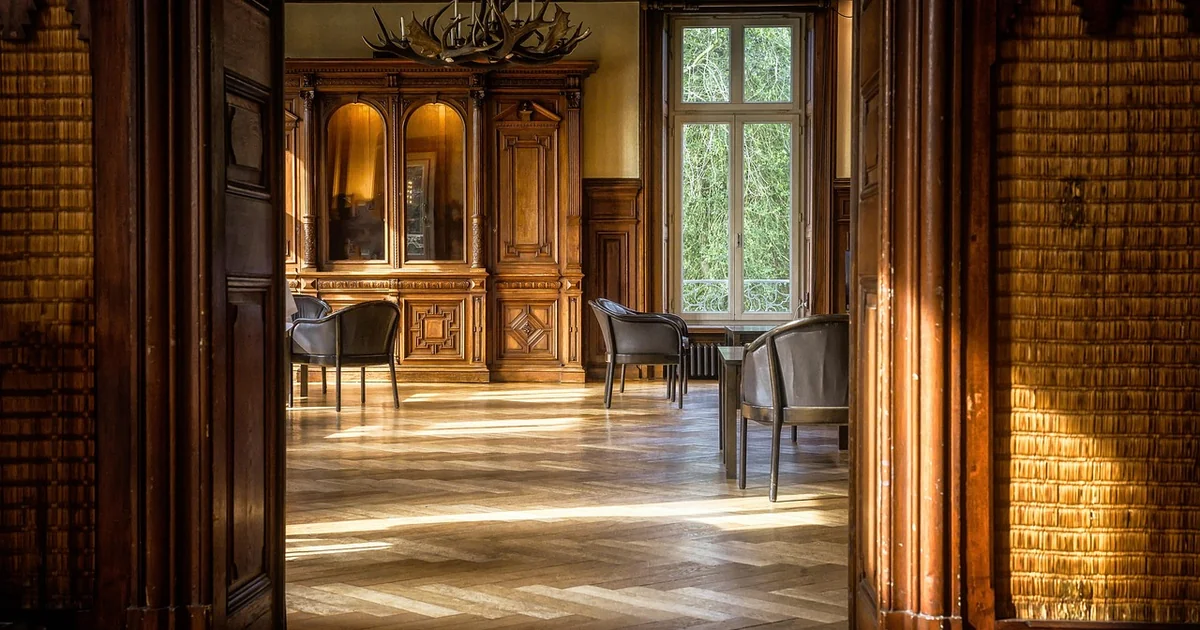
This article offers 27 actionable tips to help you transform your own space with these 2026 decor styles. Whether you are starting from scratch or simply refreshing a few corners, you will find practical advice that works for real homes and real budgets. Let’s explore how to bring this captivating look to your living room.
Paint Walls Deep Navy for Instant Drama
Continuing with that dramatic theme, consider starting with the walls. Deep navy is a standout choice for moody living room ideas because it feels luxurious without being overwhelming. This rich hue acts as a neutral anchor, so your space stays cozy rather than cave-like. Many people worry that dark wall paint will shrink a room, but navy actually adds depth and makes the area feel intentional and grounded. For a successful navy blue living room, choose a matte finish to absorb light softly, and balance the darkness with plenty of contrasting elements.
Brass lighting fixtures are the perfect companion for navy walls. A sculptural brass chandelier or a series of brass pendants becomes a natural focal point, catching the eye against the deep background. The warm metallic glow prevents the room from feeling too cool or flat. This pairing works because navy and brass create a timeless, slightly glamorous contrast that fits both modern and traditional furniture. If you want to reinforce the moody look without adding clutter, let the walls and lighting do the heavy lifting. Keep other surfaces clean and simple to let this combination shine.
Install a Dark-Paneled Fireplace Wall
Now that your walls and lighting are setting the mood, turn your attention to the fireplace. A dark-paneled fireplace wall with charcoal walls and classic millwork transforms the hearth into an instant cozy living room retreat. The paneling adds texture and architectural interest, giving the room a sense of depth that flat paint alone can’t achieve. As the dark hue surrounds the fire, it makes the flames glow even more inviting — perfect for quiet evenings with family. For a practical touch, choose matte charcoal paneling that hides soot marks and stays low-maintenance. This fireplace wall design works beautifully with both modern and traditional decor, so you can keep your existing furniture while upgrading the focal point. If you’re exploring moody living room ideas, this approach delivers a dramatic yet welcoming feel without overwhelming the space. The key is to let the charcoal paneling and firelight do the work, creating a cozy living room retreat that feels intentional and warm.
Layer Seating with Contrasting Textures
After setting that dramatic charcoal backdrop, you can bring your moody living room ideas to life by focusing on how your furniture feels, not just how it looks. Mixing materials is a simple way to prevent the whole space from falling flat. Think about pairing a smooth, plush velvet sofa in a deep green with a couple of sturdy leather club chairs. That contrast between soft and firm, matte and shiny, creates a visual conversation that keeps the eye moving around the room.
A vintage rug underneath ties these different textures together while adding warmth and a collected, lived-in feel. The faded patterns and slightly worn fibers of an old rug soften the sharp lines of modern furniture, making the room feel more approachable. This approach to textured living room seating gives you depth without the clutter of too many small accessories. You get a rich, layered look that feels curated and cozy, perfect for a space where you want to relax and unwind.
Embrace Soft Charcoal Neutrals
From the cozy seating you just considered, let’s shift to the walls that surround it. You don’t need black walls to achieve a dramatic look—soft charcoal tones and deep neutrals create a calm, layered feel that’s equally striking. This approach is perfect for those who want moody without high drama. Think of it as a whisper rather than a shout in your living room design.
Layering shades of charcoal adds instant sophistication to your space. A charcoal living room feels grounded and serene, especially when you pair it with lighter accents like cream pillows or natural wood furniture. These neutral dark walls work beautifully as a backdrop for artwork or a statement sofa. The key is to keep the undertones warm—cool grays can feel sterile, but soft charcoals with a hint of brown or taupe keep the room inviting. For a truly calm moody decor, choose matte finishes over glossy ones. The subtle texture of flat paint absorbs light gently, making the room feel intimate without closing in on you. This is a low-maintenance way to embrace depth—it’s timeless, forgiving on scuffs, and surprisingly easy to style with whatever you already own.
Create a Cocoon-Like Atmosphere
That same depth can become the foundation for something even more enveloping: a space that feels like a soft, warm hug at the end of the day. Dark walls, layered textiles, and soft lighting combine to make the living room an instant sanctuary. The trick is to avoid a single harsh overhead fixture. Instead, scatter multiple light sources at low levels—a floor lamp beside the sofa, a small table lamp on a console, maybe a few candles on the mantel. This soft lighting tips approach mimics the gentle glow of twilight, which encourages relaxation. Layer in tactile fabrics like velvet curtains against the windows and a chunky wool throw draped over the armchair. These cocoon living room touches absorb sound and add warmth, turning the room into a refuge where you want to curl up with a book. The overall effect is a cozy atmosphere design that feels intentional and deeply restful, not dark or oppressive. By controlling the light and texture, you create a mood that shifts from lively to calm with the flick of a switch—or the strike of a match.
Design an Old-World Library Vibe
Deep charcoal paneling, vintage portraits, and a glowing fireplace evoke a classic library atmosphere that feels both timeless and intimate. If you’ve ever wandered into a historic reading room and wished you could bring that quiet grandeur home, this is your chance. This look works beautifully in rooms with high ceilings, where the dark walls can anchor the space without making it feel cramped. To complete the feel, add built-in or freestanding bookshelves filled with your favorite reads, and choose rich leather seating in warm browns or deep greens. The contrast of dark walls against soft lamplight creates a cozy nook that invites you to curl up with a novel or sip a quiet evening drink. For a practical touch, consider using matte charcoal paneling rather than glossy finishes—it absorbs light gently and reduces glare, making the room feel more grounded. Vintage portraits, either in ornate frames or simple black-and-white prints, add character without feeling fussy. This is one of those moody living room ideas that transforms a standard space into a personal retreat, where every corner feels like it holds a story waiting to be discovered.
Use Bold Contrast with Dark Angled Walls
From the cozy storytelling of your gallery wall, let’s shift focus to a structural statement that commands attention. Framing a bright stone fireplace with dark angled walls draws the eye and creates a striking focal point. This is one of those moody living room ideas that relies on contrast rather than clutter. The deep, matte paint on the angled surfaces makes the natural stone texture of the fireplace pop, highlighting every ridge and grain. You don’t need expensive art when the architecture itself becomes the centerpiece.
The angled walls add architectural drama without taking up floor space. They guide the eye upward and inward, making the fireplace feel like a natural gathering spot. For a practical tip, choose a flat or eggshell finish for the dark paint to minimize glare and keep the focus on the stone. This bold contrast living room approach works especially well in open-plan spaces, where the dark angles help define the seating area. The result is a room that feels both grounded and visually exciting — a perfect balance for a family-friendly home that still wants to impress.
Turn the Wall Behind Your Sofa into a Gallery
That deep charcoal wall you just painted can do more than anchor the room — it can become the star of your moody living room ideas. Place a single oversized piece of artwork directly behind your sofa, and you instantly create a focal point that draws the eye. The dark background makes the colors in the art pop with surprising intensity, turning even a simple print into a dramatic statement.
Think of this as a gallery wall behind sofa approach, but with one bold piece rather than a cluster of small frames. This oversized artwork display works especially well because the charcoal accent wall acts like a frame itself, giving the art room to breathe. Choose something that speaks to your family’s personality — a landscape, an abstract piece, or even a large photograph. The contrast between the dark wall and the bright or vivid art creates that instant gallery moment, making your living room feel curated and intentional without requiring a full renovation.
Add Dark Floors and Antique Rugs
While that dramatic wall art draws the eye upward, the floor beneath your feet deserves just as much thought. Dark wood floors living room spaces instantly feel grounded and intimate. They anchor the entire room, providing a solid, weighty foundation that lighter floors simply cannot match. Plus, they are wonderfully practical for family life — dark floors hide the scuffs, dust, and everyday messes that lighter surfaces seem to highlight. This makes them a low-maintenance choice for busy households. To soften that darkness and introduce warmth, layer in an antique rug. Antique rug styling is all about embracing imperfections and history. A worn, faded pattern adds texture and a sense of story that a brand-new rug cannot replicate. The combination of dark floors and an aged rug, paired with a glass cabinet to display treasured items, instantly creates that coveted collected look decor. It feels less like a showroom and more like a home that has been lovingly built over time. For a truly cohesive moody living room ideas scheme, let the rug’s muted colors guide your choice of cushions and throws, tying the whole look together naturally.
Embrace Towering Windows with Dark Walls
Let the landscape become part of the design by pairing towering windows with dark walls. This approach creates a powerful indoor outdoor connection that makes your living room feel larger and more grounded. The dark walls frame the outdoor view beautifully, turning each window into a living piece of art. This works especially well in rooms with natural scenery, where the changing light and seasons become part of your decor. For a practical touch, choose matte, low-sheen paint finishes to reduce glare and keep the focus on the view. You can also layer sheer curtains that filter sunlight without blocking the scenery. This is one of those moody living room ideas that feels both dramatic and serene, as the darkness recedes and the outdoors takes center stage. The result is a space that breathes with the rhythm of nature, making your home feel more connected to its surroundings.
Choose an Oversized Sofa and Chunky Coffee Table
Once you’ve opened your moody living room to the outdoors, the next step is to furnish it with pieces that feel equally anchored. An oversized sofa paired with a chunky wood coffee table grounds the room in modern rustic comfort, creating a natural gathering spot that never feels lost in the dramatic palette. In a space where darker walls and layered shadows can sometimes make a room feel hollow, large furniture pieces prevent that sense of emptiness from creeping in. The generous silhouette of the sofa invites you to sink in and unwind, while the sturdy coffee table offers a practical surface for books, candles, or a cup of tea. This combination strikes a balance between modern and relaxing, giving your moody living room ideas a physical center that feels both intentional and cozy. Think of it as the visual anchor that keeps the whole space cohesive, no matter how bold your wall color or textiles become. The result is a relaxed, modern rustic living room that feels complete without trying too hard.
Explore Bold Paint Colors: Deep Greens and Burgundies
While a neutral rug or textured throw can serve as that visual anchor, the walls themselves offer an even bolder opportunity to set the mood. Moody doesn’t have to mean navy or charcoal—deep greens and burgundy bring dramatic alternatives that feel equally rich and inviting. A deep green living room, for example, instantly evokes a cozy, forest-like retreat, while burgundy walls add a warm, opulent energy that’s perfect for evenings spent winding down. These hues bring a jewel-tone richness to the room, wrapping you in color without feeling heavy or overwhelming.
To make the look shine, pair these darker paint choices with brass or gold accents. A gold-framed mirror, brass floor lamp, or even simple drawer pulls catch the light and create a beautiful contrast against the deep backdrop. This combination is a classic way to elevate your moody living room ideas while keeping the space feeling intentional and polished. Whether you paint one accent wall or go all in on all four, deep greens and burgundies prove that “moody” is a spectrum—not just a shade of gray.
Master Lighting: Layered Fixtures and Dimmers
The right lighting fixtures—including floor lamps, sconces, and dimmers—make or break a moody room. Once you’ve chosen those deep greens and burgundies, the way you light them will either enhance the drama or wash it out. Start by layering your light sources. You need ambient lighting for overall glow, task lighting for reading or working, and accent lighting to highlight artwork or architectural details. A single overhead fixture often feels flat and harsh; instead, mix a floor lamp in one corner with a table lamp on a sideboard and a sconce near a mirror. That combination creates depth and shadow, exactly what you want in a moody space.
Dimmers are your secret weapon here. Installing a dimmer switch living room lets you shift from bright and functional to soft and intimate with a simple turn. This is where true layered lighting design shines—you can dim the overheads while keeping a sconce at full strength to draw the eye. Speaking of sconces, place them at eye level (roughly 60–66 inches from the floor) to cast warm pools of light on the walls. For your mood lighting fixtures, choose bulbs with a warm color temperature (around 2700K) to avoid a cold, clinical feel. Swap out cool white LEDs for soft amber tones, and use shades or frosted globes to soften the glow. With the right mix and dimmers, you can dial your moody living room ideas from cozy evening retreat to lively gathering space—all without changing a single piece of furniture.
Balance Dark Walls with Natural Light in Small Spaces
Just as you can adjust artificial light with dimmers, natural light also needs thoughtful handling—especially in a small space with dark walls. Dark walls can work in small rooms if you balance them with natural light and smart placement. The key is to let daylight do the heavy lifting without overwhelming the cozy mood you’re after. Start by positioning mirrors opposite your windows. These mirrors to reflect light bounce daylight around the room, making a small dark living room feel airier without losing its dramatic edge. Keep window treatments minimal—think sheer curtains or simple roller shades that let in maximum daylight. Heavy drapes block too much sun and can make the space feel cramped. Instead, opt for light-filtering fabrics that soften the incoming rays while still offering privacy. This natural light balance ensures your moody living room ideas remain inviting and functional, not cave-like. If your room only gets morning sun, place the largest mirror where it can catch that light first thing. The result: a richly colored room that breathes with natural brightness.
Layer Textures: Velvet, Leather, Wool, and Linen
The play of light you just set up with mirrors works best when the surfaces around it have their own stories to tell. A cohesive moody room relies on the artful layering of different textures, and this is where moody living room ideas truly come alive. Think of it like dressing for a cool autumn day: you wouldn’t wear just one fabric from head to toe, and the same goes for your room. Velvet adds softness and a quiet, luxurious sheen that cradles the light. Leather brings a touch of edge and durability, grounding the space with its smooth, cool surface. Wool introduces warmth and a nubby, tactile quality that makes you want to curl up, while linen offers an airy, slightly rumpled contrast that keeps things from feeling too heavy.
The secret to successful texture layering living room is contrast. Mix nubby and smooth surfaces for visual interest—a chunky wool throw draped over a velvet sofa, for instance, or a linen curtain brushing against a leather armchair. These combinations create depth without overwhelming the eye, and they naturally define different zones in an open-plan area. For moody texture tips, start with one dominant texture—like a large velvet sofa—then add smaller pieces in leather, wool, and linen. This approach gives your room a collected, intentional feel that stays inviting and easy to live in day after day.
Avoid the Room Feeling Too Dark or Oppressive
Even the most dramatic moody living room ideas can backfire if the space starts to feel like a cave. The key is to balance depth with brightness—without losing the cozy atmosphere you’re after. Start by adding at least one light-reflective surface, such as a large mirror placed opposite a window or a metallic accent like a brass lamp or gold-framed art. These elements catch and bounce what little light there is, helping to prevent dark room vibes from taking over. Another simple trick is to consider ceiling color tips: painting the ceiling a pale shade—white, cream, or a soft off-white—creates the illusion of height and openness, lifting the entire room. This contrast keeps the walls rich and moody while the top of the space stays airy. You can also mix in a few matte metallics, like a copper tray or a silver vase, to add subtle sparkle without overwhelming the palette. By layering these reflective touches, you maintain the moody aesthetic while ensuring the room feels inviting, not oppressive.
Achieve the Look on a Budget: DIY and Thrift Finds
Those reflective copper trays and silver vases don’t have to cost a fortune. In fact, you can build a whole moody living room on a budget by rolling up your sleeves and hunting for treasures. Paint is the cheapest way to transform a room, so consider DIY dark walls—a deep charcoal, navy, or forest green instantly sets the dramatic tone. No need for expensive wallpaper; a single coat of matte paint does the job. Then shift your focus to thrift stores. Vintage frames with worn gold or silver finishes, brass candle holders, and old lamps with sculptural bases are exactly what you need to add character without spending much. These budget moody decor finds give your space a collected-over-time feel that new items often lack. For curtains, a simple hack: dye secondhand linen drapes a rich chocolate or burgundy using fabric dye. Suddenly your thrifted living room looks intentional and atmospheric. The key is patience—mix DIY projects with secondhand scores, and you’ll achieve the same moody aesthetic for a fraction of designer prices.
Choose Accent Colors That Pop Against Dark Walls
Once your dark walls are in place, the right accent colors bring the whole room to life. Moody living room ideas rely on contrast, and nothing works better than mustard yellow, blush pink, teal, or copper against a charcoal or navy backdrop. These hues feel intentional and lively without competing with the drama of your walls. Warm metallics like copper and brass are especially effective—they seem to glow in low light, adding a soft, inviting shimmer that a dark room needs. Use these accent colors for dark walls in small doses: toss pillows, a throw blanket, a single piece of art, or a few ceramic accessories. Even a copper vase on a coffee table can anchor the whole scheme. A mustard yellow living room accent, for example, pairs beautifully with deep gray walls, while brushed copper accents add warmth to navy blue. The trick is to keep the palette simple—pick two or three accent tones and repeat them around the space. That way, your dark walls stay the star, and the pops of color feel like a deliberate, polished decision rather than an afterthought.
If you want to go deeper, it is also worth a look at 5 Clean Room Aesthetic Ideas They Never Show.
Incorporate Metallic Finishes: Brass, Gold, and Blackened Steel
While accent colors add personality to your dark walls, metallic finishes bring a different kind of magic to moody living room ideas. They catch the light, break up large dark expanses, and introduce a touch of glamour without overwhelming the space. Brass gives off a warm, vintage feel that pairs beautifully with deep greens or navy. Gold adds a softer, more luminous glow, while blackened steel leans industrial and edgy. If you’re wondering which metallic accents complement your moody palette, think of brass living room decor for a cozy, timeworn look, or blackened steel lighting for a sharper, modern contrast.
The trick is restraint. Stick to just one or two metallic finishes across the room to keep the look intentional rather than cluttered. For example, a brass floor lamp and matching picture frames create a cohesive thread, while blackened steel shelving or a steel-framed mirror adds texture without stealing focus from the dark walls. These metallic accents moody settings by reflecting just enough light to prevent the room from feeling flat. Choose your finishes based on the atmosphere you want—warm and inviting or cool and dramatic—and let them quietly anchor the design.
Select Furniture Styles That Pair with Dark Walls
Once your finishes are in place, it’s time to choose furniture that complements those deep wall colors—and the right styles make all the difference. A frequent question from readers is what furniture styles pair well with dark walls. The answer often lies in pieces that balance boldness with a lightness of form. Mid century modern designs, for example, work beautifully because their clean, tapered legs and minimal silhouettes prevent the room from feeling heavy. If you want a mid century modern moody look, stick to streamlined shapes in dark wood furniture—think low-profile credenzas or simple armchairs—that echo the room’s depth without overwhelming it.
For a touch of classic luxury, consider a tufted sofa against dark walls. The buttoned upholstery adds texture and an inviting, plush feel that contrasts nicely with the deeper backdrop. A tufted sofa dark walls pairing creates a cozy reading nook or conversation area that feels both elegant and comfortable. Finish off the space with dark wood frames on coffee tables, shelves, or sideboards—dark wood furniture anchors the drama and ties the whole scheme together. The trick is choosing pieces that offer strong visual interest without clutter, keeping your moody living room ideas grounded and livable.
Create a Moody Vibe Without Painting Walls Dark
If painting your walls dark feels like a big commitment, you can still capture that same dramatic atmosphere using other elements. Many readers wonder: Can I create a moody living room without painting the walls dark? Absolutely. Textured wallpaper in a dark pattern is a fantastic alternative—it adds depth and visual intrigue without requiring a single coat of paint. Think of it as a way to introduce moody tones while keeping your walls light.
From there, layer in rich fabric decor to build the cozy, enveloping feeling you’re after. Velvet curtains in deep jewel tones, chunky knit throws, and plush cushions instantly transform the space. Moody artwork with dark frames or shadowy subject matter pulls the look together. The result is a room that feels intentionally dramatic and cocooning, all without committing to dark paint on every wall.
Scale Moody Ideas for Small Living Rooms
You might wonder how to make a small living room feel moody without making it feel cramped. The trick is to work with the room’s proportions instead of against them. Start by drawing the eye upward — floor-to-ceiling curtains instantly make a low ceiling seem taller, even in a compact space. Choose a rich charcoal or deep navy fabric, and the vertical lines create a dramatic, elongating effect. For the walls, resist the urge to paint every surface dark. One single accent wall behind the sofa or TV delivers plenty of moody impact while keeping the rest of the room light and airy. That contrast actually makes the small space feel more intentional, not more closed in. Keep furniture low to the ground, too — a low-profile sofa or a streamlined coffee table leaves the upper half of the room open, which prevents that boxed-in feeling. These small living room moody ideas prove that cozy and dramatic can absolutely coexist.
Master Monochromatic Layering with One Deep Hue
Building on that airy feel, you can now bring the focus back to the walls and furnishings with a single, commanding color story. Layering multiple shades of one dark color—like charcoals, slate, and pewter—creates sophisticated depth that feels both intentional and serene. This technique is foolproof for a cohesive look because it removes the guesswork of clashing tones; every element naturally belongs together. Soft charcoal tones and deep neutrals can create a calm, layered feel without dramatic black walls, making this approach more approachable for a family-friendly space. To keep it interesting, add subtle texture variations through your textiles and surfaces. Think of a plush charcoal velvet sofa paired with a matte slate side table, then finished with a pewter-toned wool throw. The interplay of sheen and softness prevents the room from feeling flat, while the single-color palette keeps the eye moving smoothly across the room. This is one of those moody living room ideas that proves restraint often delivers the most dramatic impact.
Incorporate Vintage Finds for Character
Thrifted lamps, vintage mirrors, and antique frames instantly add soul to a moody room. Mixing old and new prevents the space from feeling too staged, which is a common pitfall when working with a dramatic palette. You want the room to feel collected over time, not like a showroom. A thrifted brass lamp perched on a dark wooden console catches the light beautifully, while its warm glow softens the surrounding shadows. Similarly, an antique mirror on a dark wall does more than just reflect—it introduces a sense of history and depth that a brand-new piece simply cannot replicate.
Vintage brass and glass pieces shine especially well against dark backgrounds, drawing the eye with their subtle gleam. Dark floors, an antique rug, and a glass cabinet together give a space that collected, lived-in feeling. When you add these elements, the room stops being just a color scheme and starts telling a story. Look for items with honest wear—a patina on brass, a slight clouding on old mirror glass—because that character is what makes your moody living room ideas feel personal and inviting, not just dramatic. Each vintage find becomes a quiet anchor in the room’s overall atmosphere.
Treat the Ceiling as a Fifth Wall
That vintage mirror you just sourced draws the eye upward, so why not give the ceiling something worth reflecting? In a moody living room, the surface above you is too often left plain white when it could be deepening the whole atmosphere. Painting the ceiling a dark shade — think charcoal, deep navy, or even a matte black — makes the room feel cozier and more intimate. It lowers the visual height just enough to create that cocoon-like feeling you get from dark walls, layered textiles, and soft lighting. Suddenly the space wraps around you rather than floating away.
If a solid dark color feels like too much, consider adding ceiling beams living room style. Wood beams, whether they are original structural ones or lightweight faux versions, bring a rustic, architectural element that breaks up a flat surface. You can stain them dark to match your fifth wall treatment or leave them natural for contrast. Another approach is wallpaper on the ceiling — a subtle pattern like a starry print or a textured grasscloth. This fifth wall treatment turns an overlooked area into a design feature that pulls your whole moody living room ideas together. Just be sure the rest of the room stays relatively grounded so the ceiling doesn’t feel disconnected.
Mix Patterns in Small Doses for Visual Interest
Once your walls are set, it’s time to add pattern without overwhelming the room. Dark florals, plaid, or geometric prints on pillows, throws, and rugs bring a layered, collected feel. Used in small doses, patterns prevent the space from falling flat — they give the eye something to discover without making the room feel busy. Stick to a cohesive color palette so the mix feels intentional rather than chaotic. For example, deep burgundy florals on a throw can echo the same tones found in a plaid accent pillow, tying everything together.
Think about mixing patterns moody by combining textures, too. A velvet green sofa paired with leather club chairs creates a rich foundation, while a vintage rug adds subtle pattern underfoot. That geometric rug design doesn’t fight with the florals because both share the same dark, saturated hues. This approach gives your moody living room ideas depth without clutter — each piece earns its place. For a foolproof start, choose one patterned rug and then pull pillow colors from its palette. The result feels curated, not chaotic.
Engage the Senses with Scent and Sound
Your eyes have already had a feast with rich colors and layered textures, so why stop there? Complete the moody experience by bringing in scent and sound. A few well-chosen scented candles living room arrangements can shift the entire energy of a space, especially when you pick warm notes like sandalwood, vanilla, or amber. These cozy fragrances naturally echo the depth of your color palette, making the room feel like a retreat rather than just a showpiece.
Pair that with a quality sound system that works quietly in the background. A hidden speaker setup or sleek, minimal speakers let you fill the room with soft music or ambient sounds without cluttering your carefully curated look. This sensory room design approach means every element — from the dim lighting to the subtle scent — pulls together to create that cocoon-like atmosphere. As moody living room ideas continue trending into 2026, adding these sensory touches is what turns a beautiful space into one you genuinely want to sink into at the end of the day.
Frequently Asked Questions
How do I make a small living room feel moody without making it feel cramped?
Focus on deep, saturated paint colors on one accent wall rather than all four walls to keep the space open. Use mirrors strategically to reflect light and create the illusion of depth. Choose furniture with exposed legs and lighter upholstery to balance the darker tones, and layer in soft lighting to avoid harsh shadows.
Can I create a moody living room without painting the walls dark?
Yes, absolutely. You can achieve a moody feel by using dark furniture, rich textiles like velvet curtains or a deep-toned rug, and plenty of layered lighting. Add in matte black or brass accessories and artwork with heavy contrasts to set the dramatic tone without committing to dark paint.
How can I add texture to a moody living room on a budget?
Incorporate inexpensive textured elements like chunky knit throws, woven baskets, and matte ceramic vases. Swap out smooth pillow covers for ones in velvet, linen, or bouclé. A simple way to add depth is by hanging a macrame wall hanging or using a sisal rug under a darker coffee table for contrast.