Palm Beach Style Homes: A Guide to Curated Abundance Design Palm beach style homes blend traditional elements like chintz and rattan with modern neutrals and metals, creating a look called ‘curated abundance.’ This approach pairs bold colors and patterns with streamlined furniture and sleek finishes, resulting in a timeless yet updated coastal aesthetic. Palm beach style homes are defined by curated abundance, a maximalist approach that mixes bright prints, jewel tones, and traditional materials like rattan and chintz with modern neutrals, glass, and metals.
What Is Curated Abundance in Palm Beach Design?
The term was coined by Palm Beach interior designer Ellen Kavanaugh, who defines contemporary Palm Beach maximalism as curated abundance, rejecting sterile minimalism for a confident, layered interior. Current design trends feature prints, bold colors, patterns, and jewel-toned hues anchoring sofas, drapery, and entire walls, and modern Palm Beach style mixes these bold colors and pastels with modern neutrals. A lime green rattan chair sits against a soft gray wall, a blush pink velvet ottoman rests on a crisp white rug, and the neutral backdrop gives the color room to breathe without dulling its energy. This interplay is the heart of curated abundance.
The combination of traditional and modern elements isn’t haphazard; it follows a clear rhythm. Traditional materials like rattan and wicker stay, but their forms are refreshed—a classic bamboo-style side table pairs with a sleek glass lamp, mid-century shapes meet chintz upholstery. The result honors Palm Beach’s design lineage while responding to today’s preference for uncluttered, livable rooms, with modern touches like brass pulls, acrylic bar carts, and polished marble adding a quiet sharpness.
What Are the Historical Roots of Palm Beach Style?
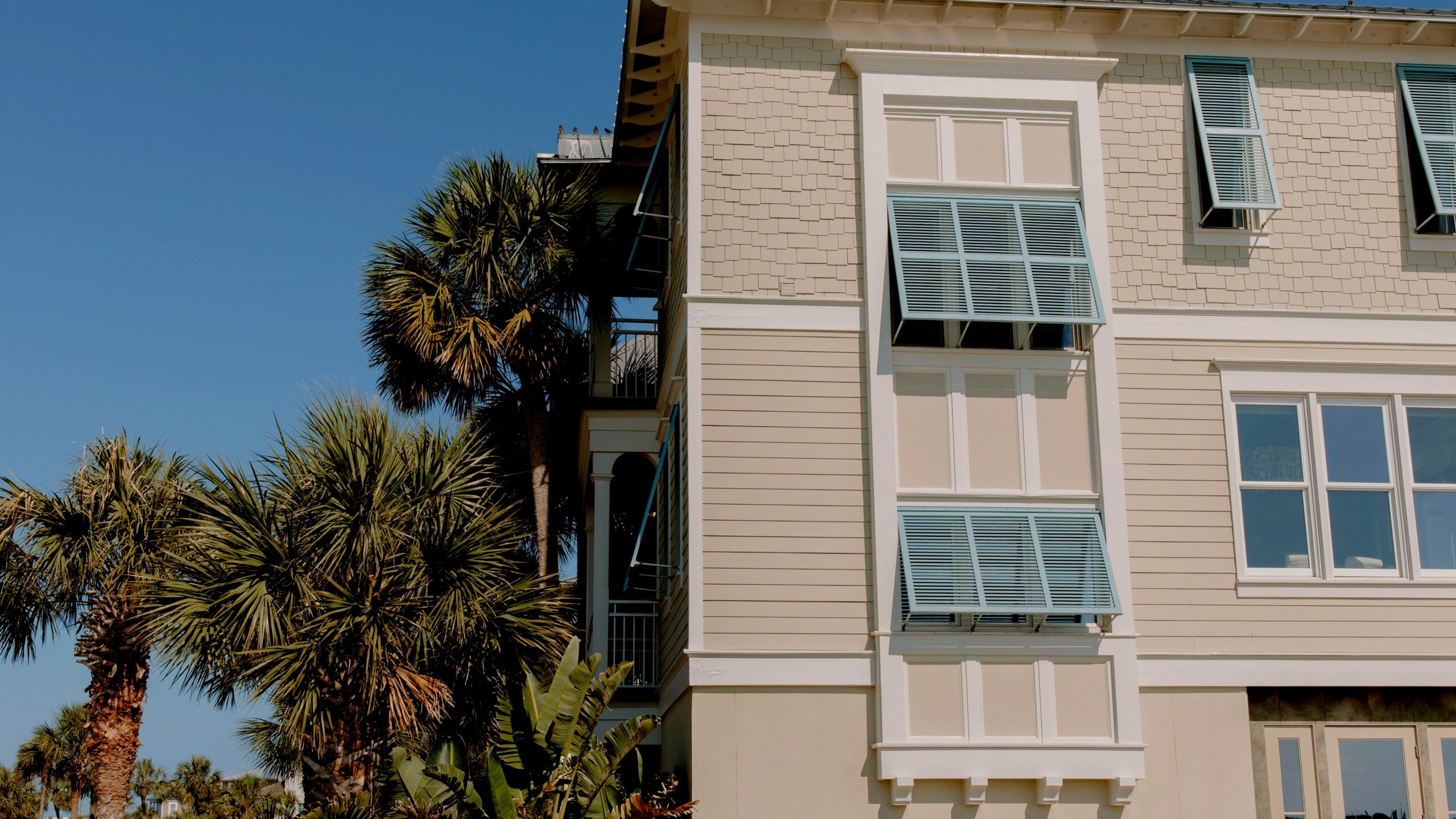
Old Palm Beach embodies enduring beauty and timeless elegance, notes Ellen Kavanaugh, and that beauty grew from deliberate architectural choices made a century ago. In 1925, architect Howard Brougham Major built six Bermuda-style houses on Peruvian Avenue with private patios and unique floor plans, explains Debi Murray. Those homes introduced a distinct vocabulary: shallow-pitched roofs, stucco walls, and intimate private patios.
Each home felt secluded as a private retreat, and that sense of enclosure and garden connection persists in today’s indoor-outdoor Palm Beach interiors. The Historical Society of Palm Beach County works to preserve local architecture and the stories behind it, collecting items from Palm Beach, Belle Glade, Jupiter, and Boca, according to Debi Murray. Its archive holds photographs, documents, and building plans that trace the evolution of the island’s design.
Yet this preservation effort faces a quiet, constant crisis. The Historical Society of Palm Beach County faces challenges funding the preservation of donated materials, Murray says. Climate-controlled storage, archival supplies, and staffing all require resources that are not always easy to secure. Without such care, the physical remnants of Howard Brougham Major’s work and other early designs risk deterioration.
These historical foundations matter to the curated abundance aesthetic. The Bermuda-style patios and lush plantings that Major favored now reappear as outdoor living rooms dressed with rattan daybeds and metal lanterns. The confident mixing of materials isn’t new; it’s a refinement of Palm Beach’s original architectural character. Understanding that lineage helps a homeowner avoid trend-driven decorating and instead build a space that feels grounded.
How to Blend Traditional and Modern Materials
Contemporary Palm Beach design combines rattan and wicker with metals and glass, says Ellen Kavanaugh, and the goal is tension between the organic and polished. Start by anchoring the room with a neutral shell—paint walls in off-white or greige, keep large upholstery in linen or cotton in sand or charcoal—to create a calm baseline. Then introduce a statement rattan or wicker piece, such as a peacock chair or woven headboard, letting its honey-toned texture signal coastal ease. Add metal and glass for contrast: a polished brass floor lamp next to the rattan chair, a glass-topped coffee table on a seagrass rug, so the metals reflect light and the glass keeps the arrangement from feeling heavy.
Apply chintz to streamlined furniture, as Ellen Kavanaugh does, by reupholstering a clean-lined slipper chair in a large-scale floral or using a trellis pattern on a bolster pillow. Keep the silhouette simple and current so the pattern does the talking while the shape stays quiet. Then edit and repeat: if the room feels too sweet, add a nickel picture frame or lucite side table; if it feels cold, bring in a second rattan element like a woven tray. Small adjustments maintain the balance.
Where Can You See Modern Palm Beach Homes?
The curated abundance approach isn’t just a theory; it is on display in notable properties like 240 N. Ocean Blvd, listed by Elizabeth DeWoody with Compass. The home features coffered wood ceilings, pastels, and lush greenery, where the ceilings add architectural weight and the pastel palette softens the atmosphere.
As of the print date, it was one of two oceanfront estates available on the island, according to Elizabeth DeWoody of Compass. This makes it a rare chance to inhabit the aesthetic with the Atlantic as a backdrop.
Smaller properties execute the same principles with equal impact, such as 417 Peruvian Avenue #3 represented by Lisa and John Cregan of Sotheby’s. That address, with ties to Major’s Bermuda-style homes, shows how the design adapts to condominium living. The blend of rattan, glass, and color works within a more compact floor plan. It proves you don’t need an estate to achieve the look.
The demand for these homes reflects a broader shift, as Palm Beach has transitioned from a vacation destination to a full-time residence for more people post-pandemic, notes Ellen Kavanaugh. Buyers now want interiors that feel both celebratory and livable every day. Curated abundance answers that need. It gives permanent residents a space that is festive but not fleeting, rooted in place yet current.
Conclusion
Curated abundance offers a way to design with personality and precision. It pulls from Palm Beach’s architectural past—Howard Brougham Major’s intimate patios, the tropical plantings, the historical society’s archived treasures—and updates it with metallic sheen, glass, and restrained neutral shells. Ellen Kavanaugh’s definition sharpens the instinct many people already feel: more color, more texture, but also more calm.
You can start small. Reupholster one chair in chintz, place a rattan lamp on a glass side table, and watch the room wake up. The look is meant to be lived in, loved, and adjusted over time. That’s the real spirit of Palm Beach style homes—abundant, personal, and never static.
FAQ
Q: What is curated abundance in interior design?
A: Curated abundance is a maximalist approach that mixes bold prints, jewel tones, and traditional materials like rattan and chintz with modern neutrals, glass, and metals. It was coined by Palm Beach designer Ellen Kavanaugh.
Q: How do I mix bold prints with neutrals in Palm Beach style?
A: Start with a neutral base of whites, grays, or beiges. Add bold patterns through upholstery, pillows, or wallpaper. Balance with streamlined furniture and incorporate metallic accents like brass or chrome. Q: What are key elements of Palm Beach style?
A: Key elements include rattan and wicker furniture, chintz fabrics, bright colors, pastels, jewel tones, metals and glass, and a blend of traditional and modern pieces.