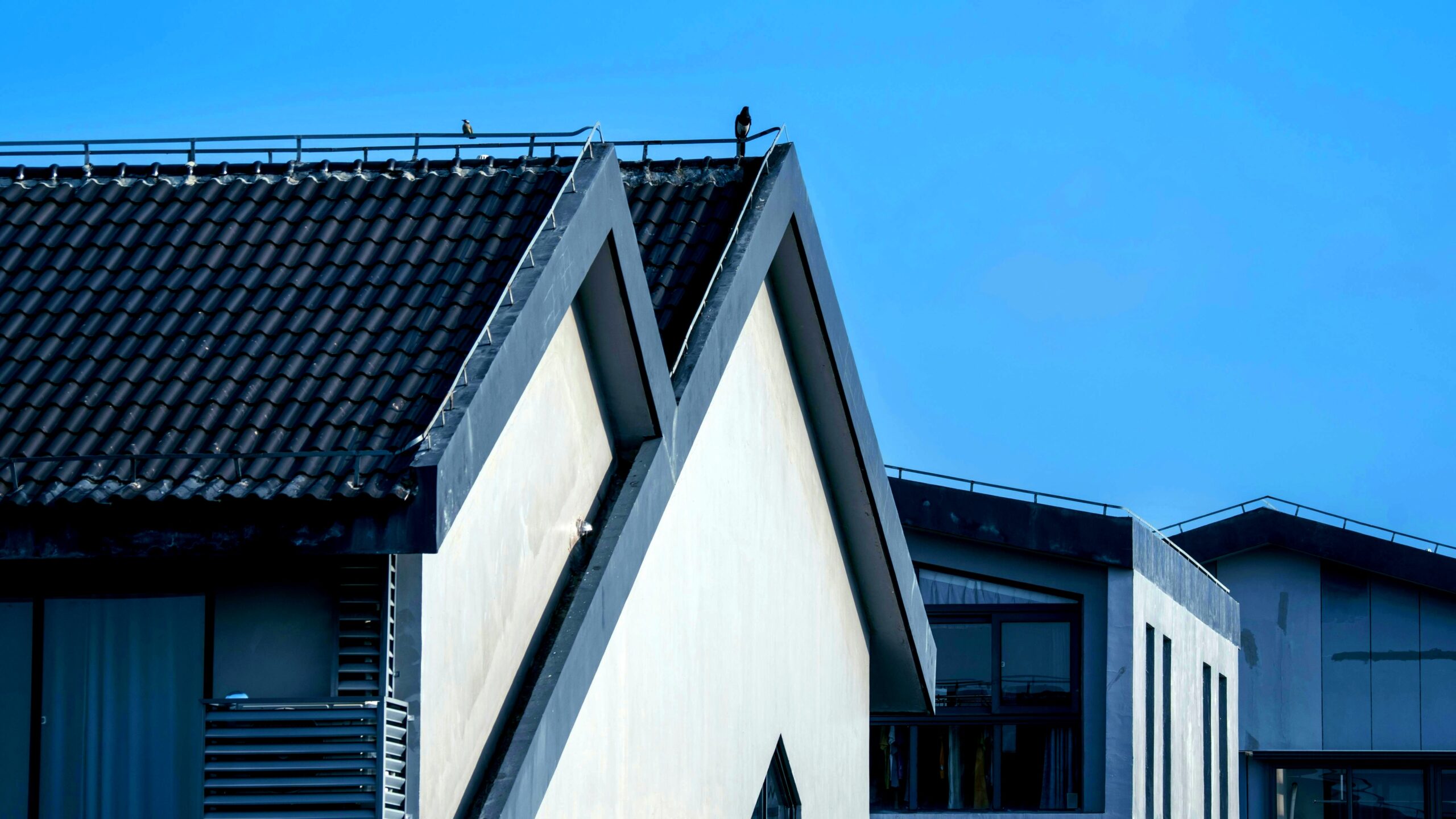
The best style roof for your home depends on your regional climate, architectural style, and personal preference. For heavy snow and rain, a steep gable roof sheds moisture effectively. In hurricane-prone areas, a hip roof offers better wind resistance. Modern homes often use flat or skillion roofs for clean lines, while traditional homes suit gable or hip designs.
A style roof is the design and shape of a roof that contributes to a home’s aesthetic and functional performance, including types such as gable, hip, mansard, gambrel, flat, and skillion.
Gable Roof: Best for Heavy Snow and Rain
A gable roof’s triangular profile efficiently sheds water and snow, with two sloping sides meeting at a central ridge. The steep pitch accelerates runoff, and you can build it with asphalt shingles, metal, or clay tiles. Builders adapt the basic form into cross gabled, Dutch gable, box gable, or clipped gable designs, each changing the roofline silhouette. In snowy climates, proper attic insulation and soffit and ridge vents prevent ice dams, while wide eave overhangs protect siding and windows.
Common Gable Roof Variations
- Cross Gabled: Two or more gable roof sections intersect at different angles, creating a complex ridgeline suited for L-shaped or T-shaped home layouts.
- Dutch Gable: A gable is placed on top of a hip roof, giving additional attic space and a distinctive silhouette.
- Box Gable: The gable end is enclosed with a triangular extension, providing a clean, finished appearance from the street.
- Clipped Gable: Also called a jerkinhead, this style clips the peak of the gable, improving wind resistance while keeping much of the gable’s shape.
Hip Roof: Engineered for High Wind Resistance
The hip roof features slopes on all four sides that meet at the top to form a ridge. The design provides resistance to high winds and hurricanes because wind flows around the structure rather than pushing against a broad gable end. In coastal areas, building codes often require hip roofs with secondary strapping and impact-rated fasteners.
Variations such as cross hipped, intersecting hip, and hip and valley configurations let you use hip geometry on homes with wings or multiple dormers. Framing a hip roof demands precise rafter cuts and valley construction, which adds to labor costs but yields a sleek, wrapped appearance. Asphalt shingles, metal panels, and concrete tiles all suit hip roofs, though installers typically add extra underlayment at the hips and ridges to guard against wind-driven rain. Inspecting a hip roof after a storm is straightforward: you still have four unbroken slopes to shed water, and flashings are concentrated at the ridges rather than along gable rakes.
Mansard Roof: Extra Living Space with a Classic Look
The mansard roof features a double slope on each side with a steeper lower slope than the upper slope. That near-vertical lower section opens up generous headroom, making the attic space usable as a full bedroom, studio, or home office. In many cities, mansard roofs were originally built to avoid higher taxes on additional full stories while still gaining extra square footage.
You can construct a mansard roof with slate, metal, or shingles; slate is traditional for period homes in the Northeast, while standing-seam metal suits contemporary adaptations. The steep lower slope allows conventional windows without altering the roofline, and with proper insulation, the attic becomes conditioned space. The upper flatter slope is covered with the same material, draining to a hidden gutter. This style appears on French Second Empire, Victorian, and other historically inspired homes, offering distinctive curb appeal.
Gambrel Roof: Barn-Inspired Roomy Design
The gambrel roof features two slopes on each side, with a shallow upper slope and a steep lower slope. This shape is strongly associated with barns and Dutch Colonial architecture, where it creates a generous, barn-like interior volume. A gambrel roof maximizes usable space under the roof for storage, a recreation room, or even a full living quarters.
You can finish the attic with knee walls and a flat ceiling to gain square footage comparable to a full story, all without pushing the roofline higher than local zoning allows. In rural areas, you often see gambrel roofs on converted carriage houses and farmhouse additions, where the look ties new construction to the site’s agricultural history. Asphalt shingles keep the cost low for a large span, while wood shakes or steel panels match the barn aesthetic. The steep lower slope sheds snow well, explaining why the design persists in northern farm country.
Flat Roof: Modern Function with Rooftop Potential
A flat roof isn’t truly flat; it has a slight pitch to channel rainwater toward a drain or scupper. This low-profile design features in contemporary homes, commercial buildings, and urban townhouses where maximizing interior ceiling height on the top floor matters. The flat roof can be used for rooftop gardens that insulate the building, patios with city views, or solar panel installations that need an unshaded, horizontal surface.
Builders typically seal it with a membrane like EPDM, TPO, or modified bitumen to prevent leaks, and they add a layer of insulation above the deck to improve energy efficiency. Proper drainage is critical. Even a slight dip that holds water will shorten the membrane’s life, so tapered insulation or overflow drains are essential details. In snowy areas, a flat roof must be engineered to handle a higher snow load than a sloped one, and consulting a structural engineer is a must.
Skillion Roof: Single-Slope Modern Efficiency
The skillion roof, also called a shed roof, features a single sloping surface that often rises higher on one side. This straightforward geometry makes it popular for contemporary home designs, additions, and outbuildings. The slope allows efficient water runoff and can be angled to optimize solar panel orientation, maximizing year-round energy production.
You can pair a skillion with large expanses of glass on the high side to flood interiors with daylight. Because the roof deck uses fewer framing members than a complex hip or gable, materials and labor costs typically run lower. Architects often combine multiple skillion roofs at different heights to create dynamic forms, or pair a skillion with a flat roof section for a mezzanine effect. Standing-seam metal or asphalt shingles work well, but the steeper the slope, the more visible the roofing material becomes, so many owners choose a finish that matches the modern aesthetic.
Matching a Roof Style to Your Home’s Architecture
Your home’s architectural style narrows the choice of roof form. Traditional homes such as Colonials and Cape Cods almost always carry gable or hip roofs with a steep pitch. Modern and contemporary homes look best with flat or skillion roofs that emphasize horizontal lines. Cottage or country-style homes often feature gambrel roofs for a cozy, barn-like character.
Craftsman-style houses can utilize gable and hip roofs combined with dormers to add light and attic space. For a Colonial home, a steep hip roof with a centered dormer keeps the historical proportions. A modern farmhouse might pair a skillion addition with the original gambrel barn, creating visual dialogue between old and new.
| Architecture Style | Recommended Roof Style |
|---|---|
| Traditional (Colonial, Cape Cod, Georgian) | Gable or Hip |
| Modern/Contemporary | Flat or Skillion |
| Cottage/Country | Gambrel |
| Craftsman | Gable or Hip with Dormers |
Using Cedreo to Visualize Roof Options
Once you’ve identified a compatible roof style, software tools help you visualize the result. Cedreo is a 3D home design software used by remodelers, architects, designers, and builders to create roof designs. You can model different roof styles on your actual floor plan, test materials in realistic lighting, and generate client-ready renderings before committing to a build.
Conclusion
Choosing a style roof means balancing climate demands, architectural integrity, and personal taste. A steep gable sheds snow and rain with ease, while a hip stands up to hurricane-force winds. Mansard and gambrel roofs turn the attic into livable square footage without extending the footprint. Flat and skillion designs offer clean lines and rooftop possibilities for solar panels, gardens, or patios.
Your home’s geometry and the look you want—traditional, modern, or country—point straight toward the right shape. Using 3D software like Cedreo lets you test various options before making an investment. Finally, hire a qualified roofing contractor who understands your area’s code requirements and climate to ensure a truly durable, beautiful result.
FAQ
Q: What roof style is best for heavy snow regions?
A: A gable roof’s steep triangular shape is designed to shed water and snow efficiently, making it ideal for snowy climates. Q: Which roof style offers the best wind resistance?
A: The hip roof, with slopes on all four sides, provides excellent resistance to high winds and hurricanes. Q: What roof style works for a Dutch Colonial home?
A: A gambrel roof, featuring two slopes per side, is associated with Dutch Colonial architecture and maximizes attic space.