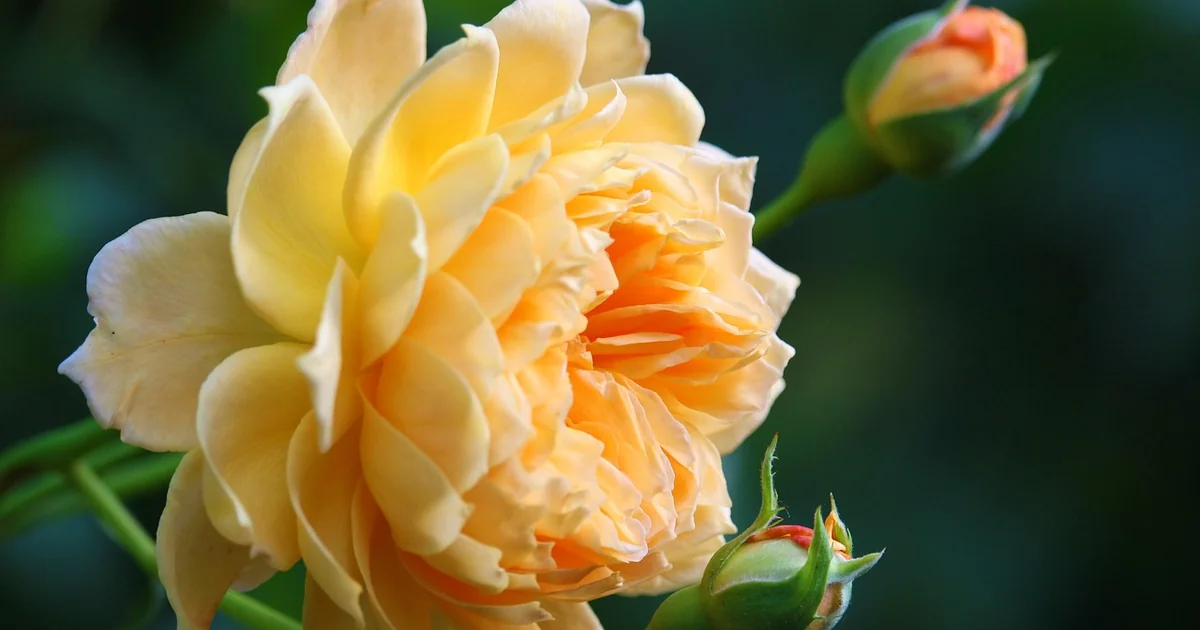
Every gardener has a unique way of expressing their passion. Some focus on native plants and ecological impact. Others fill their yards with vegetables and herbs for the kitchen. Many chase the fleeting beauty of seasonal blooms. And then there are those who become utterly devoted to one plant family. Linda Hagler belongs to that last group. Her property in Madison, Georgia, holds 104 rose plants. That number alone turns heads. But what truly captivates visitors is how she built this collection against considerable odds. She started gardening at age forty. She moved five times. She dealt with relentless deer pressure. She rooted many of her own roses from cuttings. And now at eighty-one, she still rushes outside each morning to check on her blooms. The linda hagler rose garden is not just a collection. It is a living testament to perseverance, creativity, and the belief that you can start something beautiful at any age.
A Garden That Defies Expectations at Every Turn
The first thing you notice about Linda’s garden is how much it refuses to follow the usual rules. Most gardeners would say you cannot grow 104 roses on one acre with deer roaming freely. Linda did exactly that. Most would tell you to start small and build slowly over decades. Linda began at forty and now, forty-one years later, she has a landscape that rivals anything you would find in a botanical garden. Her secret is not money or professional training. It is stubborn curiosity and a willingness to experiment. She learned by doing. She failed, adjusted, and tried again. The linda hagler rose garden proves that formal education matters far less than consistent effort and genuine love for the work.
Linda lives in downtown Madison, Georgia, in Zone 8a. That climate brings hot summers and mild winters. It also brings a long growing season that rewards careful planning. She built her current home eight years ago after retiring from two careers. First, she spent twenty-six years as a flight attendant for Eastern Airlines. When Eastern shut down in 1991, she pivoted to real estate. Both jobs taught her to adapt quickly and read people well. Those skills transferred directly into gardening. She learned to read her plants, adapt to changing conditions, and find creative solutions to stubborn problems. The result is a garden that feels both intentional and wonderfully alive.
1. A Late Start That Became a Lifelong Obsession
Linda did not grow up with a trowel in her hand. She did not inherit a family garden or study horticulture in school. She started entirely from scratch at age forty. That fact matters because it challenges the idea that gardening is something you must learn young. Many adults feel intimidated by the prospect of starting a garden later in life. They worry they have missed some invisible deadline. Linda proves otherwise. She began with a few plants, made mistakes, and gradually built confidence. By the time she moved into her current home, she knew exactly what she wanted. That eight-year-old garden now holds more than a hundred roses, a productive vegetable patch, and a perennial border that blooms from spring through fall.
Starting late actually gave Linda an advantage. She had decades of life experience to draw on. She knew how to research, how to ask for help, and how to persist when things went wrong. She also had a clear vision of what she wanted. Younger gardeners often change their minds repeatedly as their tastes evolve. Linda knew she loved roses and made them the centerpiece of her landscape. That focus allowed her to build a collection with real depth rather than a scattered mix of unrelated plants. For anyone hesitating to start a garden at forty, fifty, or beyond, Linda’s story offers a powerful counterargument. The best time to plant a rose was twenty years ago. The second best time is today.
2. Outsmarting Deer Without an Ugly Fence
Deer are the single biggest challenge for rose gardeners in much of the United States. They treat rose buds like a gourmet buffet. Linda lives in downtown Madison, which might sound like a safe location. But deer are surprisingly comfortable in suburban and even urban settings. They wander through her front yard regularly. She needed a strategy that did not involve surrounding her whole property with an eyesore fence. Her solution was simple and effective. She reserved her best deer fence for the backyard where her vegetable garden, roses, and perennials live. The front yard gets a different treatment. She planted evergreens and deer-resistant species there. These plants survive without protection while creating a welcoming streetscape.
The backyard fence changed everything. Behind it, Linda’s roses grow without constant nibbling. She can focus on pruning, feeding, and enjoying her blooms rather than fighting a losing battle against hungry visitors. The fence also creates a Microclimate. It blocks some wind and traps heat during cooler months. That matters in Zone 8a where occasional frosts can damage tender new growth. The strategic placement of the fence shows how Linda thinks like a problem solver. She did not try to eliminate deer from her neighborhood. That would be impossible. She simply redirected them and protected her most valuable plants. This approach works for any gardener dealing with wildlife pressure. You do not need to win every battle. You just need to protect the plants that matter most.
3. Rooting Roses at Home: Propagation Without a Greenhouse
A significant portion of Linda’s 104 roses came from cuttings she rooted herself. That fact surprises many gardeners. Professional propagation often feels like a mysterious art reserved for nursery workers with climate-controlled greenhouses and hormone powders. Linda shows that everyday gardeners can do it too. She took cuttings from healthy plants she admired, stuck them in suitable growing medium, and waited. Some failed. Many succeeded. Over time, those rooted cuttings grew into full-sized plants that now bloom alongside store-bought specimens. The cost savings are substantial. A single rooted cutting that grows into a mature plant saves anywhere from twenty to fifty dollars compared to buying from a nursery.
Rooting roses also allows for preservation. If Linda admires a rose in a friend’s garden or spots a particularly vigorous variety at a public park, she can take a small cutting and replicate it at home. That ability turns every garden visit into a potential acquisition opportunity. It also builds a deeper connection to the plants. A rose you grew from a cutting feels different from one you bought. You remember the day you took the cutting, the moment roots appeared, and the first time it bloomed. That emotional investment makes you care for the plant more attentively. For gardeners on a budget, propagation opens doors that would otherwise stay closed. You can build a collection of a hundred plants without spending thousands of dollars.
4. Pairing Climbing Roses with Clematis for Maximum Impact
One of the most visually striking features of the linda hagler rose garden is the way climbing roses and clematis vines weave together. Linda pairs an Eden Climber Pretty in Pink rose with a Betty Corning clematis. The rose provides large, structured blooms in soft pink. The clematis adds smaller, bell-shaped flowers in a delicate lavender tone. Together, they create a layered effect that looks intentional and artistic. This pairing works because the two plants bloom at slightly different times and grow at different rates. The rose offers a sturdy framework. The clematis fills in the gaps and extends the flowering season.
Another standout pairing involves a Dortmund rose climbing a tree trunk. The rose is a bright, almost shocking pink. It grows against the dark bark of an old oak, creating a dramatic contrast that draws the eye from across the yard. Next to it, a Sea Breeze clematis adds soft purple blooms that cool down the intense pink. Linda understands that color placement matters as much as plant health. She uses warm and cool tones to create visual rhythm. The bright pinks energize the garden. The purples and whites provide resting points for the eye. This principle applies to any garden, regardless of size. You do not need a hundred plants to create contrast. A single well-placed climbing rose paired with a complementary clematis can transform an ordinary corner into a focal point.
You may also enjoy reading: 5 Ways to Choose Fragrant Plants by Time of Day.
5. Finding Color Under the Oak Canopy
Linda’s property includes one-third of an acre covered by huge old oak trees. That might sound like a problem for a rose collector. Roses famously need full sun to produce their best blooms. But Linda did not see the shade as a limitation. She saw it as a design opportunity. She planted an Arborose Florentina rose in dappled shade beneath the oaks. That variety tolerates less direct sunlight than many other roses. Its vibrant red blooms stand out against the darker background of the woodland understory. She also placed an El Nino desert orchid nearby. That plant adds tropical-looking foliage and flowers that feel unexpected in a Georgia shade garden.
The shade garden proves that you do not need relentless sunlight everywhere. Linda grows some of her most interesting plants in the filtered light beneath the oaks. Those areas stay cooler during the brutal Georgia summer. They also require less watering than the sun-baked front yard. The shade creates a different rhythm. Blooms last longer because they are not scorched by afternoon heat. The soil stays moist for longer periods. Linda uses this microclimate to her advantage, placing plants that appreciate protection from the most intense sun. For gardeners dealing with mature trees, the lesson is clear. Do not fight the shade. Embrace it. Choose plants that thrive in those conditions and use the contrast between sunny and shady areas to create visual interest.
6. Container Roses for the Determined Collector
Linda has squeezed 104 roses into her backyard, but she still wanted more. Containers offered the solution. She grows a Frilly Lilly rose in a pot, and the plant responds with a profusion of blooms that would impress any gardener. Container gardening allows collectors to add varieties that do not fit in the ground. It also provides flexibility. If a plant needs more sun or less water, you can move the pot to a better location. That adaptability matters in a garden with shifting light conditions throughout the day and across seasons. The Frilly Lilly variety is compact by nature, making it an ideal candidate for pot life.
Container roses require more attention than in-ground plants. They dry out faster and need regular feeding because nutrients wash out of the potting mix more quickly. But the payoff is worth the extra effort for a dedicated collector. A well-maintained container rose can bloom just as heavily as one planted in the ground. Linda proves that a small space does not mean a small collection. She uses every available surface and corner. Pots sit on patios, along pathways, and near entry points where their fragrance greets visitors. This approach works especially well for apartment dwellers or homeowners with limited yard space. You can build a meaningful rose collection entirely in containers if you choose the right varieties and commit to their care.
7. Sun and Shade: Complementary Color Stories Across the Garden
The final element that makes the linda hagler rose garden so memorable is the way Linda handles the transition between sunny and shaded areas. She plants bright pink Eleganza Fiji roses alongside pure white Honor roses in areas with mixed light. The pink pops in direct sunlight while the white glows in softer light. This pairing ensures that something interesting happens at every time of day. Morning light catches the white flowers first. Afternoon sun intensifies the pink. The two colors work together without competing. They create a sense of harmony that extends across the entire garden.
Linda also uses layering to manage height. Her climbing roses rise to eye level and above. Her shrub roses fill the middle tier. Her container roses and ground-level perennials cover the lower spaces. That vertical variety makes the garden feel fuller and more established than its eight-year age would suggest. Visitors experience the garden at multiple heights and distances. A bright Dortmund rose catches their eye from across the yard. A delicate Sea Breeze clematis rewards a closer look. The combination of scale, color, and light management turns a one-acre property into a landscape that feels much larger. Linda may have started late, but she learned fast. Her garden stands as proof that thoughtful design, consistent effort, and a willingness to adapt can produce something extraordinary.
Linda’s story continues tomorrow with more photographs and details from her remarkable collection. The second part will explore additional varieties, her vegetable garden, and the perennial border that frames the roses. For now, take inspiration from a gardener who refused to let age, deer, shade, or limited space stop her from building something beautiful. She rooted her own cuttings, fenced where necessary, and planted with confidence. The result is a garden that amazes everyone who sees it, including the gardener herself.