Imagine strolling through your garden only to realize that a stunning new plant you’ve been nurturing could land you in legal trouble. Consider this your warning: some plants are off-limits by law, and you’ll want to know which ones to avoid.
Why Are Some Plants Banned?
It’s easy to assume that anything green is welcome in a backyard, but authorities ban certain species for two primary reasons. Some plants are invasive and destructive to local ecosystems. They spread aggressively, choke out native flora, clog waterways, or even damage infrastructure. Others contain compounds that trigger mind-altering effects. In those cases, the plant itself becomes classified as a controlled substance, making cultivation a criminal offense. Illegal plants can appear in nurseries or seed catalogs with little warning, so knowing the categories helps you stay safe.
Plants can be banned for being invasive or toxic, like giant hogweed. But the law doesn’t care whether you planted it intentionally or not. Once a prohibited species takes root in your yard, you’re responsible. That’s a hard reality for gardeners who simply admired a pretty flower.
5 Illegal Plants That Every Gardener Should Know
Here’s a shortlist of five plants you should never plant without checking local regulations. Each one carries real legal risk.
1. Giant Hogweed (Heracleum mantegazzianum)
Giant hogweed looks like a supersized cousin of Queen Anne’s lace, but its graceful white umbels hide a dangerous secret. The sap contains furanocoumarins, chemicals that strip the skin’s natural UV protection. If you brush against a broken stem and then go out in the sun, you can develop severe burns, blisters, and long-lasting scars. That’s not a garden mishap anyone wants. Yet the legal danger is equal to the physical one. In the United Kingdom, the Wildlife and Countryside Act 1981 makes it illegal to grow giant hogweed or allow it to spread into the wild. Across the United States, federal law prohibits transporting the plant across state lines, and many individual states ban cultivation outright.
This plant isn’t subtle. It can rocket up to 15 feet tall, producing jagged leaves that span 9 feet and a thick, purple-blotched stem. If you spot something matching that description, don’t touch it with bare hands. Call your local extension office for removal guidance. Plants can be banned for being invasive or toxic, like giant hogweed, and this one ticks both boxes with frightening efficiency.
2. Water Hyacinth (Eichhornia crassipes)
Water hyacinth floats on ponds and slow-moving rivers, sending up glossy leaves and delicate lavender flowers. At first glance, it seems like the perfect addition to a water garden. But that beauty comes with a startling growth rate. A single plant can multiply into a thick mat that covers entire water surfaces in weeks, blocking sunlight and oxygen from reaching fish and native plants. In Florida and Texas, water hyacinth is officially classified as a toxic weed. It’s illegal to possess, transport, or sell it within those states. The same restrictions apply in Alabama, Arizona, Arkansas, California, Idaho, Mississippi, and South Carolina, though enforcement may vary.
The plant’s ability to clog irrigation canals, disrupt navigation, and destroy fish habitat puts it squarely on the no-grow list. Even keeping it in a small container can be risky if a flood or a curious animal spreads it to a nearby creek. So what’s not to like? Plenty, once you realize that a single beautiful bloom can trigger a cascade of legal and ecological headaches.
3. Peyote Cactus (Lophophora williamsii)
Peyote is a small, spineless cactus that grows naturally in the Chihuahuan Desert. It’s been used in indigenous ceremonies for thousands of years, but its active compound, mescaline, made it a target of modern drug laws. Under U.S. federal law, peyote is a Schedule I controlled substance. That makes it generally illegal to grow, possess, or distribute the cactus. However, a narrow legal window exists: members of federally recognized Native American tribes can use peyote in traditional religious rituals under the American Indian Religious Freedom Act. Even so, cultivation is heavily regulated, and personal gardens are not protected.
Outside of those specific contexts, cultivating this cactus can trigger severe penalties. Peyote is generally illegal, but exceptions exist for Native American spiritual practices. Gardeners who admire succulents need to double-check any cactus that resembles a small, blue-green button, as misidentification won’t shield you from prosecution.
4. Magic Mushrooms (Psilocybe spp.)
Magic mushrooms contain psilocybin, a naturally occurring psychedelic compound. Under U.S. federal law, psilocybin is a Schedule I controlled substance, which makes growing the mushrooms illegal. Curiously, you can legally purchase spores because they do not contain psilocybin. Microscopy enthusiasts often order them to study under a lens. However, the moment those spores are introduced to a growing medium and begin to fruit, the resulting mushrooms become illegal. Law enforcement treats that as possession of a controlled substance, and cultivating even a small batch can lead to felony charges.
The legal gray area around spore sales catches many people off guard. They assume that buying a spore syringe means they can also grow mushrooms at home. Spores are legal to buy, but growing them into mushrooms is illegal. Always separate the two concepts, and research your local laws carefully before acquiring any mycology supplies.
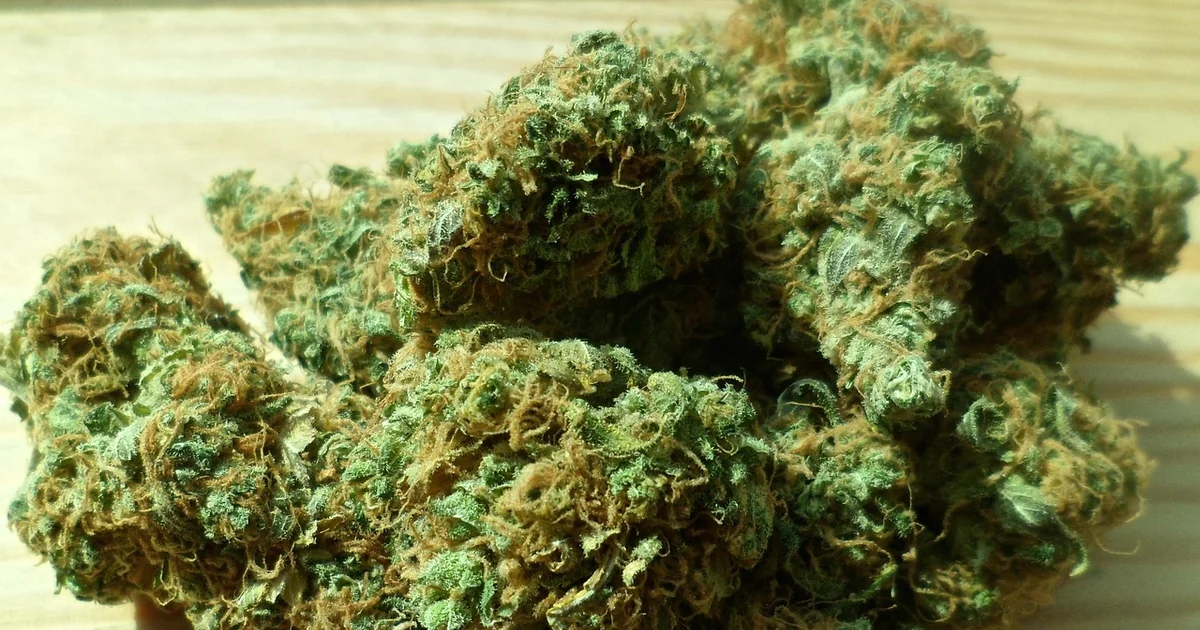
5. Marijuana (Cannabis sativa)
Marijuana cultivation remains illegal under U.S. federal law, where it is also a Schedule I controlled substance. While a growing number of states have created medical or adult-use programs, federal law still prohibits growing cannabis without a DEA registration. That means a plant that is perfectly legal under state law could still expose you to federal penalties, especially on federal property or across state lines. This legal patchwork creates real confusion for home gardeners who live in states with permissive laws.
You may also enjoy reading: 9 Best Soil Moisture Meters, Tested by The Spruce.
For anyone tempted to add a cannabis plant to their vegetable patch, the first step is to verify both state and local regulations thoroughly. Even in jurisdictions where home cultivation is allowed, plant counts, security requirements, and licensing rules can be strict. Ignorance won’t protect you if you accidentally exceed those limits.
What Happens If You Grow an Illegal Plant?
If law enforcement discovers that you’re cultivating a prohibited plant, you can face penalties ranging from fines to jail time. The severity often depends on the type of plant and your intent. A giant hogweed growing in your garden might trigger a civil order to remove it and cover cleanup costs. Water hyacinth could lead to fines under state invasive species laws. Peyote, magic mushrooms, and marijuana can open the door to criminal charges for drug possession or manufacturing, even if you had no idea the plant was illegal. Law enforcement can impose penalties, even if the gardener was unaware.
Prosecutors rarely accept “I didn’t know” as a defense. When a plant is listed as a noxious weed or a controlled substance, the law expects you to know. That’s why doing a quick background check on any unfamiliar plant makes more sense than ever. A little research upfront can save you from a very uncomfortable conversation with authorities.
What Should You Do If You Find a Banned Plant in Your Garden?
If you discover a plant that matches the description of giant hogweed, water hyacinth, or another prohibited species, act cautiously. Do not attempt to compost it, share cuttings, or move it to a public area. For invasive plants, the best course is to dig them up and dispose of them properly. Wear protective clothing, especially if you suspect toxic sap, and seal the plant material in heavy-duty trash bags. Contact your local agricultural extension service or environmental agency for disposal guidelines specific to your area.
When the plant in question might be a controlled substance like peyote or marijuana, call a lawyer before touching it. Removing the plant yourself might be misinterpreted as destruction of evidence. Let a legal professional advise you on the safest path. For spores turning into mushrooms, the same caution applies. The best course is to dig them up and dispose of them, but only after you understand the legal landscape. Your freedom is worth that extra phone call.
Frequently Asked Questions
What makes a plant illegal to grow in the United States?
A plant becomes illegal to grow when it is classified either as an invasive species or as a source of a controlled substance. Invasive species laws prohibit cultivation to protect native ecosystems, agriculture, and waterways. Drug-related bans stem from plants that contain hallucinogens, stimulants, or other compounds listed on the federal Schedule of Controlled Substances. State and local ordinances can add further restrictions, so even a plant legal at the federal level may be prohibited where you live.
Can I get in trouble for accidentally growing an illegal plant?
Yes. Ignorance of the law is not a valid defense. If an invasive plant appears in your garden and you fail to remove it promptly, you could face fines or a legal order to eliminate it. When the plant is a drug-containing species like peyote or magic mushrooms, even unwitting cultivation can lead to criminal charges. The severity depends on the plant and your jurisdiction, but the risk is real enough that every gardener should verify a plant’s legal status before planting.
Are magic mushroom spores legal everywhere in the United States?
Spores of psilocybin-producing mushrooms are legal to purchase in most states because they do not contain psilocybin. They are commonly sold for microscopy and taxonomic study. However, a few states, including California, Georgia, and Idaho, have explicitly outlawed spore possession or sales. Moreover, intending to use spores for cultivation is illegal under federal law, as that constitutes an attempt to manufacture a controlled substance. Always check your state’s specific statutes before ordering spores.