Even the most forgetful plant owner can keep these seven houseplants thriving. They tolerate neglect, irregular watering, and less-than-ideal light conditions, making them perfect for your busy lifestyle or if you’re a beginner.
Among the best options are spider plants, snake plants, and rubber plants. Pothos is another excellent choice, often considered one of the easiest houseplants to grow. These low maintenance houseplants are ideal indoor plants for beginners, offering beauty without demanding constant attention. Whether you’re new to gardening or just want hassle-free greenery, these hard to kill plants will thrive with minimal care.
Snake Plant (Sansevieria) – The Ultimate Survivor
If you have a dark corner, the snake plant will still thrive. This is one of the most forgiving houseplants you can bring home, and it’s a firm favorite among people searching for a low light houseplant. Known botanically as Sansevieria and commonly called mother-in-law’s tongue because of its tall, pointed leaves, it adds a bold, sculptural shape to any room while asking almost nothing in return.
Light Requirements: Snake plants are extremely tolerant of low light conditions, so they are happy in hallways, bathrooms, or any spot where direct sunlight rarely reaches. General Resilience: They are also wonderfully drought tolerant, which means you can skip a watering session without any drama. Along with spider plants and rubber plants, they make up a trio of low-maintenance, hard to kill houseplants that keep looking great even when neglected.
ZZ Plant (Zamioculcas zamiifolia) – The Drought Master
Another champion in the low-maintenance category is the ZZ plant, a true drought-tolerant plant that earns its nickname as the drought master. Its secret weapon lies underground: thick, potato-like rhizomes that store water like a camel’s hump. This rhizome storage allows the plant to bounce back even if you forget to water it for weeks. If you’re looking for hard to kill houseplants that forgive neglect, this one tops the list. It thrives in bright, indirect light but also adapts well to low light indoor plant conditions, making it a versatile choice for dim corners or offices. Just give it a drink every couple of weeks, and it will reward you with glossy, upright leaves that add a modern, sculptural feel to any room.
When it comes to care, less is more with the ZZ plant. Overwatering is the quickest way to harm it, so let the soil dry out completely between waterings. Its rhizomes are built to handle dry spells, so you can safely skip a watering session without any stress. This resilience makes it an ideal choice for busy families or anyone new to plant parenthood. Pair it with other forgiving species like snake plants or pothos, and you’ll have a collection of hard to kill houseplants that stay beautiful with minimal effort. The ZZ plant proves that a little neglect can actually be a good thing.
Pothos (Epipremnum aureum) – The Unkillable Trailing Vine
If the ZZ plant taught you that neglect can be a virtue, pothos takes that lesson and runs with it. Also known as devil’s ivy or Epipremnum aureum, this trailing houseplant is one of the easiest you can own. In fact, pothos is one of the easiest houseplants to grow and almost impossible to kill. It forgives you if you forget to water it — it actually prefers to dry out between waterings. That makes it a perfect choice if your schedule gets busy or you’re still learning your plant-care routine. Just check the soil with your finger; when it feels dry a couple of inches down, give it a drink. Overwatering is the only real risk, so err on the side of too little.
As an easy indoor vine, pothos can grow up to 10 feet or more, cascading gracefully from a shelf or hanging basket. You can let it trail long or trim it back to keep it bushy. Either way, it adds a lush, green touch to any room without demanding much from you. For anyone building a collection of hard to kill houseplants, pothos is a must-have. It thrives in low to bright indirect light and doesn’t fuss about humidity. If you ever forget to water for a week or two, it will simply wait patiently until you remember. That forgiving nature makes it a favorite for beginners and seasoned plant lovers alike.
Spider Plant (Chlorophytum comosum) – The Resilient Spiller
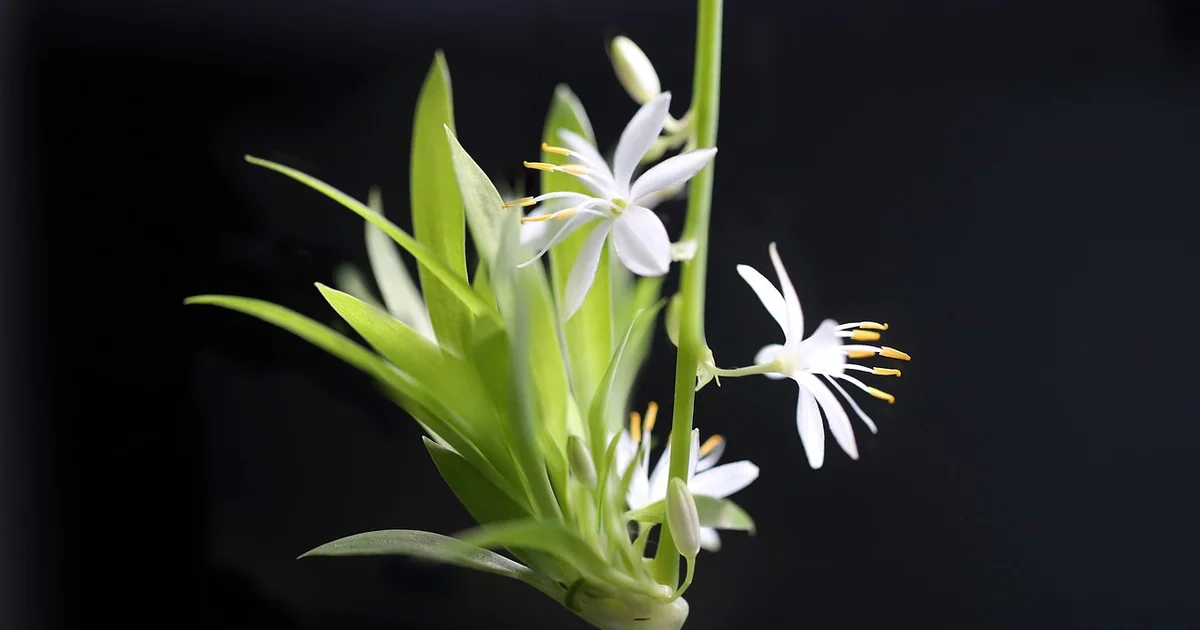
If you’re looking for another forgiving friend, the spider plant is a fantastic choice. Also known as Chlorophytum comosum or the airplane plant, it grows fast and fills a hanging basket with arching leaves. This plant is incredibly low-maintenance and truly hard to kill. In fact, spider plants, along with snake plants and rubber plants, are some of the most resilient houseplants you can own—making them a top pick among hard to kill houseplants.
When it comes to spider plant size, expect it to reach two to three feet long and two to two and a half feet wide. That generous spread makes it a perfect spiller for shelves or hanging baskets. Hardiness is its middle name—it tolerates low light, irregular watering, and even a bit of neglect. Just give it bright, indirect light and water when the soil feels dry, and it will reward you with endless baby plants, or “pups,” that you can propagate. Whether you’re a beginner or a seasoned plant parent, this resilient spiller will thrive with minimal effort.
Cast Iron Plant (Aspidistra elatior) – The Indestructible Classic
If you thought the spider plant was tough, wait until you meet the cast iron plant. This old-fashioned favorite earned its rugged name by surviving the worst conditions, even outdoors in deep shade. It’s the ultimate hardy indoor plant for anyone who wants greenery without the guilt of forgetting to water or fussing over light levels. The cast iron plant (botanically Aspidistra elatior) is practically indestructible, making it a top contender among hard to kill houseplants.
The name says it all. This plant can handle low light, dry air, and irregular watering better than almost any other houseplant. It’s a classic shade tolerant plant that thrives in corners where even pothos would sulk. For cast iron plant care, just place it in a spot with indirect light — or no direct light at all — and water only when the top inch of soil feels dry. Overwatering is its only real enemy, so err on the side of neglect. Its broad, deep green leaves add a calm, timeless look to any room, and because it grows slowly, it stays tidy without constant pruning. Whether you have a dim hallway or a north-facing bedroom, this plant will quietly endure and remind you that sometimes the best houseplants are the ones you can almost ignore.
You can read more on this topic in 5 Tips for Purple Passion Plant Care and Growth.
Rubber Plant (Ficus elastica) – The Low-Maintenance Tree
If you like the idea of a plant that barely needs your attention yet still makes a statement, the rubber plant is a perfect next choice. These large indoor plants add a bold, tropical look to any room without demanding much from you. Like spider plants, rubber plants are among the low-maintenance, hard-to-kill houseplants that thrive with minimal fuss. Their broad, glossy leaves bring a touch of the jungle indoors, yet they ask very little in return. You simply water when the soil feels dry and keep them away from cold drafts. That’s about all the effort needed.
General Resilience
The rubber tree, or Ficus elastica, is a classic easy care houseplant that tolerates a wide range of conditions. It handles low light, irregular watering, and dry air far better than many other tropical plants. This makes it a reliable choice for busy households, offices, or anyone who travels. You don’t need to fuss over it — just let it be, and it will reward you with steady, upright growth.
Placement Tips
For best results, place your rubber plant in a spot with bright, indirect light, though it will survive in lower light too. It can grow quite tall over time, so give it room to stretch upward. A corner near a window or beside a bookshelf works well. Dust the leaves occasionally to keep them glossy and help the plant breathe. With just a little attention, this rubber tree will grow into a handsome, low-maintenance centerpiece for your home.
Aloe Vera – The Healing Succulent
If you’re looking for another member of the hard to kill houseplants club, aloe vera is a perfect choice. This succulent plant does more than just survive neglect — it also offers a natural remedy for minor burns and cuts. Its thick, fleshy leaves store water, making it an incredibly drought-resistant houseplant that thrives on forgetfulness. You can place it on a sunny windowsill and water it only when the soil is completely dry. That simplicity makes it a favorite among busy families and beginner gardeners alike.
Uses of the Sap
The clear gel inside the leaves, known as Aloe barbadensis sap, is widely used as a skin moisturizer and to heal minor cuts and ease sunburn. Just snap off a leaf, squeeze out the gel, and apply it directly to your skin. It’s a practical, chemical-free addition to your first-aid kit, and it grows right on your windowsill. Keeping a pot of this medicinal aloe in the kitchen means you always have a soothing remedy close at hand.
Drought Tolerance
As a succulent plant, aloe vera stores moisture in its leaves, so it can go weeks without water. This built-in drought tolerance is what makes it one of the easiest drought-resistant houseplants to keep alive. If you tend to forget watering, aloe will forgive you. Overwatering is actually the main risk, so let the soil dry out completely between drinks. With its low-maintenance nature and practical benefits, aloe vera earns its spot as a top-tier skin care plant that also doubles as a resilient, attractive houseplant.
Frequently Asked Questions
How often should I water a ZZ plant?
Let the soil dry out completely between waterings. Stick your finger in the potting mix and wait until the top few inches feel dry before adding more. When you do water, give it a good soak and let the pot drain well. This low-maintenance rhythm is a big reason why ZZ plants are such a practical choice among hard to kill houseplants.
Why is the cast iron plant called cast iron?
It earned the name because it tolerates neglect and tough conditions that would damage most other plants. You don’t need to fuss over it with perfect light, humidity, or a strict watering schedule. Like cast iron in the kitchen, it just keeps going. That reliable nature makes it a genuinely low-maintenance choice for new plant owners.
Can pothos survive if I forget to water it?
Yes, pothos is forgiving if you occasionally forget to water it. Lower light slows its growth and its water needs, so it can go longer between drinks, and if it wilts, it usually bounces back quickly after a deep watering. Just avoid leaving it in soggy soil for long stretches. That forgiving personality is exactly why pothos earns a place on any list of hard to kill houseplants.