Mastering fiddle leaf fig care is simpler than you might think. These popular houseplants, with their large, dramatic leaves, can become a stunning centerpiece in your home. Getting these basics right is the foundation of successful houseplant care.
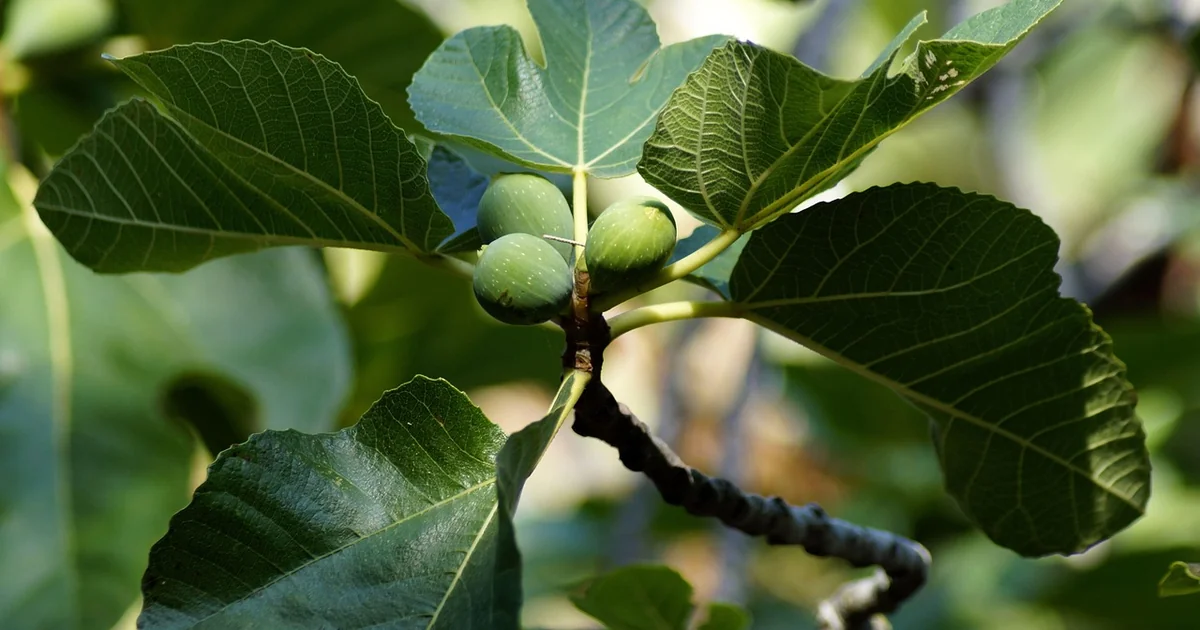
When you provide the right conditions, your fiddle leaf fig rewards you with lush growth and a bold presence. Whether you are new to indoor trees or have a collection of leafy friends, understanding these essentials will help you avoid common pitfalls and enjoy a healthy plant.
1. Provide Bright, Indirect Light
Where to place your fiddle leaf fig for optimal light
Now that you’re ready to give your fiddle leaf fig the attention it deserves, let’s start with the most important factor for its health: light. Proper fiddle leaf fig care begins with understanding its light requirements. These plants thrive on bright, indirect sunlight for about six hours each day. Without enough light, growth slows and leaves may drop. But too much direct sun causes leaf burn, leaving brown, crispy patches that won’t heal.
The best spot is near a south- or east-facing window where the light is strong but filtered. A sheer curtain works perfectly to soften the rays while still letting brightness through. Avoid placing your plant right against a west- or north-facing window—west sun can be too harsh in the afternoon, and north windows rarely provide enough intensity. Rotate the pot every few weeks so all sides get even exposure. Getting the light right is the first step toward a full, healthy fiddle leaf fig that rewards you with lush growth.
2. Water Properly to Avoid Root Rot
Now that your fiddle leaf fig is soaking up the right light, it is time to think about hydration. The golden rule of fiddle leaf fig care is simple: water only when the top inch of soil feels dry. Before you reach for the watering can, push your finger gently into the soil. If it comes out clean and dry, your plant is ready for a drink. If the soil still feels damp, wait a few more days and check again. Settling into a consistent watering schedule helps, but your plant’s needs can shift with the seasons and the temperature in your home, so the finger test is always your most reliable guide.
Overwatering is the most common mistake, and it can lead to leaf drop and root rot. Soggy soil suffocates the roots, and before long, leaves turn yellow and fall. Underwatering symptoms look different, with drooping leaves and soil that pulls away from the pot’s edges. When you do water, give the plant a thorough soak and let excess water drain completely. Adjust your routine until you find the rhythm that keeps your fiddle leaf fig thriving for years to come.
3. Maintain Consistent Temperature and Humidity
Now that you’ve mastered watering, let’s talk about the environment your fiddle leaf fig lives in. A crucial part of fiddle leaf fig care is giving it the right climate. These plants prefer temperatures between 60°F and 85°F and are not tolerant of sudden swings. Avoid placing yours near drafty windows, air conditioning vents, or heating registers. A blast of cold air or a dry heat gust can cause leaf drop and browning. Consistency is key—think of it as a cozy spot that never surprises the plant.
Humidity levels also matter. In dry indoor air, especially during winter, low humidity can lead to leaf browning along the edges. To boost humidity, you can set a pebble tray beneath the pot: fill a shallow dish with water and pebbles, then place the pot on top so the drainage holes stay above the waterline. As the water evaporates, it creates a humid microclimate. Another option is running a small humidifier nearby. Grouping plants together also helps raise humidity naturally. By keeping temperature steady and moisture in the air, you’ll prevent leaf browning and support your fiddle leaf fig’s temperature tolerance. This simple environmental care makes a big difference in long-term health.
4. Fertilize and Prune for Healthy Growth
Once you’ve dialed in the temperature and humidity, it’s time to focus on feeding and shaping your plant. During the growing season, fertilize monthly with a high-nitrogen fertilizer. This gives your fiddle leaf fig the nutrients it needs to push out large, glossy leaves and maintain a strong structure. Start in spring and continue through summer, then stop in fall and winter when growth slows. Stick to the schedule—overfertilizing can harm the roots, so follow the label’s instructions for dilution.
Also worth a read: 5 Plants to Grow Together in a Stunning Container Garden.
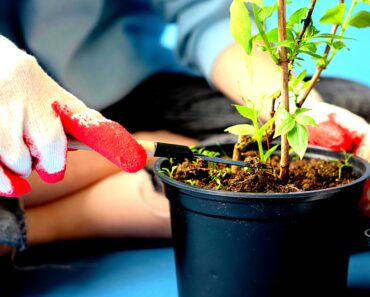
Pruning is just as important for keeping your plant healthy and attractive. The best time to prune is in late spring or summer, when the plant is actively growing and can recover quickly. Use clean, sharp shears to cut away dead or yellowing leaves, and trim back leggy stems to encourage bushier growth. If you want a tree-like fiddle leaf fig, top the main trunk above a leaf node when it reaches about 5 feet tall. This encourages branching and creates that classic canopy shape. Regular pruning for shape also improves air circulation, which helps prevent pests and disease. With these simple steps, your fiddle leaf fig will reward you with balanced, vigorous growth year after year.
5. Tackle Common Pests and Issues
Even with perfect pruning and good air circulation, your fiddle leaf fig can still face unwelcome visitors. Spider mites are a common nuisance for these plants, but you can catch them early. Check the undersides of leaves regularly for fine webbing or tiny specks. If you spot them, a simple treatment with neem oil works well — just wipe the leaves gently. This is a key part of fiddle leaf fig care that keeps your plant healthy and happy.
Leaf drop or browning leaves often signal a different problem. These symptoms usually point to low light, overwatering, or underwatering. Adjust your watering schedule and move the plant to a brighter spot if needed. For small spaces, consider the dwarf variety Ficus lyrata ‘Bambino’, which reaches only a few feet tall. And remember: all parts of the fiddle leaf fig are toxic to pets and humans if ingested, so place it out of reach of curious children and animals. With these tips, you can handle common issues before they become serious.
Frequently Asked Questions
How much light does a fiddle leaf fig need?
Your fiddle leaf fig thrives in bright, indirect light. Place it near a window with filtered sunlight, but avoid direct sun that can scorch its leaves. If the plant leans toward the light, rotate it occasionally to keep growth even. Proper light is a cornerstone of fiddle leaf fig care.
What are the signs of overwatering or underwatering?
Overwatering often leads to yellowing leaves and a musty smell from the soil, while underwatering shows up as drooping leaves and dry, crispy edges. Check the top inch of soil before watering—if it’s dry, it’s time to water; if it’s still moist, wait. This simple test helps you avoid both extremes.
What temperature and humidity levels are ideal?
Fiddle leaf figs prefer a warm, consistent environment between typical room temperatures. Keep them away from drafts, air conditioners, and heating vents. To boost humidity, place a pebble tray with water beneath the pot or mist the leaves occasionally. Stable conditions keep your plant comfortable and healthy.