March is a pivotal month for Yolo County gardeners. You can start both cool- and warm-season vegetables, making this an exciting time for your Yolo County vegetable garden. However, with the warming temperatures and February rains, mosquitoes begin to emerge, laying eggs in standing water. Balancing early spring planting with pest control is key to a successful season.
Beyond vegetables, March is also an ideal time to start annual and perennial summer flower seeds for transplanting later. As you focus on your garden, remember to clear any standing water to reduce mosquito breeding and pull weeds before they take over. By managing these tasks alongside your March vegetable planting, you set the stage for a productive growing season.
Top Vegetables to Plant in March in Yolo County
Once your beds are clean and weed-free, it’s time to turn your attention to what you’ll actually be planting. March offers a sweet spot for March vegetable planting in Yolo County, where the soil is warming but still cool enough to support a wide range of early-season crops. The key is to match each vegetable to its ideal starting method — some love going straight into the ground, while others need a cozy indoor head start. Here is your March planting guide for making the most of this transitional month.
Cool-Season Vegetables for Direct Sowing
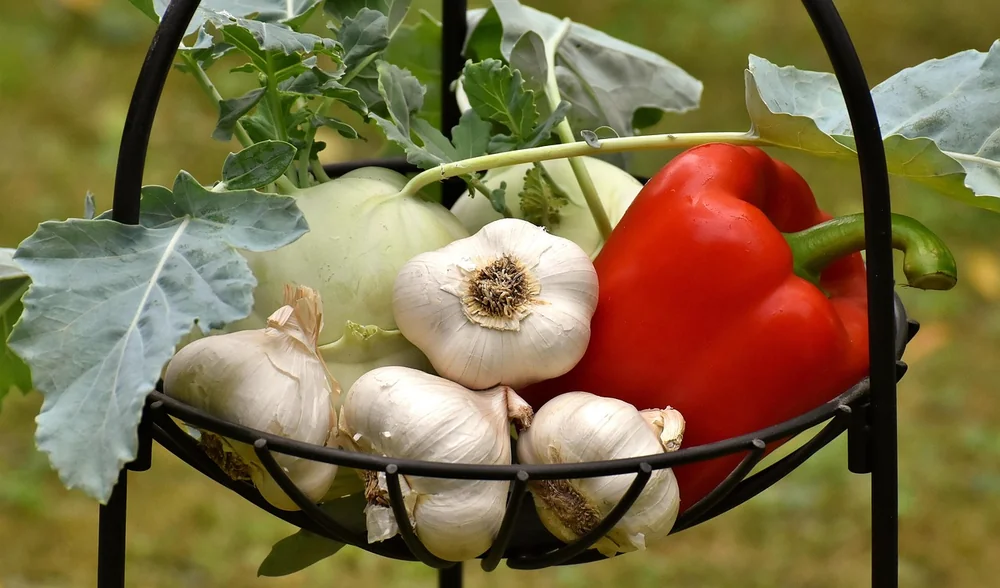
Cool-season vegetables are the stars of a March garden. Crops like lettuce, spinach, peas, and carrots can be direct-sown now because they thrive in the cool soil and air temperatures typical of early spring in Yolo County. Direct sowing simply means planting seeds right into your garden beds rather than starting them indoors. For the best results, prepare your soil by loosening it to about six inches deep and mixing in some compost. Sow seeds at the depth recommended on the packet — usually about twice the seed’s width — and keep the soil consistently moist. You can also try succession planting: sow a short row of lettuce or spinach every two weeks to enjoy a steady harvest well into early summer. Radishes, beets, and turnips are other excellent cool-season vegetables that grow quickly from direct sowing in March.
Warm-Season Vegetables to Start Indoors
While cool-season crops go straight outside, warm-season vegetables need a different approach. Tomatoes, peppers, and eggplants should be started indoors in March for transplanting after the last frost. Because they require warm soil and stable nighttime temperatures to thrive, starting them indoors gives them a head start of six to eight weeks. Use small pots or seed trays filled with a lightweight seed-starting mix, place them in a bright windowsill or under grow lights, and keep the soil warm — around 70°F is ideal. March is also an ideal time to start annual and perennial summer flower seeds for transplanting later, so consider doubling up your indoor setup with a few flower varieties like zinnias or cosmos. As the weather warms, consult your Yolo County planting calendar for the recommended transplanting window, and be sure to harden off your seedlings gradually before moving them outside. With this indoor-start strategy, your garden will be ready for a long, productive warm season.
Soil Preparation and Fertilization for March Vegetable Beds
With your seedlings nearly ready to move outdoors, now is the time to prepare the ground that will support them. Healthy soil is the foundation of a productive vegetable garden, and March is the ideal moment to amend and fertilize before planting begins. Taking care of this step now sets the stage for strong roots, vigorous growth, and a generous harvest later in the season.
Testing and Amending Soil pH
Before adding any amendments, it is wise to check your soil’s pH. Most vegetables grow best in slightly acidic to neutral soil, where nutrients are most available to plant roots. Simple test kits are easy to use and give you a clear picture of what your beds need. If the pH is off, you can adjust it with lime for acidity or sulfur for alkalinity. Getting this balance right early in the season is a practical step that pays off all summer long.
Compost Application and Nitrogen Balance
A spring application of compost or fertilizer benefits most plants, but it is important to keep nitrogen in check. Excess nitrogen encourages leaf growth over fruit or bloom, which means you get plenty of green foliage but fewer tomatoes, peppers, or squash. For your March vegetable planting, aim for a balanced soil amendment that feeds your plants steadily without pushing them into leafy overdrive. Well-rotted compost is a budget-friendly and low-maintenance choice that improves soil structure while providing gentle nutrition.
Managing Deep-Rooted Weeds Before Planting
Weeds like convolutus and Bermuda grass have deep root systems that require persistent removal. These tough perennials will compete with your vegetables for water and nutrients all season if left unchecked. Take time now to pull them out by hand or use a garden fork to lift their roots. It is much easier to tackle them before your beds are planted, and a little effort in March saves hours of weeding later. Clean beds mean less competition and more energy for your vegetables to thrive.
Frost Dates and Indoor vs. Direct Sowing Decisions
Now that your beds are clean and ready, it is time to think about what to plant and how. Knowing Yolo County’s average last frost date helps you decide whether to start seeds indoors or sow directly in March. This simple piece of information can make the difference between a thriving garden and one that gets zapped by an unexpected cold snap.
Calculating Your Local Frost Date
Yolo County’s last spring frost typically occurs in mid-to-late March, but this can vary by microclimate. Areas closer to the Delta may stay cooler longer, while inland spots warm up sooner. To find your exact date, check with your local extension office or a trusted gardening group. Mark that date on your calendar — it is your green light for tender crops. Until then, keep an eye on the forecast. A sudden dip below freezing can still happen, so be ready to cover young plants if needed.
When to Start Seeds Indoors vs. Direct Sow
Starting seeds indoors gives you a head start on warm-season crops like tomatoes and peppers. It also protects them from late frosts. For these plants, sow seeds indoors about six to eight weeks before your last frost date. Use a sunny windowsill or a simple grow light setup. Once the soil warms up, you can transplant sturdy seedlings outside. On the other hand, cool-season crops such as peas, spinach, and carrots prefer direct sowing. They tolerate light frost and do not transplant well. Simply sow them directly into the garden bed as soon as the soil is workable in March. March is also an ideal time to start annual and perennial summer flower seeds for transplanting. This gives your flower beds a jump start alongside your vegetables. By matching your method to the crop and your local frost date, you set your March vegetable planting up for success.
Watering, Irrigation, and Mosquito Management in March
Now that your vegetable beds are planned and planted, it’s time to think about how you’ll keep them hydrated—and what unwanted visitors that water might attract. March rains and warming temperatures create ideal conditions for both vegetable growth and mosquito breeding, so managing water wisely is key. After each spring shower, take a quick walk around your garden and remove any standing water. Water left in saucers, buckets, clogged gutters, or even in the folds of tarps becomes a perfect nursery for mosquitoes.
The primary mosquito species that carries West Nile Virus in many areas is Culex tarsalis, and its life cycle depends on water. Eggs hatch into larvae, which develop into pupae, and finally emerge as adults—but the first three stages all happen in still water. Female mosquitoes need a blood meal to produce eggs, so reducing the number of places they can lay eggs is a direct way to lower the population around your home. By cutting off mosquito breeding sites, you’re not just making your garden more pleasant—you’re also protecting your family from health risks like West Nile Virus.
Preventing Mosquito Breeding in Garden Water Sources
Your March vegetable planting efforts can include smart irrigation management that keeps plants happy without leaving puddles. Drip irrigation or soaker hoses are ideal because they deliver water directly to the soil and avoid splashing water onto leaves or creating pools. If you use overhead watering, do it in the morning so surfaces dry out during the day. Also check that your rain barrels have tight screens on openings—mosquitoes can breed in as little as a teaspoon of water. Empty and scrub birdbaths, pet water bowls, and any garden toys that collect rain at least once a week.
Reporting Dead Birds to Health Officials
One additional way to help monitor mosquito-borne diseases is by reporting dead birds to your local health department. In areas like Yolo County, health officials track West Nile Virus by collecting and testing dead birds, especially crows and jays. If you find a dead bird in your yard that shows no signs of injury, contact your county’s vector control or health office for instructions. This simple step supports community-wide efforts to control mosquito populations and keep your garden—and neighborhood—safer through the growing season.
Pest Management and Disease Prevention for March Vegetables
Just as you take steps to control mosquitoes, early spring is also the time to apply preventive measures against common vegetable pests and diseases that emerge with warmer weather. A little foresight now can save your crops from significant damage later.
Common Vegetable Pests in Early Spring
As soil warms and seedlings appear, pests such as aphids and slugs become active. Aphids cluster on tender new growth, sucking sap and potentially spreading viruses. Slugs hide in moist soil and emerge at night to chew ragged holes in leaves. For March vegetable planting, your best defense is prevention. Clear away plant debris and weeds where pests overwinter. Encourage natural predators like ladybugs and ground beetles by adding flowers such as dill or alyssum nearby. If you spot aphids early, a strong spray of water from the hose can dislodge them without chemicals.
Disease Prevention Through Timing and Care
Many fungal and bacterial diseases spread in cool, damp spring weather. Good airflow between plants is key, so space your vegetables according to seed packet instructions. Avoid overhead watering in the evening, which leaves leaves wet overnight and invites disease. One common preventive tool is dormant oil spray, which smothers overwintering pest eggs. However, remember that dormant oil spray should not be used after bud break as it can damage foliage and affect pollinators. For March vegetable planting, apply it only while trees and shrubs are fully dormant.
Timing also matters for pruning. If you have fruit trees near your vegetable garden, a word of caution: apricot and cherry pruning should wait until summer to avoid infection from fungal and bacterial diseases. In March, these trees are vulnerable to pruning wounds, so hold off until hot, dry weather lowers the risk. By combining the right pest prevention with careful disease prevention, your March vegetable planting will get off to a strong, healthy start.
Frequently Asked Questions
How can I prepare my vegetable garden soil in early spring?
Start by clearing away any winter debris and weeds from your beds. Then loosen the soil with a garden fork to improve aeration and drainage. Mix in a generous layer of well-rotted compost or aged manure to add nutrients. This simple prep gives your March vegetable planting a strong foundation.
Should I start vegetable seeds indoors or sow them directly outside?
It depends on the crop and your climate. Hardy vegetables like peas and spinach can go directly into the ground in March, while tender plants such as tomatoes and peppers benefit from a head start indoors. Starting seeds inside gives you more control over warmth and moisture, which can lead to stronger seedlings. For a balanced March vegetable planting, try both methods.
Do I need to worry about frost when planting vegetables in March?
Frost is still a real possibility in many areas during March. Keep an eye on local forecasts and be ready to protect tender young plants with cloches or row covers if a frost is predicted. Hardy vegetables like kale and onions can handle a light freeze, but it’s always wise to have a plan. Being prepared lets you enjoy your March vegetable planting with peace of mind.