What Makes a Plant Glow on Its Own
Imagine stepping into your garden at dusk and seeing a soft greenish light radiating from a flower bed. That is not a scene from a science fiction movie. It is a real plant you can grow at home. The Firefly petunia represents a genuine breakthrough in horticulture and synthetic biology. Unlike novelty items that rely on phosphorescent paint or battery-powered LEDs, this plant produces its own light through natural metabolic processes. The glow comes from genes borrowed from a bioluminescent mushroom called Neonothopanus nambi. Scientists at Light Bio integrated these genes into the petunia genome, creating the first commercially available living organism that emits visible light without external power.
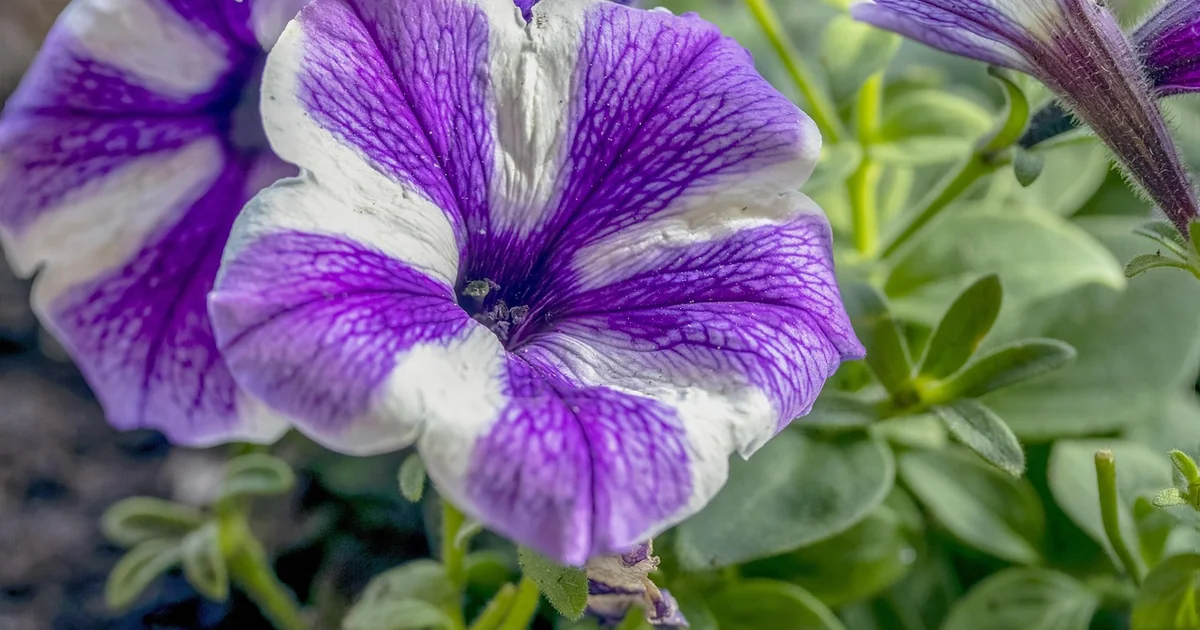
For anyone searching for reliable firefly petunia sources, the good news is that several options now exist. The plant launched in 2024 and quickly captured the attention of gardeners, science lovers, and curious homeowners alike. During daylight hours, the Firefly petunia looks like an ordinary white petunia. But when darkness falls, it transforms into something extraordinary. The brightest light appears in young buds and the tips of new growth, giving the plant an ethereal, moonlight-like quality. This article walks through five trusted places to acquire one, along with everything you need to know about caring for it and experiencing its full glow.
Five Trusted firefly petunia sources
Because the Firefly petunia is a bioengineered organism, it is not available at every garden center or big-box retailer. The United States Department of Agriculture regulates its distribution, so only authorized channels can sell it. Below are five dependable ways to bring this living lantern into your home.
1. Light Bio Official Website
The most direct firefly petunia source is the developer itself. Light Bio sells the original white-flowering variety through its own online store. When you order from the company, you receive a live plant that has been grown under controlled conditions to ensure it expresses the bioluminescent trait reliably. Shipping is handled with care to keep the plant healthy during transit. The website also provides detailed care guides and responsive customer support. If you want the authentic experience straight from the lab, this is your best starting point.
2. Trial Pink Petunia by Light Bio
Light Bio also offers a pink-flowering variant called the Trial Pink Petunia. According to the company, this version produces about two to three times more biomass than the standard white type, which means more leaves, stems, and buds to emit light. The blooms themselves are a soft pink during the day, adding ornamental appeal even before the sun goes down. This option appeals to gardeners who want both color and bioluminescence. It is available exclusively through Light Bio’s website and ships as a live plant just like the original.
3. Firefly Petunia with Ceramic Pot
Some authorized sellers package the Firefly petunia with a decorative ceramic pot. This is a convenient option for people who plan to display the plant indoors or on a patio. The pot is designed to complement the plant’s modern, almost futuristic aesthetic. Buying a bundled set also simplifies the process because you do not need to search for a separate container with proper drainage. This source is ideal for gift-givers or anyone who values a polished presentation from the moment the plant arrives.
4. Firefly Petunia Mini 3-Pack
Another authorized offering is the mini 3-pack, which contains three smaller Firefly petunia plants. This option suits gardeners who want to experiment with placement or create a small glowing cluster on a windowsill, balcony, or garden bed. Because the plants are smaller, they cost less per unit than a single mature specimen. The 3-pack also allows you to compare how different light conditions affect the glow intensity across multiple plants. If one plant does not thrive in a particular spot, you can move the others to better locations without losing your entire investment.
5. Authorized Partner Nurseries and Specialty Retailers
Light Bio partners with select nurseries and specialty plant retailers that meet strict handling and labeling requirements. These partners are listed on the Light Bio website and occasionally appear at plant trade shows or through online plant marketplaces. Buying from an authorized partner gives you the same genetically verified plant you would get from Light Bio, often with the added benefit of local shipping or in-person pickup. If you prefer to see the plant before purchasing or want to avoid shipping delays during extreme weather, this channel offers a practical alternative. Always verify that the seller is listed as an authorized distributor, because unauthorized sellers may offer counterfeit or mislabeled plants that do not actually glow.
The Science Behind the Light
Understanding how the Firefly petunia produces its glow helps you appreciate why it is different from anything else on the market. The key ingredient is an enzyme called luciferase, which comes from the bioluminescent mushroom Neonothopanus nambi. In the mushroom, this enzyme reacts with a molecule called luciferin to emit light. Light Bio’s scientists inserted the genetic instructions for both the enzyme and the substrate into the petunia genome. The plant’s own metabolism then produces the luciferin and the luciferase, making the light self-sustaining as long as the plant is healthy.
The color of the glow is a soft greenish-white, similar to moonlight filtered through a thin cloud. The intensity is subtle rather than blinding. In a completely dark room after your eyes have adjusted for five to ten minutes, the light becomes clearly visible. You can trace the veins in the leaves and see the outline of each flower. The glow is brightest in young tissues because those cells are metabolically most active. As the plant ages, older leaves and stems produce less light, but regular pruning encourages fresh growth that maintains the luminosity.
How to Experience the Glow at Its Best
Getting the full effect from your Firefly petunia requires a little preparation. The human eye needs time to adapt to low light levels. If you walk into a brightly lit room and then look at the plant, you will barely see anything. Turn off all lights, close the curtains, and wait several minutes. The glow will gradually become more apparent as your rod cells in the retina become more sensitive. Avoid placing the plant near streetlights, security lights, or even bright electronic displays, because ambient light pollution will wash out the subtle bioluminescence.
The time of night also matters. The plant does not have an internal clock that dictates when it glows, so it emits light constantly as long as it is metabolically active. However, the darkest part of the night, typically between midnight and dawn, offers the best viewing conditions in outdoor settings. Indoors, a windowless bathroom or a closet can create the perfect darkroom experience. Some owners place the plant on a coffee table and turn off the lights for a few minutes after dinner to enjoy the show with guests. The effect is especially striking when the plant is placed against a dark background, such as a black wall or a shadowy corner.
Caring for a Bioluminescent Petunia
The Firefly petunia requires the same basic care as any standard petunia, with one important difference: the healthier the plant, the brighter the glow. Neglecting water, light, or nutrients will dim the bioluminescence noticeably within a few days. Following these care guidelines will keep your plant shining at its full potential.
You may also enjoy reading: Soaring Prices? Try These 3 Fertilizer Alternatives.
Light and Sun Exposure
Petunias are sun-loving plants, and the Firefly variety is no exception. It needs at least six to ten hours of direct sunlight each day to photosynthesize enough energy to sustain both normal growth and light production. In outdoor settings, place it in a south-facing bed or on a sunny deck. Indoors, put it in a south-facing window or under a full-spectrum LED grow light positioned about six inches above the top leaves. Without adequate light, the plant will become leggy, produce fewer blooms, and emit a noticeably dimmer glow.
Soil Moisture and Drainage
Well-draining soil is essential. Petunias hate having wet feet, so the potting mix should allow excess water to flow freely out of the bottom. A standard peat-based potting soil mixed with perlite or vermiculite works well. Water when the top inch of soil feels dry to the touch, which usually means every one to two days during warm weather. Do not let the soil dry out completely, because wilting stresses the plant and reduces glow intensity. At the same time, avoid leaving the pot sitting in a saucer of water, because root rot will kill the plant quickly.
Feeding Schedule for Bright Blooms
Producing light is energetically expensive for the plant. To support both flowering and bioluminescence, apply a balanced fertilizer with an N-P-K ratio around 20-20-20 every one to two weeks during the growing season. Dilute the fertilizer according to the package instructions, and water the soil thoroughly before and after application to prevent root burn. If you notice the leaves turning pale or the glow fading despite adequate light and water, a nutrient deficiency is likely the cause. A liquid fertilizer designed for flowering annuals will also work well.
Temperature and Protection
Firefly petunias thrive in temperatures between 65 and 85 degrees Fahrenheit, which is about 18 to 30 degrees Celsius. They are not frost-tolerant at all. If you keep your plant outdoors, bring it inside when nighttime temperatures are forecast to drop below 50 degrees Fahrenheit. Indoors, keep it away from cold drafts near windows and from heat vents that can dry out the flowers and leaves. A stable, warm environment keeps the metabolic reactions running efficiently, which directly supports brighter light emission.
Pruning to Promote New Growth
Because the brightest light comes from young buds and growing tips, regular pruning is one of the most effective ways to maintain a vivid display. Deadhead spent flowers by pinching them off at the base of the stem. Trim back leggy stems to encourage branching. Every two to three weeks during the active growing season, remove any old or yellowing leaves. The plant will respond with a flush of new shoots that glow more intensely than the older growth. If the plant becomes too large, you can cut it back by up to one-third without harming it.
Frequently Asked Questions About the Firefly Petunia
Can I grow it indoors under regular lights?
Yes, but the light source matters. Standard incandescent bulbs do not produce the right spectrum for photosynthesis. Fluorescent tubes or LED grow lights that emit full-spectrum light work much better. Place the light within six to twelve inches of the plant and run it for twelve to sixteen hours per day. A south-facing windowsill supplemented with a small LED panel is a reliable indoor setup. The glow will be most visible after the lights have been off for at least ten minutes, so plan your viewing time accordingly.
Why are these plants sold only as live specimens?
The Firefly petunia is a genetically engineered organism, and its sale is regulated by the USDA. Seeds are not available because the company wants to maintain control over the genetic line and ensure that only verified plants reach consumers. Seeds from a Firefly petunia would not necessarily produce glowing offspring, because the bioluminescent trait is complex and may not pass reliably to the next generation through sexual reproduction. Live plants also guarantee that the buyer receives a specimen that has already expressed the glow trait, so there is no guesswork involved.
Is the light strong enough for reading?
No, the light is subtle and ambient, similar to a small nightlight. You cannot read a book or see fine details by the glow of a single plant. However, if you group several plants together, the combined light becomes more noticeable. The real beauty of this plant is not utility but wonder. Watching a living organism emit its own light is a quiet, meditative experience that reminds us of the creativity found in nature and biotechnology alike.
A Living Conversation Piece for Your Home
The Firefly petunia has sparked conversations at dinner parties, inspired science lessons for children, and brought a sense of magic to ordinary patios. It bridges the gap between cutting-edge science and everyday gardening. As more people discover reliable firefly petunia sources, the plant is likely to become a staple for anyone who loves novelty, beauty, and the thrill of growing something truly unique. Whether you order directly from Light Bio, choose the pink variant, pick up a ceramic pot bundle, grab a mini 3-pack, or find an authorized partner nursery, you are investing in a piece of horticultural history. Give it plenty of sun, water it consistently, feed it regularly, and prune it often, and it will reward you with a soft green glow that turns your home into a living constellation.