You step back to admire your flowerbed, but your eye snags on a bare patch of soil. It is a minor thing, perhaps a foot wide, but it feels like a missing puzzle piece. It invites weeds. It looks dry. It haunts the perfectionist gardener. I have been there more times than I can count. The fastest way to fix this, in my experience, is to stop trying to fill it with a single large plant that will look awkward for years, and instead use a fast-spreading, low-growing perennial that will knit the space together beautifully.

There is a fine line between a garden that feels beautifully full and one that has a slightly unfinished look. The best fast growing perennials do three things exceptionally well: they soften harsh edges, they suppress weeds before they get a chance to settle, and they fill those awkward gaps with reliable flowers and foliage that returns year after year. So, which ones to pick? Here are five tiny but hardworking perennials that are sure to make a big splash in your landscape.
Why Tiny Fast Growing Perennials Are the Backbone of a Polished Garden
When it’s worth noting of a high-impact garden, we often picture large shrubs, dramatic ornamental grasses, or towering flowers like delphiniums. But the real magic often happens at ground level. Those small, bare patches between larger plants are prime real estate for weeds. They are also areas where soil moisture evaporates quickly, leading to dry, dusty spots that look unkempt.
This is where a well-chosen ground cover or low-growing perennial saves the day. The best fast growing perennials create a living carpet that cools the soil, blocks sunlight from reaching weed seeds, and provides a seamless transition between different elements of your landscape. They offer a high reward for very low effort. Unlike aggressive spreaders that can take over a garden bed, the plants on this list are well-behaved. They spread slowly enough to be controlled but quickly enough to make a visible difference in a single growing season.
5 Tiny Fast Growing Perennials That Bloom Quickly
1. Creeping Phlox (Phlox subulata)
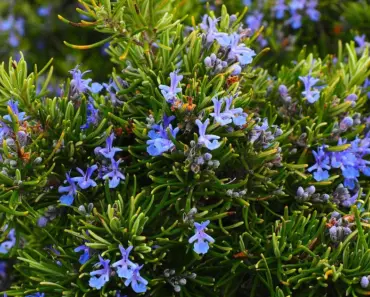
If you want dramatic spring color that also covers bare soil quickly, creeping phlox is difficult to beat. I especially love the Emerald Blue variety. It forms a dense mat of evergreen foliage that becomes completely smothered in soft lavender-blue flowers in mid to late spring. The color is so intense that it almost looks like a blanket of clouds has settled on your garden floor.
Creeping phlox is native to the rocky hillsides and open woodlands of the eastern United States, particularly the Appalachian region. This heritage explains its incredible toughness. It thrives in poor, gritty soil where other plants struggle and die. Personally, I think it looks best spilling over retaining walls and edging pathways. It softens any harsh lines and somehow makes everything feel a bit more intentional, as if a professional designer was involved.
Fast Facts:
- Where to Plant: Sunny borders, rock gardens, retaining walls, and sunny slopes to prevent erosion.
- Bloom Time: Mid to late spring.
- Spread: A mature mat can spread up to 2 feet wide within just 2 to 3 years.
- Care: Once established, it is remarkably drought tolerant and low-maintenance. Shear it back by about a third after blooming to keep it compact.
2. Sedum Little Miss Sunshine
Sedum has long been valued as one of those tiny fast-growing perennial flowers that gives serious bang for its buck. If you want to take things a step further, go for the aptly named Little Miss Sunshine. Its bright golden foliage makes it stand out long before its flowers even appear. It slowly spreads into cheerful mounds that brighten dry, rocky areas where many plants struggle to survive.
The Sedum genus is vast, containing over 400 species. The stonecrops, as they are commonly known, are famous for their ability to thrive in the most challenging environments. Many species are now used extensively in green roof installations because of their extreme drought tolerance and shallow root systems. Because Little Miss Sunshine stores water in its fleshy, succulent leaves, it copes surprisingly well during heatwaves and works brilliantly in gravel gardens or drought-tolerant planting schemes.
Fast Facts:
- Where to Plant: Rock gardens, gravel paths, dry borders, and containers.
- Bloom Time: Late summer to early fall, bridging the gap between summer and autumn.
- Care: It is one of those plants that quietly gets on with things without demanding much attention. Avoid overwatering and rich soil.
3. Hardy Geranium Max Frei (Cranesbill)
I think we can all admit that hardy geraniums are some of the hardest-working plants you can grow. Unlike the common annual geraniums (Pelargonium) that you buy in hanging baskets, hardy geraniums are true herbaceous perennials. They are incredibly cold-hardy and will return reliably for decades. Max Frei is one of my favorites for filling awkward little gaps. It produces vivid magenta-pink flowers en masse, which means it gradually spreads into a dense, weed-suppressing carpet without becoming overwhelming.
This particular cultivar is a robust German selection that has been a staple of perennial borders since the 1970s. Its deeply lobed foliage also turns attractive shades of crimson and orange in the fall, extending its ornamental interest well past the blooming season. Unlike fussier perennials, it is incredibly forgiving. It seems perfectly happy getting on with life even after a bit of accidental neglect, which is the gold standard for busy people who love a pretty garden.
Fast Facts:
- Where to Plant: Borders, under shrubs, filling gaps in cottage gardens, and naturalizing in light shade.
- Bloom Time: Late spring to early summer, with sporadic reblooms if sheared.
- Care: It is incredibly forgiving. Cut it back hard after the first flush of blooms to encourage fresh foliage and a second wave of flowers.
4. Dianthus (Pinks)
For long-lasting color in smaller spaces, dianthus is hard to beat. They are beloved for their frilly petals and surprisingly long blooming season, which makes them ideal for filling small bare patches without overwhelming nearby plants. Personally, I love that they also tend to have that distinctive spicy clove-like fragrance. The scent is so strong in some varieties that it was once used historically to flavor wine and ale. A cluster of dianthus planted near a walkway perfumes the air every time you pass by.
There are some incredible modern cultivars available that have dramatically improved the flowering timeframe. The Nature Hills Nursery Star™ Starburst Dianthus offers unique, eye-catching patterns on its petals that look like tiny fireworks. The Paint the Town Magenta Dianthus lives up to its name with a solid carpet of vibrant, saturated color. And the Everbloom™ Plum Glory Dianthus provides a rich, deep plum hue that adds a touch of sophistication to any border. These varieties are bred for extended bloom times and excellent cold hardiness.
You may also enjoy reading: 7 Perennials to Divide in May for Explosive Growth.
Fast Facts:
- Where to Plant: Front of borders, pathways, containers, and rockeries.
- Bloom Time: Late spring through summer, often with a heavy rebloom in early fall.
- Care: Prefers neutral to slightly alkaline soil. Deadheading spent flowers is essential for the longest bloom window.
5. Creeping Thyme (Thymus serpyllum)
If you want tiny fast-growing perennial flowers with an aromatic bonus, give creeping thyme a whirl. This fragrant herb forms a soft living carpet that fills gaps quickly. It is incredibly tough, tolerating poor soil, heat, and moderate foot traffic. When you walk on it, it releases an amazing herbal scent that makes every trip down the garden path a sensory experience.
There are hundreds of varieties of thyme, but Creeping Thyme (Thymus serpyllum) is the best choice for a fast-spreading ground cover. It is generally considered hardy from zones 4 through 9, making it suitable for a wide swath of the United States. It produces masses of tiny pink, purple, or white flowers in early summer that literally cover the plant, creating a hazy cloud of color. It is the perfect choice for planting between stepping stones, along pathway edges, or as a ground cover in sunny, well-drained areas. It is one of the few plants that benefits from being slightly neglected.
Fast Facts:
- Where to Plant: Paths, between pavers, herb gardens, sunny banks, and rock walls.
- Bloom Time: Early summer.
- Care: Tolerates poor, dry soil and moderate foot traffic. Its tiny leaves are edible, though slightly more medicinal in flavor than culinary thyme.
How to Design With These Fast Growing Perennials
To get the most out of these plants, think in layers. Use Creeping Phlox for the early spring show. As its blooms fade in late spring, the Dianthus and Geranium Max Frei will be hitting their stride. The Sedum Little Miss Sunshine will then carry the torch through the hottest months of late summer and early fall. This creates a continuous sequence of bloom that keeps the garden looking vibrant for months on end.
Mix them together in a dry, sunny border for a tapestry effect. Use them to edge a gravel path. Plant them on a slope to prevent soil erosion. Their ability to soften edges and suppress weeds makes them invaluable tools for any gardener. They also pair beautifully with taller plants like lavender, salvia, and echinacea, creating a layered look that draws the eye downward into the heart of the border.
Common Mistakes to Avoid With Tiny Ground Covers
While these plants are tough, there are a few common pitfalls that can prevent them from thriving. The number one mistake is planting them in soil that is too rich or too wet. These are plants that evolved in lean, fast-draining conditions. Too much moisture or fertility leads to floppy, lush growth and fewer flowers. They prefer soil that is on the drier side.
Another mistake is planting them in too much shade. They need at least 6 hours of direct sunlight a day to bloom profusely and form that dense, tight mat many love. Without enough sun, they will stretch out and become leggy, leaving the very gaps you were trying to fill. Finally, don’t forget to give them a haircut after they bloom. Shearing them back by about one-third after the main flush of flowers encourages them to produce a second wave of blooms and keeps their growth compact and tidy.
The goal of a beautiful garden is not to have every inch perfectly manicured, but to have a space that feels alive, lush, and complete. These five tiny fast-growing perennial flowers are the secret weapons that help you achieve exactly that. They work in the background, quietly filling the gaps, suppressing the weeds, and providing a continuous tapestry of color. So take a look at those empty spots in your garden. Imagine them covered in the lavender-blue of Phlox, the gold of Sedum, or the magenta of Geranium. It is a change that requires little effort but yields an immense reward for years to come.