A single brown paper bag, stuffed with yesterday’s newspaper and hung under the eaves, can accomplish what expensive sprays and traps often cannot. This low-tech approach works because of a simple biological truth: wasps are territorial. By crafting a convincing fake wasp nest, you send a clear signal to scouting queens. This area is taken. Move along.
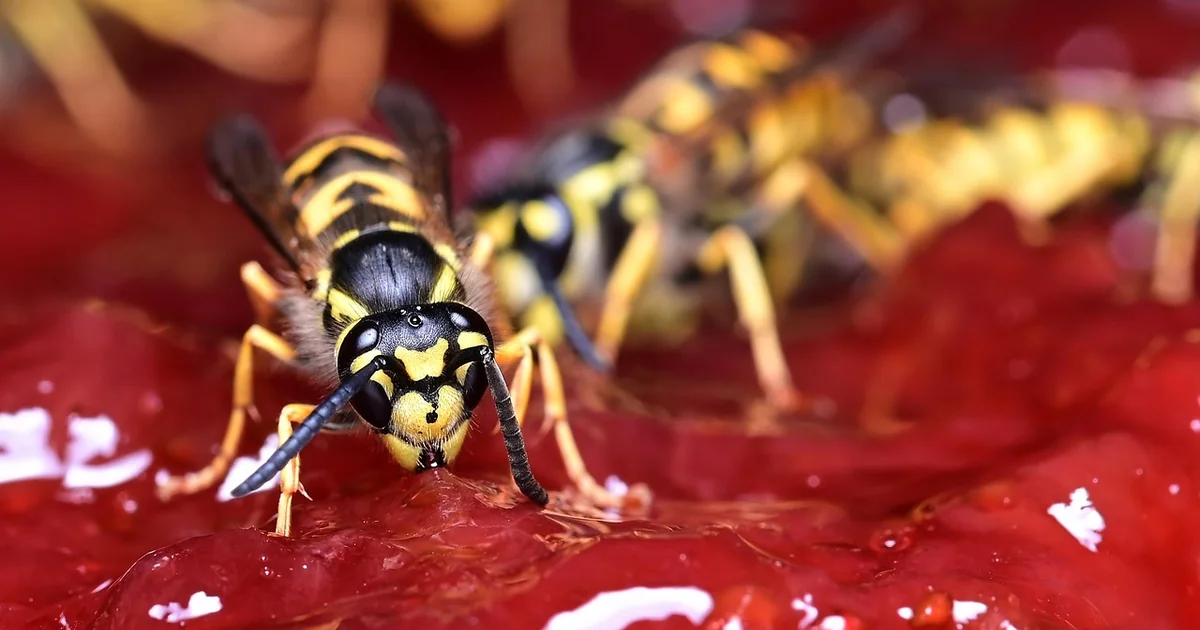
The method is almost laughably simple, yet it exploits a deep evolutionary programming that most social wasps cannot override. For anyone looking to enjoy a backyard barbecue, a quiet morning on the porch, or a children’s playdate without the hum and threat of stinging insects, this trick offers a first line of defense. It is not a cure for an active infestation, but it is a brilliant, zero-chemical preventative strategy.
5 Essential Paper Bag Tips for a Convincing Decoy
Success with a paper bag decoy comes down to execution. A flat, unloved bag thrown into a corner will convince nobody, least of all a wary wasp. These five tips will help you create a decoy that passes the visual inspection.
Tip 1: Master the Anatomy of Shape and Stuffing
A standard brown paper lunch bag, typically measuring about 5.5 by 10 inches, is the most common canvas. The shape you create matters more than the bag itself. You are aiming for an elongated oval or a teardrop profile. This mimics the nest of a bald-faced hornet, which is a very common and visually intimidating target.
Do not skimp on the stuffing. A flimsy bag with a single sheet of newspaper inside will look like a piece of trash. It needs to look full and occupied. Crumpled newspaper works well, but plastic grocery bags are better because they add some water resistance and hold their structure longer. Dry leaves from the fall garden can also be used in a pinch.
Fill the bag until it is firm. You want it to feel like a stuffed pillow. Tie the top tightly with a piece of jute twine or a rubber band, leaving a long tail of twine for hanging. The bottom of the bag should bulge out naturally. Give it a squeeze to create an irregular, lumpy surface. A perfectly smooth nest is unnatural. Wasps build in layers and patches.
Tip 2: Weather the Surface for Realistic Texture and Color
A brand-new brown paper bag is too clean. It has a glossy sheen and flat sides that scream “manufactured.” Before you hang it, you need to weather it. Scrunched it up in your hands firmly. Twist it like you are wringing out a wet towel. Roll it along the edge of a table to break the stiffness of the paper.
The goal is to create a surface that looks grayish, weathered, and distinctly papery. Many DIYers take this one step further by spray painting their decoy a flat battleship gray or a dusty beige. If you keep a garden, a very light dusting of soil or charcoal dust rubbed into the creases can help mute the bright brown color.
Why does this work? Wasps do not have high-resolution vision. Their compound eyes are excellent at detecting motion and contrast, but they are not great at fine detail. They react to silhouette, general texture, and size. An irregular, gray, papery blob hanging under an eave triggers the same territorial response as a real nest. It does not need to be a perfect replica. It needs to be a convincing silhouette. Some people even add horizontal pencil lines to suggest the layers of a real nest, which likely helps increase the contrast in the pattern.
Tip 3: Adhere to the March Deadline Relentlessly
This is the single most common point of failure. The timing window for this trick is frustratingly narrow. You must have your decoy in place before the queens begin their scouting flights. In most regions of the United States and Europe, this means late March or early April at the absolute latest.
Set a calendar reminder for the second week of March. Do not wait for the first warm weekend. If you see a single wasp flying slowly around your deck or inspecting the eaves of your house, your window is already closing. That wasp is a queen, and she is looking at real estate.
If you hang your fake wasp nest after she has already laid the foundation for her own nest, the decoy is largely useless. The queen will not abandon a nest she has already started building because of a bag you hung up. The workers that emerge later will simply investigate the bag, realize it is inert, and ignore it. Get it up early or do not bother with the method at all. It is a preventative strike, not a reactive solution.
You may also enjoy reading: 9 Easy Ways to Stop Woodpeckers & Protect Birds.
Tip 4: Prioritize Visibility and Shelter in Your Placement
Where you hang the decoy is almost as critical as when you hang it. The fake wasp nest needs to be visible to a wasp flying at eye level or higher, but it also needs to be protected from the elements. A spot under a porch eave is the classic choice. A pergola beam, the underside of a deck overhang, or a shepherd’s hook near the garden shed also works well.
You need to think in terms of deterrence radius. The 20-foot rule works in your favor here. One decoy typically protects a zone of about 20 feet in diameter. If you have a large patio, you may need two decoys spaced roughly 15 feet apart to create a strong barrier. Place them at the corners of the area you want to protect.
Avoid hiding the decoy behind a large pot or under dense foliage. If you cannot see it from your seating area, a wasp flying overhead definitely cannot see it. The decoy must be out in the open. If wasps have been a persistent problem near your front door, hang one decoy near the light fixture or on the porch ceiling. Target the specific corners where they tend to build. One bag per potential nesting zone is a good rule of thumb.
Tip 5: Plan for Replacement or Invest in a Durable Upgrade
A paper bag is not built to last a season. Rain, wind, and humidity will soften the paper, fade the color, and eventually cause it to sag. A sagging, wet decoy looks less like a wasp nest and more like a failed art project. You should plan to replace your paper bag decoy every 8 to 10 weeks during the active season.
However, convenience matters. For anyone who would rather not re-stuff a bag every spring, crocheted or fabric decoy nests are a fantastic investment. These are widely available from online marketplaces and craft stores. They hold their shape well, resist rain, and can be reused for several seasons. Crocheted nests often have a perfect irregular texture that looks very authentic to a wasp’s eyes.
I have also seen excellent results from readers who use burlap coffee sacks or thick craft felt. They stuff the fabric with the same materials, tie it off, and hang it. The fabric breathes but does not disintegrate as quickly as paper. If you are looking for a long-term solution that requires a one-time setup, a fabric decoy is a better choice than a paper lunch bag.
Common Mistakes That Ruin the Illusion
Even with good tips, many people fail to get results because of a few simple errors. Avoiding these pitfalls will dramatically increase your success rate with the fake wasp nest method.
- Hanging it too low to the ground. Wasps build nests high up to protect them from predators. A decoy hanging at shoulder height is not in the right visual field for a scouting queen. Hang it at least 7 or 8 feet high.
- Using a pristine bag. A crisp, flat bag looks like garbage or a practical joke. A wasp does not fear human litter. It fears another wasp colony. You must scrunch and weather the bag.
- Expecting it to kill an existing nest. This is the most critical misunderstanding. A decoy is a preventative tool. It is a no-kill solution. If you have an active nest with hundreds of workers buzzing in and out, a paper bag will do nothing. You need a different removal strategy for active nests.
- Clustering all decoys in one spot. Place them strategically around the perimeter of your yard or near the specific areas you want to protect. One decoy per zone works far better than three decoys on one corner of the porch.
The paper bag method is a testament to working with nature rather than against it. It is safe. It is incredibly cheap. It requires no chemicals. A few minutes of preparation in March can lead to a noticeably calmer summer. It is worth walking outside on a warm evening and not seeing a single scout wasp investigating your home. That quiet feeling is the measure of success for a well-placed decoy.