The Countertop Showdown: Quartz vs. Granite – A Family’s Guide
Both materials offer beauty, durability, and a significant upgrade to any kitchen or bathroom. However, they differ dramatically in their composition, appearance, cost, and maintenance. This article delves deep into the specifics, helping you understand the nuances of each material and ultimately make the best choice for your family’s lifestyle and budget. We’ll explore everything from the manufacturing process to long-term upkeep, providing you with the knowledge to confidently navigate this important renovation decision.
Composition: The Core Difference
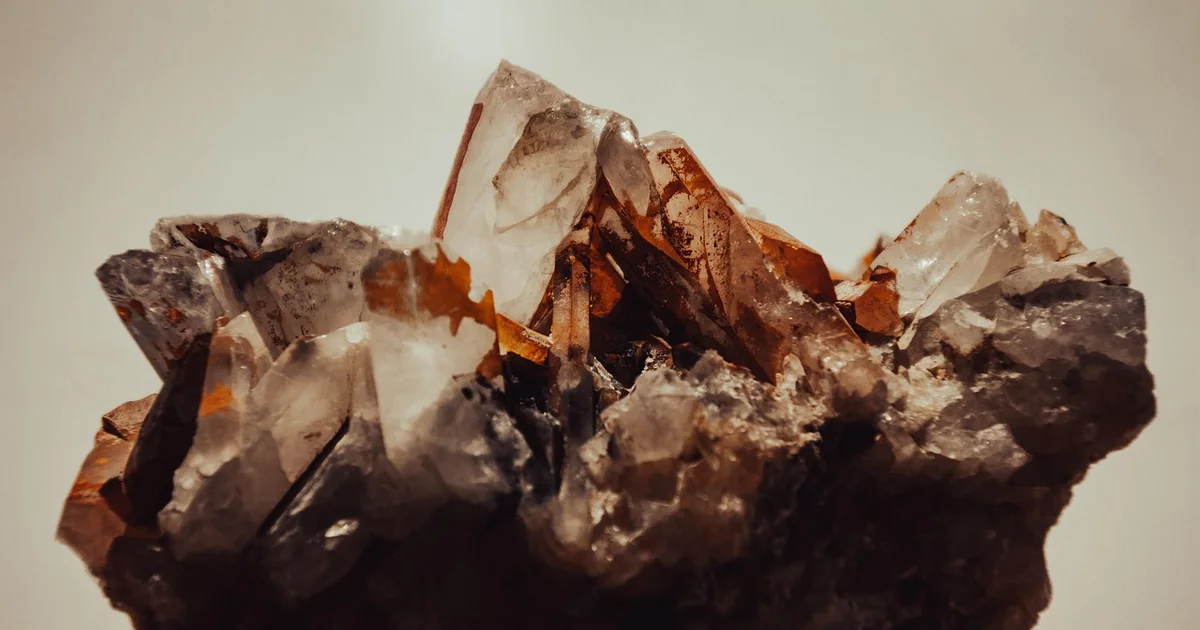
At their heart, the fundamental difference between quartz and granite lies in their origin. Granite countertops are made from 100% natural stone – specifically, igneous rock quarried directly from the earth. Think of them like giant slabs sliced from a mountain. The variations in color and pattern are entirely natural, a result of the minerals present within the stone. It’s this natural uniqueness that makes each granite slab a one-of-a-kind piece. Quartz, on the other hand, is an engineered stone. It’s created by combining crushed quartz crystals – typically around 90-95% – with resins, pigments, and polymers. While quartz itself is a naturally occurring mineral, the countertop is essentially a manufactured composite. This engineered approach allows for a far wider range of colors and patterns, often mimicking the look of natural stone with greater precision and consistency. Specifically, the resins act as a binder, holding the quartz chips together and giving the countertop its strength and stability. Interestingly, much of the quartz used in countertops comes from leftover stone byproducts – essentially, the scraps and dust generated during the production of other quartz products. This makes quartz a more sustainable option in terms of resource utilization compared to quarrying granite.
Granite’s Natural Charm and Potential Concerns
The enduring appeal of granite stems from its inherent beauty and the feeling of connecting with nature. Each slab boasts a unique veining pattern and color variations, making it a stunning focal point in any kitchen. However, this natural variation also presents a few potential challenges. Granite is a relatively porous stone, meaning it can absorb liquids and stains if not properly sealed. Regular sealing is essential to protect the surface from spills and maintain its appearance. The frequency of sealing depends on the granite’s porosity and the amount of use the countertop receives – typically every 1-2 years. Furthermore, granite may be susceptible to cracking under stress, especially if not installed correctly. It’s crucial to hire a professional installer experienced with granite to ensure proper support and prevent future issues. Another, less discussed concern relates to radon emissions. While the EPA states that radiation from granite countertops is unlikely to increase annual radiation doses above normal, natural background levels, it’s still a factor to consider, particularly for families with young children or those concerned about indoor air quality.
Quartz’s Consistent Beauty and Practicality
Quartz countertops offer a consistently beautiful aesthetic with a vast array of colors and patterns to choose from. From realistic marble imitations to bold, contemporary designs, quartz can seamlessly integrate into any kitchen style. Because it’s an engineered product, the color and pattern are uniform throughout the slab, eliminating the worry of mismatched veins or variations. The manufacturing process also contributes to its durability. Quartz is incredibly hard – second only to diamonds – making it highly resistant to scratches and chips. The resin component of quartz also makes it significantly more stain-resistant than granite, requiring minimal sealing and offering superior protection against spills and food stains. A crucial detail often overlooked is that quartz is produced at a significantly higher rate than granite. Quartz production is about 4.2 million square feet per year, while granite production is a fraction of that. This difference in production volume contributes to the price variations between the two materials.
Appearance: Veins vs. Variety
As previously mentioned, granite’s natural variation is its defining characteristic. The swirling patterns of color, often referred to as ‘veining,’ create a truly unique and luxurious look. This uniqueness is what many homeowners crave – a countertop that is undeniably special and reflects the character of their home. However, this same variability can be a drawback for some. The pattern can be unpredictable, and finding a slab that perfectly matches the design vision can be challenging. Quartz, on the other hand, provides a wider range of aesthetic choices. Manufacturers can precisely control the color and pattern of quartz countertops, offering an almost limitless selection. From subtle, neutral tones to bold, vibrant hues, quartz can replicate the look of natural stone or create entirely new designs. It’s important to note that while quartz can mimic natural stone, it doesn’t possess the same subtle depth and texture as genuine granite. Close inspection often reveals a slightly smoother, more uniform surface.
Emulating Nature: Quartz’s Design Capabilities
The ability to precisely replicate natural stone patterns is a significant advantage for quartz. Manufacturers can create countertops that convincingly mimic marble, granite, and other popular stone types. This allows homeowners to achieve the desired aesthetic without the inherent variability of natural stone. Furthermore, quartz offers the opportunity to create completely unique designs – patterns and colors that simply aren’t possible with granite. This design flexibility makes it a popular choice for modern and contemporary kitchens. The broader color palette of quartz also allows for bolder design statements, encouraging homeowners to experiment with color and texture in their kitchen spaces.
Cost: A Comparative Breakdown
Cost is a significant factor for most homeowners. While prices can fluctuate depending on location, material, and installation complexity, there’s generally a noticeable price difference between quartz and granite countertops. As of late 2024, quartz countertops typically range from $50 to $75 per square foot, installed. Luxury quartz designs with unique patterns and features can push prices upwards to $200 per square foot. Granite, on the other hand, generally costs between $40 and $100 per square foot, installed. Again, the price varies depending on the granite’s rarity and quality. It’s important to remember that these are just estimates, and it’s crucial to get quotes from multiple contractors before making a decision. Beyond the material cost, installation plays a significant role in the overall expense. Both quartz and granite require professional installation due to their weight and complexity. The installation cost can add another $10 to $30 per square foot, depending on the complexity of the job.
Hidden Costs: Beyond the Initial Price Tag
When considering the total cost of quartz or granite countertops, it’s essential to factor in additional expenses beyond the material and installation. Sealing granite requires ongoing maintenance and the cost of sealing products. Quartz countertops generally require less maintenance, but occasional cleaning with a mild detergent is still necessary. Furthermore, consider the cost of edge treatments, backlighting, and other design elements that can add to the overall project cost. For example, adding a bullnose edge to granite countertops, which softens the sharp edges, can increase the cost by approximately $5 to $10 per linear foot. Finally, factor in the cost of repair or replacement if damage occurs. While both materials are durable, they’re not indestructible, and repairs can be costly.
You may also enjoy reading: 7 Ways to Make Beautiful Wildflower Soap.
Environmental Impact: A Sustainable Choice?
Both quartz and granite have environmental impacts, although they differ in their origins and production processes. Granite, being a natural stone, is inherently sustainable – it’s extracted from the earth and doesn’t require extensive manufacturing. However, quarrying granite involves significant land disturbance and can contribute to habitat loss. The transportation of granite slabs also adds to its carbon footprint. Quartz, on the other hand, is an engineered product made from a combination of natural and synthetic materials. While it’s produced at a higher rate than granite, the manufacturing process does consume energy and generate waste. However, because quartz is made from leftover stone byproducts – the scraps and dust generated during the production of other quartz products – it’s considered a more sustainable option than granite in terms of resource utilization. Approximately 85% of the material used to make quartz countertops is recycled or leftover from other stone production. The environmental impact of both materials is a complex issue, and it’s important to consider the entire lifecycle of the product, from extraction to disposal.
DIY Suitability: A Professional’s Domain
Neither quartz nor granite countertops are suitable for do-it-yourself installation. Both materials are exceptionally heavy – even a relatively small 36-inch countertop can weigh close to 100 pounds. Handling and maneuvering these heavy slabs requires specialized equipment and expertise. Furthermore, proper support and alignment are crucial for ensuring the countertop’s stability and preventing cracking. Granite’s porous nature also requires precise sealing techniques that are difficult for amateurs to master. Quartz countertops are equally challenging to install due to their hardness and tendency to chip or crack if not handled with care. Attempting to install either material without professional assistance is highly discouraged and could result in costly repairs or replacements. It’s always best to hire a qualified contractor experienced with countertop installation to ensure a flawless and long-lasting result.
Maintenance: Keeping Your Countertops Looking Their Best
Proper maintenance is essential for preserving the beauty and longevity of both quartz and granite countertops. Granite requires regular sealing to protect it from stains and spills. The frequency of sealing depends on the granite’s porosity and the amount of use the countertop receives – typically every 1-2 years. Use a high-quality granite sealer and follow the manufacturer’s instructions carefully. Clean granite countertops with a mild detergent and water, avoiding abrasive cleaners that can damage the surface. Quartz countertops are much easier to maintain. They are resistant to stains and spills and require only occasional cleaning with a mild detergent and water. Avoid using abrasive cleaners or scouring pads, as these can scratch the surface. For stubborn stains, use a specialized quartz cleaner. Regular cleaning and maintenance will help keep your countertops looking their best for years to come.
Durability: A Battle of the Materials
Both quartz and granite are incredibly durable materials, making them excellent choices for high-traffic kitchens and bathrooms. Granite’s hardness makes it resistant to scratches and chips, but it’s susceptible to cracking under stress. Quartz is even harder – second only to diamonds – making it exceptionally resistant to scratches and chips. While quartz may become scorched when exposed to high heat, granite can withstand much higher temperatures than quartz. However, both materials are prone to cracking if not installed correctly or if subjected to excessive force. Proper installation and careful handling are crucial for maximizing their durability. Ultimately, both materials provide long-lasting performance, but quartz offers a slight edge in terms of scratch and chip resistance.
Concluding Note: Ultimately, the best choice between quartz and granite countertops depends on your individual needs, preferences, and budget. Carefully consider the factors discussed in this article – composition, appearance, cost, environmental impact, DIY suitability, maintenance, and durability – to make an informed decision that will enhance your home for years to come. Don’t rush the process; taking the time to research and compare your options will ensure you select the perfect countertops for your family’s lifestyle.