That rhythmic hammering against your siding isn’t a construction crew. It is a woodpecker, and it has decided your home is a prime real estate for finding food, attracting a mate, or carving out a new nesting cavity. During peak season, typically March through June across most of the United States, these persistent birds can cause significant damage to wooden structures. The good news is that you can discourage them without causing any harm. Because all woodpeckers are protected under the North American Migratory Bird Act, intentionally capturing or harming them is illegal without a federal permit. However, you are permitted to use humane deterrents. Acting quickly is the best way to stop woodpecker damage before it becomes a costly repair issue. Below are nine practical, easy-to-implement strategies that will protect your home while keeping these fascinating birds safe.
Understanding Why Woodpeckers Target Your Home
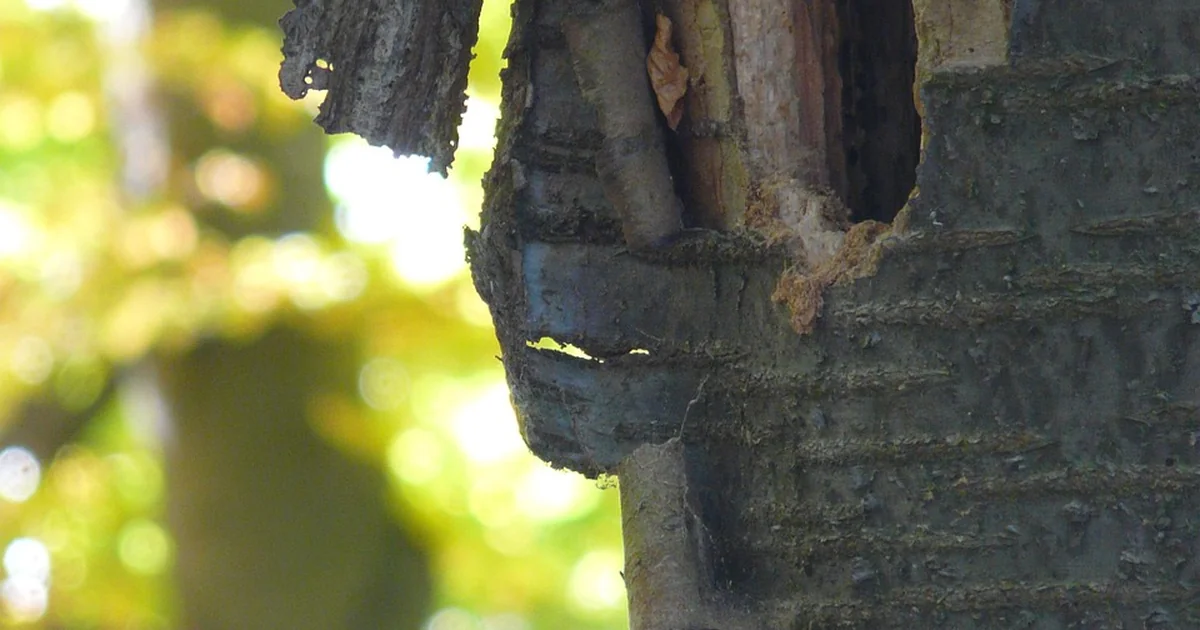
Before you start implementing solutions, it helps to understand the motivation behind the pecking. Woodpeckers drill into wood for three primary reasons. First, they are foraging for insects like ants, beetles, or carpenter bees living beneath the surface. Second, they are drumming to establish their territory and attract a mate, a behavior that creates loud, rhythmic tapping on resonant surfaces. Third, they are excavating a cavity for nesting or roosting. Identifying the specific behavior you are witnessing will help you choose the most effective deterrent.
Nine Humane Strategies to Stop Woodpecker Damage
These nine methods range from simple visual tricks to physical barriers. Most homeowners find success by combining two or three of these approaches simultaneously.
1. Install Shiny or Reflective Materials
Woodpeckers are naturally cautious of predators. Flashes of bright, unexpected light signal danger to them. You can exploit this instinct using common household items. Hang strips of aluminum foil, old pie tins, or reflective bird scare tape from the eaves near the affected area. The tape, often made from holographic mylar, moves in the wind, creates a rustling noise, and throws off sharp glints of sunlight. These visual disturbances disorient the bird and encourage it to find a quieter location. Place these materials directly over previously pecked holes or along the roofline where the bird lands.
2. Set Up a Motion-Activated Water Hose
Birds do not enjoy unexpected showers. A motion-activated sprinkler connected to your garden hose provides a harmless but startling blast of water whenever a woodpecker approaches. The sudden spray interrupts the bird’s focus and teaches it that your home is an unpleasant place to land. These devices are particularly effective because they provide persistent, automated deterrence even when you are not home. Leave the sprinkler in place for several weeks to ensure the bird has moved on to a new territory. A study from the Cornell Lab of Ornithology notes that motion-based deterrents have a higher success rate than static ones because they prevent the bird from becoming desensitized.
3. Use Sound and Movement
Woodpeckers have natural predators, including hawks and falcons. You can mimic this threat using simple props. Cut a silhouette of a hawk from stiff cardboard or wood and hang it from the eaves with fishing line so it sways and spins in the breeze. The movement creates the illusion of a hunting bird. For immediate results, step outside and bang pots and pans together or play a recording of a hawk call. Loud, abrupt noises signal danger. It is important to note that stationary decoys, like plastic owls, quickly lose their effectiveness. Woodpeckers are intelligent and will ignore a non-moving threat after a few days. Movement is the critical factor here. Flags, windsocks, and helium balloons tied near the damage zone also create constant motion that keeps the birds wary.
4. Seal Holes and Crevices With Putty
Small, shallow rows of holes on your siding indicate a woodpecker is foraging for insects. Those holes are an invitation for further damage. Fill them immediately with exterior-grade epoxy putty or wood filler. By sealing the holes, you remove the scent and visual cues that attracted the bird in the first place. However, this step also addresses the root cause. If a woodpecker is consistently drilling in one spot, you likely have an insect infestation within that section of siding. Before filling the holes, inspect the area for signs of ants, termites, or carpenter bees. If you suspect a pest problem, contact a licensed exterminator to treat the infestation. Removing the food source is the most permanent way to stop woodpecker damage related to foraging.
5. Install Bird Netting
Bird netting is one of the most reliable physical barriers you can use. It is a lightweight mesh that prevents woodpeckers from landing on your siding or eaves. To install it correctly, attach the netting to the underside of the eaves and let it drape down. It must hang at least three inches away from the exterior wall. This gap prevents the bird from reaching the wood through the mesh. Secure the sides and bottom of the netting tightly with hooks or staples so that no gaps remain. A loose net can trap birds or other small animals, which is a dangerous outcome you want to avoid. Properly installed netting is nearly invisible from a distance and offers full-season protection.
You may also enjoy reading: 7 Front Porch Items Designers Always Buy at Thrift Stores.
6. Install a Nest Box
If a woodpecker has started excavating a large, round hole beneath your eaves, it is likely building a nest. Eaves provide the sheltered, sloping surface these cavity-nesting birds prefer. Once a bird begins nesting, it becomes very persistent. Filling the hole while a bird is inside is illegal and inhumane. The best approach is to provide a better alternative. Purchase a woodpecker nesting box designed for the species in your area, such as a Northern Flicker or Pileated Woodpecker box. Mount the box on a nearby tree or a pole at least ten feet off the ground. Position it so the entrance hole faces away from your house. If a suitable cavity is available elsewhere, the bird will abandon its excavation of your siding.
7. Install Woodpecker Feeders
This strategy might sound counterintuitive, but feeding woodpeckers can actually protect your home. By providing a reliable, easy source of food, you reduce their motivation to drill into your siding for insects. Set up a specialized woodpecker feeder filled with suet cakes, black oil sunflower seeds, peanuts, or mealworms. Place the feeder at least fifteen feet away from your house, preferably near a tree or wooded area. This draws the bird away from your structure and into a more natural feeding zone. Once the birds establish a routine at the feeder, they often stop viewing your home as a food source entirely. This method is particularly effective during the spring breeding season when parents are foraging for hungry chicks.
8. Leave Stumps or Snags
Woodpeckers naturally prefer dead or dying trees for foraging and nesting. These trees, called snags, are soft and full of insects. If you have removed every dead tree and stump from your property, you have eliminated the birds’ natural habitat, inadvertently driving them toward your house. Consider leaving a dead tree or a large stump standing in a safe location away from structures. If a dead tree poses a safety risk, you can also install a wooden post or a large log specifically for the woodpeckers. This provides a legal and ethical alternative drilling site. Approximately 37% of woodpecker foraging occurs on dead wood in natural settings. Giving them that option can dramatically reduce pressure on your home.
9. Choose Paint Instead of Stain
The finish on your home’s exterior matters more than most homeowners realize. Woodpeckers are attracted to bare wood and stained surfaces because stains soak into the wood grain without sealing the surface. Paint, on the other hand, forms a hard, protective film that closes tiny cracks and crevices. This makes it much harder for woodpeckers to grip the surface and find insects. Light-colored paint is particularly effective because it reflects more sunlight, making the surface feel warmer and less inviting to insects. If you are planning to re-side your home or repaint, choose a high-quality exterior paint. This simple maintenance step can prevent future infestations and is a long-term investment in protecting your home.
When to Call a Professional
Most woodpecker problems can be solved with the methods listed above. However, some situations require expert help. If you have tried multiple deterrents for several weeks and the damage continues to escalate, it may be time to call a wildlife control specialist. A professional can assess the situation, identify the specific species of woodpecker, and recommend advanced exclusion techniques. Additionally, if you suspect a significant pest infestation inside your walls, an exterminator should handle that problem before you seal any holes. Remember, persistence is key. Woodpeckers are determined birds, but they are also creatures of habit. Once you make your home consistently uncomfortable and unproductive for them, they will move on to a more suitable location.