You open the package from the online nursery, or you pull out the bag of tubers you saved from last autumn. The moment of truth arrives: are these lumpy, brown roots still alive, or are they destined for the compost heap? Every gardener who has ever planted a dud dahlia knows the disappointment of waiting weeks for a sprout that never comes. The solution is simple, but it requires one crucial action before you put a single tuber into the ground. That action is a thorough check of dahlia tuber viability. This single assessment can save you time, money, and garden real estate, ensuring that every hole you dig holds genuine potential for those dramatic, colorful blooms.
Why Checking Dahlia Tuber Viability Matters More Than You Think
Dahlias are not cheap plants. A single tuber from a reputable supplier can cost several dollars, and a collection of specialty varieties quickly adds up. Beyond the financial side, there is the emotional investment. You plan your garden layout, prepare the soil, and anticipate the display. Planting a non-viable tuber means that patch of ground is wasted for the entire season. It might rot, attract pests, or simply sit there doing nothing while neighboring plants thrive. That is why understanding dahlia tuber viability is the most important skill for any dahlia grower.
Many gardeners mistakenly assume that a firm-looking tuber is automatically good to go. In reality, a tuber can appear healthy on the outside but lack the essential component for growth: a crown with an eye. This is especially common with tubers that have been jostled during shipping, handled roughly at a garden center, or stored in less-than-ideal conditions. A study by the Royal Horticultural Society noted that up to 15% of dahlia tubers purchased online may fail due to physical damage incurred during transit. That is a significant loss, but one that can be avoided with a quick pre-planting health assessment.
The Anatomy of a Viable Dahlia Tuber
Before you can conduct a viability check, you need to know exactly what you are looking at. A dahlia tuber is not a root in the traditional sense. It is a storage organ, packed with starches and nutrients that fuel the first burst of growth in spring. Every viable tuber has three distinct parts:
- The body: the plump, fleshy portion that stores energy. It should feel firm to the touch.
- The neck: a narrower section connecting the body to the crown. This is the most fragile area and often breaks during handling.
- The crown: a knobbly, woody-looking structure at the top of the neck. The crown is where the growth points, called eyes, appear. Without an intact crown, the tuber is dead.
The eyes themselves are small bumps that resemble warts or pimples. In a dormant tuber, they are the same color as the crown and can be nearly invisible. As the tuber wakes up, the eyes swell and may turn pink, green, or even produce a tiny shoot. The number of eyes varies by variety and tuber size, but even a single eye is enough to produce a full-sized dahlia plant.
A Step-by-Step Guide to Assessing Dahlia Tuber Viability
Now that you understand the parts, it is time to put that knowledge into practice. Here is the methodical process I use every spring before I plant a single dahlia tuber. This technique works equally well for new tubers straight from the mail and for those you have stored over winter.
Step 1: Examine the Crown
Hold the tuber in your hand and look at the top. You want to see a clearly defined crown with that rough, woody texture. If the tuber has come detached from a larger cluster, check where it snapped off. A clean break below the crown means the tuber is missing its growth center. In that case, the dahlia tuber viability is zero. Discard it without guilt. If the crown is present, move to the next step.
For tubers that are still part of a cluster (multiple tubers attached to a single stem), the entire cluster usually has one shared crown. You can leave the cluster intact, and it will grow into a larger plant. However, if you want to divide the cluster, ensure each individual tuber retains a portion of the crown. A common mistake is pulling apart clumps roughly, tearing off tubers that have no crown at all. Use a clean, sharp knife to separate them, cutting at the narrow neck with care.
Step 2: Search for an Eye
On a tuber with an intact crown, the next thing to locate is at least one eye. This can be the trickiest part because dormant eyes are subtle. Here is a trick: gently brush off any clinging soil with a dry paintbrush or your fingertip. Then place the tuber under a bright desk lamp and slowly rotate the crown. The shadows cast by a raised bump will become visible, revealing an eye that blended in before.
If the tuber has been stored in cold conditions (below 50°F), it may still be fully dormant. In that case, the eyes will be tiny. With a little patience, you can still spot them. Look for a bulge that is slightly rounder and more prominent than the surrounding woodiness. If you see even one clear eye, the tuber is viable and ready to plant. More than one eye is a bonus and can lead to multiple stems and a bushier plant.
You may also enjoy reading: 7 Simple Spring Ideas for Lee’s New York Garden.
What if you cannot find an eye at all? Do not give up yet. Some healthy tubers have eyes that are exceptionally small or positioned in a hidden crevice. That is where Step 3 and Step 4 come into play.
Step 3: The Squeeze Test
Even a tuber without a visible eye can still be viable. The next check is physical integrity. Gently squeeze the fleshy body between your thumb and forefinger. A healthy tuber feels firm, like a raw potato. If it gives way easily, feels mushy, or seems soft and spongy, it is rotten. Rotten tubers are a lost cause; they will not grow and can spread disease to neighbouring plants. Discard them immediately. A shrivelled-looking tuber that remains firm is usually fine — the wrinkled appearance is simply moisture loss from storage, and it will plump up after planting.
Step 4: The Final Chance Tray Method
If the tuber passes the squeeze test but you still cannot locate an eye, give it one last opportunity. Place the tuber horizontally in a shallow tray of barely moist potting mix. Cover it with a thin layer of the same mix, about half an inch deep. Put the tray in a warm, bright spot where the temperature stays above 65°F (18°C). A sunny windowsill or a heated propagation bench works well.
Check the tray weekly. Within two weeks, a viable tuber should push up a stem. If you see growth, you have successfully awakened a viable tuber. If you see nothing after three weeks, dig up the tuber and inspect it again. By that point, even dormant eyes will have swollen visibly. If there is still no eye, no swelling, and no stem, the tuber is non-viable. Compost it without regret. This method is particularly useful for tubers that arrived late in the season or that you suspected might be marginal. About 80% of firm but eyeless tubers will sprout when given warmth and moisture, according to trials conducted by the Dahlia Society of America.
How to Handle Damaged Necks
A common issue with dahlia tubers is a damaged neck. The neck is the narrow bridge between the body and the crown. If you see a small crack or tear in the skin of the neck, it is usually cosmetic. The tuber is likely fine. However, if the damage is deep enough to expose the inner flesh or if the neck is partially severed, you have a problem. In that case, use a clean pair of hand pruners to snip away the damaged portion. Then examine the remaining crown. If the crown is intact and you see an eye, the tuber can still be planted. Just let the cut callus over for a day before putting it in the ground to reduce rot risk.
What About Tubers Still Attached to a Cluster?
Many gardeners prefer to plant entire clusters of dahlia tubers rather than dividing them. Clusters come with multiple tubers all attached to a central stem and crown. In this case, the crowns are usually intact by default. Still, you should perform a quick viability check on the cluster. Gently squeeze each individual tuber in the clump. If any feel mushy, cut them off at the neck with pruners. Leaving rotten tubers attached can invite decay into the whole cluster. The remaining firm tubers, even if some are shrivelled, are good to go. Planting a cluster will produce a larger plant with more stems and more flowers than a single tuber would.
A Final Thought on Saving Time and Money
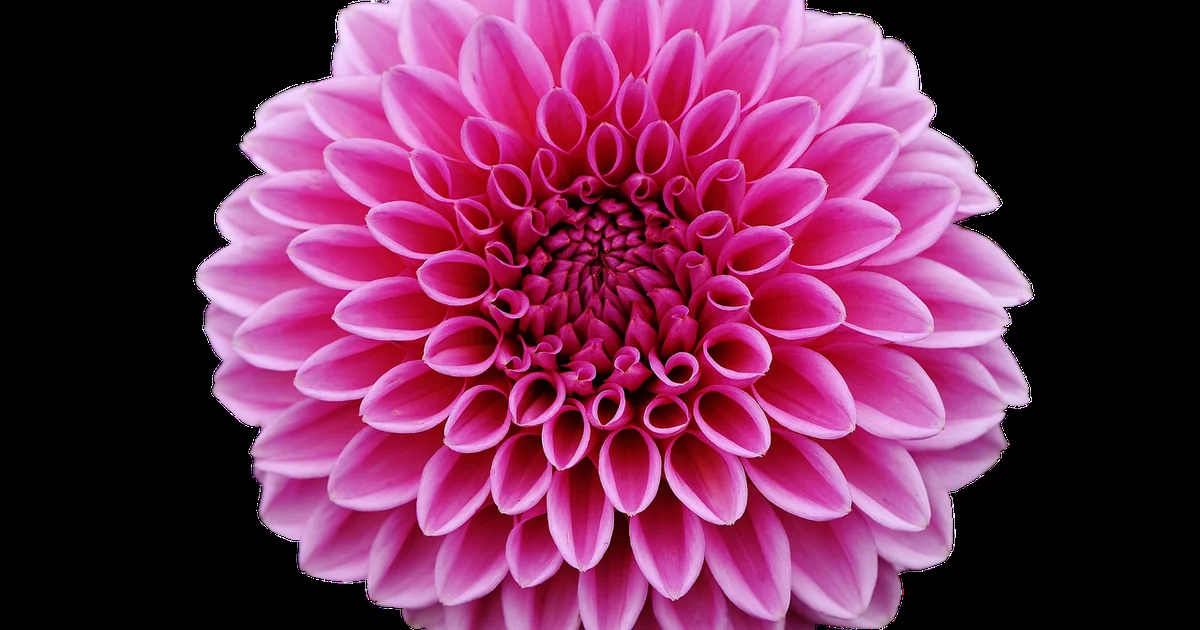
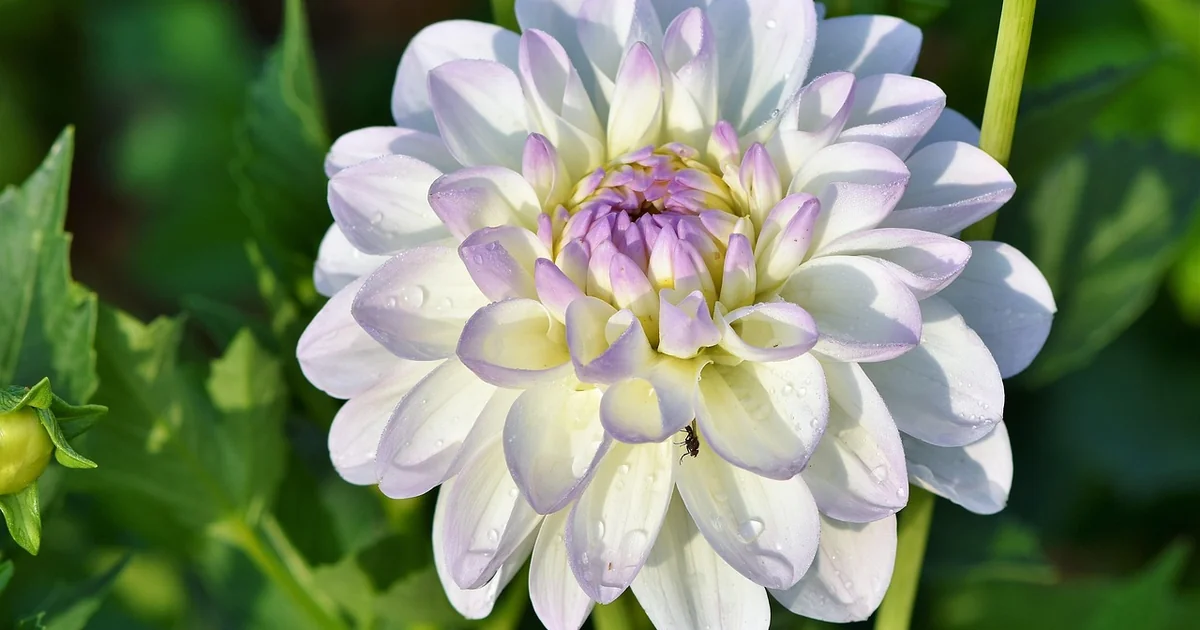
Taking ten minutes to assess dahlia tuber viability before planting is a small investment that pays large dividends. It prevents the frustration of empty soil and wasted effort. It also allows you to maximize your garden space by only placing living tubers in the ground. If you have a non-viable tuber, do not be discouraged — it happens to every gardener. Simply compost it and move on. The time you save by not planting duds gives you more room to pamper the tubers that are ready to burst into life. And come midsummer, when your dahlias are towering with blooms in shades of coral, orange, and magenta, you will be glad you made that one vital check.