Covered porches blend indoor comfort with outdoor charm, offering a protected space to relax, entertain, and enjoy fresh air. These structures shield your furniture from the elements and provide welcome shade, making them a practical addition to any home.

One of the greatest covered porch benefits is how they create a seamless transition from your interior to your outdoor living space. With the right design choices, a covered porch can feel like a cozy, usable room—perfect for morning coffee or evening gatherings. Whether you’re aiming for a budget-friendly refresh or a timeless retreat, thoughtful covered porch design turns this area into a year-round favorite.
1. Embrace Indoor-Style Furniture with Performance Fabrics
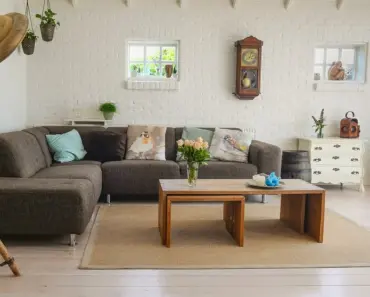
That year-round coziness you’re aiming for starts with the right furniture choices. Covered porches offer a sweet spot: enough shelter to bring in indoor-style pieces without constant weather worry. Designer Becca Bastyr points out that covered porches allow for more indoor furniture on covered porch than uncovered areas would permit. The key is choosing pieces upholstered in performance fabric outdoor textiles. These modern materials can mimic luxurious fabrics like linen but resist moisture, fading, and daily wear. You get the soft, inviting look of a living room with the toughness needed for covered porch furniture style. Think plush sofas, armchairs, and ottomans in neutral tones that feel both sophisticated and practical. This approach makes your covered porch feel like a natural extension of your home’s interior—a place where you can relax in comfort without worrying about spills or sun damage.
2. Layer Soft Textiles for Maximum Comfort
Building on that indoor-outdoor feel, the easiest way to make your space instantly inviting is to bring in soft layers. Cushions, pillows, and throw blankets turn a practical seating area into a cozy covered porch where you actually want to settle in for the afternoon. Start with plush porch cushions on your chairs or bench to create a comfortable base. Then add a mix of outdoor pillows in different sizes—some for back support, others for a decorative pop. The key is choosing fabrics designed to handle the elements, so you don’t have to scramble to bring everything inside at the first hint of rain. Look for quick-dry, UV-resistant materials that keep their color season after season.
Beyond basic comfort, mixing textures adds depth and warmth to the space. Pair a chunky knit throw with sleek, smooth pillow covers or a woven cushion with a velvet-like accent. This variety makes your covered porch feel layered and lived-in rather than flat or unfinished. Keep a small basket or storage trunk nearby so you can easily stash the textiles when not in use, and pull them out whenever you want to transform your porch into a welcoming retreat. These simple touches make all the difference in creating a comfortable spot for morning coffee or evening chats.
3. Go Natural with Teak, Rattan, and Wicker
Just as cushions soften your seating, the materials you choose for your furniture set the overall tone. Organic materials like teak, rattan, bamboo, and wicker bring warmth and texture to your porch while handling the weather with little fuss. Interior designer Monique Miller favors teak for its durability and the way it ages gracefully. Teak outdoor furniture develops a silvery patina over time, so you can leave it out season after season without worry. Rattan and bamboo offer a lighter, airier feel, perfect for a casual, inviting look. Wicker furniture care is remarkably simple: just dust and spot-clean as needed. These durable porch materials resist moisture and temperature changes, making them ideal for covered spaces. By incorporating rattan porch furniture or teak pieces, you blend practicality with natural beauty. These covered porch ideas work beautifully when you mix textures—pair a teak coffee table with wicker armchairs for depth and character. The result is a relaxing retreat that feels grounded, organic, and effortlessly stylish.
4. Carry Your Interior Color Palette Outside
Once you’ve mixed textures to add depth, the next step is to tie everything together with color. Treat your covered porch as a true room extension by mirroring the hues you love inside. This doesn’t mean copying every shade exactly, but rather choosing a covered porch color scheme that echoes your home’s interior. Designer Mimi McMakin recommends nature-inspired palettes like greens, blues, whites, and sandy neutrals. These tones feel calm and organic, making the transition from indoors to outdoors feel seamless. When you select outdoor paint colors that harmonize with your living room or kitchen, your porch becomes a natural flow space rather than an afterthought. For easy matching interior exterior colors, pull a favorite pillow or throw inside and bring it outside as a swatch. Then, paint your porch ceiling, trim, or furniture in a complementary shade. The result is a cohesive, relaxing retreat that feels like it always belonged.
5. Bring the Garden onto Your Porch
Once you have your color palette sorted, think about adding living elements. Plants instantly breathe life into a covered porch, softening hard edges and adding a lush, calming vibe. Unlike an open deck, your covered space offers protection from harsh sun and heavy rain, making it ideal for plants that prefer filtered light. Potted palms, ferns, and orchids all thrive under cover, and they help your porch feel like an extension of your indoor living area rather than just an afterthought.
To make the most of your covered porch ideas, consider scale. Design director Kevin Lenhart recommends tall plantings to balance vertical scale, especially if your porch has high ceilings or large windows. A pair of tall planters flanking the door or a cluster of oversized pots in a corner draws the eye upward and adds architectural interest. Look for outdoor potted plants with height, such as fiddle-leaf figs or upright palms, and choose tall planters porch options in materials that echo your existing decor. The result is a space that feels grounded, green, and full of life — without demanding constant maintenance.
6. Install Soft Lighting for Evening Ambiance
With your greenery in place, you’ll want to enjoy the porch long after the sun goes down. That’s where the right lighting steps in, turning a daytime hangout into a cozy evening escape. Soft lighting — such as wall sconces and pendant lights — can set a serene, inviting mood without being harsh or glaring. These covered porch lighting ideas work especially well under a roof, where you don’t have to worry about direct weather exposure. Wall-mounted outdoor sconces cast a gentle glow along the sides, while porch pendant lights hanging from the ceiling draw the eye upward and create a warm focal point above a seating area. To get the most out of your setup, add dimmer switches. Dimmers let you adjust brightness depending on the moment — bright for reading or board games, softer for winding down with a drink. This simple addition makes your evening porch ambiance feel intentional and adaptable. When you pair these lighting choices with the other covered porch ideas you’ve already put in place, the space becomes truly usable from morning to night. The result is a porch that feels both practical and magical, without any complicated installation or high costs.
7. Arrange Seating for Conversation and Flow
A well-planned furniture layout makes your porch feel like an inviting living room outdoors. Once you’ve added lighting, ceiling treatments, or other covered porch ideas, the next step is to think about how people will actually move through and use the space. Designer Mimi McMakin recommends treating covered porches as home extensions with comfortable seating and side tables. This means choosing pieces that feel as cozy as your indoor sofa, not just flimsy outdoor chairs. Start by grouping seats so that they face one another, which naturally encourages conversation. A pair of armchairs with a small table between them works well for two people, while a sectional or a sofa facing two chairs can handle a larger group. Leave enough room between groups for easy walking—about three feet of clear space is a good rule of thumb. This covered porch furniture arrangement keeps the flow smooth, so no one has to squeeze past a table to reach the door. You can also place a side table within arm’s reach of every seat, giving guests a spot for a drink or a book. A well-thought-out outdoor seating layout turns your porch into a place where family and friends want to linger, making the most of your outdoor living area.
8. Decide: Screened Porch vs. Open Porch
Once you have your seating layout sorted, it is time to think about the walls—or whether you want them at all. One of the most important covered porch ideas involves deciding between an open-air design and a screened enclosure. An open porch keeps you feeling fully immersed in your yard, with unobstructed views and a direct connection to nature. You can feel the breeze, hear the birds, and step right out into the garden. It is a wonderfully airy choice for fair-weather days and for anyone who loves that unfiltered outdoor feeling.
If you want to go deeper, it is also worth a look at 11 Front Porch Decorating Ideas for Curb Appeal.
On the other hand, a screened porch adds a layer of comfort that extends your usable season. The main porch screen benefit is keeping out bugs while still letting in fresh air and light. This makes a covered porch enclosure ideal for summer evenings when mosquitoes are out, or for homes near wooded areas where pollen and leaves can be a nuisance. A screened porch feels like a hybrid space—protected from the elements but not sealed off. Think about your local climate and how you plan to use the space. If you want to dine outdoors without swatting flies, or let young children play safely, a screened porch can be a practical upgrade. Your choice between screened porch vs open really comes down to how much shelter you want versus how much sky you want to see overhead.
9. Anchor the Space with an Outdoor Area Rug
Once you’ve settled on how open or enclosed your porch should be, you can focus on making it feel like a true outdoor room. One of the most effective covered porch ideas is adding an outdoor area rug. A rug instantly defines the seating area, adds warmth underfoot, and ties your furniture and decor together. For a covered porch rug, choose synthetic fibers that resist moisture and mildew—these materials hold up well in damp or humid conditions. A waterproof outdoor rug is also a smart choice, as it can handle rain splashes or accidental spills without damage. To keep everything safe and in place, always use a rug pad underneath. The pad prevents slipping and protects your porch flooring rug from wear and tear. With the right rug, your covered porch becomes a cozier, more inviting space that feels like an extension of your home.
10. Add Heating or Cooling for Year-Round Use
Once your covered porch feels grounded with a rug, you might start wishing you could use it even when the weather isn’t cooperating. The good news is that you can extend your porch’s livable season with smart heating and cooling solutions. On cool evenings, a covered porch heater — like an infrared model or a propane fire table — provides gentle, direct warmth without taking up too much space. These options are easy to operate and create a cozy focal point for conversation. For hotter months, an outdoor fan keeps air moving, making the space feel noticeably cooler. You can also set up portable coolers or a misting system to handle extreme heat. By mixing a covered porch heater with a ceiling fan, you gain flexibility for year-round porch use. Just be mindful of placement: hang fans high enough for safety, and keep heaters away from flammable materials. With a little planning, you can enjoy your porch in every season.
11. Choose the Right Flooring for Your Covered Porch
Once you’ve sorted out ceiling fans and heaters, it’s time to think about what lies beneath your feet. The floor sets the foundation for both durability and style, and since your porch is covered, you have more leeway than you would with an open deck. Still, moisture and temperature swings can take a toll, so selecting the right covered porch flooring makes a real difference. Popular choices include porch tile, composite decking, and stone. Porcelain or ceramic tile offers a clean, timeless look and stands up well to humidity—just be sure to choose a textured finish for slip resistance. Composite decking mimics wood without the constant upkeep, and it handles rain and sun beautifully. Natural stone, like slate or travertine, brings an earthy elegance, though it may need sealing every few years. Whatever material you lean toward, always plan for proper drainage so water doesn’t pool. Slip-resistant surfaces are especially important if kids or pets will be running around. With the right outdoor floor materials, your covered porch feels as solid and inviting as any indoor room.
Frequently Asked Questions
How can I make a covered porch cozy?
To bring your covered porch ideas to life, start with warm lighting and soft textures. Layer throw blankets, outdoor pillows, and an area rug to create an inviting, lived-in feel. Comfortable seating like cushioned chairs or a porch swing adds to the relaxed atmosphere. These simple additions turn your covered porch into a cozy retreat.
Should a covered porch match my home’s interior?
Not necessarily. A covered porch can complement your interior style without fully matching. Choose a cohesive color palette that flows naturally from indoors to outdoors. This creates a seamless transition while allowing the porch to develop its own character.
Can I use indoor furniture on a covered porch?
Indoor furniture isn’t ideal for a covered porch because it won’t withstand moisture, humidity, or temperature shifts. Instead, choose pieces labeled for covered outdoor use or all-weather wicker. If you really love an indoor item, place it in a fully protected nook and apply a weather-resistant sealant. For long-term durability, outdoor-rated furniture is the smarter choice.