As a former organic market farmer, I have spent years growing vegetables in containers. Tomatoes, cucumbers, peppers, cabbage, and more have all found a home in my pots. One lesson stands out above the rest: the medium you fill those containers with directly determines your success. A bag of cheap garden soil or leftover topsoil simply will not deliver the yields you want. Over time, I have tested dozens of commercial blends and mixed countless batches of my own. The right choice transforms your plants. The wrong one leads to stunted roots, yellow leaves, and disappointing harvests.
Why the Right Potting Mix Matters for Vegetables
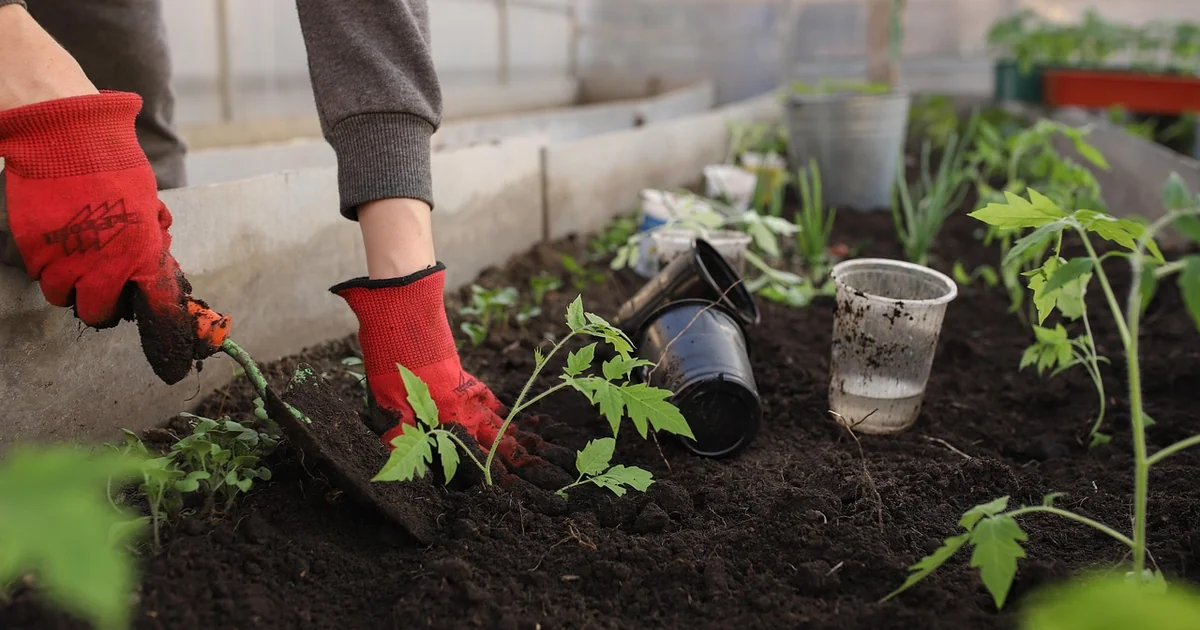
You might wonder why a simple bag of dirt matters so much. After all, vegetables evolved in open fields, not five-gallon buckets. But containers create an artificial environment. Roots cannot spread out in search of nutrients or moisture. They depend entirely on the few cubic inches of mix you provide. The best vegetable potting soil solves three critical problems at once: drainage, aeration, and nutrition.
Drainage and Water Retention
Different potting soils handle water very differently. Some drain so fast that water runs straight through, leaving roots dry. Others hold water like a sponge and never let go, suffocating the plant. Good drainage means water flows through easily but the mix still holds enough moisture between waterings. The ideal blend absorbs water readily and releases it slowly to the roots as needed. This balance protects against both drought and root rot.
Aeration
Drainage and aeration go hand in hand. The pore spaces between particles determine how much air and water move through the mix. When pores are not filled with water, they hold air. Plant roots need both oxygen and moisture to thrive. If your soil is too dense, those air pockets disappear. Roots cannot breathe, and the plant suffers. A well-aerated mix has a range of particle sizes that create a network of tiny air channels.
Nutrition
Some commercial mixes come with slow-release nutrients already added. Others are essentially blank slates, requiring you to add fertilizer yourself. The best vegetable potting soil typically includes natural organic fertilizers such as kelp meal, bone meal, or feather meal. But even the richest mix will run out of nutrients after four to six weeks, so you will need to supplement later in the season. Understanding what is already in the bag saves you from over or underfeeding your plants.
Physical Support
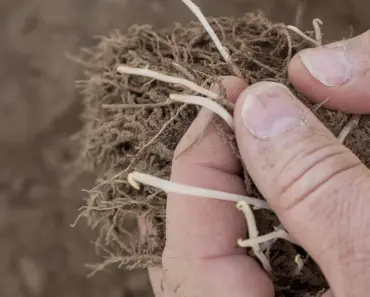
Roots need a stable medium to anchor the plant. Heavy fruiting vegetables like tomatoes or peppers put a lot of weight on the root system. If the mix is too fluffy, the plant may topple. For root crops such as carrots or radishes, the soil must be loose and deep enough to allow straight, unrestricted growth. A dense or rocky mix will produce forked or stunted roots. The right blend gives the plant a firm hold while still being easy for roots to push through.
Key Traits of the Best Vegetable Potting Soil
Whether you buy a pre-made bag or mix your own, certain characteristics define a high-quality product. Keep these traits in mind as you shop.
- Light and fluffy texture. The best vegetable potting soil feels airy in your hands, not heavy or clumpy. It should crumble easily and not form solid clods when wet.
- Varied particle sizes. Small particles (like peat or coir) hold moisture. Larger particles (like perlite or pumice) create air spaces. A good mix combines both for optimal pore space. Studies suggest that a 50/50 blend of fine and coarse materials provides the best balance for container vegetables.
- Good moisture retention without waterlogging. The mix should absorb water like a sponge but drain excess within minutes. If water sits on top for more than 30 seconds, the mix may be too compacted.
- Sterile and pathogen-free. Soilless mixes are typically heat-treated or otherwise processed to eliminate weed seeds, fungi, and bacteria. This gives your seedlings a clean start.
- Natural ingredients. Avoid blends that list biosolids (treated sewage sludge) or synthetic chemical fertilizers as primary ingredients. Look for organic sources like compost, worm castings, kelp meal, or rock phosphate.
- pH around 6.0 to 6.8. Most vegetables prefer slightly acidic soil. Many commercial mixes fall within this range, but it is worth checking the label or testing with a simple meter.
Soilless Potting Mixes vs. Traditional Blends
Many gardeners choose soilless potting mixes for container vegetables. These mixes contain no actual garden soil. Instead, they rely on ingredients like sphagnum peat moss, coconut coir, perlite, and vermiculite. The advantage is sterility and consistency. You know exactly what you are getting, and there is no risk of introducing soil-borne diseases from your yard.
A typical soilless mix is light, drains well, and holds moisture reasonably well. However, it contains almost no nutrients on its own. You must add fertilizer regularly. One common recommendation is to blend a soilless base 50/50 with high-quality finished compost or leaf compost. This adds both organic matter and a slow-release nutrient supply. If you use a pure soilless mix, plan to feed your vegetables with a liquid organic fertilizer every two weeks after the first month.
For gardeners who prefer a single-bag solution, many brands now offer “premium” or “vegetable-specific” blends that already contain compost, worm castings, and organic fertilizers. These tend to cost more but save time and effort.
The 7 Best Potting Soils for Vegetables
After years of testing on my own farm and observing results in dozens of community gardens, here are the seven blends that consistently perform well for container vegetables. Each one has its own strengths, so the best choice depends on your specific crops and preferences.
1. FoxFarm Ocean Forest Potting Soil
This is one of the most popular organic blends among serious container gardeners. It contains a base of sphagnum peat moss, aged forest products, and a mix of natural fertilizers including bat guano, earthworm castings, and crab meal. The texture is rich and crumbly, excellent for both drainage and aeration. Ocean Forest has a pH around 6.3 to 6.8, ideal for tomatoes, peppers, and leafy greens. The main drawback is cost; it is significantly more expensive than generic mixes. However, the nutrient load lasts about six weeks without additional feeding. For heavy feeders like squash, you will need to supplement later.
2. Espoma Organic Potting Mix
Espoma is a trusted name in organic gardening. Their vegetable-specific potting mix includes sphagnum peat moss, perlite, and a proprietary blend of natural fertilizers called Myco-Tone. This contains endo- and ectomycorrhizae, beneficial fungi that help roots absorb water and nutrients. The mix is light, drains well, and holds enough moisture for most vegetables. It comes in a compressed bale that expands when you add water, which can be a nice space-saver. Many users report strong root development and vibrant green leaves after the first few weeks. One tip: add a bit more perlite if you are growing in very humid conditions, as the coir-based formula retains water slightly longer than some competitors.
3. Miracle-Gro Performance Organics Mix
Despite the brand’s reputation for synthetic fertilizers, this organic option offers a solid, affordable choice. It contains coconut coir, compost, and a fast-acting organic fertilizer derived from plant and animal byproducts. The price point is lower than premium brands, making it accessible for large container gardens. The texture is fluffy and easy to work with, though it can compact slightly over time. I recommend adding a handful of perlite per gallon if you plan to grow root vegetables or plants that demand extra drainage. Performance Organics feeds for about two months, after which you should switch to a liquid organic supplement.
4. Black Gold 1311002 Natural & Organic Potting Mix
Black Gold produces a consistent, well-balanced mix that works well for a wide range of vegetables. Ingredients include Canadian sphagnum peat moss, perlite, pumice, earthworm castings, and organic alfalfa meal. The mix has excellent water-holding capacity without becoming soggy. Pumice is a particularly good addition because it does not break down as quickly as perlite, maintaining aeration longer. The nutrient profile is mild, making it suitable for seedlings and transplants without risk of burning. For established plants, supplement with a balanced organic fertilizer every three weeks during the growing season.
5. Pro-Mix Organic Vegetable and Herb Mix
Pro-Mix is a staple among greenhouse growers, and their organic vegetable blend is no exception. It uses a base of sphagnum peat moss and coir with perlite and limestone for pH adjustment. The mix is inoculated with mycorrhizae, which form symbiotic relationships with roots to improve phosphorus uptake. It also contains a starter charge of organic fertilizer. The texture is uniform and light, perfect for starting seeds and growing leafy greens. One reviewer noted that this mix outperformed others in a side-by-side trial with bell peppers, producing 20% more fruit per plant. The only downside is that it can dry out quickly in hot, sunny locations, so monitor moisture closely.
You may also enjoy reading: 7 Secrets to Attract Hummingbirds.
6. Dr. Earth Home Grown Organic Potting Soil
Dr. Earth emphasizes a “no sludge, no chemicals” philosophy. Their home grown formula includes a blend of peat moss, aged bark, perlite, and organic fertilizers such as fish bone meal and alfalfa meal. It also features beneficial soil microbes and mycorrhizae. This mix is notably rich and can sustain vegetables for a full season with minimal extra feeding. However, because it is dense in organic matter, it may drain slightly slower than other options. Adding extra perlite helps if you are growing in heavy clay or self-watering containers. Many organic farmers consider Dr. Earth one of the most complete all-in-one solutions for container vegetables.
7. Vermont Compost Co. Fort Vee Mix
This is a lesser-known but outstanding option for serious growers. Fort Vee Mix is a compost-based blend specifically designed for organic vegetable production. It contains screened compost, vermiculite, and limestone, with no peat moss. The compost provides a diverse microbial population and steady nutrient release. Because it is compost-heavy, it holds moisture very well, which is a plus in dry climates but can be a drawback if overwatered. I suggest adding a bit of perlite to improve drainage, especially for peppers and eggplants. Vermont Compost products are widely used by certified organic farms in the Northeast, and the quality speaks for itself.
How to Improve Store-Bought Potting Soil for Vegetables
Even the best bagged mixes can benefit from a few custom tweaks. Here are practical adjustments based on your crop type and local conditions.
- For superior drainage: Mix in one part perlite or pumice for every three parts of potting soil. This helps in rainy climates or with plants prone to root rot, such as tomatoes in self-watering pots.
- For extra water retention: Add coconut coir or sphagnum peat moss. If your mix dries out too fast, incorporate up to 20% coir by volume. Soak the coir in water first to expand it fully.
- For a nutrient boost: Blend in one part high-quality finished compost or worm castings for every four parts of base mix. This adds organic matter and beneficial microbes. Avoid using more than half compost, as it becomes too heavy.
- For root crops: Remove any large chunks or sticks from the mix. Sieve it if necessary to ensure roots can grow straight. Adding extra perlite encourages loose, airy conditions.
- For acid-loving crops like blueberries or potatoes: Use a mix with higher peat content and add a tablespoon of elemental sulfur per gallon to lower pH, checking with a meter to stay within 4.5 to 5.5.
Common Mistakes When Choosing Potting Soil for Vegetables
Over the years, I have seen gardeners make the same errors repeatedly. Avoid these pitfalls to protect your harvest.
Mistake 1: Using garden soil in containers. Garden soil is too dense, compacts easily, and may contain weed seeds or pathogens. It also lacks the pore space needed for container drainage. Always use a potting mix, not soil from your yard.
Mistake 2: Skipping the label check. Some budget mixes contain biosolids or synthetic fertilizers. For organic gardening, look for OMRI-listed products. Biosolids may contain heavy metals, and synthetic fertilizers can harm beneficial soil life.
Mistake 3: Buying by price alone. The cheapest bag often ends up costing you more in lost yields and extra fertilizer. Invest in quality; your tomato plants will thank you.
Mistake 4: Assuming all mixes are ready to use. Many soilless mixes, especially compressed bales, need to be rehydrated and fluffed before planting. Follow package instructions or pre-wet the mix 24 hours before use.
Mistake 5: Forgetting to pre-moisten dry peat-based mixes. Peat can become hydrophobic when dry, repelling water rather than absorbing it. Mix in warm water and let it sit for a few hours before potting.
Choosing the best vegetable potting soil is one of the most impactful decisions you make as a container gardener. The seven blends above have proven themselves in real-world conditions, and simple upgrades can tailor any mix to your specific crops. Start with a high-quality base, monitor your plants’ response, and adjust as needed. Your vegetables will grow stronger, produce more, and reward you with a bountiful harvest.