Standing tall with their elegant evergreen needles, these resilient conifers add structure and year-round greenery to any landscape. Whether you dream of a dense privacy hedge or a striking specimen tree, cypress trees for garden spaces offer a remarkable combination of beauty, durability, and low maintenance. Their fast growth and drought tolerance make them a favorite among homeowners who want quick results without constant fuss. Below, we explore eleven distinct types, each with its own character and growing requirements, to help you find the perfect match for your outdoor space.
What Makes a Cypress Tree a Garden Gem?
Cypress trees belong to the Cupressaceae family, a diverse group of conifers found across the globe. Unlike some evergreens that grow slowly, many cypress varieties put on impressive height each year. Their shapes range from narrow columns to broad pyramids, giving you plenty of options for different garden styles. Most species prefer full sun and well-drained soil, and they rarely tolerate frost well, though a few hardy exceptions exist. These trees thrive in temperate climates and can live for decades, becoming a lasting part of your landscape.
11 Cypress Trees to Consider for Your Garden
Each of the following species brings something unique to the table. Some are rare and endangered, others are common and easy to find. All of them can enhance your yard with their distinctive foliage, bark, and form. Let’s take a closer look.
1. Arizona Cypress
The Arizona cypress (Hesperocyparis arizonica) is a standout for gardeners who want a low-fuss tree with striking color. Its pale bluish-green needles create a soft, silvery appearance that contrasts beautifully with darker greens in the landscape. Native to the southwestern United States, this species reaches about 40 to 50 feet at maturity. It thrives in USDA zones 7 through 9 and demands a spot with full sun and well-drained soil. Once established, it handles dry spells with ease, making it an excellent choice for xeriscaping or low-water gardens. One common challenge with this tree is its sensitivity to heavy clay soils, which can lead to root rot. To avoid this, amend your planting site with sand or gravel to improve drainage, and water sparingly after the first year.
2. Cuyamaca Cypress
If you enjoy growing something rare, the Cuyamaca cypress (Hesperocyparis stephensonii) might capture your interest. This species is native only to a small area in San Diego County, California, and is considered threatened in the wild. It grows between 30 and 50 feet tall, with silver-gray-green foliage that shimmers in sunlight. Its reddish bark adds another layer of visual appeal. This tree adapts to a wide range of soil types, from sandy loam to rocky ground, as long as drainage is good. Plant it in full sun within zones 7 to 9. Because it is rare, finding a nursery that stocks it may require some searching. Contact local native plant societies or specialty growers to track one down. Its uniqueness makes the effort worthwhile.
3. Guadalupe Cypress
The Guadalupe cypress (Hesperocyparis guadalupensis) is an endangered species with a striking appearance. It reaches 40 to 60 feet tall and features smooth, chocolatey-cherry bark that peels attractively as the tree ages. Its bluish foliage gives it a cool, calming presence in the garden. This tree is frost-sensitive, so it performs best in USDA zone 9 and warmer. It tolerates various soils, from alkaline to slightly acidic, and shows notable resistance to cypress canker, a fungal disease that plagues many cypress species. If you live in a warm coastal area, this tree could be a resilient and beautiful addition. Just be sure to plant it in a sheltered spot protected from cold winds, as even a mild frost can damage new growth.
4. Mediterranean Cypress
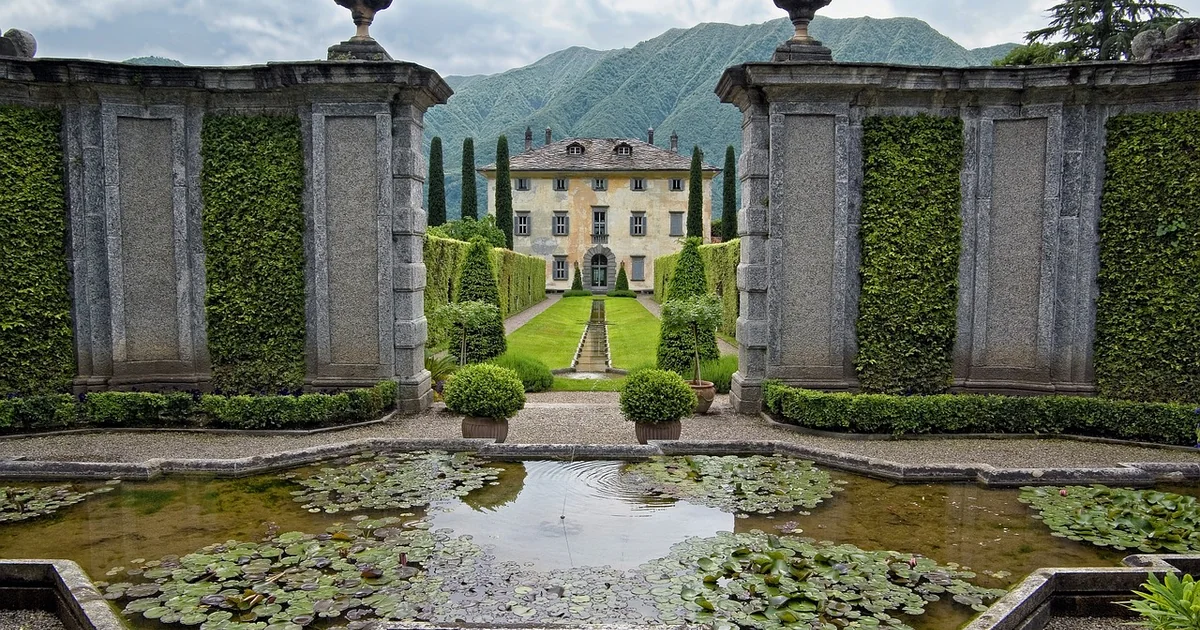
Also known as Italian cypress (Cupressus sempervirens), this species is the classic postcard image of Tuscany. It can soar to heights of 80 to 150 feet, though many cultivated varieties stay more compact. Its narrow, columnar form makes it ideal for framing entrances, lining driveways, or creating vertical accents in formal gardens. This tree is drought-tolerant once established and grows quickly in full sun and well-drained soil. It thrives in zones 7 through 10. A common issue with Mediterranean cypress is that its dense foliage can trap moisture, encouraging fungal problems. To prevent this, space trees at least 6 to 8 feet apart to allow air circulation, and avoid overhead watering. Prune lightly in late winter to remove any dead or congested branches.
5. Leyland Cypress
The Leyland cypress (Cuprocyparis leylandii) is a hybrid between Monterey and Nootka cypress, bred for rapid growth and adaptability. It reaches 60 to 70 feet tall and is one of the most popular choices for tall privacy hedges. Gardeners love it because it can add 3 to 4 feet of height per year under ideal conditions. It grows in zones 5 through 10, making it one of the hardiest cypress hybrids available. Plant it in full sun with moist, well-drained soil. The main drawback of Leyland cypress is its susceptibility to bagworms and canker diseases, especially when planted too densely. To keep your hedge healthy, inspect branches regularly for silken bags and prune them out promptly. Water at the base rather than overhead to minimize leaf wetness.
6. MacNab Cypress
MacNab cypress (Hesperocyparis macnabiana) is a more compact option, reaching only 10 to 30 feet tall. It stands out among North American cypress trees because its branches grow flat and lacey, rather than in a three-dimensional spray. This gives the tree a delicate, airy texture that softens the landscape. Native to California and Oregon, it is highly drought-tolerant and thrives in zones 6 through 8. Plant it in full sun with well-draining soil. Because of its smaller size, MacNab cypress works well in suburban yards where space is limited. One challenge is that it can become leggy if not pruned lightly each spring. Simply pinch back the tips of new growth to encourage bushier development.
You may also enjoy reading: 7 Ancient Grain Plants That Add Color & Flavor to Borders.
7. Mexican Cypress
The Mexican cypress (Hesperocyparis lusitanica) is a fast-growing giant that can exceed 100 feet in height. It is commonly used as a windbreak in its native Central America and in warm parts of the southern United States. Unlike many cypress species that demand full sun, this tree tolerates partial shade, making it a good choice for spots that get dappled light. It prefers evenly moist soil and grows best in zones 8 through 10. A practical tip for gardeners is to mulch heavily around the base to retain soil moisture during dry spells. This tree’s rapid growth means you will need to plan for its eventual size — do not plant it too close to structures or power lines.
8. Monterey Cypress
Monterey cypress (Hesperocyparis macrocarpa) is a large, long-lived species native to the California coast. It can reach 90 feet tall and lives for over a century in favorable conditions. One of its most delightful features is the lemony fragrance its foliage releases when crushed. This tree tolerates wind and salt spray exceptionally well, making it ideal for coastal gardens. It grows in zones 7 through 9 and prefers full sun with well-drained soil. A common problem for Monterey cypress is cypress canker, which causes branch dieback. To reduce risk, avoid wounding the bark with lawn equipment and prune only during dry weather. If you live near the ocean, this tree will reward you with vigorous growth and a refreshing scent.
9. Nootka Cypress
For gardeners in colder climates, Nootka cypress (Cupressus nootkatensis) is the hardiest option available. It is hardy down to zone 4 and reaches 60 to 90 feet tall. This species thrives in full sun to partial shade and prefers moist, well-drained soil. Its drooping branch tips give it a graceful, weeping appearance that adds elegance to any landscape. Nootka cypress is native to the Pacific Northwest and performs well in regions with cool summers and ample rainfall. One challenge is that it does not tolerate drought as well as other cypress species. If you plant it in a drier area, water it deeply once a week during hot spells. Mulching helps keep roots cool and moist.
10. Sargent Cypress
Sargent cypress (Hesperocyparis sargentii) is a California native known for its fire-resistant bark and cones. It grows 30 to 60 feet tall and is hardy to zone 8. This tree has a rugged, natural look that suits wilder garden styles. Its thick bark protects it from low-intensity fires, making it a smart choice for properties in fire-prone regions. Plant it in full sun with well-drained soil. Sargent cypress is relatively low-maintenance but can struggle in heavy clay. If your soil is dense, create a raised planting mound to improve drainage. This species also attracts birds, which use its dense branches for nesting.
11. Tecate Cypress
Tecate cypress (Hesperocyparis forbesii) is another California native, prized for its compact size and adaptability. It typically reaches 20 to 35 feet tall, making it suitable for smaller gardens. Its dark green foliage and reddish-brown bark create a rich, warm appearance. This tree is drought-tolerant and grows best in zones 8 through 10. It prefers full sun and well-drained soil. One unique trait of Tecate cypress is that its cones open only after a fire, releasing seeds to regenerate the population. In a home garden, you can mimic this by soaking cones in warm water to encourage seed germination if you want to propagate new trees. This species is also resistant to cypress canker, adding to its appeal for low-maintenance landscapes.