Why Pruning Matters for Your Monstera’s Leaf Production
If you have ever admired a lush, sprawling Monstera deliciosa with leaves the size of dinner plates, you know the satisfaction of a thriving houseplant. But achieving that dense canopy of fenestrated foliage does not happen by accident. Regular maintenance, particularly strategic cutting, plays a central role in encouraging your plant to push out more leaves. Without intervention, a monstera can become a tangled mess of leggy stems, sparse foliage, and yellowing lower leaves.
Think of pruning as a conversation with your plant. Every snip tells the monstera where to direct its energy. When you remove an old or damaged leaf, the plant redirects nutrients and growth hormones toward dormant buds further up the stem. This biological response triggers branching and new leaf development. A well-pruned monstera also enjoys better airflow around its crown, which reduces the risk of fungal infections and pest infestations. Stagnant air trapped by dense, unpruned foliage creates a humid microclimate where spider mites and scale insects thrive.
Many indoor gardeners hesitate to cut their monstera because they fear harming it. The opposite is true. A monstera that never sees a pair of shears often becomes top-heavy and unstable. Its stems stretch toward the nearest light source, resulting in a lopsided silhouette with bare stretches between leaves. By learning a few monstera pruning tips, you can transform a straggly plant into a bushy, multi-stemmed specimen that produces more leaves than you thought possible.
The following five techniques target specific areas of your monstera’s growth. Apply them during active growing periods, and you will see noticeable differences in leaf density and plant shape within a few weeks. Each tip addresses a common pruning problem and offers a clear, actionable solution.
Tip 1: Always Cut Above a Node at a 45-Degree Angle
The node is the small swelling on the stem where a leaf petiole attaches to the main vine. This bump contains meristematic tissue, the plant’s version of stem cells. When you cut above a node, you activate that dormant tissue, prompting it to produce a new stem and leaves. Cutting below a node leaves a stub that cannot generate new growth, effectively wasting the potential of that section.
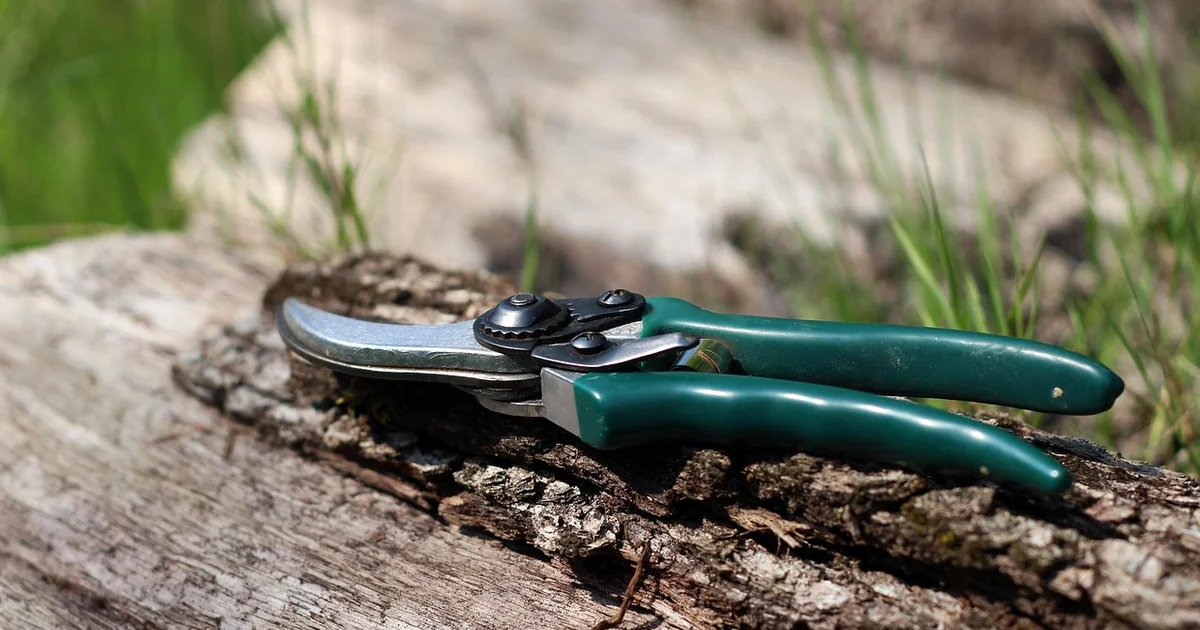
Make your cut roughly a quarter-inch above the node using sharp, sterile pruning shears. The 45-degree angle matters for two reasons. First, it increases the surface area available for callus formation, which speeds up healing. Second, the slanted cut prevents water from pooling on the wound, reducing the chance of rot or fungal colonization. A flat cut holds moisture like a cup, inviting pathogens into the stem tissue.
Wear gloves during this process. Monstera stems exude a milky sap when cut. This sap contains calcium oxalate crystals, which can irritate human skin and cause a burning sensation or rash. Gloves also protect your hands from accidental nicks from the shears. Clean your tools with rubbing alcohol before and after each session to prevent transferring diseases between plants.
If you are nervous about cutting in the wrong spot, study your plant first. Trace the stem from the soil upward until you spot a node with a healthy aerial root or a leaf scar. Mark the spot with a piece of string or a small piece of tape if it helps. Precision builds confidence, and confident cuts produce better results.
Tip 2: Remove Older, Lower Leaves That Are Beginning to Die Back
Monstera deliciosa naturally sheds its oldest leaves as it matures. These lower leaves often yellow, brown at the edges, or develop unsightly spots long before they completely die. Leaving them on the plant serves no purpose. In fact, the monstera expends energy trying to keep these failing leaves alive, energy that could otherwise fuel new growth at the top of the plant.
When you spot a leaf that has lost more than half of its green coloration, it is time to remove it. Cut the petiole at its base, right where it meets the main stem, using the same 45-degree technique described above. Avoid pulling or tearing the leaf off, as this can damage the node and prevent future growth from that spot.
Removing older leaves also improves air circulation around the soil line. Stagnant air near the base of the plant encourages fungus gnats and root rot pathogens. By opening up that lower zone, you allow the soil surface to dry more evenly between waterings. This small change can make a significant difference in overall plant health over the course of a year.
One reader shared that she removed seven yellowing leaves from her five-year-old monstera in early spring. Within six weeks, three new leaves unfurled from higher nodes, each one larger and more fenestrated than the previous generation. The plant looked fuller and more vibrant than it had in years. That kind of result is common when monstera pruning tips focused on senescence are applied correctly.
Tip 3: Prune Away Side Stems and Base Growth to Direct Energy Upward
Monstera plants often produce multiple stems from the soil line. While a bushy base can look appealing initially, it creates competition for light and nutrients. Each stem fights for its share of resources, and many of the inner leaves never receive enough light to develop fenestrations. These small, unremarkable leaves drain energy from the plant without contributing to its aesthetic or photosynthetic efficiency.
Examine the base of your monstera. Identify the strongest main stem, typically the one with the thickest diameter and the most mature leaves. Then trace the other stems back to their origin. Using clean shears, cut these secondary stems as close to the soil as possible. Do not worry about hurting the plant. A monstera with one or two well-supported main stems produces larger, more dramatic leaves than a plant with five spindly stalks.
The same principle applies to side shoots that grow horizontally outward from the main vine. These lateral stems often develop when the plant receives uneven light from one direction. They stretch toward the window, creating a lopsided silhouette. Trim these side stems back to the main vine, cutting just above a node that faces upward. This redirects growth vertically, which looks cleaner and allows the plant to fit better in its designated space.
After you remove side stems, consider installing a moss pole or a wooden trellis. Training the remaining stems upward encourages the leaves to grow larger and develop more splits. A climbing monstera also produces more leaves per linear foot of stem because each node receives better light exposure along the vertical plane.
Tip 4: Manage Aerial Roots and Perform Root Pruning When Needed
Aerial roots are a natural feature of Monstera deliciosa. In its native tropical habitat, the plant uses these roots to cling to tree trunks and absorb moisture from the humid air. Indoors, these roots often grow long and unruly, extending past the pot’s rim and trailing across the floor. While they are not harmful, they can make the plant look messy and can become a tripping hazard.
You can trim aerial roots back to the base of the stem without harming the plant. Use sharp scissors and cut as close to the stem as possible. The root will not regrow from the cut point, but the plant will continue to produce new aerial roots higher up as it climbs. Do not pull or yank on the root. Gentle pressure and a clean snip are all that is needed.
For containers that have become root-bound, root pruning offers a way to control the plant’s size without repotting into a larger vessel. Lift the entire plant out of its pot. You will see a dense mass of roots circling the bottom. Gently tease apart the longest roots and trim them back by about one-third using sterilized shears. Untangle any roots that have begun to girdle the main root ball. After trimming, replace the plant in its original pot with fresh soil.
Root pruning triggers a stress response that slows top growth for a few weeks, but it also stimulates the development of new feeder roots. This refreshed root system takes up water and nutrients more efficiently, supporting greater leaf production in the long run. Pair root pruning with a light application of rooting hormone powder on the cut roots to reduce infection risk and encourage rapid recovery.
Tip 5: Time Your Pruning to the Active Growing Season
Monstera deliciosa follows a seasonal growth cycle. During spring and summer, when daylight hours are longest and temperatures remain warm, the plant enters a phase of vigorous development. This is the optimal window for any significant pruning work. The plant’s metabolic activity is high, meaning cuts heal faster and new buds break dormancy quickly.
Aim to complete heavy pruning sessions between March and June. During this period, the plant can recover from the removal of up to one-third of its foliage within two to three weeks. Wait until you see the first signs of new growth in spring, such as a fresh unfurling leaf or a lengthening stem. This visual cue signals that the plant has ample energy reserves to support healing.
Light maintenance pruning, such as removing a single yellow leaf or trimming a stray aerial root, can be performed at any time of year. The exception is dead or diseased tissue, which should be removed immediately regardless of the season. A leaf with signs of bacterial leaf spot or powdery mildew must come off right away to prevent the infection from spreading to healthy foliage.
Avoid pruning in late autumn or winter. During these months, the plant’s growth slows dramatically. Cuts made during dormancy take much longer to heal, and the risk of infection rises. The plant may also struggle to push out new growth from pruned nodes until the following spring. Patience pays off here. Let your monstera rest during the darker months, then prune with purpose when the light returns.
Should You Seal Pruning Cuts on Monstera?
This question divides indoor gardeners, and the answer depends on your specific situation. In most cases, a clean cut on a healthy monstera does not require sealing. The plant forms a natural callus over the wound within a few days. This callus acts as a biological bandage, preventing pathogens from entering the stem tissue. Applying a sealant can sometimes trap moisture against the cut, creating conditions that favor rot rather than preventing it.
However, there is a legitimate use case for rooting hormone powder. Dusting the cut surface with a small amount of rooting hormone seals the wound while also stimulating cell division at the site. This is particularly useful when you have made a cut very close to a node and want to encourage a new shoot to emerge quickly. The hormone powder contains auxins, which are natural plant growth regulators that promote root and shoot development.
You may also enjoy reading: 7 Ways to Mix Sunflowers and Zinnias for a Pollinator Paradise.
If you choose to use rooting hormone, apply it sparingly. Dip the tip of your shears into the powder and then touch the cut surface, or use a small brush to dust the wound. A light coating is all that is needed. Do not pour the powder directly onto the plant or apply it to the soil. Store the powder in a cool, dry place and replace it each growing season for maximum effectiveness.
For most home gardeners, skipping the sealant is perfectly fine. Focus on making clean cuts with sharp, sterile tools and pruning at the right time of year. Your monstera will handle the rest on its own.
When to Prune Your Monstera for Maximum Leaf Production
Timing affects outcome more than most people realize. A monstera pruned at the wrong moment may stagnate for months. A monstera pruned at the ideal moment rewards you with rapid regrowth and a cascade of new leaves. Understanding the plant’s internal calendar helps you make the most of each pruning session.
Heavy pruning, defined as removing more than ten leaves or cutting back main stems, should only happen during the growing season. The best window is early spring, just as the plant emerges from its winter rest. Look for the first unfurling leaf of the season. That is your green light. If you prune before this sign appears, the plant may not have enough energy stored to recover quickly.
Medium pruning, such as removing five to ten leaves or trimming back side shoots, can also occur in summer. The plant’s metabolic rate peaks during the longest days of the year, so cuts heal within days rather than weeks. Just avoid pruning during a heatwave when the plant is already stressed by high temperatures and low humidity.
Light pruning, including the removal of one or two yellow leaves or a single aerial root, can happen in any season. These small interventions do not significantly impact the plant’s energy reserves. However, even light pruning carries a minor risk in deep winter. If you must prune during winter, do it on a day when your home is warm and the plant is not sitting in a drafty spot near a window.
Young monsteras under two years old should receive minimal pruning. Allow the plant to establish a strong root system and a sturdy main stem before you start shaping it. Heavy pruning on an immature plant can stunt its development and delay the appearance of fenestrated leaves. Be patient. Let your monstera reach sexual maturity, typically around the two- to three-year mark, before you begin any serious pruning regimen.
Regular observation is the best guide. Walk past your monstera each week and look for leaves that have lost their luster, stems that lean awkwardly, or nodes that remain dormant for months. Each observation informs your next pruning decision. Over time, you develop an intuitive sense of what your plant needs and when it needs it.
Common Monstera Pruning Mistakes to Avoid
Even experienced indoor gardeners make errors when pruning their monsteras. Recognizing these pitfalls can save you from accidentally damaging your plant and slowing its leaf production.
One frequent mistake is cutting too close to the node. If you cut directly on top of the node, you may damage the dormant bud and prevent any new growth from emerging. Leave a small gap of about one-quarter inch between the node and your cut. This buffer zone protects the bud while still directing energy toward it.
Another error is removing too many leaves at once. Taking off more than one-third of the plant’s foliage in a single session shocks the root system. The roots continue to demand water and nutrients, but the reduced canopy cannot produce enough energy through photosynthesis to meet those demands. The plant enters a survival mode where it focuses on recovery rather than new growth. Spread heavy pruning across two or three sessions spaced two weeks apart to avoid this stress.
Using dull tools is a third mistake that causes lasting damage. Blunt shears crush stem tissue instead of slicing cleanly through it. Crushed tissue takes longer to heal and provides an entry point for bacteria and fungi. Invest in a high-quality pair of pruning shears and sharpen them at least once per year. Replace blades if they develop nicks or rust.
Finally, many people forget to clean their tools between cuts, especially when moving from one plant to another. A single contaminated blade can spread bacterial leaf spot or fungal spores to every plant you touch. Wipe your shears with a cloth soaked in 70% isopropyl alcohol after each cut, or keep a spray bottle of alcohol nearby for quick disinfection.
How to Make Your Monstera Bushier Through Strategic Pruning
If your monstera has grown tall but sparse, with long bare stretches of stem between leaves, you can encourage it to become bushier through a technique called notching. Notching involves making a small cut about one-third of the way through the stem at a point directly above a node. This wound disrupts the flow of auxins, which are hormones that suppress lateral bud growth. The plant responds by activating the dormant bud below the notch, producing a new side shoot.
Notching works best on stems that are at least one year old and have visible nodes with small bumps or aerial roots. Use a clean knife or your pruning shears to make the cut. Do not notch more than two or three spots on the same stem in one session. Over-notching can overwhelm the plant and cause it to drop leaves.
Combine notching with the removal of the topmost leaves to further encourage branching. When you cut the tip of a stem, the plant loses its dominant growth point. This triggers the activation of multiple lower nodes, resulting in a bushier silhouette. This technique, known as topping, is commonly used on monsteras that have outgrown their designated space.
Patience is essential after notching or topping. It can take four to eight weeks for a new shoot to emerge. During this time, maintain consistent watering and provide bright, indirect light. Avoid fertilizing heavily, as excess nitrogen can delay the hormonal changes that drive branching. Once the new shoot appears and unfurls its first leaf, you can resume your normal care routine.