Walking out to snip fresh rosemary for roasted potatoes or mint for iced tea is a small luxury. Yet many home gardeners struggle with these Mediterranean natives. The secret often lies not in the plant itself, but in the ground beneath it. Transitioning to container gardening solves the most common herb-growing frustrations. Choosing the right herbs for pots turns a potential gardening headache into a thriving, low-maintenance success story.
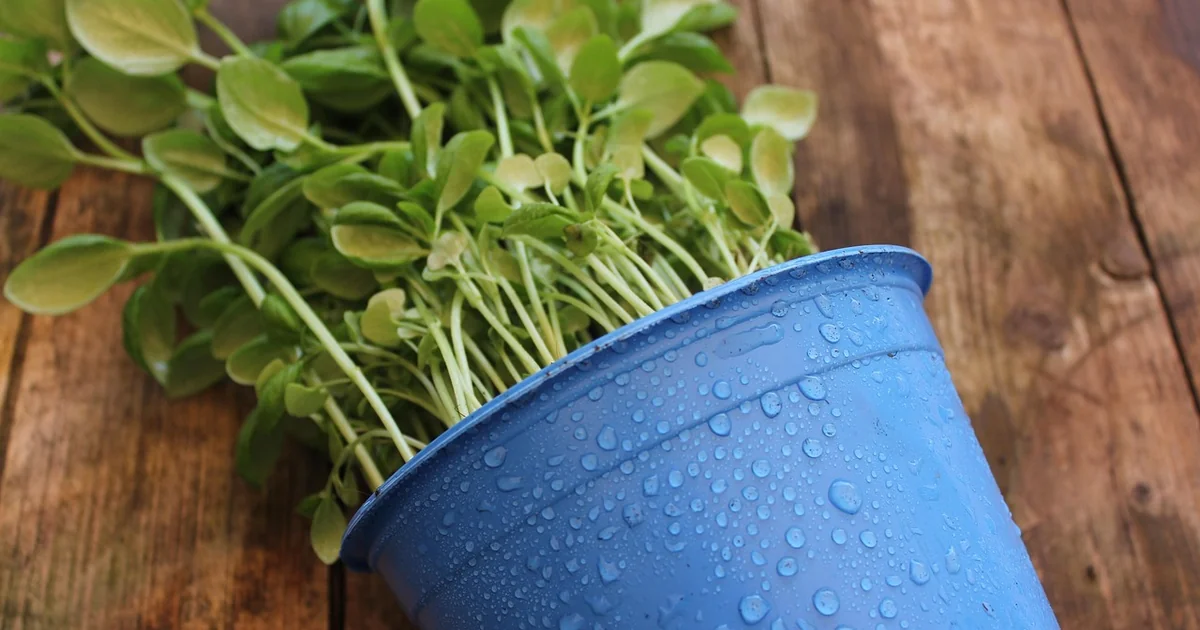
The Case for Containers
Over 70% of popular culinary herbs originate from the Mediterranean basin. They evolved in rocky, sandy soils with excellent drainage. Standard garden beds, especially those with heavy clay or rich organic matter, can be a death sentence for these plants. Pots give you absolute control. You dictate the soil texture, the drainage speed, and the moisture levels. This control makes selecting specific herbs for pots a strategic decision rather than a compromise.
Container gardening also solves the problem of invasive spread. Some herbs send out underground runners that can take over a garden bed in a single season. A pot acts as an impenetrable barrier. It also allows you to create microclimates. You can move a sun-loving plant into the shade during a heatwave or bring a tender perennial indoors before the first frost. This flexibility is impossible with in-ground planting.
7 Herbs That Thrive in Pots
These seven herbs will actually perform better in a pot than in the ground. Before planting, check that they are compatible with your USDA hardiness zone. If they are not, you can always grow them outdoors in summer and move them indoors over winter. Together, they offer a versatile, kitchen-ready mix that works across a wide range of cuisines.
1. Mint (Mentha)
Mint is a delightful culinary herb with many uses, both fresh and dried. It is tolerant of neglect and hard to kill. This makes mint incredibly easy to grow, but also a menace in the garden. It spreads very aggressively by runners called stolons. A single mint plant can send these stolons 4 feet outward in one growing season, invading flower beds and even creeping into lawns.
Planting mint in the ground can lead to a quick takeover. Instead, grow mint in pots. This keeps the rapidly spreading plants contained and allows you to grow them on patios, balconies, and porches. It is much quicker to start with a small nursery plant than from seed. Once your mint plant is 4 to 6 inches tall, start harvesting it regularly by pinching off stems just above nodes. This will give you a regular harvest and encourage branching and dense growth. Mint is hardy in zones 3 through 11, making it one of the most adaptable herbs for pots in any climate.
2. Basil (Ocimum basilicum)
Basil is a culinary staple. In the garden, it requires warm weather and soil that tends towards dry. Soggy soil can kill a basil plant quickly. Damping off disease, caused by soil-borne fungi, kills more basil seedlings than any other factor. A sterile potting mix in a clean pot virtually eliminates this risk.
This factor makes container growing ideal for basil. It gives you better control over soil moisture and drainage. Basil is only hardy in zones 10 through 11, but it grows fast as a summer annual. You will have time to grow several rounds of basil plants by succession planting seeds every couple of weeks. You can harvest basil leaves by pinching as soon as the plant has several sets of mature leaves. Pinch off flowers as soon as you see them appear to keep the leaves fresh and tasty. With over 160 varieties available, from Genovese to Thai to Lemon, a pot lets you experiment without committing a large garden bed.
3. Rosemary (Salvia rosmarinus)
Rosemary needs dry soil to thrive. It has a very fine, fibrous root system that is highly susceptible to root rot. Heavy clay soil in gardens is a common killer of rosemary, especially during wet winters. By growing rosemary in a pot, you can be sure you do not overwater the plant.
A terracotta pot with a large drainage hole provides the perfect environment. The porous clay wicks away excess moisture, preventing the roots from sitting in water. In zones colder than 8, a pot allows you to bring this tender perennial indoors for winter. With proper care, a potted rosemary plant can live for 20 years. You can start snipping off stems once the plant is large and full. Choose newer growth for cooking, but remove any type of growth to use as seasonal decor and fragrance.
4. Thyme (Thymus vulgaris)
Thyme can be tricky to grow in the ground if you do not get the soil right. It demands a lean, gritty soil. Rich garden soil causes it to grow lush and floppy, losing its essential oils. A shallow, wide container filled with a mix of potting soil and perlite mimics its native rocky hillsides.
There are over 300 species of thyme, each with a slightly different flavor profile. Common thyme, lemon thyme, and creeping thyme all benefit from the controlled environment of a pot. Thyme’s antiseptic properties made it a key ingredient in battlefield medicine. It needs that same lean, dry soil to produce its thymol oils. Trim back woody stems in early spring to encourage new, tender growth. A potted thyme plant will reward you with fragrant leaves for years.
5. Oregano (Origanum vulgare)
Oregano is a close cousin of mint and shares its aggressive spreading habit. In a garden bed, it can quickly crowd out neighboring plants. A pot keeps it contained. Furthermore, oregano’s flavor is most potent when the plant is slightly stressed by dry soil, which is easier to manage in a container.
Oregano’s flavor profile changes dramatically based on soil moisture. Dry soil produces a sharp, peppery flavor. Wet soil produces a bland, grassy taste. By growing oregano in a pot, you have complete control over its moisture levels. Cut the plant back to the ground in fall for vigorous spring regrowth. This hardy perennial will bounce back year after year, providing a steady supply of dried or fresh leaves.
You may also enjoy reading: 7 May Seed Starting Ideas to Plant Now.
6. Cilantro / Coriander (Coriandrum sativum)
Cilantro is a biennial that behaves like an annual, and it is notorious for bolting. It goes to seed at the first sign of heat or stress. Because pots can be moved to a shaded, cooler location during a heatwave, you can extend your harvest by several weeks. The deep taproot also benefits from the loose soil in a deep pot.
The double life of this plant makes it uniquely valuable. You harvest the leaves as cilantro in the cool spring and fall. When the plant bolts, it produces coriander seeds, which are a staple spice in many cuisines. A pot allows you to harvest both. Use deep pots to accommodate the taproot, and practice succession sowing every 2 to 3 weeks for a continuous harvest. Cilantro can go from seed to harvest in as little as 3 to 4 weeks.
7. Lavender (Lavandula)
Lavender is the ultimate test of a gardener’s restraint with water. It requires alkaline soil, full sun, and absolutely perfect drainage. Winter wet is the primary cause of lavender death. Growing it in a pot with a high-grit mix and sheltering it from winter rain is the most reliable way to keep it alive for years.
Lavender’s name comes from the Latin “lavare,” meaning to wash, as it was used in Roman baths. It requires a soil pH of 6.5 to 7.5. Only about 50% of lavender survives its first winter in heavy garden soil. A clay pot helps wick away excess moisture. Use a potting mix amended with horticultural grit or perlite. Prune it lightly after flowering to keep the plant compact and woody. A potted lavender plant is not just a culinary herb; it is a fragrant, beautiful addition to any patio.
Setting Up Your Container Herb Garden for Success
While each type of herb has unique needs, there are some basic rules to follow when growing herbs for pots. Getting these fundamentals right will save you time and frustration.
Choosing the Right Pot
Different materials have their pros and cons, but what really matters is drainage. Make sure whatever pot you choose has drainage holes in the bottom. Terracotta is excellent for Mediterranean herbs like rosemary and lavender because it wicks moisture away. Plastic or glazed ceramic pots retain moisture better, which can be good for mint and basil, but require careful watering.
The Perfect Potting Mix
Use a sterile, high-quality potting mix. Do not be tempted to simply dig dirt out of your garden. Garden soil is too heavy for containers. It compacts, suffocates roots, and introduces pathogens. A high-quality potting mix contains perlite or vermiculite for aeration and peat moss or coco coir for moisture retention. For herbs like rosemary, lavender, and thyme, mix in a handful of horticultural grit or sand to improve drainage further.
Watering and Sunlight
Water and light needs vary, but most herbs need full sun. This means at least 6 to 8 hours of direct sunlight per day. Some tolerate dry soil better than others. All should be watered regularly and never allowed to dry out completely or get soggy or waterlogged. Check the soil moisture with your finger. If the top inch of soil is dry, it is time to water. Grouping pots together can create a beneficial microclimate, helping to retain humidity and reduce watering frequency.
Container gardening transforms the challenge of growing Mediterranean herbs into a manageable, rewarding routine. By choosing these seven herbs for pots, you bypass the most common soil and space issues, bringing a thriving, fragrant kitchen garden within easy reach.