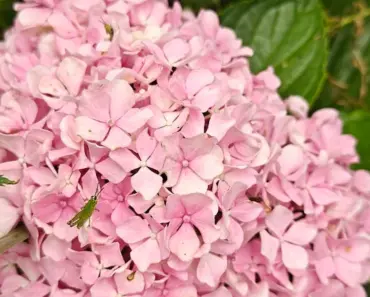
The vanilla orchid, with its delicate greenish-yellow blooms and sprawling vines, captivates many gardeners. Yet the idea of growing one often feels intimidating. People imagine a finicky tropical plant demanding a personal greenhouse and a botany degree. The truth is more approachable. The plant rewards patience with something extraordinary: the chance to produce your own vanilla beans.
Recreating a Tropical Microclimate at Home
The core of successful cultivation lies in mimicry. In its native range across Central America and the Caribbean, Vanilla planifolia climbs trees under a dappled canopy. It experiences warmth, consistent moisture, and high humidity. Your goal is to replicate those three elements. This means controlling temperature, providing consistent moisture, and ensuring the air around the vine stays humid. A simple setup with a humidity tray, a reliable misting routine, and a thermometer can achieve this even outside the tropics.
Light Requirements for Healthy Growth
One of the most frequent mistakes people make involves light placement. These plants do not want direct sun. They thrive in bright, indirect light, reminiscent of the filtered sunlight on a forest floor. A position near an east-facing window works well because it captures gentle morning rays.
South and west exposures are problematic. The intense afternoon sun scorches the leaves, causing them to yellow and dry out at the edges. If you only have a south-facing window, place the orchid a few feet back from the glass or use a sheer curtain to diffuse the light. Indoors, supplemental grow lights can also work if natural brightness is limited. Aim for about 12 hours of good quality, indirect light daily.
Soil and Planting Medium: Building a Strong Start
Soil selection is critical in the early stages. A common misconception is that a standard orchid bark mix is correct. For a young vanilla vine, that mix is often too airy. You need a medium that holds slightly more moisture while still draining perfectly.
Start your cutting or small plant in a blend of equal parts orchid bark and a quality potting mix. This creates a denser, more nurturing environment. It provides excellent drainage while the vine establishes itself. The higher moisture retention encourages robust root growth initially.
Once the vine develops its epiphytic roots, the role of the potting mix changes. These aerial roots, which grow along the stem, are designed to cling to bark and absorb moisture and nutrients from the air and organic debris. At this stage, the plant relies less on the potting medium. You might notice the original mix breaking down over time, but the orchid continues thriving as long as its above-ground roots are healthy.
Watering Strategies for a Climbing Vine
Watering a vanilla orchid differs significantly from watering a standard Phalaenopsis. You are not just watering a pot of bark. You are supporting a vine that grows on a vertical structure, such as a wooden trellis or a piece of lumber. The vine develops roots that travel both into the pot and along the support.
Keep the wooden trellis itself damp. Mist it regularly or run water over it during watering sessions. These aerial roots draw moisture directly from the wood and the surrounding air. For the pot, allow the top inch of the potting mix to dry slightly between waterings. This prevents waterlogged conditions that lead to root rot. During dry winter months, reduce watering frequency slightly, as growth slows.
Temperature and Humidity: The Climate Imperatives
Vanilla orchids have specific temperature preferences. They need warmth day and night. Ideal daytime temperatures hover between 80°F and 95°F, while nighttime temperatures should stay between 60°F and 70°F. Consistent temperatures within this range promote healthy growth and eventual flowering.
Frost is deadly. If your climate experiences temperatures below 50°F, your orchid must live in a greenhouse or a very warm indoor room. A sunroom or a south-facing bathroom can work well if you maintain the warmth.
Humidity is non-negotiable. Aim for a consistent 80 percent relative humidity. Regular misting helps, but a dedicated humidifier or a room with naturally high moisture, like a bathroom, is more effective. Ensure good air circulation with a small fan. Stagnant, humid air invites fungal issues and rot.
A Note on Air Movement
High humidity without air flow is a recipe for disaster. Use a small oscillating fan on a low setting to keep the air moving around the vine. This prevents moisture from settling on leaves and stems, which causes fungal infections. Position the fan so it does not blow directly on the plant, but creates a gentle breeze in the room.
Fertilization Schedule for Vigorous Growth
These vines are not heavy feeders, but they appreciate consistent nutrition during their active growing season in spring and summer. Use a balanced orchid fertilizer, diluted to half strength. Apply it every two weeks.
During fall and winter, reduce fertilizing to once a month or stop entirely if growth slows. Over-fertilizing, especially with high-nitrogen formulas, encourages lush leaf growth at the expense of flowers. Look for a fertilizer with a higher middle number, phosphorus, to support blooming potential when the plant matures.
Pruning and Training Your Vanilla Vine
Outdoors, a vanilla vine can stretch 75 to 100 feet. Indoors, you can manage it at 8 to 10 feet through strategic training and pruning. The goal is to keep the vine within your growing space without inhibiting its ability to bloom.
Training is simple. Run the vine laterally along your support structure. This allows you to grow a longer vine in a compact area. Use soft plant ties to secure the stem to the trellis, leaving room for expansion.
Pruning is not needed for blooming. You only prune to control length. Find a spot below a growth node on the vine. Use clean, sharp shears to make a clean cut. Each cutting you remove is a perfect candidate for propagation.
Propagation from Stem Cuttings
Propagating from seed is notoriously difficult for home growers. It requires sterile conditions and specific fungi. Stem cuttings offer a much more reliable path. The process is straightforward.
You may also enjoy reading: 7 Top Tomato Growing Tips from an Expert.
Select a segment of vine with at least six growth nodes. Remove the two lowest leaves. Fill a small pot with moist sphagnum moss or a mix of orchid bark, peat moss, perlite, and orchid bark. Bury the lower nodes in the medium, pressing it firmly around the base. Insert a plant stake and secure the cutting to it.
Keep the medium consistently damp for four to six weeks. New growth indicates rooting. Once the cutting begins to vine, you can transfer it to a larger permanent setup. This method allows you to multiply your collection or share with friends.
Pollination: The Key to Vanilla Beans
Producing vanilla beans requires manual pollination. The natural pollinator, a specific species of bee native to Mexico, does not exist outside its range. You must become the bee.
Patience is mandatory. A plant typically takes three to five years from cutting to its first flowers. When blooms appear, they appear, you have a narrow 12-hour window. The flowers open in the morning and close by evening.
Use a toothpick, a thin stick, or a chopstick. Gently lift the rostellum, a small flap inside the flower that separates the male and female parts. Press the sticky pollen mass against the receptive stigma. A successful pollination is indicated when the flower is withered but remains attached to the vine. Within a week, a small green bean begins to swell.
Harvesting and Curing Your Vanilla Pods
The beans take nine to ten months to mature. They are ready when the pod turns yellow at the blossom end. Harvest from October through March. A good pod measures at least six inches long.
Curing is an art. Freshly picked pods have no fragrance. The process develops the signature vanilla aroma. You wrap each pod individually in a cloth or paper towel daily for six weeks, keeping them warm and moist. This step is sometimes called sweating.
After sweating, dry the pods in indirect sun or under a heat lamp during the day, then wrap them again at night. Finally, store them in a sealed container in a dark, dry place for three months. The aroma deepens and the pods become supple, dark, and fragrant. This is your homegrown vanilla.
Potting and Repotting Considerations
Once your vanilla orchid establishes its epiphytic roots, repotting becomes unnecessary. The original pot and mix serve mainly as an anchor. The vine draws most of its resources from the air and its wooden support.
If the original potting medium begins to decompose, you can gently remove the plant from its pot, replace the mix, and place it back. Do this only when necessary, and handle the roots carefully. The plant will appreciate the fresh medium, but it does not need a larger pot. Focus your energy on maintaining the trellis and the humidity around the vine.
Common Problems and Practical Solutions
Leaf Yellowing
Yellow leaves often signal overwatering or poor drainage. Check that your potting mix is not staying soggy. Also, assess light levels. Too little light causes foliage to pale, while too much direct sun burns leaves.
Lack of Blooms
If a mature plant fails to flower, the most common causes are insufficient light or unstable temperatures. Ensure your orchid receives bright, indirect light for most of the day. Also, maintain a consistent day-night temperature swing of about 20°F, which triggers flowering hormones.
Root Rot
This occurs when the pot stays waterlogged. Use a bark-based mix and allow it to dry slightly between waterings. Ensure the pot has drainage holes. Remove any mushy roots immediately with sterilized scissors.