On a gray winter afternoon, I watched the moving truck pull away from a house I barely recognized as my own. The front garden held a tangle of bare, twisting branches against a pale sky. I barely gave it a second thought. Then spring arrived, and everything changed. The tree erupted into huge pinky-white blooms that looked almost too perfect to be real. Honestly, it felt like something out of a fairytale. That was the beginning of my magnolia tree story, a tale that would eventually turn an entire street into a living gallery of flowering beauty.
The Tree That Started It All
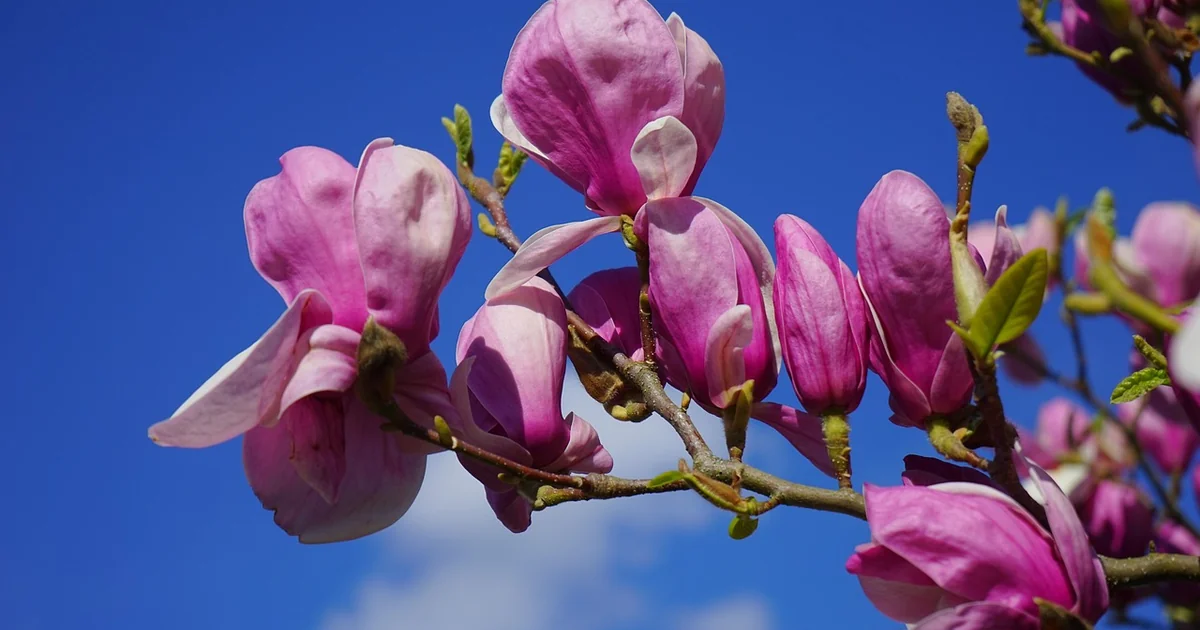
When I first saw the bare branches in winter, I had no idea what kind of tree stood in my new yard. It looked like a sculpture of twisted wood, graceful but silent. Within weeks of warming weather, tight fist-like buds appeared along every branch. Then one morning, I stepped outside to find the whole tree covered in enormous pinky-white blossoms, each one like a tulip made of silk, opening directly on the wood before a single leaf had emerged. The sight stopped me cold. Now I cannot imagine the space without my magnolia. It puts on one of the most spectacular spring shows a single plant can deliver.
Why Magnolias Feel Almost Magical
One of the most astonishing things about magnolias is how ancient they are. Scientists describe them as living fossils. These flowering trees evolved millions of years ago, long before bees existed in their current form. That means dinosaurs would have known magnolia blossoms long before any pollinator buzzed through a petal. The flowers themselves are tough and primitive in structure, designed to be pollinated by beetles. This evolutionary history gives every magnolia a quiet, prehistoric dignity.
Even the flowers are edible, though I rarely do much with them. I once tried frying them lightly, similar to squash blossoms, and they were tasty. But usually I let them fall naturally, scattering like confetti across the grass. They feel too special to eat.
How the Neighbors Got Involved
For a while I thought I was the only one who noticed the tree doing its thing. Then both neighbors on either side made their feelings very clear: under no circumstances was I to remove it. I had never planned to, but their passion caught me off guard. They told me how much joy the blossoms brought them every spring. Then something even more wonderful happened. They went out and bought their own magnolia saplings. Within a few years, I could see young magnolias growing in gardens up and down the street.
That quiet ripple effect spread until seven neighbors had planted magnolias too. Each one has its own story, its own reason for appearing, and its own place in the shared seasonal rhythm we now enjoy together.
Neighbor 1: The Retired Gardener
Margaret had been growing roses for forty years. She told me she had never considered a magnolia until she saw mine from her kitchen window. “Those huge blossoms changed my mind,” she said. She planted a ‘Jane’ magnolia, a smaller variety that blooms a bit later than mine, so we now have two waves of color on the street.
Neighbor 2: The Young Family
Across the street, the Parkers just had their first baby. They planted a ‘Leonard Messel’ magnolia with its two-toned purple and pink flowers. The mother told me she wanted her daughter to grow up with a tree that marked the seasons. “I want her to remember the blossoms, just like she’ll remember birthdays,” she said.
Neighbor 3: The Newlyweds
Tom and Sarah moved in two years ago. They planted a ‘Butterflies’ magnolia, a rare variety with canary-yellow double blooms. Tom said the yellow reminded him of sunshine, and they wanted a tree that would “announce happiness” every spring.
Neighbor 4: The Longtime Resident
Mr. Chen has lived on the street for thirty years. He watched my magnolia for three full seasons before planting his own. He chose a ‘Royal Star’ magnolia, a compact tree with white star-shaped flowers. “I wanted something that blooms earlier than yours,” he explained, “so we can have magnolia flowers for nearly two months straight.”
Neighbor 5: The Weekend Angler
Louise spends every Saturday fishing at the lake. She said the scent of my magnolia drifting across the street reminded her of the sweet smell of water lilies. She planted a ‘Susan’ magnolia, which has bold reddish-purple blooms that appear later in the season. “This way I get magnolia flowers into early summer,” she said.
Neighbor 6: The Empty-Nester
After her last child left for college, Diane felt her garden was too quiet. She planted a ‘Betty’ magnolia, a compact hybrid with pinkish-purple petals. “I needed something that felt alive,” she told me. The tree now draws cardinals and finches into her yard all summer long.
Neighbor 7: The New Grandmother
Recently retired and expecting her first grandchild, Brenda chose a ‘Yellow Bird’ magnolia with soft lemony blooms. She said she wanted a tree that would be in full flower when the baby arrived in late spring. “I want the baby to grow up knowing what a magnolia looks like,” she explained.
What Makes a Magnolia Tree Story So Compelling
Each of these neighbors has their own magnolia tree story, yet they all share a common thread: the tree became a marker of time, a way to connect with seasons and memories. My favorite thing about my own magnolia is how it serves as a living calendar. Spring begins with its bloom. Summer settles beneath its shade. Fall warms it with buttery golds and bronzes. Winter strips it back to a stark, architectural silhouette waiting for the cycle to begin again.
You may also enjoy reading: 9 Stunning Ways to Reinvent Your Garden Using Indoor Decor.
When I was pregnant with each of my daughters, I marked the months by the tree outside. The blossoms greeted the earliest weeks of my first pregnancy. The second child arrived just as the leaves turned golden. That tree witnessed every milestone. It is not just a plant; it is a diary written in wood and petals.
The Edible Side of Magnolia Flowers
Some magnolia blossoms are edible. The petals have a mild, slightly gingery flavor with a hint of citrus. You can pickle them, add them to salads, or fry them as a delicacy. I have done this only once, but the experience felt like tasting history. The same flowers that dinosaurs might have eaten, right there on my plate. That said, eat sparingly and only if you are certain your tree has not been sprayed with chemicals. Always verify the species first.
Year-Round Beauty: A Seasonal Guide
Spring
The main event. Blooms appear before leaves, covering the bare branches in pink, white, or yellow cups. This lasts about three to four weeks, though some varieties rebloom later. The fragrance is light and sweet, often compared to lemon or watermelon.
Summer
Glossy green leaves form a dense canopy that birds adore. My daughters climb the lower branches. Finches and cardinals hop through the foliage as if they own the place. There is constant movement in the tree once it is in leaf.
Fall
Leaves turn buttery gold and warm bronze before dropping. The fallen leaves create a carpet of color under the tree. A second flush of blooms sometimes appears if the weather cools, a quiet encore that feels even more precious because you are not expecting it.
Winter
The bare branches reveal a sculptural silhouette against the sky. No leaves means you can see every twist and curve. Bare again? Yes. Boring? Never. The winter form is a work of art in itself.
Underneath the Magnolia
I planted spring bulbs beneath my tree years ago. Daffodils and crocuses emerge just as the magnolia buds swell. The yellow and purple flowers create a layered display that draws the eye down and up at the same time. Neighbors stop to take photos. Strangers walking dogs pause to admire the scene. The tree makes people happy without any effort at all.
It has become a shared seasonal event without anyone actually agreeing to it. The first person to spot a magnolia blossom on the street sends a photo to the group chat. Everyone rushes outside to check their own trees. For a few weeks in spring, the whole street smells like honey and hope.
Not Bad for a Tree That Was Already Here
Not bad for a tree that was already here when I moved in, looking like nothing much at all. A tangle of bare branches against a gray sky. Then spring arrived. And then seven neighbors planted their own. This entire magnolia tree story started with a plant I nearly ignored. Now it defines the rhythm of my street. If you have a magnolia, treasure it. If you don’t, consider planting one. You might start a quiet revolution in your own neighborhood, one blossom at a time.