When you decide to sell your home, the clock starts ticking. Every showing is a chance to capture a buyer’s imagination, and every distraction is a risk. Real estate professionals know that the fastest sales happen in homes that feel like a blank canvas. The secret often lies not in what you add, but in what you take away. Understanding the specific items to remove for a quicker sale can be the difference between a weekend of offers and months of price reductions.

Why Removing Personal Traces Matters for a Quick Sale
Buyers are not shopping for your life story. They are shopping for their future home. When a space is filled with your personal belongings, it becomes harder for them to mentally move in. Staging experts have found that homes with neutral, depersonalized interiors sell up to 73% faster than those filled with personal clutter. The goal is to create a setting where a buyer can see their own furniture, their own photos, and their own routines. This shift in perspective is powerful. It turns a house into a possibility.
The 7 Specific Items You Must Remove
Here is the exact list that seasoned agents and staging professionals recommend you address before your first open house. These are the primary items to remove for a faster, smoother transaction.
1. Family Photos and Personal Memorabilia
This is the most common advice, yet it is also the one sellers resist most. Your family photos are cherished, but they are a major obstacle for a buyer. A wall of graduation portraits, wedding snapshots, or baby pictures immediately tells a buyer, “This is their home, not mine.”
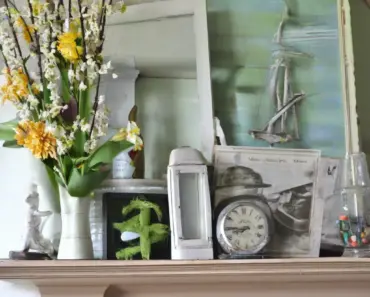
Removing these personal artifacts does more than just depersonalize. It creates emotional neutrality. A buyer can walk through a living room and imagine hanging their own art without feeling like an intruder. Pack these items away in a box marked “New Home.” Take them off the walls, off the mantel, and off the refrigerator. Even a single framed photo on a nightstand can be a subtle reminder that the space is owned by someone else.
Stacie Staub, a real estate broker and co-founder of West + Main, emphasizes that this step helps the house feel more like a model home. It invites buyers to project their own lives onto the space. This is one of the most critical items to remove for achieving that neutral, welcoming atmosphere.
2. Pet Supplies and Evidence of Animals
Your dog or cat is a beloved family member. To a potential buyer who is allergic, afraid of animals, or simply prefers a pristine environment, pet items are a red flag. The presence of a litter box, a dog crate, food bowls, or pet beds can raise immediate concerns about odors, dander, and hidden damage.
It is not enough to just hide the supplies. You must also remove the evidence. This means vacuuming thoroughly, steam cleaning carpets, and wiping down baseboards where pet hair collects. A home that smells like a dog or a cat will lose buyers before they even finish the tour. Real estate experts recommend stashing all pet gear in a garage or a locked closet before every showing. Give the house a deep clean and use an enzyme-based odor neutralizer on carpets and upholstery. The goal is to make the home feel fresh and universally inviting, regardless of someone’s feelings about animals.
3. Visible Home Security Cameras and Signage
Home security is a smart investment for your family. But when you are selling, visible cameras and alarm company yard signs can send the wrong message. A buyer might wonder, “Is this neighborhood dangerous? What is the seller so worried about?”
This concern is not about the security system itself. It is about the perception it creates. A camera pointed at the front door or a decal on the window can make a buyer feel watched or uneasy. It can also suggest that the area has a crime problem, which is a major turnoff. The solution is simple. Remove the yard signs and decals. If your cameras are hardwired, consider covering them with a small piece of tape or a cloth during showings. If they are portable, take them down entirely. You want the first impression to be warm and open, not defensive or suspicious. This is a subtle but powerful item to remove for creating a peaceful entry experience.
4. Bulky or Excess Furniture
Buyers are paying for square footage. If your furniture makes a room feel small, you are effectively reducing the perceived value of your home. Oversized couches, heavy armoires, and extra chairs that crowd a dining area can make a 1,500-square-foot home feel like 1,200 square feet.
Alan Taylor, a top-ranked Los Angeles-based real estate agent, states plainly that bulky furniture can kill a buyer’s emotional connection to a space. The solution is to edit ruthlessly. Remove any piece of furniture that is not essential. A living room should have a sofa, a coffee table, and maybe one accent chair. A dining room should have a table and chairs, not a massive hutch or sideboard. Store the extra pieces in a rental storage unit or a friend’s garage. The goal is to highlight the room’s dimensions and flow. When a buyer walks into a room and sees open floor space, they mentally add value. This is one of the most impactful items to remove for maximizing your home’s perceived size.
5. Controversial or Distracting Decor
Your home is your sanctuary, and you have the right to express yourself. But when you are selling, your personal taste must take a back seat to broad market appeal. This category includes political signs, religious icons, hunting trophies, provocative art, and even strong sports team memorabilia.
You may also enjoy reading: 5 Ways Designers Made Honey-Toned Wood Kitchen Cabinets Chic.
Andress Eichstadt, co-owner of BY Design Home Staging, warns that anything that could be considered offensive, insensitive, or divisive should be packed away immediately. A buyer who disagrees with your political stance or finds your decor off-putting is not likely to make a generous offer. They might even walk out before seeing the rest of the house. The goal is to create a blank slate. Remove anything that could spark a negative reaction. This includes bumper stickers on the refrigerator, posters in a teenager’s room, and any decor that features slogans or imagery. Neutral is the safest path. You want buyers to focus on the architecture, the light, and the space, not on your personal beliefs.
6. Standing Fans and Space Heaters
This item might seem small, but it speaks volumes to a savvy buyer. A visible space heater or a standing fan can immediately trigger suspicion about the home’s heating, ventilation, and air conditioning (HVAC) system. A buyer might think, “Is the upstairs too hot in summer? Is the basement drafty in winter?”
Even if your HVAC system is brand new and perfectly maintained, these appliances signal a potential problem. They suggest that the current owner had to compensate for a comfort issue. The fix is simple. Before any showing, put away all portable fans and space heaters. Store them in a closet, a basement, or a garage. If a room feels warm, open a window. If it feels cool, turn up the thermostat before the buyers arrive. You want the home to feel comfortable without any visible crutches. This is a small but telling item to remove for avoiding unnecessary buyer questions and doubts.
7. General Clutter from Every Surface
Clutter is the enemy of a fast sale. It is the visual noise that distracts buyers from seeing the home’s best features. This includes mail piled on the counter, toiletries on the bathroom vanity, books stacked on the nightstand, and toys scattered on the floor. Clutter makes a home feel smaller, dirtier, and more chaotic than it actually is.
A study by the National Association of Realtors found that 83% of buyers’ agents believe that staging a home makes it easier for a buyer to visualize the property as their future home. A clean, clear surface is the foundation of good staging. Clear off every countertop, table, and shelf. Leave only a few carefully chosen decorative items, like a vase of fresh flowers or a single stack of coffee table books. Store away small appliances, phone chargers, and personal care items. The goal is to create a sense of calm and spaciousness. When a buyer walks into a kitchen with empty countertops, they see potential. When they see a cluttered counter, they see work. This is the most fundamental items to remove for a successful sale.
Practical Steps for Executing a Declutter
Knowing what to remove is only half the battle. You also need a plan to do it efficiently. Start by renting a small storage unit for one or two months. This gives you a dedicated space to store the items you remove. Go room by room with three boxes: one for trash, one for donations, and one for storage. Do not try to do the whole house in one day. Tackle one room every evening.
Pay special attention to the entryway, the kitchen, and the master bedroom. These are the three most important spaces for buyers. The entryway should feel open and welcoming. The kitchen should look clean and spacious. The master bedroom should feel like a retreat. In each of these rooms, apply the “80% rule.” Remove about 80% of the items on display. Leave only the essentials and a few tasteful accents.
The Financial Logic Behind Depersonalizing
Some sellers hesitate to remove their belongings because it feels like extra work. But the financial incentive is clear. Staged homes sell for an average of 5% to 15% more than non-staged homes, according to data from the Real Estate Staging Association. When you consider that the median home price in the United States is well over $300,000, that percentage translates into thousands of dollars.
Furthermore, homes that are staged and depersonalized spend significantly less time on the market. A home that sits for months often requires price reductions. The cost of a storage unit for one or two months is a fraction of the cost of a single price drop. Viewing this process as an investment in your sale price makes the effort feel worthwhile.