Few vegetables announce the arrival of spring with the same quiet triumph as asparagus. While your neighbors are still scraping frost off their windshields, the first tender spears are pushing through the warming soil. But here is the truth that separates a seasoned grower from a disappointed beginner: harvesting asparagus is not a simple grab-and-snip affair. It demands a specific rhythm, a deep understanding of the plant’s biology, and the discipline to wait when every instinct says to pick.
Secret Two: Harvest at the Exact Right Height — The 6-to-10-Inch Window
The most common mistake in harvesting asparagus is picking spears too early or too late. A spear that is four inches tall is still developing its fiber structure. Cutting it that early reduces the total yield because the plant will send up a replacement spear, but that replacement will be thinner and weaker.
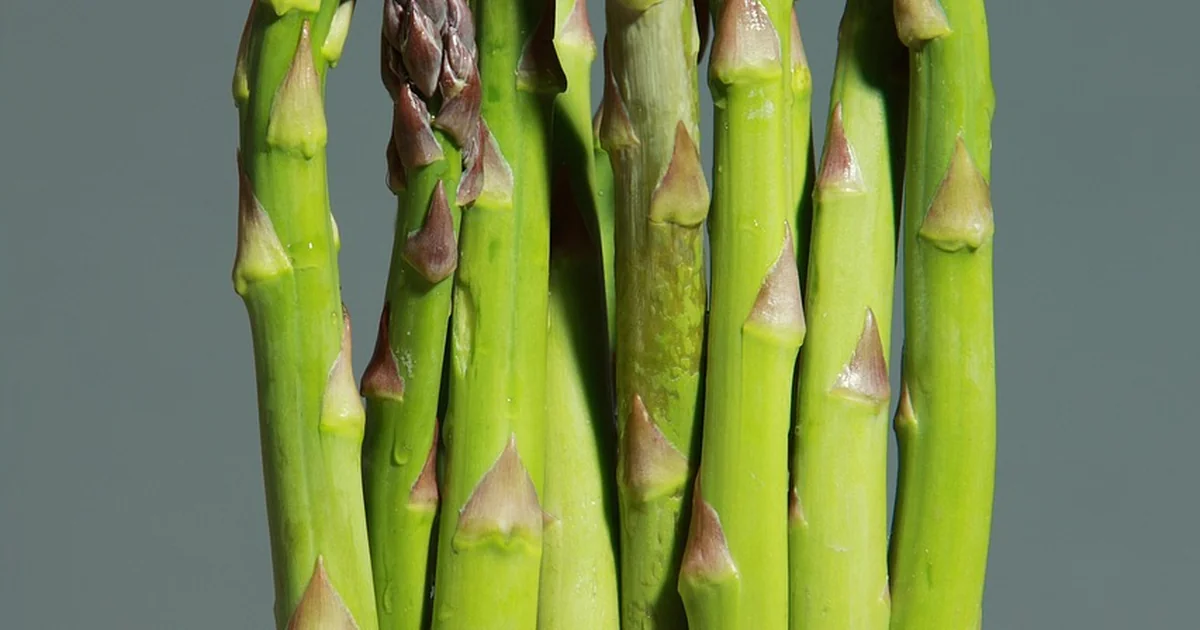
Wait until the spear reaches between six and ten inches in height. At this stage, the tip is still tightly closed. The spear is tender but sturdy enough to hold its shape during transport and cooking. If you let a spear grow past ten inches, the tip begins to loosen and the base becomes woody. Those spears are better left to grow into the ferny foliage that feeds the crown.
Measure by sight, not guesswork. A standard pencil is about seven inches long. A dollar bill is six inches. Use these everyday objects as a quick reference when you are in the garden at dawn with a basket in hand.
What About Spear Thickness?
Thickness is not a reliable indicator of readiness. Some varieties naturally produce thicker spears than others. A thin spear that is eight inches tall with a tight tip is perfectly good to harvest. A thick spear that is five inches tall should stay in the ground for another day or two. Focus on height and tip tightness, not girth.
Secret Three: Use the Correct Cutting Technique — Knife vs. Snap
There are two schools of thought on how to remove a spear, and both work when done correctly. The first method uses a clean, sharp knife or gardening shears. Cut the spear at ground level, just below the soil surface. This leaves no stub above ground, which reduces the chance of disease entering the cut end.
The second method is the snap. Grasp the spear near the base and bend it gently toward the ground. It will naturally break at the point where the tender part meets the woody part. This is a satisfying method because it separates the edible portion from the inedible portion instantly. No trimming needed later.
Whichever method you choose, keep your cutting tool sanitized. Dip your knife or shears in a solution of one part bleach to nine parts water between plants, especially if you notice any soft spots or discoloration on the spears. Asparagus is susceptible to fungal diseases that can enter through fresh cuts.
A Word on Timing Within the Day
Harvest in the early morning, before the sun warms the spears. Cool spears are crisper and less likely to wilt in your basket. If you harvest in the afternoon heat, the spears will be limp by the time you reach the kitchen. Place them in a damp paper towel inside a plastic bag and refrigerate immediately. They will stay fresh for up to a week, though the flavor is best within 24 hours.
Secret Four: Know Exactly When to Stop — The July 1 Rule and Plant Signals
One of the hardest lessons for new asparagus growers is knowing when to put the knife away. The general guideline is to stop harvesting asparagus by July 1. But this date is not magical. It depends on your climate, the vigor of your plants, and the signals the bed itself is sending you.
Here is the science behind the date. Asparagus spears grow from energy stored in the crown from the previous year. As you harvest, you are depleting that stored energy. The plant needs time after harvesting to regrow its ferny foliage, which will photosynthesize all summer and replenish the crown for next spring. If you harvest too late into the summer, the plant does not have enough warm days left to rebuild its energy reserves before winter dormancy.
The visual signal to stop is a decrease in spear diameter. When the new spears emerging are noticeably thinner than a pencil, the crown is running low on stored energy. Stop harvesting immediately. Let those thin spears grow into ferns. This is not a sign of failure. It is the plant telling you it needs a break.
How to Handle a Short Growing Season
If you live in a region with a short growing season, such as a northern climate with cool summers, your harvest window may be shorter than six weeks. Start counting from the first day you harvest. If you harvest for only four weeks and the spears are still thick, you can continue. But keep a close eye on that pencil test. When the spears thin out, stop, regardless of the calendar date.
Secret Five: Feed Your Asparagus Like a Heavyweight Athlete
Asparagus is a heavy feeder. It pulls massive amounts of nutrients from the soil every year. If you do not replenish those nutrients, your harvests will dwindle. The key nutrient for asparagus is phosphorus, not nitrogen. Nitrogen encourages leafy growth, but you do not want leaves on your spears. You want thick, tender stems.
Before planting, dig a trench eight to ten inches deep. Space trenches four feet apart. In the bottom of each trench, spread a high-phosphorus fertilizer such as 0-20-0. This means zero nitrogen, twenty percent phosphorus, and zero potassium. Mix it into the soil at the bottom of the trench. An organic alternative is bone meal, which is naturally high in phosphorus. Sprinkle a layer of bone meal about one inch thick along the trench bottom and mix it in.
Place the crowns flat in the trench, spacing them 12 to 18 inches apart. Cover them with only two inches of soil. As the spears grow, gradually backfill the trench with more soil until it is level with the ground. This process encourages deep root development.
Annual Fertilization Schedule
Each spring, before the spears emerge, top-dress the bed with a balanced fertilizer such as 10-10-10. Apply it at a rate of one pound per 100 square feet of bed. In the fall, after the ferns have died back and been cut to the ground, spread a two-inch layer of well-rotted compost over the entire bed. This slow-release feeding ensures the crown has nutrients available when it wakes up in the spring.
Secret Six: Read the Bed for Long-Term Health — Division and Transplanting
Even a well-maintained asparagus bed will eventually show signs of fatigue. After seven to ten years, you may notice that the harvest is not as abundant as it once was. The spears are thinner. The ferns are less lush. This does not mean the bed is dead. It means the crowns have become overcrowded.
Asparagus crowns spread outward as they age. Over time, they compete with each other for water and nutrients. The solution is to divide and transplant. In early spring, before the spears emerge, dig up the entire clump of crowns. You will see a tangled mass of roots. Use a sharp spade to cut the clump into sections, each containing at least three or four healthy buds. Replant these divisions in a freshly prepared bed with the same trench-and-backfill method you used initially.
You may also enjoy reading: 7 Easy Square Foot Gardening Tips for High-Yield Harvest.
This process resets the clock. The divided crowns will need a year to re-establish before you harvest from them again, but they will reward you with another decade of strong production. Many gardeners never do this, assuming the bed is simply old. In reality, it just needs a fresh home.
A Practical Scenario for the Home Gardener
Imagine you have a ten-year-old asparagus bed that produced only 15 spears per plant last spring. You dig up the crowns and find that they are packed together like a puzzle. You divide them into 12 separate sections and plant them in a new bed with fresh compost and bone meal. The following year, you skip harvesting. The year after that, each division produces 30 thick spears. You have effectively doubled your harvest without buying a single new crown.
Secret Seven: Maximize Your Harvest Window with Succession Timing
The final secret is about strategy. Most gardeners harvest all spears as they appear, which is fine. But if you want to extend your harvest window or manage a large bed efficiently, use a zone system.
Divide your asparagus bed into three sections. Harvest section one for two weeks, then stop. Let those spears grow into ferns. Move to section two and harvest there for two weeks. Then section three. By the time you finish section three, section one has had four weeks of regrowth, and its ferns are already photosynthesizing. This staggered approach spreads the energy drain across the entire bed and can extend your total harvest period by two to three weeks beyond the standard six-to-eight-week window.
This method works best for beds with at least 30 crowns. For smaller beds, simply harvest all spears until they thin out, then stop. The zone system is an advanced technique for gardeners who want to push the limits of what a mature bed can produce.
How Many Spears Per Harvest?
A mature crown in its fourth or fifth year can produce 20 to 30 spears per season. That means a single harvest session from a mature bed of 20 crowns can yield 400 to 600 spears over the entire season. At grocery store prices, that is a savings of roughly $80 to $120 per year, per 20-crown bed. Over 15 years, that is over $1,500 saved on a single vegetable.
Common Questions About Harvesting Asparagus
Can I harvest any spears in the second year?
Yes, but only a very light harvest. Take no more than one or two spears from each plant, and only harvest for one week. This gives the crown a chance to build strength while still giving you a small taste of what is to come.
Why are my spears thinner than a pencil?
This is a clear signal that the crown is stressed. It may be overcrowded, underfed, or harvested too late in the previous season. Stop harvesting immediately and let the remaining spears grow into ferns. Apply a phosphorus-rich fertilizer in the fall and consider dividing the crowns in the next spring.
How do I know exactly when to stop harvesting each season?
Use the pencil test. When the new spears emerging are consistently thinner than a standard pencil, stop. Also stop by July 1 in most climates, whichever comes first. If you live in a cool northern region, you may need to stop earlier.
What if my spears are over 10 inches tall?
Leave them in the ground. Let them grow into the tall, feathery ferns that feed the crown. Those ferns are not wasted. They are the engine that powers next year’s harvest. Cutting them would rob the plant of its ability to store energy.
The Aesthetic Bonus: Asparagus Ferns as Garden Ornamentals
One aspect of asparagus that surprises many gardeners is how beautiful the mature plants become. After you stop harvesting in early summer, the spears grow into airy, fern-like foliage that reaches four to five feet in height. These ferns are a soft, feathery green that adds texture to any garden bed. They sway gracefully in the breeze and provide a backdrop for lower-growing flowers.
In the fall, the ferns turn a warm golden yellow before dying back. Leave them standing through the first frost. They will catch snow and provide visual interest in the winter garden. Cut them to the ground in late winter before the new spears emerge. This cycle of growth and decay is part of the quiet rhythm of a perennial vegetable bed.
Asparagus is not a crop for the impatient. But for the gardener who learns these seven secrets, the reward is not just a vegetable. It is a relationship with a plant that will feed your family every spring for a generation. The discipline of waiting, the precision of cutting, the attentiveness to soil health — these skills turn a simple harvest into a practiced art. And every April, when those first spears push through the cold earth, you will know exactly what to do.