Why a Four-Season Pollinator Garden Matters
The steady loss of natural habitats, combined with widespread pesticide exposure and shrinking nectar sources, has put real pressure on pollinator populations across North America. Honeybee colonies face tougher winters. Native bumblebee species have declined in several regions. Monarch butterfly numbers have dropped dramatically over the past two decades.
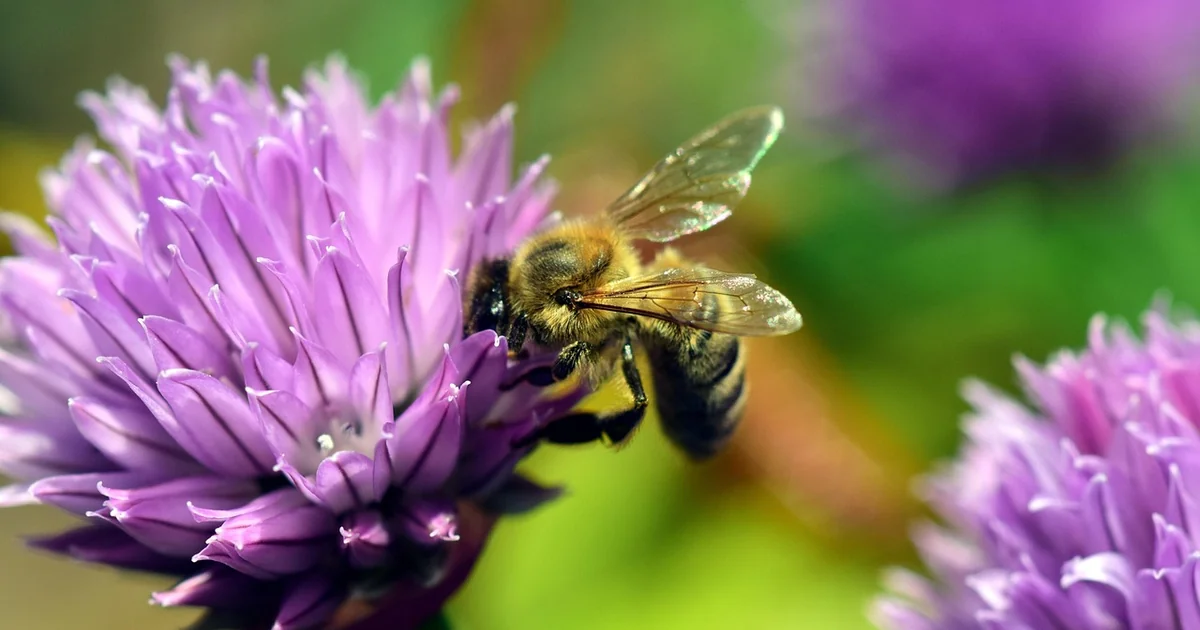
When you grow plants for bees, you support more than just valuable insects. You also help to bolster local food webs in the environment. These sustain all kinds of birds, as well as bats, turtles, frogs, and much more. Certain pollinator-friendly plants are also hummingbird magnets. What is more, some of the same plants for bees can attract beneficial insects, such as ladybugs, lacewings, and parasitic wasps. Having these critters nearby naturally helps to knock down the numbers of insect pests that might otherwise overwhelm any fruits and vegetables you are actively growing for yourself.
The benefit to gardeners extends beyond simply helping beneficial insects survive. It helps us, too. Having a wide variety of plants for bees in bloom nearly year-round means you will attract more honeybees and native bees nearby to pollinate your fruit and vegetable crops. On a much larger scale, farmers depend on bees for their crops as well. About one-third of the food we eat relies on pollinators to some degree. That single statistic underscores just how essential these creatures are to our daily lives.
From very late winter and early spring to the hottest days of summer and into the fall, any honeybees living in nearby colonies will be on the lookout for nectar and pollen. During their long migration and mating stops throughout North America, monarch butterflies also seek fuel and specialized egg-laying habitats. Add in the countless other native bees, flower flies, butterflies, and moths in search of food from spring through late summer and early fall, and you can begin to see why it is important to provide enough food plants for bees nearly year-round. By planting a mix of trees, shrubs, flowering bulbs, annuals, and perennials, you will be able to offer all kinds of pollinators what they need and when.
7 Smart Choices for a Four-Season Pollinator Garden
Building a garden that serves pollinators across all four seasons does not require a massive property or a huge budget. It does require thoughtful plant selection. The following seven choices represent the most effective categories of plants you can include. Each one fills a specific seasonal gap, ensuring that something is always in bloom from the first thaw to the last warm days of autumn.
1. Early Spring Bulbs for First Nectar
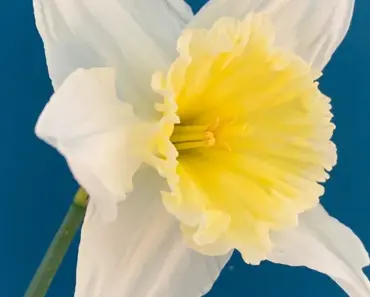
Spring-flowering bulbs like snowdrops, crocuses, bluebells, and grape hyacinths can be valuable sources of nectar and pollen before much else shows itself in the early spring. Snowdrops often push through the last patches of snow in late February or early March. Crocuses follow close behind, their cup-shaped flowers offering some of the first reliable nectar for emerging queen bumblebees. Grape hyacinths produce clusters of tiny blue blooms that honeybees find irresistible. Bluebells carpet woodland edges with nodding flowers that provide both nectar and pollen during those chilly weeks when few other plants are awake.
Plant these bulbs in drifts rather than single rows. A cluster of at least a dozen bulbs creates a visible target for foraging bees. Choose a sunny spot where the ground warms early. Avoid areas that stay wet into late spring, as bulb rot can become a problem. Once established, these bulbs will naturalize and spread over time, creating larger and larger patches of early food with no extra effort on your part.
One often-overlooked detail is that early spring bulbs provide nectar on days when temperatures barely reach 50 degrees Fahrenheit. Honeybees can forage at these cooler temperatures, but they need flowers that are open and accessible. The low-growing habit of crocuses and snowdrops means they trap heat near the ground, making their nectar slightly warmer and more attractive to cold bees. This small thermal advantage can make a real difference in late winter.
2. Spring-Flowering Trees and Shrubs
Some of the best plants for pollinators during the spring months are actually small trees or shrubs. Covered with early, nectar-rich blooms, the shrub-like serviceberry, ninebark, flowering dogwood, and Eastern redbud make great options throughout the spring. These trees and shrubs are all native to North America. The tiny petals of redbuds attract bees in mid spring as other spring blossoms are starting to open.
Serviceberry produces delicate white flowers in early spring before its leaves fully emerge. The blooms are rich in both nectar and pollen. Later in the season, the same plant produces berries that birds and small mammals eat. Ninebark offers clusters of white or pink flowers that native bees adore. Flowering dogwood provides broad, showy bracts that surround small central flowers packed with nectar. Eastern redbud bursts into pinkish-purple blooms along its bare branches, creating a striking visual display while feeding hungry pollinators.
These woody plants serve another critical function. They provide nesting sites and shelter for bees and other beneficial insects. Many native bees are solitary and nest in hollow stems or small cavities in wood. A flowering dogwood or serviceberry in your yard offers both food and housing in one package. Plant them as specimen trees in a sunny spot, or use them to create a natural hedge along a property line. Either way, you are building long-term habitat that will serve pollinators for decades.
Incidentally, these spring-blooming trees also support early-flying butterflies like the mourning cloak and comma butterfly. These species overwinter as adults and emerge on warm winter days to search for food. Having a redbud or serviceberry in bloom during those early warm spells can mean the difference between survival and starvation for these hardy butterflies.
3. Summer Perennials for Continuous Nectar
Summertime brings a bonanza of excellent plants for bees, including native perennials like bee balm, yarrow, spotted bee balm, and purple coneflower. These plants bloom for weeks at a time, providing a steady supply of nectar and pollen during the peak growing season. Bee balm produces showy red, pink, or purple flowers that are magnets for both bees and hummingbirds. Yarrow offers flat-topped clusters of tiny flowers that are easy for many small insects to land on and feed from. Spotted bee balm has unusual spotted blooms that attract a wide range of native bees. Purple coneflower provides large, daisy-like flowers with prominent central cones that bees love to crawl over.
One of the best things about these perennials is that they come back year after year, getting larger and producing more flowers each season. A single purple coneflower plant can produce dozens of blooms in its second year. By the third year, it may produce over a hundred. This means your four-season pollinator garden becomes more effective with each passing season, without requiring additional planting on your part.
Deadheading spent flowers can extend the bloom period for many of these perennials. But leave some seed heads in place as autumn approaches. Goldfinches and other seed-eating birds will visit the dried cones of coneflowers and the seed heads of bee balm throughout the winter. This adds another layer of wildlife value to your garden.
I have so many photos of bees, because I love crouching down and watching them flit from flower to flower, covered in pollen. The bumblebees that visit bee balm are particularly photogenic. They land heavily on the tubular flowers and burrow inside, emerging dusted with yellow pollen from head to abdomen. Watching this process up close gives you a real appreciation for the intricate relationship between flowers and their pollinators.
4. Heirloom Annuals for Reliable Pollen
Annuals such as sunflowers and zinnias are excellent additions to any pollinator garden. Pro-tip: when considering annuals, choose open-pollinated, old-fashioned varieties when possible. These heirloom types sometimes can supply nectar and pollen better than hybrids do. Many modern hybrid flowers have been bred for showy petals or longer vase life, often at the expense of nectar production. Heirloom varieties retain the traits that pollinators have relied on for generations.
Sunflowers are a prime example. The large, single-flowered heirloom varieties produce abundant pollen and nectar. The pollen-heavy centers attract bees by the dozens on a sunny summer morning. Some modern pollenless sunflower hybrids, bred for the cut-flower market, offer bees nothing at all. Always check the seed packet description. If it says pollenless or allergy-friendly, skip it for your pollinator garden.
Zinnias come in a rainbow of colors and bloom from midsummer straight through until the first hard frost. They are among the easiest annuals to grow from seed. Direct-sow them in warm soil after the last frost date, and they will begin flowering in about eight weeks. The more you cut them for bouquets, the more they branch and produce new flowers. This makes them a perfect dual-purpose plant for gardeners who want both cut flowers and pollinator support.
Cosmos and marigolds round out the list of top annuals for bees. Cosmos produce delicate, airy flowers on tall stems. They thrive in poor soil and bloom profusely with little care. Marigolds offer bright orange and yellow blooms that attract small native bees and flower flies. Plant these annuals in drifts or blocks rather than single rows. Bees forage more efficiently when they can move from one flower to another of the same type without having to search. A block of at least three feet by three feet of a single flower type will attract far more bees than the same number of plants scattered around the garden.
5. Culinary and Ornamental Herbs
Pollinators also love fennel, borage, lavender, and other summer garden herbs. These plants serve double duty in a four-season pollinator garden. You get fresh herbs for your kitchen, and the bees get a reliable food source. Borage produces star-shaped blue flowers that bloom continuously from early summer until frost. The flowers are rich in nectar, and bees will visit them from dawn until dusk. Borage is also a self-seeding annual, meaning it will come back year after year once established.
You may also enjoy reading: 9 Beautiful Plants That Give Most Reward, Least Effort.
Lavender is a magnet for bees of all kinds. The tall flower spikes are covered with tiny tubular blooms that bees can access easily. Lavender blooms in early to midsummer and, with proper pruning, will often produce a second flush of flowers in late summer. Plant it in full sun with well-drained soil. Once established, lavender is drought-tolerant and requires very little water, making it an excellent choice for low-maintenance pollinator gardens.
Fennel produces flat-topped clusters of tiny yellow flowers that attract a wide range of beneficial insects. The flowers are particularly attractive to parasitic wasps and hoverflies, which help control garden pests like aphids and caterpillars. Fennel also serves as a host plant for swallowtail butterfly caterpillars. This means one plant provides food for adult butterflies, food for caterpillars, and nectar for bees all at the same time.
Other herbs worth including are oregano, thyme, sage, and mint. Allow these herbs to flower rather than harvesting them constantly. The flowers are small but incredibly rich in nectar. A patch of flowering oregano can be absolutely buzzing with bees on a warm summer afternoon. Let a few plants go to seed each year, and they will self-sow, creating a permanent patch of pollinator forage that requires no replanting.
6. Fall-Blooming Perennials for Late-Season Fuel
Fall plants for bees include black-eyed Susans, purple coneflowers, and asters. These late-blooming perennials provide critical fuel for pollinators preparing for winter or migration. Asters are among the most important fall flowers for bees. Their daisy-like blooms appear in late August and continue until hard frost. The flowers are rich in both nectar and pollen, and they attract a wide range of native bees, honeybees, and butterflies.
Black-eyed Susans bloom from midsummer into early fall, providing a long season of color and food. The dark central cones are covered with tiny flowers that produce nectar and pollen. As the season progresses, the seed heads develop and provide food for birds throughout the winter. Leave the dried stems and seed heads in place until early spring. Many beneficial insects overwinter inside hollow stems, and birds will continue to pick at the seed heads during cold months.
Goldenrod is another excellent fall plant for bees. Despite a common misconception, goldenrod does not cause hay fever. Its pollen is heavy and sticky, designed to be carried by insects rather than wind. The real culprit for fall allergies is ragweed, which blooms at the same time. Goldenrod produces bright yellow plumes of flowers that are absolutely covered with bees in September and October. Plant it in a sunny spot with average soil, and it will spread to form a large clump over time.
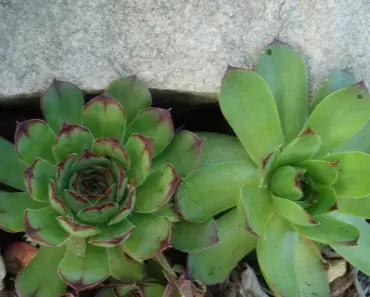
Sedum autumn joy is a succulent perennial that blooms in late summer and holds its flowers well into fall. The flat-topped flower clusters start out pink and gradually deepen to a rich bronze. Bees swarm over these flowers on warm autumn days. Sedum is drought-tolerant, deer-resistant, and requires almost no maintenance. It is one of the easiest plants to include in a four-season pollinator garden, and it delivers reliable late-season food when many other flowers have faded.
7. Host Plants for Butterflies and Moths
Monarch butterflies specifically seek milkweed to lay their eggs. Without milkweed, monarch caterpillars cannot survive. The adult butterflies feed on nectar from many flowers, but they will only lay their eggs on milkweed plants. Including milkweed in your garden is one of the most impactful things you can do for monarch populations. Several species of milkweed are native to North America, including common milkweed, swamp milkweed, and butterfly weed. Choose the species that is native to your region for the best results.
Common milkweed can be aggressive in garden settings. It spreads by underground rhizomes and can take over a bed if left unchecked. Swamp milkweed is better behaved and thrives in moist soil. Butterfly weed has bright orange flowers and prefers dry, sandy soil. All three species produce the cardenolides that monarch caterpillars need to become toxic to predators. Plant milkweed in a sunny spot where it can spread without crowding out other plants.
Other host plants are equally important. Dill, parsley, and fennel support swallowtail butterflies. These plants are easy to grow in vegetable gardens or flower beds. Plant a few extra plants specifically for the caterpillars, and do not panic when you see them eating the leaves. That is exactly what they are supposed to do. The caterpillars will grow quickly and pupate, emerging as beautiful butterflies that will visit your flowers for nectar.
Turtlehead is the host plant for Baltimore checkerspot butterflies. This native perennial produces spikes of white or pink flowers that resemble snapdragons. It grows well in moist soil and partial shade. Including a few host plants in your garden ensures that butterflies can complete their full life cycle on your property. This adds another dimension to your four-season pollinator garden, transforming it from a simple feeding station into a true habitat.
Bringing the Seasons Together
A truly effective four-season pollinator garden does not happen by accident. It requires planning across all four seasons, with at least two or three food sources available at any given time. Start with early spring bulbs and flowering trees. Add summer perennials and annuals. Include fall-blooming asters and goldenrod. Tuck in host plants for butterflies wherever you have space. The result is a garden that supports pollinators from the first thaw to the last frost, and sometimes beyond.
The beauty of this approach is that it works at any scale. A small urban yard can support a surprising number of pollinators with just a few well-chosen plants. A larger suburban property can include trees, shrubs, and meadow-style plantings. Even a balcony or patio can host pots of herbs, annuals, and compact perennials that provide meaningful food for passing bees and butterflies. Every flower counts, and every garden makes a difference.
As you watch the bees work your flowers through the changing seasons, you will notice something remarkable. The garden becomes a living calendar. The first crocus signals the end of winter. The peak bloom of bee balm marks the height of summer. The last aster flowers tell you that autumn is winding down. Your four-season pollinator garden connects you to the natural rhythms of the year in a way that few other gardening projects can match. And the pollinators will thank you for it, one flower visit at a time.