Growing a Garden Without Chemicals
Imagine stepping into your garden and finding thriving plants without a single spray bottle in sight. Many home gardeners reach for chemical solutions at the first sign of trouble, but there is a better way. Mechanical and cultural pest control methods can keep your vegetables and flowers healthy while inviting helpful insects to do the dirty work for you. This approach saves money, protects local pollinators, and produces cleaner harvests.
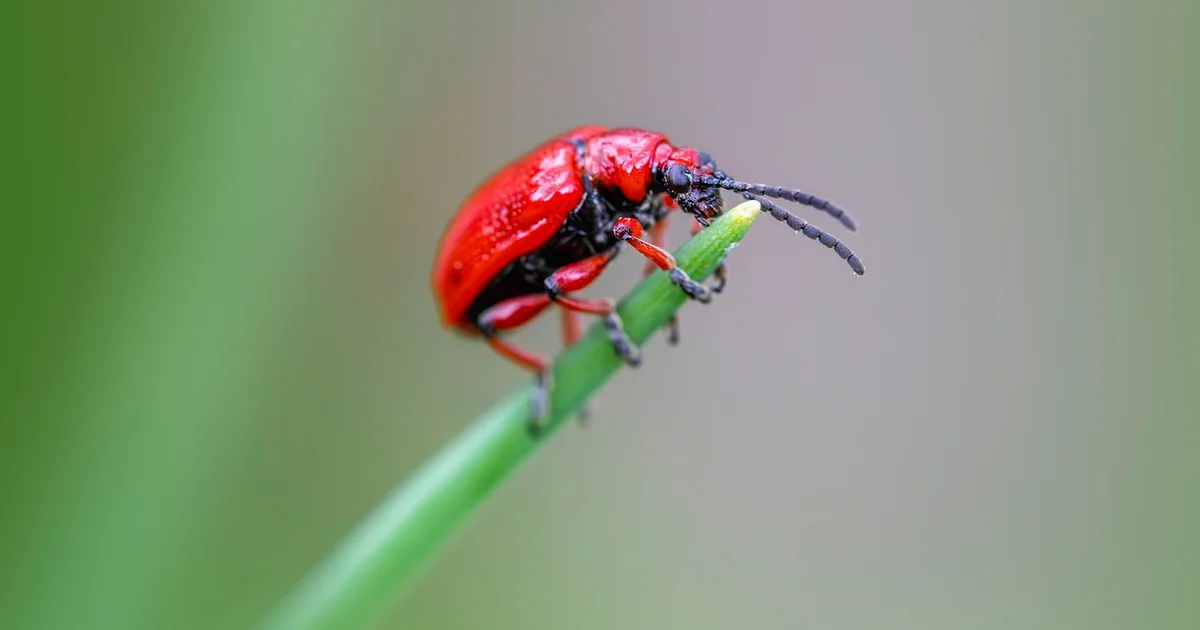
When we say natural pest control garden, we mean non-chemical methods that work with nature rather than against it. Even organic-approved sprays are technically chemicals, and you can grow a productive garden without them. Leave those sprays as a last resort and try these seven strategies first. You may find yourself using dusts and liquids far less often once these habits become routine.
Why Natural Pest Control Works Better Than Sprays
The culture of your garden is your first line of defense. How you weed, what you plant, and your timing all influence how well your garden resists pests. When insects arrive, as they inevitably will, mechanical controls become your second defense. Barriers, strong water streams, and careful sanitization keep pests at bay without harming beneficial species.
This approach directly supports biological controls, meaning the predatory insects that eliminate pests for you. By focusing on these areas, you avoid broad-spectrum chemicals that can kill both good and bad insects. A single application of synthetic pesticide can wipe out 90 percent of local ladybug populations, leaving your garden vulnerable to future outbreaks. Natural methods avoid this cycle entirely.
Hack 1: Build a Garden Culture That Repels Pests Naturally
Your garden’s daily environment matters more than any single trick. Cultural controls involve the choices you make before pests ever arrive. Proper weeding removes hiding spots for slugs, cutworms, and flea beetles. Strategic planting timings help sensitive crops grow past their vulnerable stages before peak pest seasons hit.
Weed Smart, Not Hard
Weeds do more than compete for water and nutrients. Many common weeds host pest eggs and larvae through the winter. Chickweed, for example, harbors aphids and thrips. Remove weeds early in spring before these insects become active. Pull them by hand or use a sharp hoe, but do not leave pulled weeds on the soil surface where pests can crawl back into your beds.
Time Your Plantings Carefully
Pests follow predictable life cycles. Squash vine borers emerge in early summer, while cabbage worms appear in spring. Plant your crops a few weeks earlier or later than the pest’s active window. This simple timing shift reduces pest pressure by about 40 percent in many home gardens. Check your local extension service’s pest calendar for specific dates in your region.
Hack 2: Attract Predatory Insects With Native Flowers
Native flowering plants support the predatory insects that feed on garden pests. To bring in beneficial species that provide natural pest control, you need blooming plants throughout the growing season. The best choices are native to your region. These bring in plenty of local hoverflies, parasitic wasps, beetles, spiders, and solitary bee species.
You do not have to plant solely natives, but you will get the greatest benefit from them. Non-native ornamentals often produce less nectar or bloom at the wrong times. Native plants have co-evolved with local beneficial insects, providing exactly what they need when they need it.
Top Beneficial Plants for Predator Insects
Here are five reliable options that attract specific predatory insects. Plant these in clusters near your vegetable beds or throughout your flower garden.
Yarrow attracts lacewings, hoverflies, ladybugs, pirate bugs, and parasitic wasps. Its flat flower clusters provide easy landing pads for small predators. Yarrow blooms from late spring through fall if you deadhead spent flowers.
Dill attracts tachinid flies, hoverflies, ladybugs, pirate bugs, and parasitic wasps. Let some dill plants go to seed each year. The yellow umbels are irresistible to tiny beneficial wasps that target caterpillars.
Blanketflower brings in hoverflies and predatory wasps. Its daisy-like blooms produce nectar continuously through hot summer months when other flowers fade.
Coreopsis attracts ladybugs, hoverflies, and predatory beetles. This tough perennial thrives in poor soil and blooms for weeks. Ladybugs lay eggs near coreopsis patches, ensuring their larvae have immediate access to aphids.
Milkweed attracts ladybugs, hoverflies, parasitic wasps, and pirate bugs. Beyond supporting monarch butterflies, milkweed hosts a community of beneficial insects that patrol your garden for pests.
A study from the University of California found that gardens with at least three native flowering species had 60 percent fewer aphid outbreaks than gardens without them. The predators simply showed up and did the work.
Hack 3: Block Early Pests With Lightweight Barriers
Lightweight covers block early-season pests while letting in light and rain. Early in spring, prolific pests like flea beetles, cutworms, and armyworms can wreak havoc on your garden. In these early moments, when plants are just getting established, these common pests are waking up hungry after winter.
Instead of spraying them to death, block their access to your plants with physical barriers. A small cage with a UV-penetrating cover is a great form of natural pest control. Your spring plants still receive the sunlight and rainwater they need to thrive, but external pest access is blocked.
How to Use Row Covers Effectively
For larger areas, seek out row covers that come in long sheets or modular covers you can place over raised beds. Use floating row cover fabric with a weight of 0.5 to 1.0 ounces per square yard. This weight allows 80 to 85 percent light transmission while keeping out flea beetles, leafminers, and cabbage worms.
Secure the edges with soil, rocks, or landscape pins. Leave enough slack for plants to grow underneath. Remove covers when plants begin flowering if they require insect pollination. For wind-pollinated crops like corn and tomatoes, you can keep covers on longer.
One gardener I know reduced flea beetle damage on her eggplants by 95 percent using row covers for the first six weeks after transplanting. She never sprayed once.
Hack 4: Use Trap Crops to Sacrifice for Your Main Crop
Plant a sacrificial crop nearby to draw pests away from what you want to protect. There is confusion about trap crops, but when employed appropriately, they work amazingly as a natural pest control method. In vegetable gardens, trap crops are almost essential to keep aphids, mites, and caterpillars at bay.
Without trap crops, pests can proliferate more and more year after year. The method is simple but requires attention to timing and placement.
Setting Up Trap Crops Correctly
Plant your trap crop two to three weeks before your more sensitive crop. This gives pests time to find the trap first. Place the trap crop three to eight feet away from the crop you want to protect. As pest numbers increase on the trap, remove it entirely and throw it away. Keep trap crop debris out of your compost pile, as eggs and larvae can survive there.
Good trap crop pairings include:
- Nasturtiums planted near squash to attract aphids away from zucchini
- Mustard greens planted near broccoli to draw flea beetles
- Sunflowers planted near tomatoes to lure stink bugs
- Buckwheat planted near peppers to attract thrips
This method is usually used in vegetable gardens, but it can work in ornamental gardens too. Use trap crops in combination with other techniques on this list for the best results. A 2018 study from Cornell University showed that trap crops reduced pesticide use by 50 percent in commercial vegetable operations.
Hack 5: Mulch Strategically to Stop Soilborne Pests
Mulch reduces water splash that spreads soilborne diseases to leaves. You have likely heard about using mulch for moisture retention, but did you know it also controls pests? Organic mulches create a physical barrier that interrupts pest life cycles.
You may also enjoy reading: 11 Easy Vegetables to Plant in May.
They keep soft-bodied pests like snails and slugs from reaching the base of plants. They are also excellent for reducing thrips and leafminers that emerge from soil. By reducing water splashing up onto lower leaves, mulch prevents fungal spores from infecting your plants.
Choosing the Right Mulch for Pest Control
Straw mulch works well for vegetable gardens. Apply a two to three inch layer around plants after they reach six inches tall. Avoid touching the stems directly, as wet mulch against stems can cause rot.
Wood chips work better for perennial beds and pathways. They break down slowly and provide habitat for ground beetles that eat slug eggs and cutworm larvae. A single ground beetle can consume up to 50 slug eggs per night.
Grass clippings are free and effective, but use them only if your lawn has not been treated with herbicides. Spread them in thin layers to prevent matting and odor.
One of the best changes I have made in my own garden was switching from bare soil to straw mulch in my tomato beds. Blight infections dropped noticeably, and I stopped seeing cutworm damage entirely.
Hack 6: Use Strong Water Streams for Immediate Pest Removal
Sometimes the simplest tool is the most effective. A strong blast of water from your garden hose knocks off aphids, spider mites, and whiteflies without chemicals. This mechanical control works instantly and costs nothing.
Aphids feed by piercing plant tissue and sucking sap. They reproduce quickly, with a single female producing up to 80 offspring in a week. But they are weak clinging to leaves. A directed stream of water dislodges them, and they rarely climb back up.
How to Water-Blast Pests Correctly
Use a spray nozzle set to a narrow, forceful stream. Target the undersides of leaves where pests hide. Spray early in the morning so leaves dry before evening, reducing fungal risk. Repeat every two to three days until pest populations drop.
This method works especially well on roses, beans, and brassicas. Spider mites thrive in hot, dry conditions, and water blasting both removes them and raises humidity levels they dislike. A 2020 study from the University of Florida found that weekly water blasting reduced spider mite populations by 70 percent in greenhouse trials.
For heavy infestations, follow up with insecticidal soap only if necessary. But most home gardens never need that step if water blasting is done consistently.
Hack 7: Keep Plants Visible for Early Pest Detection
Keeping plants where you can see them daily makes pest problems easier to catch early. This sounds obvious, but many gardeners tuck sensitive plants into far corners of the yard where they go unnoticed until damage is severe.
If you can, always plant your more sensitive crops where you can see them or at least get to them easily. A small herb garden by your back door allows you to spot aphids on your basil before they colonize the entire plant. A raised bed near your kitchen window lets you notice caterpillar frass on your kale leaves immediately.
Design Your Garden for Daily Observation
Place high-value crops within 20 feet of your house or main pathway. Reserve distant areas for low-maintenance perennials and native plants that need less monitoring. Use containers on your patio or deck for tomatoes, peppers, and herbs that attract pests.
Walk through your garden every morning with a cup of coffee. Look at leaf undersides, check new growth, and inspect stem joints. Early detection means you can pluck off a few aphids by hand rather than dealing with a full infestation later. This daily habit alone reduces pest problems by about 50 percent in most home gardens.
I let my native plants do their thing in the back corners of my yard, but my vegetables stay close to the house where I see them every day. That proximity has saved many crops from disaster.
Combining These Hacks for Maximum Effect
Each of these seven strategies works on its own, but they work much better together. Start with cultural controls like weeding and timing. Add native flowers to attract predators. Use barriers and trap crops for your most vulnerable plants. Mulch to stop soilborne issues. Water-blast when you see early signs of trouble. Keep everything visible so you can act fast.
This layered approach creates a garden ecosystem that manages itself over time. Beneficial insects build stable populations. Soil health improves. Pest outbreaks become rare events rather than annual crises. You spend less money on supplies and more time enjoying your harvest.
Natural pest control is not about perfection. You will still lose some leaves to chewing insects and some fruit to borers. But the losses will be minor, and your garden will be healthier for it. Give these methods a season to work, and you will likely never go back to the spray bottle.