Eleven Exceptional Cutting Garden Flowers for Continuous Blooms
There is a quiet magic in stepping into the garden before the sun has fully risen. The dew clings to the leaves. The first rays of light catch the petals of flowers you have nurtured from seed or bulb. Growing flowers feeds the soul. It beautifies your outdoor space. It also creates a vital food source for bees and butterflies. But there is another layer of satisfaction: bringing those blooms indoors.
When you plan a garden, you often separate the ornamental from the edible. Vegetables go in one bed. Flowers go in another. Why not blur that line? Why not treat your best cutting garden flowers as consumables, just like the tomatoes and basil? A homegrown bouquet can brighten a kitchen table. It can cheer up a friend. It can become a thoughtful gift. The key is knowing which flowers perform best in a vase. You also need to know how to handle them from the moment the scissors snip the stem. This article covers eleven exceptional choices for your cutting patch. It also covers the practical steps to make every stem last.
1. Peony
The undisputed queen of the spring cutting garden. Their lush, fragrant blooms are a fleeting luxury. A single peony stem can transform a small vase. Peonies have been cultivated in China for over 2,000 years. They were originally used for medicinal purposes. Today, they are a cut flower staple. The key is to harvest them in the “marshmallow” stage. This is when the bud is soft to the touch but not fully open. They will unfurl over the next day or two inside your home. Varieties like ‘Sarah Bernhardt’ and ‘Festiva Maxima’ are classic choices. Peonies are heavy feeders. They benefit from a low-nitrogen fertilizer in the spring. Ants on peonies are harmless. They are simply drinking the nectar.
2. Dahlia
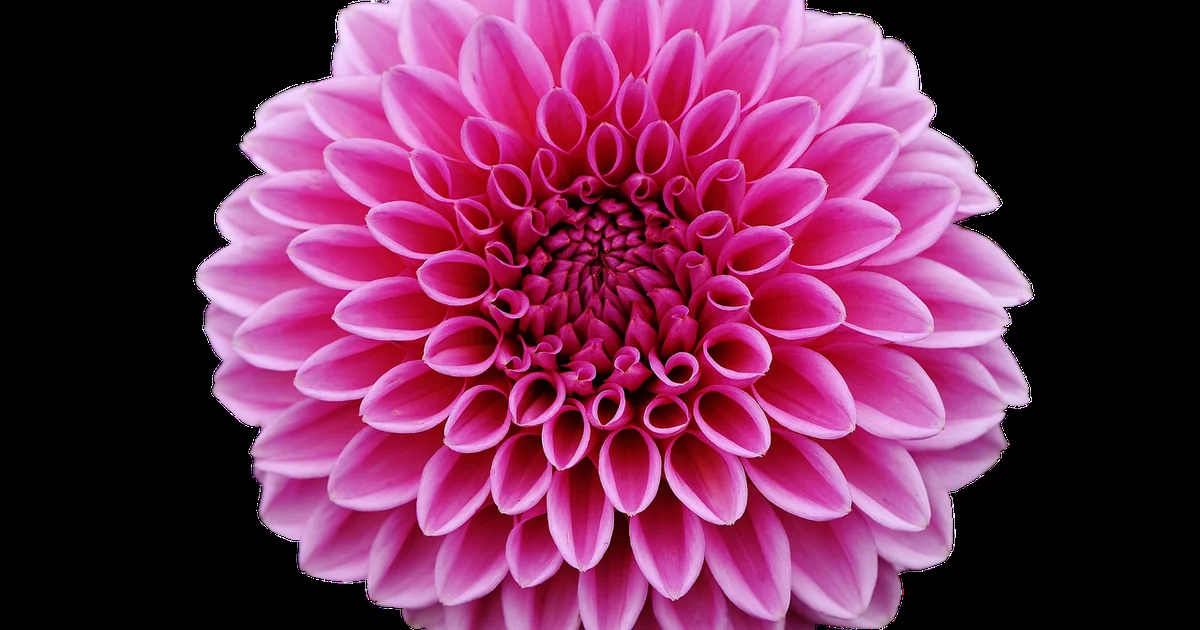
Grown from tubers, dahlias are the workhorses of the late-summer cutting garden. There are over 50,000 registered cultivars. They range from delicate pom-poms to dinner-plate-sized giants. Dahlias are heavy feeders. They appreciate consistent deadheading in the garden. This encourages them to produce more flowers for the vase. When cutting, sear the stem ends in boiling water for ten seconds. Alternatively, place them in hot water to condition them. This helps the blooms last longer. Watch for powdery mildew late in the season. Ensure good air circulation around the plants.
3. Zinnia
If you want a reliable, long-lasting cut flower grown easily from seed, choose zinnias. They thrive in heat. They bloom continuously. Zinnias are native to Mexico. They were grown by the Aztecs. They are one of the few cut flowers that actually benefit from being cut. The more you harvest, the more they branch and produce. Look for varieties like ‘Benary’s Giant’ or ‘Queen Lime’ for sturdy stems and elegant color. Zinnias are susceptible to powdery mildew. Water at the base of the plant rather than overhead. This simple habit keeps the foliage dry and healthy.
4. Snapdragon
These tall, majestic spikes add vertical drama to any arrangement. Snaps are phototropic. This means they grow towards the light. When cutting, select stems where the bottom three to four florets have opened. The top will continue to bloom in the vase. Cutting the main spike encourages side shoots to develop. This gives you a second harvest later in the season. They prefer cooler weather. Plant them in early spring or late summer for a fall harvest. Pinching the top when they are young makes the stems sturdier.
5. Delphinium and Larkspur
For that towering, cottage-garden look, delphinium and larkspur are unmatched. Delphinium is the perennial version. Larkspur is the annual version. Their deep blue and purple hues are rare in the flower world. They contain alkaloids that make them deer-resistant. These same compounds require careful handling. Cut when about half the florets on the spike are open. The hollow stems are delicate. Handle them gently and use a sharp knife. Stake them early in the season to keep the heavy flower spikes upright.
6. Ranunculus
These cool-weather beauties produce layer upon layer of crepe-paper-thin petals. They are grown from corms. These corms look like tiny octopuses. Pre-sprouting the corms before planting gives you a head start. Ranunculus have a long vase life. They often last ten to fourteen days if kept cool. Harvest when the buds are colored but still closed. The texture should feel like a soft marshmallow. They are perfect for early spring bouquets. Few other flowers are blooming at that time.
7. Rose
No cutting garden is complete without a few shrub or climbing roses. Modern repeat-blooming varieties provide flushes of flowers from spring to frost. ‘Knock Out’ and ‘David Austin’ English roses are excellent choices. Cut roses in the early morning when they are fully hydrated. Remove the thorns carefully to avoid damaging the stem. A drop of bleach in the vase water can help prevent bacterial growth. This simple trick extends the life of the blooms. Deadhead spent blooms in the garden to encourage repeat flowering.
8. Stock
The fragrance of stock is intoxicating. It fills a room with a spicy, clove-like scent. Stock is a cool-season annual. It performs best in spring and fall. The flower spikes are dense with blooms. Cut stems when at least half of the florets are open. Strip the lower leaves before placing them in water. This prevents a foul smell from developing. Stock pairs beautifully with tulips and ranunculus in early-season bouquets.
9. Strawflower
For texture and longevity, strawflowers are unbeatable. They are everlastings. Their papery petals retain their color and shape even when dried. Harvest them just before the center fully opens. Hang them upside down in a dark, dry place. This preserves them for dried arrangements that last for years. They are a fantastic choice for gardeners who love crafting. They are also very drought-tolerant once established.
10. Sedum ‘Autumn Joy’
This succulent perennial provides late-season interest. It blooms when many other flowers are fading. Its flat-topped flower heads start pale green. They turn pink. They then deepen to a rich bronze. Sedum is incredibly tough and drought-tolerant. It adds a unique architectural element to bouquets. Cut stems when the flowers are fully colored. They last for weeks in a vase. They also dry well. The dried seed heads provide winter interest in the garden.
11. Specialty Tulips
Most gardeners plant tulips and are disappointed when they do not return strongly the next year. Specialty tulips are often treated as annuals in the cutting garden. This includes parrot, fringed, or double peony tulips. This means you can cut them freely. You do not have to worry about next year’s display. Harvest tulips when the buds are colored but still closed. They will continue to grow in the vase. They will bend towards the light. This creates dynamic, sculptural arrangements.
You may also enjoy reading: 5 Clever Ways to Get Rid of Yard Waste for Free.
Essential Harvest Tips for Long-Lasting Cutting Garden Flowers
Knowing which flowers to grow is only half the battle. How you harvest them determines how long they last in a vase. A few simple techniques make a significant difference. These tips apply to most cutting garden flowers.
Timing and Tools
The best time to cut is early morning. The sun has not yet heated up the plants. At this point, the stems are full of water. The flowers are turgid and crisp. Always use sharp, clean pruners or scissors. A clean cut heals faster. It reduces the risk of introducing disease. Carry a bucket of soapy water with you. Dip your tools between different plant species. This prevents the spread of pathogens.
Cutting Technique
Cut the stems as long as possible. Snip close to the base of the plant. A long stem gives you more flexibility when arranging. You can always trim it down later. Immediately place the cut stems into a bucket of lukewarm water. Do not let them sit in the sun. This immediate hydration is critical. It prevents air bubbles from forming in the stem. Air bubbles block water uptake.
Conditioning the Flowers
Conditioning is a step many home gardeners skip. It makes a huge difference. Place the bucket in a cool, dark room for four to six hours. This allows the flowers to fully hydrate. They recover from the shock of being cut. Some woody-stemmed flowers benefit from a deeper cut. Splitting the base of the stem helps them absorb more water. Roses and lilacs respond well to this treatment.
Building a Beautiful Bouquet from Your Garden
You do not need a massive quantity of flowers to make an impactful arrangement. A few high-quality stems are often more striking. Thoughtful combination is key. Start with the largest, tallest, and strongest flowers. These form the backbone of the bouquet. Place them in a grid pattern in your hand or in the vase. Layer in the secondary flowers. Zinnias or roses work well for filling the gaps. Finish with the airy fillers. Snapdragons or stock add texture and height.
If you are wrapping a bouquet to gift, use a square of craft paper. Place the bouquet diagonally on the paper. Fold the bottom point up over the stems. Wrap the sides around and secure with a rubber band. Wrap the stems in a wet paper towel. Cover the wet paper towel with a plastic bag. This keeps them hydrated during transport. Add a personalized tag to your beautiful bouquet. Get ready for the smile that it puts on the face of the person who receives it.
Keeping Your Homegrown Bouquets Fresh Longer
You have grown the flowers. You have harvested them carefully. You have arranged them beautifully. Now you want them to last. A few simple care tips extend the life of any bouquet. Change the water every other day. Change it daily if it turns cloudy. Cloudy water is a sign of bacterial growth. Bacteria shorten the life of the flowers. Add a commercial flower preservative to the water. You can also make your own. Mix a teaspoon of sugar and a few drops of bleach per quart of water. Keep the bouquet out of direct sunlight. Keep it away from ripening fruit. Fruit emits ethylene gas. This gas causes flowers to age faster. Recut the stems every few days. A fresh cut removes the clogged end. It allows the flower to drink again.
Building a cutting garden transforms the way you experience your outdoor space. It turns a passive view into an active, creative practice. Whether you are gathering a few stems for your own windowsill or bundling a thoughtful gift for a neighbor, the act of growing and arranging your own flowers is deeply rewarding. The eleven flowers listed here provide a strong foundation. The harvest tips ensure that every bloom you cut reaches its full potential. Happy growing, and happy arranging.