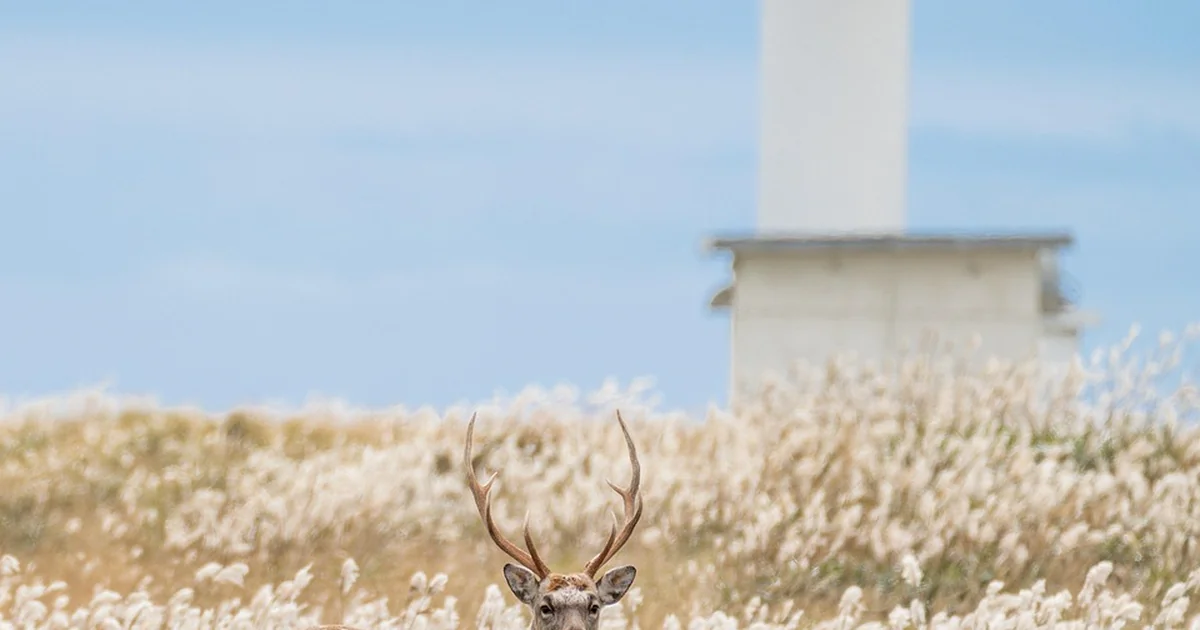
For gardeners in deer-heavy regions, the arrival of spring often brings a mix of excitement and dread. The first green shoots emerge, only to vanish overnight, nibbled down by hungry visitors from the woods. Katherine Mendez, gardening in Westchester, New York (Zone 6b/7a), knows this struggle intimately. She has been cultivating her small garden since 2022, facing relentless deer pressure. Yet her patch bursts with spectacular spring color. Her secret lies in choosing the right plants.
Understanding Deer Pressure and Plant Selection
Deer are not picky eaters when food is scarce, especially in early spring. Many gardeners discover that plants labeled “deer resistant” are not entirely immune. They are simply less appealing. Katherine’s experience in a wooded area shows that even resistant plants need some strategy. She intermingles hostas and hydrangeas with bulbs, using scent-masking techniques like diluted peppermint water and neem oil. This layered approach gives her garden a fighting chance.
The concept of “right plant, right place” becomes essential under deer pressure. A plant that thrives in full sun with dry soil might not survive in part shade with heavy clay. Katherine focuses on native ranges and specific light and soil conditions. This attention to detail transforms a vulnerable garden into a fortress of bloom. The five plants highlighted below have proven themselves in her zone and similar regions.
1. Hyacinths: Fragrant Spring Bulbs That Deer Avoid
Hyacinths are among the most reliable deer resistant spring plants for early color. Katherine grows Empire State mix hyacinth alongside grape hyacinth. These bulbs produce dense clusters of star-shaped flowers in pink, purple, white, and blue. Their strong fragrance is a delight for humans but repulsive to deer.
Deer rely heavily on smell to locate food. Hyacinths contain compounds that many animals find unappealing. Katherine notes that she loves how fragrant hyacinths are, and this very quality makes them a natural deterrent. Planting hyacinth bulbs in fall ensures a show in April and May. They perform well in full sun to part shade and tolerate a range of soil types as long as drainage is good.
For gardeners in Zone 6b/7a, hyacinths are a sure bet. They naturalize slowly, meaning they return year after year without becoming invasive. Katherine interplants them with other bulbs like narcissus and fritillaria, creating a layered effect that confuses deer visually. The dense foliage of hyacinths also helps mask the scent of more vulnerable plants nearby.
How to Plant Hyacinths for Maximum Deer Resistance
Plant bulbs 4 to 6 inches deep in well-draining soil. Space them 3 to 4 inches apart for a full look. Water thoroughly after planting, then let nature take over. In spring, apply a balanced fertilizer when shoots appear. Deadhead spent flowers to encourage bulb energy storage, but leave foliage until it yellows. This method builds strong bulbs for next year’s display.
2. Hellebores: The Lenten Rose That Deer Leave Alone
Hellebores, often called Lenten roses, are evergreen perennials that bloom in late winter to early spring. Katherine grows a cultivar potentially named Winter Jewels ‘Rose Quartz’. These plants produce nodding flowers in shades of pink, purple, white, and green. Their leathery leaves are toxic to deer, making them one of the most dependable deer resistant spring plants.
Hellebores thrive in part shade to full shade, making them ideal for woodland gardens like Katherine’s. They prefer rich, well-draining soil with consistent moisture. Once established, they are drought-tolerant and low-maintenance. The flowers last for weeks, often persisting into early summer. Deer rarely touch them, even when other food sources are scarce.
Katherine’s hellebore adds a soft, romantic touch to her part-shade garden. She pairs it with ferns and coral bells for texture. The plant’s ability to bloom when little else is active makes it a valuable asset for spring color. Gardeners in Zones 4 through 9 can grow hellebores successfully.
Care Tips for Hellebores in Deer-Prone Areas
Plant hellebores in fall or early spring. Dig a hole twice the width of the root ball and set the crown at soil level. Water deeply after planting and mulch with organic matter. Remove old leaves in late winter to reveal new growth and flowers. Divide clumps every three to five years to maintain vigor. Hellebores self-seed readily, so expect volunteer plants in favorable spots.
3. Narcissus: Daffodils That Deer Detest
Narcissus, commonly known as daffodils, are classic spring bulbs that deer avoid completely. Their bulbs contain lycorine, a toxic alkaloid that causes vomiting and diarrhea in animals. Deer learn quickly to leave them alone. Katherine includes narcissus in her garden, relying on their bright yellow, white, and orange blooms to signal spring’s arrival.
Daffodils naturalize easily, multiplying over time to form dense drifts. They bloom from early to late spring depending on the cultivar. Katherine’s garden features a mix of early and mid-season varieties, extending the show for weeks. Plant them in full sun to light shade. They tolerate a wide range of soils but prefer good drainage.
For gardeners facing heavy deer pressure, narcissus is a non-negotiable choice. Unlike tulips, which deer love, daffodils are safe. Katherine interplants them with hostas and hydrangeas, using the bulbs as a protective barrier. The foliage of daffodils also contains the toxic compounds, so deer avoid the entire plant.
Best Narcissus Varieties for Spring Color
Choose early-blooming cultivars like ‘February Gold’ or ‘Rijnveld’s Early Sensation’ for the first color. Mid-season favorites include ‘Ice Follies’ and ‘Carlton’. Late-blooming varieties like ‘Thalia’ and ‘Actaea’ extend the season into May. Plant bulbs 6 inches deep and 4 to 6 inches apart. Water well after planting and apply a low-nitrogen fertilizer in spring.
4. Astilbe: Feathery Plumes That Deer Ignore
Astilbe is a shade-loving perennial that produces feathery flower plumes in pink, red, white, and purple. Its fern-like foliage is coarse and unpalatable to deer. Katherine grows astilbe in her part-shade garden, where it thrives alongside hellebores and coral bells. The plant blooms in late spring to early summer, bridging the gap between spring bulbs and summer perennials.
Astilbe prefers consistently moist, well-draining soil rich in organic matter. It tolerates clay soil if amended with compost. Deer rarely browse astilbe, even in areas with high populations. The plant’s textured leaves and tall flower spikes add vertical interest to shady borders. Katherine appreciates how astilbe fills the space without demanding constant attention.
For gardeners in Zone 6b/7a, astilbe is a reliable performer. It thrives in part to full shade, making it perfect for woodland gardens. The flowers attract pollinators like bees and butterflies, adding ecological value. Katherine’s garden benefits from the plant’s long bloom time and deer resistance.
Growing Astilbe for Spring and Summer Interest
Plant astilbe in spring after the last frost. Space plants 18 to 24 inches apart to allow for mature spread. Water deeply once a week during dry spells. Apply a layer of mulch to retain moisture and suppress weeds. Deadhead spent flowers to encourage reblooming, but leave some seed heads for winter interest. Divide clumps every three to four years to maintain vigor.
5. Rhododendron: Evergreen Beauty That Deer Avoid
Rhododendrons are woody shrubs that produce showy clusters of flowers in spring. Their leaves contain grayanotoxins, which are toxic to deer and other animals. Katherine inherited a purple rhododendron from the previous homeowners, planted in 2004. She pruned it carefully to maintain shape, hoping it bounces back from her amateur efforts. The plant thrives in her part-shade garden, providing structure and color.
Rhododendrons prefer acidic, well-draining soil with consistent moisture. They perform best in dappled shade, protected from harsh afternoon sun. Katherine’s rhododendron benefits from the woodland setting, with natural leaf litter providing organic matter. The plant blooms in mid-spring, adding a burst of purple to the garden palette.
For gardeners seeking deer resistant spring plants with year-round interest, rhododendrons are an excellent choice. Their evergreen leaves provide winter structure, while spring flowers offer dramatic color. Deer rarely browse mature rhododendrons, though young plants may need protection until established. Katherine’s plant has survived since 2004, proving its resilience.
You may also enjoy reading: 13 Garden Gifts for the Mother Day Obsessed.
Planting and Caring for Rhododendrons
Choose a site with morning sun and afternoon shade. Dig a hole twice as wide as the root ball but no deeper. Set the root ball slightly above soil level to prevent root rot. Backfill with native soil mixed with peat moss or compost. Water deeply after planting and mulch with pine bark or oak leaves. Fertilize in early spring with a formula for acid-loving plants. Prune after flowering to shape and remove dead wood.
Practical Strategies for a Deer-Resistant Spring Garden
Katherine’s success with deer resistant spring plants goes beyond just choosing the right species. She employs several practical strategies that any gardener can adopt. Interplanting vulnerable plants like hostas with resistant bulbs creates a protective barrier. The scent of hyacinths and narcissus masks the smell of hostas, reducing deer interest.
She also uses a diluted mix of peppermint water and neem oil as a foliar spray. This mixture coats hosta leaves before they emerge, making them less appealing. Reapplication after rain maintains the deterrent effect. Katherine applies this spray in early spring when deer are most active and hungry.
Another key strategy is timing. Katherine plants bulbs in fall, allowing them to establish roots before winter. By spring, the bulbs are well-rooted and ready to bloom. She also removes invasive plants like English ivy, which can harbor deer and compete with desired species. Amending soil with organic matter improves plant health, making them more resistant to browsing.
Incorporating Native Plants for Ecological Balance
Katherine’s next goal is to incorporate native species into her garden. Native plants evolved alongside local wildlife and are often more resistant to deer browsing. She plans to add wild geranium, eastern red columbine, black cohosh, and spring ephemerals like yellow trout lily, Dutchman’s breeches, bloodroot, and red trillium.
These native deer resistant spring plants offer multiple benefits. They support local pollinators, require less water and fertilizer, and adapt to local soil conditions. Wild geranium spreads slowly to form a ground cover, while eastern red columbine attracts hummingbirds. Black cohosh produces tall white spikes in summer, and spring ephemerals bloom before trees leaf out, capturing early sunlight.
For gardeners in Zone 6b/7a, native plants are a smart investment. They reduce maintenance and increase biodiversity. Katherine’s shift toward natives reflects a growing awareness of ecological gardening. Her approach balances beauty with responsibility, creating a garden that thrives despite deer pressure.
Before and After: Transforming a Part-Shade Garden
Katherine shared a before-and-after photo of her part-shade garden. The “before” image from September 2025 shows a mass of English ivy and bare soil. The “after” photo from April 2026 reveals a vibrant garden with hellebores, hyacinths, and fritillaria in bloom. She removed the ivy, amended the soil, planted bulbs, and pruned the rhododendron.
This transformation took four years of consistent effort. Katherine’s garden is a testament to the power of small, deliberate actions. She started with a casual style, learning through trial and error. Now she applies horticulture knowledge with confidence. Her story inspires other gardeners to start small and keep experimenting.
Common Challenges and Solutions for Deer-Prone Gardens
Deer pressure varies by season and region. In early spring, deer are hungry after winter and will sample almost anything. Katherine’s garden faces this challenge every year. She combats it with a combination of plant selection, scent deterrents, and interplanting. No single method is foolproof, but together they create a resilient system.
Another challenge is the unpredictability of deer behavior. What works one year may fail the next. Katherine adapts by observing her garden closely. She notes which plants get nibbled and which remain untouched. This data informs her future plant choices. She also rotates deterrent methods to prevent deer from becoming accustomed to one scent.
Soil quality is another factor. Deer are more likely to browse stressed plants. Katherine amends her soil annually with compost and organic fertilizers. Healthy plants produce stronger chemical defenses, making them less appealing to deer. She also ensures proper spacing to reduce competition for nutrients.
The Joy of Experimentation in Gardening
Katherine describes her gardening style as casual and laid back. She loves experimenting with different colors, shapes, and textures. This playful approach keeps her engaged even when deer cause damage. She tries new plants each year, learning what works and what doesn’t. Her garden reflects a spirit of curiosity and resilience.
For readers, the takeaway is clear: deer-resistant gardening is not about perfection. It is about persistence and creativity. Katherine’s garden proves that even in a wooded area with heavy deer pressure, spectacular spring color is possible. By choosing deer resistant spring plants and using smart strategies, any gardener can enjoy a vibrant spring display.