If you have ever planted a full row of radishes in April only to face a mountain of spicy roots in May, you understand the pain of a single sowing. A few weeks of abundance followed by weeks of nothing is the standard rhythm for many gardeners who plant everything at once. The alternative is a method called succession sowing, where you plant smaller batches at regular intervals. This approach spreads your harvest across the season, reduces waste, and keeps your kitchen supplied with fresh produce for months instead of a frantic week. Below are nine vegetables that respond beautifully to this technique, along with specific timing notes to help you plan.
Why Succession Sowing Vegetables Changes Your Harvest
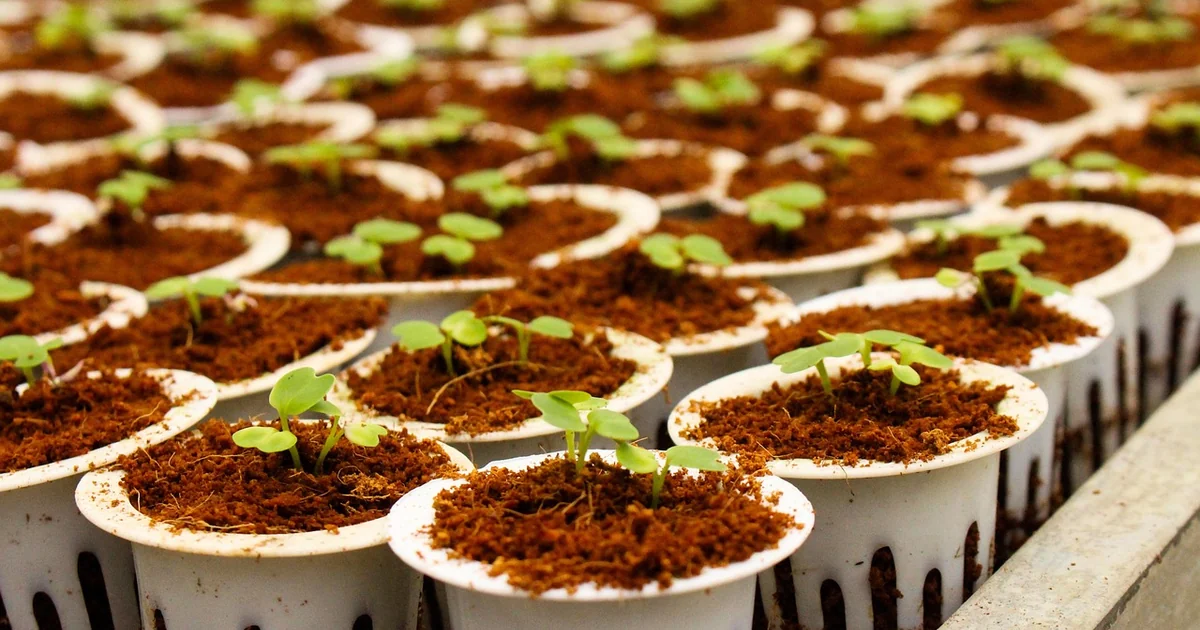
The annual mistake many vegetable gardeners make is sowing all their seeds in one go. Sowing at the same time is certainly the easier route initially, but it causes problems down the line when you actually want to use your harvest. A single planting gives you a glut of produce that matures simultaneously, often more than you can eat, preserve, or give away before quality declines. Succession sowing vegetables solves this by breaking the planting into smaller, staggered sowings. Yes, it requires more effort and attention to timing, but the payoff is a steady stream of tender, flavorful crops from early spring through fall.
The key is to match the sowing interval to each crop’s maturity speed and heat tolerance. Fast growers like radishes need intervals as short as 10 days, while slower crops like carrots can be sown every three weeks. Some crops also require a summer break when temperatures climb too high for reliable germination or quality. Understanding these rhythms is the foundation of a productive succession garden.
1. Lettuce
Lettuce is the textbook example of a crop that rewards frequent sowing. A single planting gives you maybe two weeks of usable greens before the heads start bolting and the leaves turn bitter. By sowing every two weeks, you ensure there is always a fresh batch approaching harvest size.
In spring, begin sowing succession sowing vegetables like lettuce two weeks before your last frost date. Continue every two weeks until early summer, then take a break when daytime temperatures consistently exceed 75°F (24°C). Most lettuce varieties stop germinating reliably in heat, and seedlings that do emerge often bolt before you can harvest them. Resume sowing in late August for fall harvests, when cooler conditions return.
Loose-leaf and cut-and-come-again types such as Black Seeded Simpson or Salad Bowl work best for this technique. You can harvest outer leaves gradually rather than waiting for a single mature head, and these varieties tolerate a wider temperature range than crisphead types. Sow seeds about 1/8 inch deep, keep the soil moist, and thin seedlings to 6 inches apart for full-sized plants.
2. Radishes
Radishes mature so fast (often in 24 to 30 days) that planting more than a small handful at a time often leads to waste. They also lose quality almost immediately once mature, going from crisp to woody in a matter of days. A single big sowing gives you maybe three or four days of good eating before the rest are spent.
The solution is to sow a short row of radishes every 10 to 14 days, from early spring through late spring, and again from late summer through fall. That is the entire schedule. Most spring radish varieties bolt in hot weather, so skip July and August in most climates. Some heat-tolerant types like White Icicle or French Breakfast can extend the season slightly, but it is often easier to take a break and pick back up when temperatures drop.
Sow seeds about 1/2 inch deep, directly in the garden. Radishes need consistent moisture for quick, tender growth. Thin seedlings to 1 inch apart once they have their first true leaves. With frequent sowings, you can enjoy crisp radishes for weeks on end.
3. Bush Beans
Bush beans produce heavily for two to three weeks from a single sowing and then taper off rapidly. Unlike pole beans, which bear over a long season, bush beans give you a concentrated harvest. If you want a steady supply rather than a mass followed by nothing, two or three sowings spaced two weeks apart through early summer is the way to go.
Beans need warm soil to germinate (at least 60°F/15°C), and they are frost sensitive. The last useful sowing date is roughly 80 days before your first fall frost; after that, plants probably won’t have time to mature. Also note that sustained temperatures above 90°F (32°C) prevent beans from setting pods, so summer sowings in hot climates can fail even when timing looks right on paper. In that case, sow in late spring and again in late summer, skipping the hottest weeks entirely.
Sow seeds 1 inch deep and 2 inches apart in rows or blocks. Water regularly, especially during flowering. Each sowing will give you about three weeks of picking, so two or three sowings can stretch the harvest into a couple of months.
4. Carrots
Carrots are slower than the other crops on this list, taking 60 to 75 days to maturity for most varieties. However, they don’t lose quality as fast once mature, which gives you a wider harvest window. Still, staggering plantings ensures you have tender, sweet roots over a longer period rather than a single large batch that might become woody if left in the ground too long.
Sow carrots every three weeks from early spring through midsummer. Start as soon as the soil can be worked in spring. The last sowing should go in about 75 days before your first fall frost for a late harvest. A bonus: carrots sweeten after a frost or two, so a late sowing pays off with extra-sweet roots. In mild climates, you can even leave fall carrots in the ground through winter, mulched heavily.
Carrot seeds are tiny and slow to germinate (sometimes 14 to 21 days). They need consistent moisture during that window or they fail. Sowing in small batches makes this manageable. Sow seeds about 1/4 inch deep, cover lightly, and keep the soil damp with a fine spray. Thin to 2 inches apart once seedlings are a few inches tall.
5. Spinach
Spinach has the same heat problem as lettuce but worse. It bolts faster, and the leaves get bitter sooner. The trick is to sow every 10 to 14 days from very early spring through mid-spring, then stop entirely once daytime temperatures consistently hit the 70s Fahrenheit (around 21°C). Pick back up in late summer for a fall crop, which is when spinach is at its best.
If you want a continuous supply through summer, swap to chard or New Zealand spinach for the hot months. Both handle heat in ways that true spinach cannot. Chard is actually a beet relative and produces leaves all summer without bolting. New Zealand spinach is a different species that thrives in heat.
For spring sowings, plant seeds 1/2 inch deep and 2 inches apart. Spinach germinates best in cool soil. Thin to 4 inches apart. Harvest outer leaves when they reach a usable size, leaving the growing point intact for continued production.
6. Beets
Beets follow a rhythm somewhere between radishes and carrots. They mature in about 50 to 60 days, hold reasonably well in the ground after maturity, and both the roots and greens are edible. Sowing every two to three weeks from early spring through midsummer provides a steady supply.
You may also enjoy reading: 13 Flowering Shrubs to Plant & Forget!.
Beet seeds are actually clusters of multiple seeds, so each “seed” produces several seedlings. Even if you space them carefully, you will need to thin to one strong seedling per cluster. Thin when the seedlings are 2 inches tall, leaving them 3 inches apart. The thinnings are delicious as microgreens or in salads.
Beets prefer cool weather but are more heat-tolerant than spinach. They can be sown through summer if kept well-watered. For fall harvests, sow about 60 days before your first frost. In mild climates, beets can be overwintered with a thick mulch.
7. Peas (Shelling and Snap)
Peas are often planted once in early spring, but they can be succession sown for an extended harvest. The key is to choose varieties with different maturity dates or to make two or three sowings a couple of weeks apart. Peas are cool-season crops and stop producing once temperatures exceed 80°F (27°C), so the window is limited to spring and fall in most climates.
Sow the first batch as soon as the soil can be worked in spring. Sow a second batch two weeks later, and a third two weeks after that. This spreads the harvest over about six weeks instead of three. For fall peas, sow about 60 days before your first fall frost. Choose early-maturing varieties like Oregon Sugar Pod II or Little Marvel for fall success.
Sow seeds 1 inch deep and 2 inches apart in double rows. Provide a trellis or netting for support. Peas fix nitrogen in the soil, so they benefit the following crops.
8. Cilantro (Coriander)
Cilantro is notorious for bolting quickly in warm weather, often within a few weeks of reaching full size. Once it flowers, the leaves lose their flavor and become bitter. Succession sowing is essential for a continuous supply of fresh leaves for salsas, salads, and curries.
Sow cilantro seeds every two to three weeks from early spring through late spring, and again from late summer through early fall. Cilantro is a short-day plant that bolts when days are long and temperatures are warm, so summer sowings are rarely successful. In hot climates, grow it in partial shade or use a heat-tolerant variety like Calypso or Santo.
Sow seeds 1/4 inch deep and 1 inch apart. Thin to 4 inches apart. Harvest leaves from the outside of the plant, leaving the center to continue growing. Let a few plants go to seed for coriander spice and self-sowing next year.
9. Scallions (Green Onions)
Scallions are one of the easiest crops for succession sowing. They can be planted as soon as the soil is workable in spring and continue every two to three weeks through summer. They tolerate heat better than lettuce or spinach, and they can be harvested at any size from pencil-thin to thick.
Sow seeds 1/4 inch deep and 1/2 inch apart in rows. Thin to 1 inch apart for larger bulbs, or leave them crowded for thin scallions. Harvest by pulling every other plant when they reach a usable size, leaving the rest to grow. This essentially creates a continuous harvest from a single sowing if you thin gradually, but for a true succession, make new sowings every three weeks.
Scallions are not frost-sensitive, so you can sow in late summer for a fall harvest and even overwinter them in mild climates with a light mulch. They are also a good crop to tuck into gaps left by harvested spring vegetables.
Putting It All Together
Succession sowing vegetables requires a bit of planning and a calendar, but the rewards are substantial. Start with a few crops like lettuce and radishes to get the rhythm down, then add beans and carrots as you gain confidence. Keep records of sowing dates and weather patterns to refine your timing each year. With these nine vegetables in your rotation, you can enjoy a continuous harvest from early spring until the first hard frost, with no more gluts and no more long gaps. Your kitchen will thank you.