Why Perennial Patio Plants Are Perfect for Container Gardening
Picture this: a warm summer morning, coffee in hand, and your patio bursting with color without requiring daily watering duties. That vision is entirely achievable when you select the right perennial patio plants for your pots. Unlike annuals that need replanting each season, perennials return year after year, saving you time, money, and effort. The secret lies in choosing drought-tolerant varieties that thrive in containers and forgive the occasional missed watering.
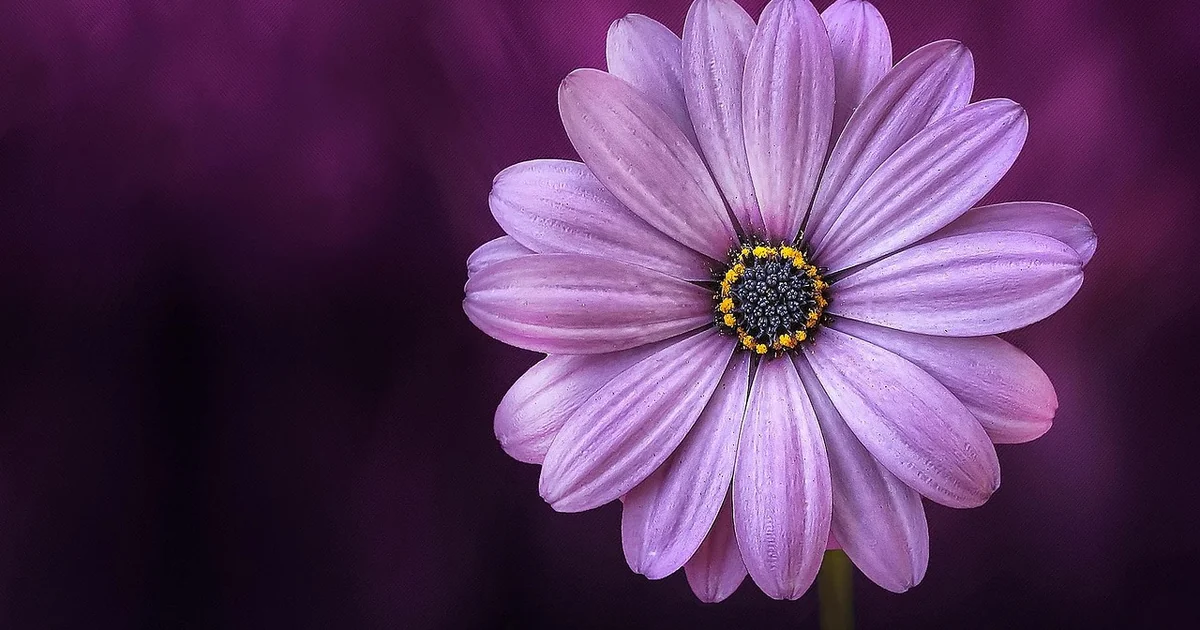
Container gardening does demand a bit more attention than planting in the ground. Pots dry out faster, roots face temperature swings, and nutrients deplete quickly. But with a handful of smart strategies and the right plant choices, you can create a low-maintenance display that looks spectacular from spring through fall. These perennial patio plants not only survive in pots but often outperform their in-ground counterparts.
Setting Up Your Pots for Success
Before we dive into the plant lineup, a few container tricks will set you up for lush results without breaking a sweat. The most impactful decision you can make is choosing a large pot. A container that holds at least 10 to 15 gallons of soil retains moisture far longer than a small one. The greater the volume of potting mix, the more water it holds, and the more insulated roots are from heat spikes and cold snaps. This simple choice reduces watering frequency by about 30 to 40 percent during peak summer.
Next, add a layer of pebbles or small stones to the bottom of your container. About two inches of gravel prevents the drainage hole from clogging and stops roots from sitting in waterlogged soil. Any small stones work well. A sample bag from a building supply store costs just a few dollars and lasts for years. This step is critical because waterlogged roots lead to rot, which is the number one killer of potted perennials.
Using a moisture control potting mix adds another layer of protection. These blends contain ingredients that absorb excess water and release it slowly as the soil dries. If you are filling a large container, mix coconut coir into standard potting soil for a similar effect. Coconut fiber expands up to eight times its volume when soaked, smoothing out moisture levels on days you forget to water. This combination of a large pot, drainage stones, and moisture-retentive soil means your perennial patio plants will forgive you for missing a day or two.
Each spring, refresh the top layer of potting soil around your perennials. Scrape away the old surface inch and replace it with fresh mix amended with slow-release fertilizer. This replenishes nutrients and keeps the soil structure healthy. With these foundations in place, you are ready to choose plants that will reward you with blooms year after year.
7 Perennial Patio Plants That Flower Reliably Each Year
All the plants below share three traits: they tolerate drought, thrive in containers, and produce abundant flowers with minimal fuss. Each one brings something unique to your patio, from architectural height to trailing elegance.
1. Agapanthus (Lily of the Nile)
Agapanthus delivers a dramatic display of clustered blue or white flowers atop sturdy stems that reach two to three feet tall. What many gardeners do not realize is that agapanthus blooms more profusely in pots than in the ground. When roots are confined, the plant prioritizes flower production over foliage growth. This makes it an ideal perennial patio plant for containers.
Agapanthus thrives in well-drained soil. Mix a few handfuls of poultry grit made from crushed granite into your potting mix to ensure sharp drainage. Avoid oyster shell grit, which breaks down and alters soil pH. Place the pot in full sun and watch for flowers from June through August. In zones 7 through 11, agapanthus is hardy enough to stay outdoors year-round. In colder regions, simply move the container to a sheltered, frost-free spot during winter. The variety ‘Black Pantha’ offers nearly black buds that open to deep violet-blue blooms, adding a touch of drama to any patio arrangement.
2. Anouk Lavender (Lavandula stoechas ‘Anouk’)
Few scents evoke relaxation like lavender, and Anouk Lavender is a compact, container-friendly variety that delivers both fragrance and visual appeal. This drought-tolerant perennial thrives in full sun and actually prefers having its roots restricted, making it a natural fit for pots. The silvery-green foliage and distinctive purple flower spikes with prominent bracts create a striking centerpiece.
Anouk Lavender is hardy in zones 7 through 9. In colder climates, move the pot to a sheltered location or an unheated garage during freezing weather. Use a gritty, well-draining potting mix and water only when the top inch of soil feels dry. Overwatering is the fastest way to kill lavender in a container. Deadhead spent blooms regularly to encourage a second flush of flowers in late summer. Every patio should bathe in the calming scent of lavender, and this variety delivers it without demanding constant care.
3. Gaura (Oenothera lindheimeri)
Gaura brings airy movement to container gardens. Its tall, slender stems produce small white or pink flowers that flutter in the slightest breeze, attracting butterflies and adding a meadow-like feel to your patio. The plant blooms continuously from June through the first frost, providing months of color with very little effort.
Gaura is exceptionally drought-tolerant once established, thanks to its deep taproot. In a pot, this means it can handle periods of dry soil better than most perennials. Place it in full sun and use a well-draining potting mix. Gaura grows about two to three feet tall and works beautifully as a thriller element in a mixed container. Pair it with trailing annuals around the edges for a full, lush look. It is hardy in zones 5 through 9, making it one of the more cold-tolerant options on this list.
4. Salvia nemorosa ‘Caradonna’
Salvia ‘Caradonna’ produces spikes of deep violet-blue flowers that rise above compact, aromatic foliage. Bees and butterflies flock to it, and deer tend to leave it alone. This perennial is remarkably heat and drought tolerant, thriving in containers with minimal attention. The flowers appear in late spring and continue into fall if you deadhead spent spikes.
Salvia performs best in full sun with average, well-drained soil. In a pot, it reaches about 18 to 24 inches tall and forms a tidy clump. Cut it back by one-third after the first bloom flush to encourage a second wave of flowers. Salvia ‘Caradonna’ is hardy in zones 4 through 8, so it withstands cold winters without special protection in most climates. Its upright habit and rich color make it a reliable filler or thriller in container designs.
You may also enjoy reading: 13 Reasons You Need the imolaza Smart Sprinkler.
5. Coreopsis verticillata ‘Moonbeam’
Coreopsis ‘Moonbeam’ offers soft yellow, daisy-like flowers from early summer well into autumn. The fine, threadlike foliage creates a delicate texture that contrasts beautifully with broader-leaved plants. This perennial is one of the most drought-tolerant options available for containers, thriving on neglect once established.
Coreopsis blooms best in full sun but tolerates light afternoon shade. Use a standard potting mix with good drainage and water only when the top two inches of soil feel dry. Deadheading is optional but encourages more flowers. ‘Moonbeam’ grows about 12 to 18 inches tall and spreads gently, making it ideal for the middle layer of a mixed pot. It is hardy in zones 3 through 9, handling cold winters without issue. In spring, simply cut back the old growth and watch it rebound.
6. Echinacea purpurea (Purple Coneflower)
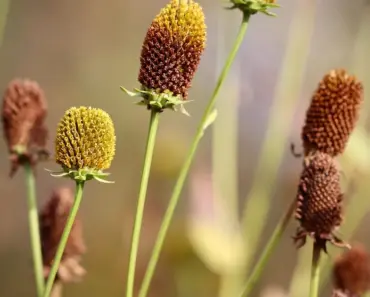
Echinacea is a beloved native perennial that adapts surprisingly well to container life. Its large, purple-pink flowers with prominent central cones bloom from midsummer through early fall. Pollinators adore it, and the seed heads provide winter interest if left standing. Echinacea is exceptionally heat and drought tolerant, making it a low-maintenance choice for sunny patios.
In a pot, echinacea needs full sun and a deep container to accommodate its taproot. Use a well-draining potting mix and water deeply but infrequently once the plant is established. Echinacea purpurea reaches two to three feet tall in containers, depending on the variety. Dwarf cultivars like ‘PowWow Wild Berry’ stay more compact at about 18 inches. Hardy in zones 3 through 8, echinacea requires no special winter care in most regions. Cut the stems back to the ground in early spring before new growth emerges.
7. Sedum ‘Autumn Joy’ (Hylotelephium telephium)
Sedum ‘Autumn Joy’ closes the growing season with a spectacular show. Its fleshy, succulent-like foliage forms neat mounds, and in late summer, flat clusters of tiny flowers emerge. The blooms start pink, deepen to bronze-red, and persist well into autumn, providing color when many other plants have faded. Sedum is among the most drought-tolerant perennials you can grow, thriving in poor, dry soil with minimal water.
In a container, sedum needs full sun and extremely well-drained soil. Add extra grit or perlite to your potting mix to ensure sharp drainage. Water sparingly, allowing the soil to dry completely between waterings. Sedum ‘Autumn Joy’ grows about 18 to 24 inches tall and works beautifully as a filler or spiller, depending on placement. It is hardy in zones 3 through 9 and requires no winter protection. In spring, simply trim away the old stems to make room for new growth.
Bringing It All Together in Your Containers
Once you have selected your perennial patio plants, the fun begins. Arrange them in your pot with a clear structure. Place a taller plant like agapanthus or echinacea in the center as the thriller. Surround it with mid-height plants such as salvia or coreopsis as fillers. Finally, add trailing annuals like petunias or calibrachoa around the edges as spillers. This classic thriller-filler-spiller formula creates a balanced, professional-looking container with minimal effort.
Water deeply when the top inch of soil feels dry, and feed with a balanced liquid fertilizer every two to three weeks during the growing season. In autumn, cut back spent foliage and move pots to a sheltered spot if your winters are harsh. Come spring, refresh the soil surface and watch your perennials emerge stronger than ever.
By choosing drought-tolerant perennial patio plants and following a few container-smart practices, you can enjoy a vibrant, low-maintenance patio garden that returns year after year. The effort you invest upfront pays off in seasons of effortless beauty.