Unlocking the Beauty of Bold Cheyenne Spirit Coneflowers
Looking for a perennial that consistently delivers a burst of color and attracts butterflies and bees to your garden? The ‘Cheyenne Spirit’ coneflower (Echinacea ‘Cheyenne Spirit’) is a fantastic choice. This robust and adaptable cultivar offers a stunning array of bloom colors – from fiery reds and oranges to soft creams and yellows – and boasts impressive drought tolerance, making it a rewarding addition to any landscape. Let’s delve into the secrets of successfully growing these beautiful plants, exploring everything from ideal planting times to ongoing care, and uncovering the fascinating history and ecological benefits of this beloved perennial.
- Choosing the Right Location: Light and Soil Considerations
- Timing is Everything: When to Sow Seeds or Plant Transplants
- Planting Depth and Spacing: Creating the Ideal Conditions
- Watering Wisely: Finding the Right Balance
- Fertilizing for Flourishing Blooms: What and When to Feed Your Plants
- Deadheading for Continued Blooms: Extending the Flowering Season
- Dividing for Propagation and Refreshment: Maintaining Plant Health Over Time
The success of ‘Cheyenne Spirit’ coneflowers hinges significantly on providing them with the right environment from the start. While these plants are remarkably adaptable, they thrive best in full sun – at least six to eight hours daily. This abundant sunlight fuels vigorous growth, resulting in stronger stems and a significantly increased bloom production. However, they can tolerate partial shade, particularly in hotter climates, though the intensity and duration of the blooms may be slightly reduced. Regarding soil, ‘Cheyenne Spirit’ prefers well-drained conditions, whether it’s sandy loam, clay, or even a slightly rocky soil. Heavy, consistently soggy soil is a coneflower’s enemy, as it can lead to root rot. Before planting, it’s wise to amend heavier soils with compost or other organic matter to improve drainage. A slightly alkaline soil pH (around 6.5 to 7.0) is generally ideal, but coneflowers are surprisingly forgiving and can handle a wider range of pH levels. Interestingly, research published in the Journal of Native Plants (2018) suggests that coneflowers exhibit a remarkable ability to absorb nutrients from even nutrient-poor soils, a trait likely contributing to their resilience in natural environments.
‘Cheyenne Spirit’ coneflowers can be propagated through seed or by transplanting established plants. If starting from seed, spring sowing is generally recommended, around 6-8 weeks before the last expected frost. Alternatively, fall sowing can be beneficial, allowing the seeds to naturally stratify (experience a period of cold) over winter, which can improve germination rates. When transplanting, the best time is typically in spring or early summer, after the risk of frost has passed. Choose a cloudy day to minimize transplant shock. If you’re purchasing transplants, look for healthy, robust plants with deep green foliage and no signs of disease or pests. A key detail often overlooked is the seed’s viability. According to the USDA seed germination guide, Echinacea seeds generally have a lower germination rate than many other perennials, often ranging between 20% and 40%. This means you might need to sow more seeds than you initially think to achieve a dense planting. Consider pre-treating the seeds with a commercial seed-starting solution to improve germination rates.
When planting ‘Cheyenne Spirit’ coneflowers, dig a hole that’s twice as wide as the root ball but no deeper. Gently loosen the roots before placing the plant in the hole, ensuring the crown (where the roots meet the stem) is level with the soil surface. Spacing is crucial for optimal growth and air circulation. Allow approximately 18-24 inches between plants, and 24-36 inches between rows. This spacing provides enough room for the plants to mature and encourages strong stem development. Furthermore, consider the mature size of the plant – ‘Cheyenne Spirit’ can reach a height of 2-2.5 feet and spread 1-2 feet – when determining your planting layout. Dense plantings can lead to competition for resources and reduced airflow, increasing the risk of fungal diseases. A helpful visual cue is to imagine the mature plants as a rounded, dome-shaped cluster, allowing for ample space between them.
Newly planted ‘Cheyenne Spirit’ coneflowers require consistent watering to establish a strong root system. Water deeply and regularly, especially during dry periods, until the plants are well-established. Once established, these plants are remarkably drought-tolerant, a trait that’s particularly beneficial in warmer climates. However, consistent watering during the blooming season will encourage abundant flower production. Avoid overhead watering, as this can promote fungal diseases. Instead, water at the base of the plant, allowing the soil to dry slightly between waterings. A good rule of thumb is to water deeply once or twice a week, depending on rainfall and soil conditions. It’s worth noting that coneflowers can actually benefit from a period of drought stress, which can stimulate flowering. A study conducted by the University of Minnesota Extension found that plants subjected to mild drought conditions produced more abundant and longer-lasting blooms than those consistently over-watered.
‘Cheyenne Spirit’ coneflowers generally don’t require heavy fertilization. In fact, excessive fertilization can lead to lush foliage at the expense of blooms. However, a light application of a balanced, slow-release fertilizer in early spring can provide a boost of nutrients. Choose a fertilizer with an NPK ratio of 10-10-10 or similar. Alternatively, you can amend the soil with compost or well-rotted manure. Avoid high-nitrogen fertilizers, as they can promote excessive vegetative growth and reduce flowering. It’s crucial to observe your plants closely and adjust your fertilization schedule accordingly. If the foliage is dark green and the blooms are sparse, you may need to fertilize more frequently. Conversely, if the foliage is yellowing, you’re likely over-fertilizing. A sustainable approach is to use organic fertilizers, which release nutrients slowly and improve soil health over time.
You may also enjoy reading: Tried the 7 Most Popular DIY Weed Killers.
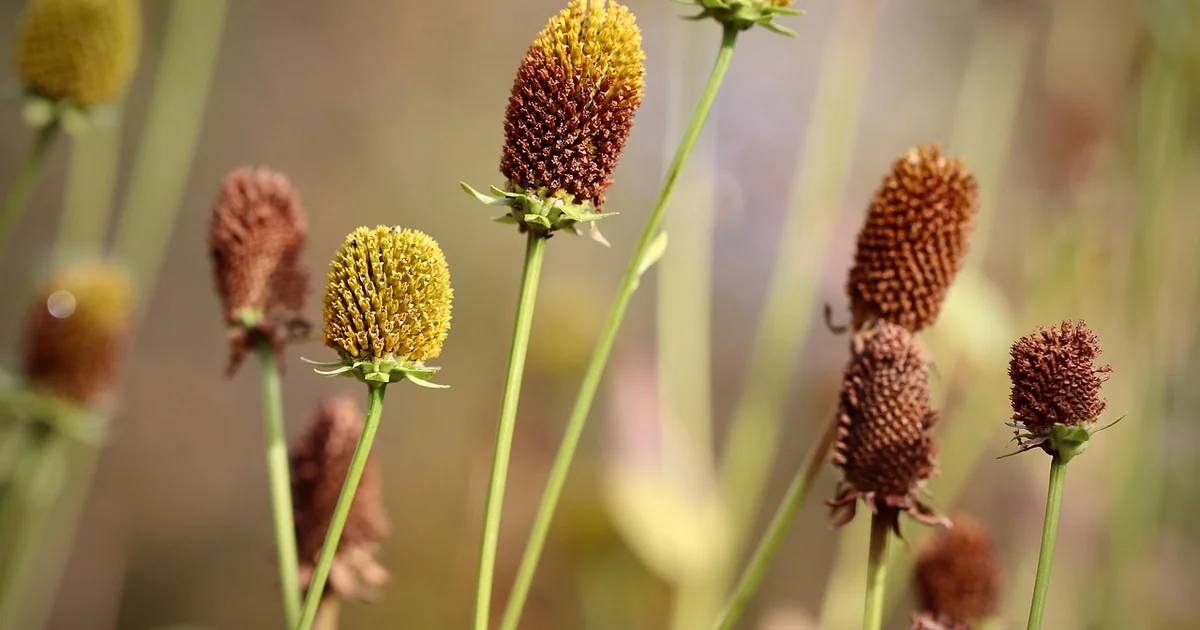
Deadheading – the removal of spent flowers – is essential for encouraging ‘Cheyenne Spirit’ coneflowers to continue blooming throughout the summer and fall. When a flower head begins to fade, cut it off just below the flower, above the first set of petals. This prevents the plant from putting energy into seed production and redirects it towards producing more blooms. Regular deadheading will significantly extend the flowering season and keep your garden looking vibrant. Furthermore, deadheading also helps to maintain the plant’s shape and prevents it from becoming leggy. A helpful tip is to collect the spent flower heads – they make excellent dried arrangements or can be used to create natural dyes.
Every 3-5 years, ‘Cheyenne Spirit’ coneflowers can benefit from division. This rejuvenates the plants and helps to control their spread. The best time to divide is in early spring or fall. Dig up the entire clump, carefully separate it into smaller sections, ensuring each section has a good root system, and replant them in a new location. This is particularly important if the plants have become crowded or if the foliage is starting to look tired. Dividing also helps to propagate new plants, allowing you to share them with friends and family or expand your own garden. When dividing, look for plants with multiple crowns – these are more likely to establish successfully. Newly divided plants may require some extra care and watering during their initial establishment period.
The Unique Color Palette of ‘Cheyenne Spirit’ and Its Ecological Significance
What truly sets ‘Cheyenne Spirit’ coneflowers apart is their extraordinary range of bloom colors. Unlike many other coneflower varieties that offer a single hue, ‘Cheyenne Spirit’ displays a captivating mix of reds, oranges, pinks, purples, and yellows – often with subtle variations as the flowers mature. This striking color palette creates a visually stunning display in any garden. The specific genetic combination responsible for this diversity is still being studied by plant breeders, but it’s believed to involve multiple genes that influence pigment production. Beyond its aesthetic appeal, ‘Cheyenne Spirit’ plays a vital role in supporting local ecosystems. As a host plant for the silvery checkerspot butterfly (Chlosyne nycteis), it provides a crucial food source for the caterpillars, contributing to the butterfly’s lifecycle. Furthermore, the abundant nectar produced by the flowers attracts a wide range of pollinators, including bees, butterflies, and hummingbirds, supporting biodiversity and healthy ecosystems. The coneflower’s resilience and adaptability make it a valuable addition to both cultivated gardens and natural habitats. Interestingly, the coneflower’s roots help to stabilize soil, preventing erosion and improving soil health. Research conducted at the Xerces Society for Invertebrate Conservation highlights the importance of native plants – like ‘Cheyenne Spirit’ – in providing habitat and sustenance for pollinators in an increasingly urbanized world.