Bringing the Ocean’s Serenity to Your Bath: A Deep Dive into Sea Sponge Harvesting
The scent of lavender, the gentle squish of a natural sponge beneath your fingertips – there’s a certain magic to a handmade soap topped with a vibrant, textured sea sponge. It’s a sensory experience that’s becoming increasingly popular, driven by a desire for more natural, sustainable, and luxurious bath products. But have you ever stopped to consider where these remarkable sponges come from? The practice of sea sponge harvesting is a surprisingly ancient and complex one, deeply intertwined with marine ecosystems and the communities that depend on them. This article will explore seven key aspects of this fascinating tradition, from the astonishing diversity of sea sponges to the ethical considerations surrounding their sourcing, offering a comprehensive guide to understanding and appreciating this unique connection to the ocean.
1. The Astonishing Variety of Sea Sponges
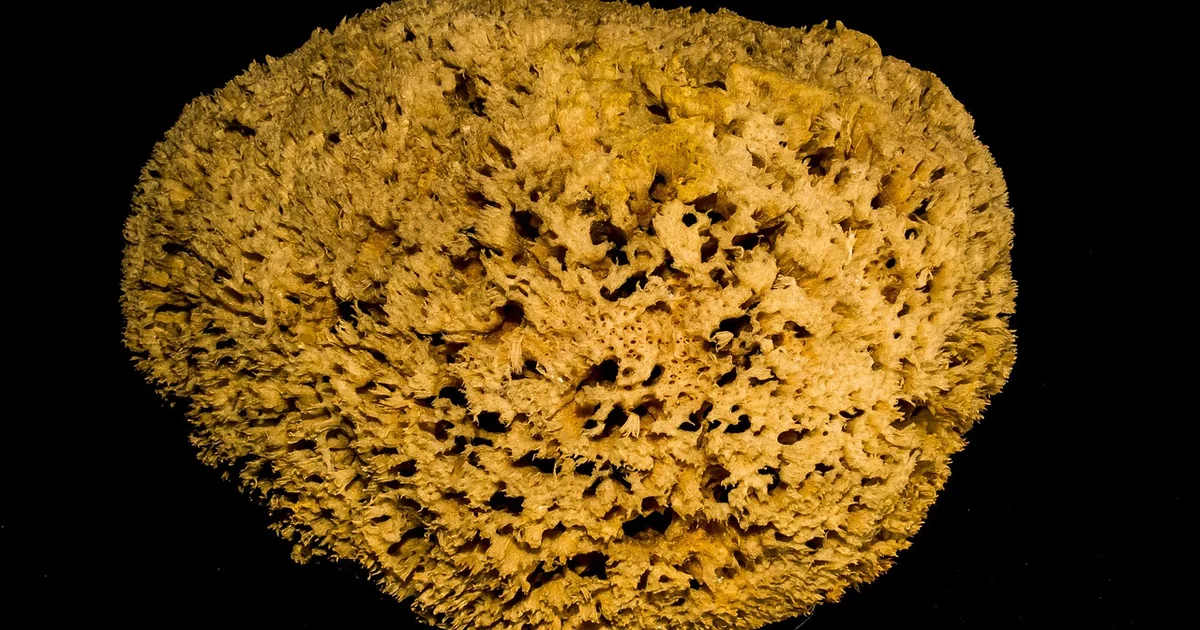
When most people think of a ‘sea sponge,’ they envision a single, uniform object. However, the reality is far more diverse. There are over 5,000 recognized species of sea sponges – that’s more than 5,000 distinct varieties, each with its own unique texture, density, color, and even scent! These fascinating creatures belong to the phylum Porifera, meaning “pore-bearing,” a nod to their characteristic porous structure. They aren’t plants or animals in the traditional sense; they’re simple, filter-feeding organisms that drift through the ocean’s currents. The sponges found in your bath products typically come from a handful of species, primarily Spongia officinalis (the Mediterranean sponge), Spongia lamellosa (the East Atlantic sponge), and Hippospongia communis (the Caribbean sponge). Each species boasts subtly different properties—some are incredibly soft and yielding, while others are firmer and more abrasive. The subtle differences in texture and density directly impact the lather produced when incorporated into soap, influencing the overall bathing experience. Interestingly, the vast majority of these sponges aren’t commercially harvested; only a small percentage contribute to the global supply, highlighting the precarious balance between demand and available resources.
2. Sponge Fishermen: Guardians of the Reef
The tradition of sea sponge harvesting isn’t a mechanized, industrial process. Instead, it’s a deeply rooted, often family-based craft practiced by ‘sponge fishermen’ – and ‘sponge fisherwomen’ – in coastal communities around the world, primarily in Spain, Portugal, Greece, and the Caribbean. These individuals are more akin to marine biologists and conservationists than traditional fishermen. They possess an intimate knowledge of the underwater environment, meticulously selecting locations where sponge populations are thriving. Unlike trawling, which indiscriminately damages marine habitats, sponge fishermen employ a careful, hand-harvesting technique. They dive down to the sponge beds, typically at depths of 30-60 feet, and gently select sponges that are at least six inches in diameter. The key to sustainable harvesting lies in cutting the sponge an inch from the base – this crucial step stimulates regeneration. As the base decays, the sponge actively grows a new one, ensuring a continuous supply without depleting the population. This practice isn’t just about economics; it’s a testament to a long-standing partnership between humans and the marine environment.
3. The Regenerative Power of the Sponge
The practice of cutting the sponge an inch from the base isn’t just a farming technique; it’s the cornerstone of sustainable sea sponge harvesting. When a sponge is cut, the exposed base begins to decompose. This decomposition process releases nutrients that fuel the sponge’s growth, prompting it to regenerate a new growth point. It’s a remarkably efficient and natural cycle. Remarkably, researchers have observed that these regenerated sponges can grow back to their original size – and even surpass it – within a matter of months. In fact, some sponge beds have been observed to increase in density over time due to this regenerative process. This continuous regrowth is what allows for the sustainable harvesting of sea sponges. The sponge fishermen carefully monitor the sponge beds, ensuring that they aren’t over-harvested and that the regeneration rate remains healthy. It’s a delicate balance, requiring observation, patience, and a deep respect for the marine ecosystem. Dolphins use sea sponges too! Dolphins have been known to carry sea sponges in their beaks while looking for food along the ocean floor. The sponges act as a combination filter/shield which protects the dolphin from sharp rocks, urchins, and other objects that could hurt them.
4. The Texture and Density Spectrum of Sea Sponges
Just as there are thousands of species of sea sponges, there’s also a remarkable variation in their texture and density. The soft, squeezable object you find in your bath product is actually the interior, or “sponge,” part of the creature. The outer layer, known as the “chalaza,” is a rigid, protective shell composed of calcium carbonate. This chalaza provides the sponge with its structural integrity and protects it from predators and harsh environmental conditions. The softness and density of the interior sponge vary significantly depending on the species and the growing conditions. Some sponges are incredibly soft and yielding, offering a gentle exfoliating experience, while others are firmer and more dense, providing a more robust scrubbing action. For example, Hippospongia communis, commonly found in the Caribbean, tends to produce sponges with a higher density and a slightly coarser texture, ideal for removing stubborn dirt and grime. Spongia officinalis, on the other hand, is known for its exceptionally soft and delicate texture, perfect for sensitive skin. Understanding this spectrum is crucial for selecting the right sponge for your specific needs and preferences.
5. The Ethical Sourcing of Sea Sponges – Exploring the Relationship Between Sponge Fishermen and Their Communities
The story of sea sponge harvesting extends far beyond the simple act of collecting sponges. It’s deeply intertwined with the livelihoods and traditions of coastal communities. In many regions, sponge fishing is a multigenerational craft, passed down through families who have lived and worked along the coast for centuries. These communities often rely heavily on sponge harvesting as their primary source of income, and the practice is deeply embedded in their cultural identity. It’s essential to ensure that the sponges you purchase are sourced ethically, supporting these communities and protecting their way of life. Look for certifications from organizations like the Marine Stewardship Council (MSC), which assesses the sustainability of fisheries. Furthermore, directly supporting local sponge fishermen through purchasing their products ensures that they receive a fair price for their harvest and can continue to practice sustainable harvesting techniques. The relationship between sponge fishermen and their communities is a beautiful example of how economic activity can be aligned with environmental stewardship and cultural preservation.
You may also enjoy reading: 5 Surprising Benefits of Making Your Coffee at Home Beyond the Cost Savings.
6. Sea Sponges as Natural Exfoliants – Comparing Their Effectiveness to Other Natural Alternatives
Beyond their luxurious lather, sea sponges possess natural exfoliating properties that make them a valuable addition to your skincare routine. The porous structure of the sponge is covered in tiny pores, which gently buff away dead skin cells, revealing smoother, brighter skin. When compared to other natural exfoliants like sugar scrubs or oatmeal, sea sponges offer a uniquely gentle experience. They don’t contain harsh abrasives that can irritate or damage the skin, making them suitable for even the most sensitive skin types. Studies have shown that sea sponges are more effective than many commercially available scrubs at removing dead skin cells and improving skin texture. Moreover, sea sponges are biodegradable, meaning they break down naturally without harming the environment – a significant advantage over synthetic exfoliants which can contribute to plastic pollution. While other natural exfoliants offer similar benefits, the combination of gentle exfoliation and a luxurious bathing experience makes sea sponges a truly special addition to your skincare arsenal.
7. The Role of Sea Sponges in Marine Ecosystems – Beyond Their Use in Soap and Dolphin Foraging
The importance of sea sponge harvesting extends far beyond the realm of bath products and dolphin foraging. Sea sponges play a vital role in maintaining the health and biodiversity of marine ecosystems. As filter feeders, they consume microscopic particles suspended in the water, effectively cleaning the ocean and improving water quality. They also provide shelter and habitat for a variety of marine organisms, including small fish, crustaceans, and mollusks. The intricate network of pores within a sponge creates a complex microhabitat, offering refuge from predators and providing a feeding ground for smaller creatures. Research has revealed that sponges are often the foundation of complex food webs in certain marine environments. By sustainably harvesting sea sponges, we are not only supporting local communities but also contributing to the overall health and resilience of the marine ecosystem. It’s a reminder that our everyday choices – from the soap we use to the products we consume – can have a profound impact on the world around us. The process actually encourages healthy regrowth and increases population density.
Ultimately, incorporating sea sponges into your bath routine is more than just a luxurious indulgence; it’s a connection to a centuries-old tradition, a celebration of marine biodiversity, and a step toward more sustainable practices. When you choose a product featuring these remarkable creatures, you’re supporting a community, protecting a fragile ecosystem, and experiencing the simple beauty of the ocean’s serenity.