Unlock Your Summer Harvest: 7 May Seed Starting Ideas
The scent of spring is fading, and a new season of growth is dawning – May is a truly magical time for gardeners, especially those in cooler climates. While many are still battling lingering frosts, May marks a pivotal shift: the soil begins to warm, and the days lengthen, offering a crucial window for starting seeds indoors. Don’t let the late spring start discourage you; it’s prime time for indoor sowing, and several heat-loving crops thrive when given a head start. Let’s dive into seven specific seed starting ideas that will set you up for a bountiful harvest this summer, focusing on maximizing your yield and minimizing potential transplant shock. We’ll explore everything from quick-germinating beans to the drama of sunflowers, all while considering the unique challenges of each crop and offering practical solutions for successful germination and growth. This isn’t just about planting seeds; it’s about understanding the why behind each choice, ensuring you’re providing the right conditions for your seedlings to flourish. The key to a thriving garden in May lies in strategic planning and a little bit of foresight – and we’re here to help you get it right.
1. Beans: The Speedy Starters
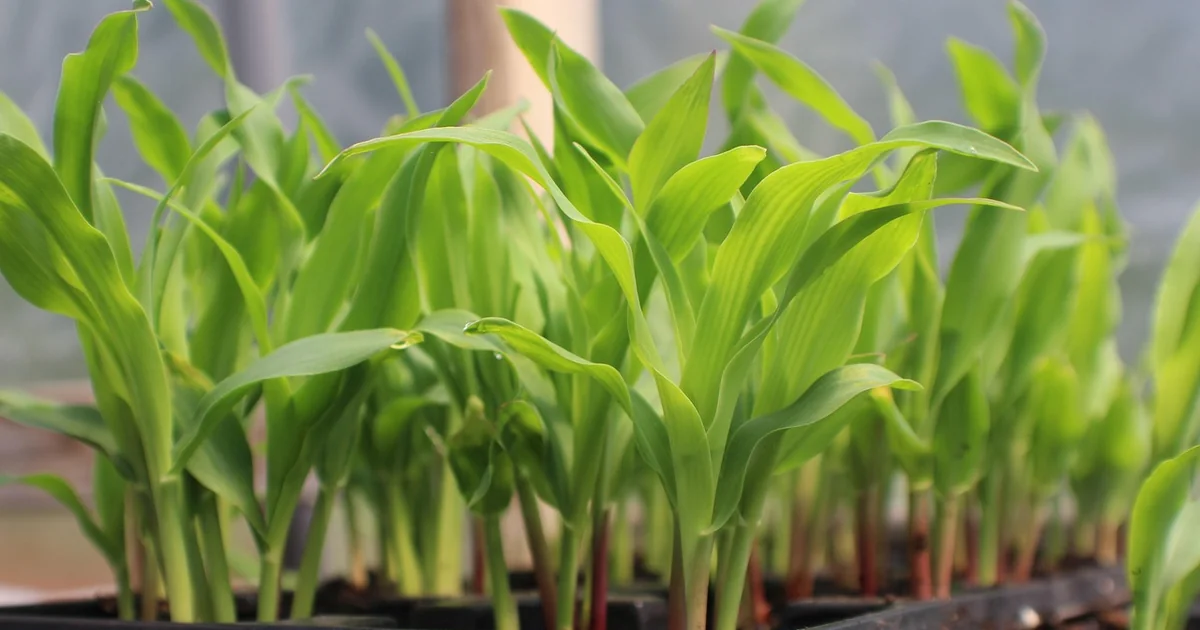
Beans are arguably the champions of early May seed starting. Their rapid germination—typically within a week in warm soil—makes them ideal for a quick win. However, there’s a crucial caveat: bean seedlings don’t handle transplanting particularly well. They’re prone to shock and stunted growth if moved too soon. The most efficient approach is direct sowing once the soil reaches a consistent temperature of around 60°F (16°C). This is where May shines for gardeners in colder zones. The cool spring temperatures are perfect for allowing the seeds to germinate without the stress of being exposed to harsh sunlight or fluctuating temperatures. The fact that bean seedlings don’t thrive when transplanted means that starting them directly in the ground is a significant advantage. Because they have a relatively short growing season, you can still get a good harvest even if you start them a little later than some other crops. Plant seeds about an inch deep, spaced four inches apart, and you should see them emerge within a week. Remember to keep the soil consistently moist – bean seeds tend to rot in cold, wet soil. The average germination rate for bean seeds is around 85-95% when conditions are ideal, but poor soil contact can significantly reduce this number. For a truly impressive yield, consider varieties like ‘Blue Lake Bush’ for a reliable and productive harvest.
2. Cucumbers: A Head Start in Biodegradable Pots
Cucumbers are a popular choice for early seed starting, and May offers a fantastic opportunity. You have two primary options: sowing directly into the ground, or starting them indoors in biodegradable pots. Direct sowing works well if your soil has warmed to at least 65°F (18°C). However, starting cucumbers indoors in biodegradable pots—pots that can be planted directly into the ground—is a hugely beneficial strategy, particularly for gardeners in colder areas. This minimizes transplant shock because the roots are already established when the seedlings are moved outside. The biodegradable pots break down naturally, eliminating the need for root disturbance. Plant seeds about half an inch deep, spacing them two seeds per spot, and thinning to the strongest seedling once they emerge. Cucumbers are heavy feeders, meaning they require a lot of nutrients to thrive. Adding compost or a balanced fertilizer to the planting hole will provide a boost. Furthermore, provide support structures—trellises or stakes—to prevent the vines from sprawling and ensure optimal sunlight exposure. A common mistake is overwatering cucumbers, which can lead to root rot. Allow the top inch of soil to dry out between waterings. The average cucumber plant yields between 50-70 fruits per season, making it a rewarding addition to any garden.
3. Summer Squash: Warmth is Key
Summer squash, including zucchini and yellow squash, are notoriously sensitive to cool soil temperatures. They require a minimum of 65°F (18°C) to germinate successfully. May is an excellent time to sow these seeds directly into the ground if your soil has consistently warmed up to that temperature. Direct sowing is generally preferred for summer squash, as the seedlings don’t tolerate transplanting well. Plant seeds about an inch deep, spacing them three feet apart, and dropping two seeds per spot – this ensures a good germination rate. Thinning to one seedling per spot once they emerge is crucial to prevent overcrowding. Summer squash plants are prolific producers, spreading up to three feet across, so plan your garden layout accordingly. A little space between plants is essential for good air circulation and sunlight penetration. Consistent watering is vital, especially during dry spells. Mulching around the plants helps retain moisture and suppress weeds. The first harvest of summer squash typically occurs around 50-60 days after planting, and the plants will continue to produce fruit throughout the summer. Did you know that the average yield per summer squash plant is around 10-15 fruits?
4. Basil: Patience and Nighttime Temperatures
Basil is a particularly sensitive herb, and starting it too early can be disastrous. The rule of thumb is to wait until nighttime temperatures consistently hold above 50°F (10°C) before sowing basil seeds. This is because basil seedlings are extremely susceptible to cold damage and can easily be stunted or killed by even a few nights of frost. May provides a sweet spot for basil seed starting, whether you choose to sow indoors or directly outside once the weather has warmed up. Starting indoors gives you a head start, but remember to harden off the seedlings gradually over a week before transplanting them outdoors. Harden off involves exposing the seedlings to increasingly longer periods of outdoor conditions – starting with an hour or two in a sheltered location and gradually increasing the exposure time. Basil thrives in warm, sunny locations with well-drained soil. Regular watering is essential, especially during hot weather. Pruning basil regularly encourages bushier growth and prevents flowering, which can make the leaves bitter. ‘Italian Genovese’ is the classic variety for cooking, renowned for its intense flavor. ‘Thai basil’ offers a sharper, anise-like flavor and holds up better in hot weather, making it a great addition to Southeast Asian dishes. Purple Petra basil adds a pop of color to your garden and your salads.
5. Sunflowers: A Long-Term Investment
Sunflowers are a spectacular addition to any garden, and May is an excellent time to get them started. Most sunflower varieties take approximately 70 days to mature, so starting them in May gives you plenty of time to enjoy their vibrant blooms and impressive seed heads. Direct sowing sunflower seeds about an inch deep in a sunny location is the most straightforward approach. Plant them three feet apart to allow for adequate growth. Sunflowers are heavy feeders and require well-drained soil. Adding compost to the planting hole will provide essential nutrients. Consistent watering is crucial, especially during dry spells. Sunflowers are known to develop a long taproot early on, so transplanting them can disrupt this root system and set them back. Therefore, direct sowing is generally recommended. The average height of a sunflower is between 6 and 12 feet, depending on the variety. Consider the space you have available when planning your sunflower planting. With proper care, you can expect to harvest a bounty of seeds for roasting or bird feeding. The tallest sunflower species, the Helianthus annuus, can exceed 12 feet in height, making them a truly impressive sight.
You may also enjoy reading: 5 Reasons Hydrangea Leaves Turn Yellow: Ditch Rusty Water.
6. Mongolian Giant Sunflower: A Towering Triumph
If you’re seeking a truly impressive sunflower, the Mongolian Giant is an excellent choice. This variety, known for its massive size and striking appearance, is particularly well-suited for May seed starting. Similar to other sunflowers, direct sowing is the preferred method, ensuring the taproot develops unhindered. However, due to its prodigious growth potential, provide ample spacing – at least four feet between plants. The Mongolian Giant sunflower can reach heights of up to 14 feet, making it a dramatic focal point in any garden. Prepare the soil thoroughly with plenty of compost to support its substantial root system. Consistent watering is paramount, especially during the initial stages of growth. Monitor the plant closely for signs of nutrient deficiencies and supplement with a balanced fertilizer if needed. The Mongolian Giant sunflower is known for its exceptional seed yield, making it a rewarding crop for seed saving. Consider constructing a sturdy support structure to prevent the massive flower head from bending or breaking under its own weight. The vibrant yellow petals and impressive size of the Mongolian Giant sunflower will undoubtedly captivate the attention of visitors to your garden.
7. Purple Petra Basil: Adding a Splash of Color
While ‘Italian Genovese’ is the go-to variety for culinary use, ‘Purple Petra’ basil offers a beautiful alternative with its striking purple foliage. Starting ‘Purple Petra’ basil in May provides a head start, allowing you to enjoy its unique color and flavor in your garden and kitchen. As with other basil varieties, patience is key – wait until nighttime temperatures consistently hold above 50°F (10°C) before sowing. Starting indoors offers a slight advantage, particularly in colder climates, but be sure to harden off the seedlings gradually. ‘Purple Petra’ basil is known for its excellent heat tolerance, making it a good choice for gardeners in warmer regions. It’s also more resistant to flowering, ensuring a continuous supply of flavorful leaves. Plant it in a sunny location with well-drained soil and water regularly. Mulching around the plants helps retain moisture and suppress weeds. Harvest the leaves regularly to encourage bushier growth. The vibrant purple color of ‘Purple Petra’ basil adds a touch of elegance to salads, pesto, and other culinary creations. It’s a delightful addition to any garden and a welcome change from the traditional green basil.
May truly is a gardener’s month. By strategically planting these seven crops, you’ll be well on your way to enjoying a bountiful and delicious summer harvest. Remember to always check the specific requirements of your chosen varieties and adapt your planting schedule to your local climate. Happy gardening!