With the lengthening days and a noticeable shift in the air, it’s officially May – a truly exciting time for gardeners. The last of the winter chills are fading, and the promise of a bountiful harvest is beginning to blossom. While some crops still require a little more coaxing, this month opens the door to direct sowing seeds, especially for those in warmer regions. Let’s dive into eight easy veggies that thrive when planted in May, offering a fantastic starting point for your spring garden and a delicious preview of summer’s flavors.
The Golden Window: Why May is Prime Planting Time
May holds a special significance for vegetable gardeners. It represents a crucial transition point, moving beyond the cool-season staples like lettuce and spinach to embrace the warmth of summer. The key reason for this shift lies in the weather – particularly the soil temperature. As April fades and May takes hold, final frost dates pass quickly, and “real” vegetable gardening gets underway in earnest. In northern climates, May typically brings soil that’s finally warm enough for tender crops to germinate reliably outdoors. A soil thermometer – something like the Yamron 4-in-1 design available on Amazon – is an invaluable tool for confirming those crucial temperature thresholds. You’re looking for a consistent reading above 60°F (16°C) for most beans and cucumbers, and closer to 65°F (18°C) for cucumbers specifically. This isn’t just a guess; consistently warm soil is the difference between a flourishing crop and a disappointing failure. Interestingly, research published in the HortScience journal in 2018 highlighted that soil temperature plays a far more significant role in early germination than previously thought, often overriding traditional planting calendars. This is a fascinating point – it’s not simply about the calendar date, but the feel of the earth beneath your fingers.
1. Beans: A Quick Harvest Champion
Let’s start with a classic – beans. And it’s no coincidence that Jack’s fast-growing crop was a beanstalk. If you’re after something that takes off quickly in May, beans are hard to beat. With soil temperatures reliably above 60°F (16°C), most bean varieties germinate rapidly and evenly. Whether you choose bush or pole types, beans are refreshingly low-maintenance and won’t demand constant attention. Jack may have planted pole beans, but I tend to favor bush varieties, which stand neatly on their own without the need for trellising. That said, pole beans will reward you with a longer harvest period – something to consider if space allows. The beauty of beans is their ability to thrive even in less-than-ideal conditions. They’re fairly tolerant of inconsistent watering, though consistent moisture is always beneficial. Like most summer crops, beans need full sun, well-drained soil, and consistent moisture. Avoid waterlogged ground, though – beans dislike “wet feet” and can quickly struggle in poorly drained soil. Furthermore, beans are a particularly good choice for beginner gardeners because of their relatively short growing season – around 45–60 days. Pods are ready when they feel firm and snap cleanly from the plant. Pick regularly – every couple of days at peak production – to encourage the plant to keep flowering and producing new pods. Bean Seed Picks: Sweet Yards Organic Bean Seeds Variety Pack Three Color Blend Bean Seeds Kentucky Wonder Pole Bean Seeds
2. Cucumbers: Trellis Time!
Has your region seen its last spring frost? If so, May is your cue to plant cucumbers. These vigorous climbers thrive in warm soil – ideally above 65°F (18°C) – and a full-sun position. Well-drained soil is essential, and consistent, even watering will prevent bitterness and misshapen fruit. For best results, sow seeds at the base of a vegetable trellis or support. As they germinate and grow, the vines will naturally climb, keeping fruit off the ground, improving air circulation, and reducing the risk of disease. It also makes harvesting far easier – no rummaging through foliage to find hidden fruit. Most cucumber varieties are ready to harvest in about 50–70 days. Pick cucumbers while they’re still young and tender, before seeds fully develop. And, as with beans, frequent harvesting encourages the plant to keep producing rather than slowing down. Interestingly, cucumbers are particularly susceptible to powdery mildew in humid conditions. Providing ample air circulation through proper spacing and trellis support can significantly reduce this risk. Cucumber Seed Picks: Sow Right Seeds Cucumber Seed Collection Homemade Pickles Cucumber Seeds
3. Carrots: Patience and Preparation
Bugs Bunny may be their most famous fan, but I’m right there with him when it comes to celebrating the humble carrot. These root vegetables require a bit more care and attention than beans or cucumbers, but the reward – sweet, crunchy carrots fresh from the garden – is well worth the effort. Carrots prefer light, sandy, stone-free soil and full sun. Heavy clay soils can inhibit root development, so amending your soil with compost or other organic matter is crucial. Furthermore, consistent watering is vital – carrots thrive with a consistently moist, but not waterlogged, soil. A layer of mulch – straw or wood chips – can help retain moisture and suppress weeds. And here’s a little-known fact: smaller carrots are often sweeter. This is because the plant prioritizes sugar production for the smaller root, rather than investing in a larger, less developed one. Rooting depth can also be a challenge, particularly in compacted soils. To encourage deeper roots, consider sowing seeds thinly and spacing them widely, allowing each seedling plenty of room to develop. Carrots are generally ready to harvest in 60-80 days, depending on the variety. Pull them gently from the soil, being careful not to damage the roots.
4. Radishes: A Speedy Satisfaction
If you’re looking for a genuinely quick win in the garden, radishes are your answer. These peppery root vegetables germinate incredibly fast – often within just a week or two. This rapid growth makes them ideal for beginner gardeners and those short on time. Radishes thrive in cool, well-drained soil and full sun. They need consistent moisture, especially during germination and early growth. A little competition from weeds can be detrimental, so keep your garden bed weed-free. Harvest radishes when they reach their mature size – typically around 1-2 inches in diameter. Don’t leave them in the ground too long, as they will become woody and lose their flavor. Radishes are also a great companion plant for carrots, as they help to deter carrot root flies. A handful of radish seeds interspersed amongst your carrot seedlings can provide excellent protection against these pesky pests.
5. Lettuce: A Spring Salad Staple
As the days lengthen and the weather warms, lettuce makes a fantastic addition to your May garden. There are many varieties to choose from, including crisp romaine, tender butterhead, and spicy arugula. Lettuce prefers cooler temperatures and partial shade, especially during the hottest part of the day. Consistent moisture is essential, and a light layer of mulch can help retain soil moisture and suppress weeds. Succession planting – sowing small batches of lettuce every few weeks – will ensure a continuous supply of fresh greens throughout the summer. Don’t overwater lettuce; soggy soil can lead to rot. And remember, harvesting outer leaves regularly encourages the plant to continue producing new growth.
You may also enjoy reading: Expert Tips to Plant, Grow & Care for Rockapulco Impatiens.
6. Zucchini: A Summer Bounty
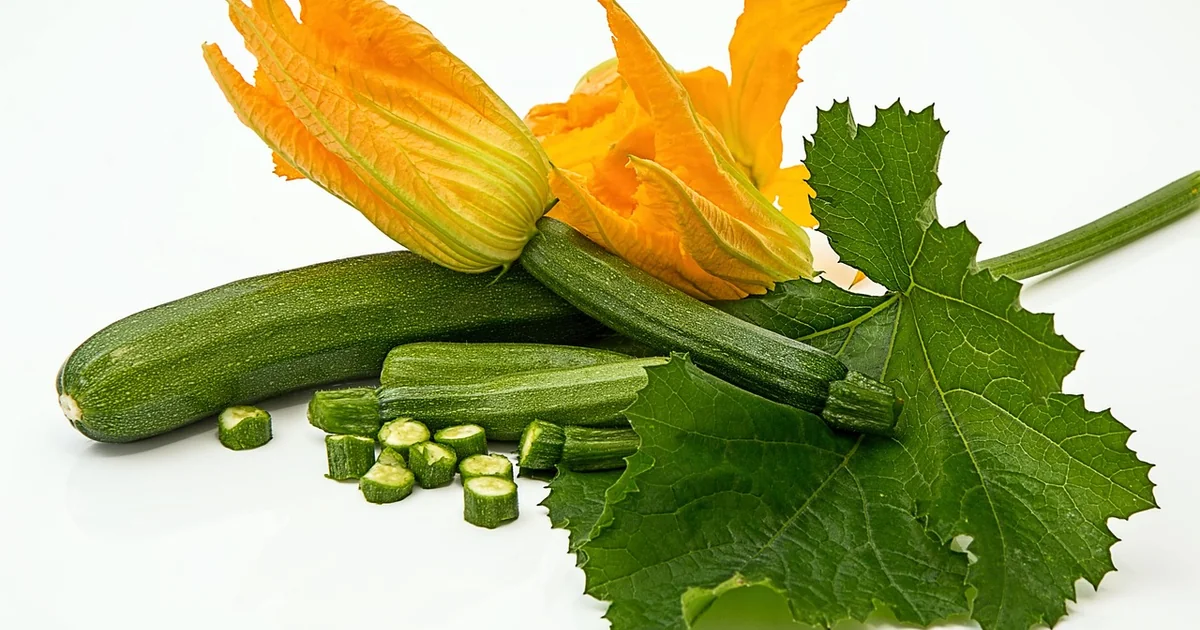
While technically a warm-season crop, zucchini can often be planted in May in warmer climates. These prolific plants produce an astonishing amount of zucchini – sometimes referred to as “zucchinis.” Zucchini need plenty of space to grow, so give them ample room to spread out. They also require full sun and well-drained soil. Consistent watering is crucial, especially when the plants are flowering and fruiting. Pinch off any flower buds that don’t produce fruit, as this will direct the plant’s energy towards fruit production. Harvest zucchini when they’re young and tender – about 6-8 inches long. Larger zucchini will be tougher and less flavorful. Zucchini Seed Picks: Burpee’s Zucchini Seeds
7. Peas: Climbing for Success
Peas are a delightful addition to any garden. There are two main types of peas – shelling peas (also known as snow peas or snap peas) and English peas (also known as garden peas). Shelling peas have flat pods that contain peas, while English peas have pods that are eaten whole. Both types require a trellis or support to climb. Peas need full sun and well-drained soil. Consistent watering is essential, especially during flowering and pod development. Adding a handful of lime to the soil can help raise the pH and improve nutrient availability. Peas are a great companion plant for carrots, as they help to improve soil aeration and suppress weeds.
8. Spinach: A Nutrient-Rich Green
Spinach is a nutrient-rich green that thrives in cool weather. It’s a great choice for May planting, especially in regions with mild winters. Spinach prefers partial shade and consistent moisture. A light layer of mulch can help retain soil moisture and suppress weeds. Succession planting – sowing small batches of spinach every few weeks – will ensure a continuous supply of fresh greens. Harvest spinach leaves when they’re young and tender, before they become tough and bitter. Spinach is a great addition to salads, smoothies, and cooked dishes.
As spring matures, warm-season vegetables can be layered in, building toward a fuller, more productive garden. In northern climates, soil warms up for tender crops – a soil thermometer, like this Yamron 4-in-1 design from Amazon, is invaluable for getting the timing right. Farther south, the focus shifts – now is the time to sow heat-loving crops that will thrive as summer temperatures climb. Patience now saves disappointment later. From sowing to harvest takes approximately 45-60 days for beans. Most cucumber varieties are ready in 50-70 days. Enjoy the fruits (and vegetables!) of your labor!