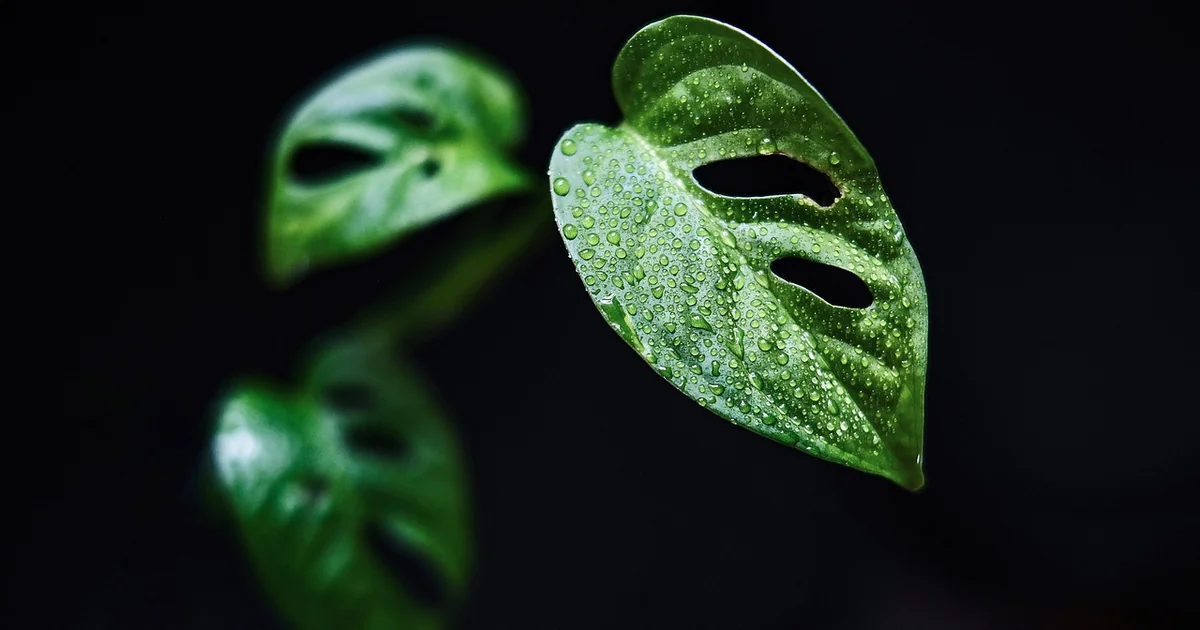
The Monstera deliciosa, or Swiss cheese plant, is a botanical superstar. Its dramatic, fenestrated leaves – those iconic holes and lobes – have made it a hugely popular choice for houseplants, transforming living rooms and offices alike. But beyond the sheer aesthetic appeal, successfully cultivating this demanding beauty requires understanding its specific needs. It’s more than just plopping it in a pot and watering it; it’s about mimicking the conditions of its native rainforest habitat. Let’s delve into the secrets of thriving monstera houseplants, covering everything from light and soil to humidity and support structures. This guide will equip you with the knowledge to transform your monstera from a hopeful seedling into a majestic, thriving centerpiece of your home. We’ll explore the plant’s unique history, common challenges, and practical solutions – because every plant deserves a chance to flourish, and your monstera should be no exception.
1. Mastering the Light: Finding the Perfect Spot for Your Monstera
Light is arguably the most critical factor in monstera care. These plants hail from the understory of the rainforest, a world of dappled sunlight filtering through the dense canopy. Direct sunlight can scorch their delicate leaves, leading to unsightly brown spots and a general decline in health. Conversely, insufficient light results in leggy growth, reduced leaf fenestration (those lovely holes!), and a plant that simply won’t thrive. The sweet spot is bright, indirect sunlight – think a few feet away from an east- or west-facing window, or a north-facing window with a sheer curtain to diffuse the light.
Interesting Fact: The degree of leaf fenestration – the size and number of holes – is directly linked to the amount of light a monstera receives. Plants in darker environments tend to develop larger, fewer holes, while those in brighter light produce smaller, more numerous ones. This isn’t just a cosmetic difference; it’s a physiological response to its surroundings. A plant consistently deprived of light will essentially ‘sacrifice’ leaf development to maximize its photosynthetic capacity, resulting in smaller leaves and fewer holes.
Troubleshooting Light Issues: If your monstera is stretching towards the light (elongated stems and sparse leaves), it’s a clear sign it’s not getting enough light. Consider moving it to a brighter location or supplementing with a grow light. Conversely, if the leaves are showing signs of sunburn (brown, crispy edges), it’s getting too much direct sunlight. Move it further away from the window or add a shade.
2. The Right Soil: A Recipe for Monstera Success
Monstera plants are heavy feeders and demand a soil mix that provides excellent drainage and aeration. Standard potting soil often retains too much moisture, which can lead to root rot – a common killer of monstera houseplants. A well-draining mix is absolutely crucial.
Recommended Soil Mix: A blend of peat moss, perlite, and vermiculite is a classic choice. Many commercially available potting mixes are formulated specifically for tropical plants and work exceptionally well. Miracle-Gro Potting Mix for Houseplants is a popular and reliable option. Alternatively, you can create your own mix by combining equal parts of each of these ingredients. Adding a bit of coco coir can also improve drainage and provide essential nutrients.
Pro Tip: When repotting, gently loosen the roots to encourage them to spread outwards into the new soil. This will help the plant establish itself quickly and absorb nutrients more effectively.
3. Watering Wisdom: When to Give Your Monstera a Drink
Overwatering is a far more common problem than underwatering with monsteras. Their rhizomes (underground stems) are susceptible to root rot, and consistently soggy soil can quickly lead to this devastating condition. The key is to allow the top few inches of soil to dry out completely between waterings.
How to Check Soil Moisture: Stick your finger about 2 inches into the soil. If it feels dry, it’s time to water. You can also use a moisture meter to get a more accurate reading.
Did You Know? Monstera deliciosa is native to a region with relatively high rainfall, but the soil is incredibly well-draining. This means they’re adapted to periods of dryness interspersed with occasional heavy watering. Mimicking this natural cycle is key to their health.
Watering Frequency: Watering frequency will vary depending on factors such as temperature, humidity, and the size of the pot. Generally, you’ll need to water every 1-2 weeks during the growing season (spring and summer) and less frequently during the dormant season (fall and winter).
4. Humidity Haven: Creating a Tropical Oasis
Monstera plants thrive in high humidity, similar to the rainforest environment they evolved in. Indoor air, particularly during winter months when heating systems are running, can be notoriously dry, which can stress the plant and lead to leaf drop. Increasing humidity is essential for healthy growth and vibrant foliage.
Simple Humidity Hacks:
You may also enjoy reading: 13 Essential Expert Tips to Mow Your Way to a Lusher, Greener Grass.
- Pebble Tray: Place the pot on a tray filled with pebbles and water. As the water evaporates, it will increase the humidity around the plant.
- Humidifier: Invest in a small humidifier to consistently maintain a high humidity level in the room.
- Grouping Plants: Grouping plants together creates a microclimate with higher humidity levels.
- Misting: While misting can provide a temporary boost in humidity, it’s not a long-term solution. The water evaporates quickly, and the leaves need to dry out completely to prevent fungal diseases.
5. Repotting for Growth: Giving Your Monstera Room to Expand
Monstera plants are vigorous growers and require repotting every couple of years to provide them with fresh soil and more space for their roots to expand. The best time to repot is during the growing season (spring or summer).
Choosing the Right Pot: Select a pot that’s 1-2 inches wider and deeper than the current container. Ensure the pot has drainage holes to prevent waterlogging. A pot with a slightly curved shape can help accommodate the plant’s sprawling vines.
Repotting Technique: Gently remove the plant from its current pot, loosen the roots, and place it in the new pot with fresh potting mix. Water thoroughly after repotting.
6. Supporting the Vines: Providing a Moss Pole for Climbing
Monstera deliciosa is a climbing vine, and providing a support structure allows it to reach its full potential. A moss pole is an excellent choice, as it provides a natural and attractive support for the aerial roots to climb. The moss provides a slightly acidic environment that the roots thrive in, and the plant will readily attach itself to the moss.
Training the Plant: Gently tie the stems to the moss pole with string or pantyhose as the plant grows. Regularly mist the moss pole to encourage root growth.
7. Fertilizing for a Lush Display: Nourishing Your Monstera
During the growing season (spring and summer), monstera plants benefit from regular fertilization. Use a balanced liquid fertilizer diluted to half strength every 2-4 weeks. Reduce or eliminate fertilization during the dormant season (fall and winter).
Important Note: Over-fertilizing can damage the roots, so it’s crucial to follow the instructions on the fertilizer label. A slow-release fertilizer can also be used for a more consistent supply of nutrients throughout the growing season.
Concluding Note: Growing a healthy and thriving monstera houseplant is a rewarding experience. By understanding its unique needs – light, soil, water, humidity, support, and fertilization – you can create a lush and beautiful display that will bring a touch of the rainforest into your home. With a little patience and care, your monstera will flourish and become a statement piece in any room.