Embrace Year-Round Beauty: Why Perennial Plants in Containers Are a Game Changer
It’s about creating miniature, self-sustaining landscapes that reward you with vibrant color and interesting foliage throughout the seasons, without the constant need for fresh starts. But, like any gardening endeavor, success hinges on thoughtful plant selection and proper care. This article dives into seven easy perennial plants that thrive in containers, offering practical advice and insights to help you build stunning, long-lasting displays.
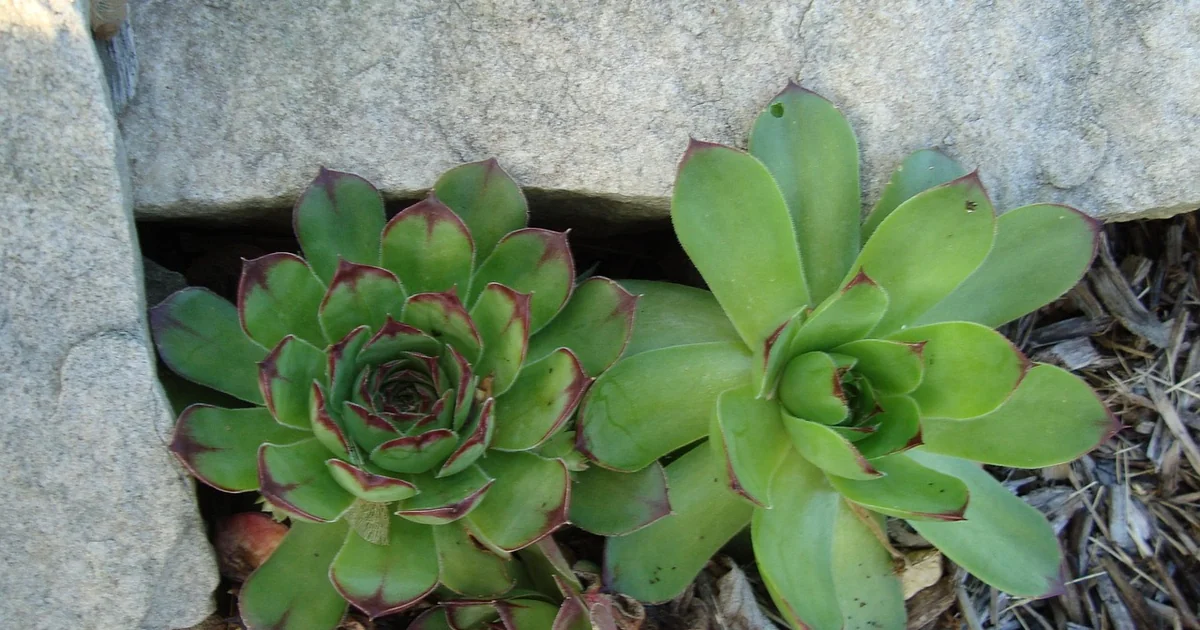
Container gardening comes down to plant selection, growing in a good potting mix, and using a container that drains well. Most of the time when container gardens go wrong, one of those issues is why. But the key place to start is choosing the right perennials. Here are some of the best perennials for containers.
1. Creeping Jenny (Lysimachia nummularia): The Trail of Chartreuse
Creeping Jenny, scientifically known as Lysimachia nummularia, is a wonderfully versatile perennial that brings a burst of cheerful color to any container arrangement. Its trailing stems can grow as long as 2 feet (60 cm) or more, making it an excellent choice for spilling over the edges of baskets or creating a lush, cascading effect. What’s particularly appealing about Creeping Jenny is its reliable chartreuse foliage, which maintains its vibrancy throughout the growing season with minimal effort. It thrives in partial shade, although a little more sun is generally beneficial as long as you consistently monitor and adjust your watering schedule. Interestingly, creeping Jenny is invasive in many parts of the US, like the Midwest and East Coast. To prevent unwanted spread, it’s best to avoid the more aggressive green varieties. The yellow cultivars, such as ‘Aurea’ and ‘Goldilocks,’ which you can readily find from nurseries like Burpee, are a much better choice – they offer the same visual appeal without the invasive tendencies. It’s also worth noting that Creeping Jenny is hardy to zones 3-8, meaning it can withstand colder temperatures than many other container perennials. Its ability to rebound quickly after a winter dormancy contributes to its long-term success in containers. The average cost of a Creeping Jenny plant from a reputable nursery ranges from $5 to $12, depending on the size and variety. A single plant can easily brighten up a small container or be incorporated into a larger mixed arrangement.
2. Hellebore (Helleborus spp.): Winter’s Elegant Blooms
Hellebores, often referred to as Lenten Roses, are a surprisingly resilient choice for container gardening, and in certain climates, they can actually perform better in pots than they would in a traditional garden bed. The key to success with Hellebores lies in ensuring excellent drainage – this is where container gardening truly shines. Poor drainage is the primary culprit for crown rot, a common issue that can quickly wipe out these beautiful perennials. While they may be slow to establish the first season, Hellebores tend to settle in and become remarkably long-lived once they’ve had a chance to root. What’s truly remarkable is their bloom time; they often flower from late winter to early spring, even when frost is still lingering. The nodding flowers come in a stunning array of colors, including deep plum, pure white, delicate pink, and even near-black. Hellebores prefer partial to full shade and are sensitive to harsh afternoon sun, which can scorch their leaves. A container that’s approximately 12-14 inches (30-36 cm) in diameter is typically suitable for most varieties. Shop a wide selection of stunning hellebores from nurseries like Wayside Gardens. You might be surprised to learn that Hellebores have a fascinating history, originating in Europe and Asia and being cultivated for centuries for their medicinal and ornamental properties. They’ve been valued for their ability to bloom during the darkest months of the year, symbolizing hope and resilience.
3. Coral Bells (Heuchera spp.): Foliage That Shines
Coral Bells, scientifically classified as Heuchera spp., are prized for their dramatically diverse foliage rather than their flowers. The vibrant, colorful leaves are, in fact, the stars of the show, adding texture and visual interest to any container garden, even when they’re not in bloom. You’ll find Coral Bells in a stunning palette of shades, including burgundy, caramel, silver, and near-black. These low-maintenance perennials provide a continuous display of color throughout the growing season. Small, delicate flowers do emerge in early summer on thin, wiry stems, but they’re relatively subtle compared to the foliage. Partial shade is ideal for Coral Bells, and a container that’s around 12 inches (30 cm) in diameter is often sufficient. A common challenge with Coral Bells is drainage. Excessive moisture, particularly during cool periods, can lead to root rot and crown rot. To combat this, it’s a good practice to trim back the foliage at the end of the season to improve air circulation. Explore an amazing array of coral bells available from nurseries like Wayside Gardens. Did you know that the different cultivars of Heuchera have been hybridized to produce such a wide range of colors and foliage patterns? This has made them incredibly popular with gardeners seeking to create unique and visually stunning container displays.
4. Ajuga (Ajuga reptans): A Low-Growing, Shade-Loving Option
Ajuga, also known as Bugleweed, is a fantastic choice for smaller containers or as a groundcover element within a larger arrangement. This low-growing perennial is exceptionally adaptable and can thrive in shade, making it ideal for areas where other perennials might struggle. It’s characterized by its attractive, lance-shaped leaves and delicate, blue-purple flower spikes. Ajuga offers a relatively quick return on investment, establishing itself quickly and providing consistent color and texture throughout the growing season. However, it’s important to be aware that Ajuga can be somewhat invasive in certain regions, so container gardening is a perfect way to enjoy its benefits without the risk of it spreading uncontrollably. To prevent unwanted spread, stick to the non-invasive varieties. The yellow cultivars are also a good option. Ajuga typically grows to a height of 6-12 inches (15-30 cm) and prefers well-drained soil. A container that’s approximately 8-10 inches (20-25 cm) in diameter is usually suitable. Consider pairing Ajuga with other shade-loving perennials, such as hostas or ferns, to create a harmonious and visually appealing container display. The species Ajuga reptans is native to Europe and Asia and has been cultivated in gardens for centuries for its ornamental qualities.
You may also enjoy reading: 5 Essential Clematis Care Steps This April.
5. Sedum (Sedum spp.): Drought-Tolerant Beauty
Sedums, commonly known as Stonecrops, are renowned for their incredible drought tolerance and resilience, making them an excellent choice for container gardeners in warmer climates or those who tend to forget to water. They come in a wide variety of shapes, sizes, and colors, offering a diverse range of options for container arrangements. Sedums are hardy to zones 3-11, meaning they can withstand a broad range of temperatures. Their fleshy leaves store water, allowing them to thrive with minimal watering. They typically bloom in late summer or fall, producing clusters of star-shaped flowers in shades of pink, red, or white. A container that’s at least 10-12 inches (25-30 cm) in diameter is generally recommended for Sedums, as they have relatively shallow root systems. Consider using a well-draining potting mix to prevent root rot. Sedums are also attractive to pollinators, such as bees and butterflies, adding another layer of interest to your container garden. There are many different species of Sedum, each with its own unique characteristics. For example, Sedum spurium is a trailing variety that’s perfect for spilling over the edges of containers, while Sedum album is a more upright variety that forms a compact mound.
6. Lavender (Lavandula spp.): Fragrance and Color
Lavender ( Lavandula spp.) is a beloved perennial for its beautiful purple flowers and intoxicating fragrance. While traditionally grown in rock gardens, lavender can thrive in containers with the right conditions. It needs plenty of sunlight – at least 6-8 hours per day – and well-drained soil to prevent root rot. A slightly alkaline soil is also beneficial. Choose a container that’s at least 12 inches (30 cm) in diameter and ensure it has excellent drainage. Regularly trimming the spent flower spikes encourages bushier growth and prolongs the blooming period. Lavender is a slow grower, so be patient and allow it time to establish itself. You can purchase Lavender plants in a variety of sizes, from small starter plants to larger, more mature bushes. The average cost of a Lavender plant ranges from $8 to $15, depending on the size and variety. Lavender is a wonderful choice for attracting pollinators and adding a touch of Provence to your container garden. Consider incorporating lavender into a Mediterranean-themed container display, pairing it with rosemary, thyme, and other drought-tolerant herbs.
7. Ferns (Various Species): Lush Textures
Ferns, with their delicate fronds and lush textures, bring a touch of woodland charm to container gardens. While many ferns prefer moist, shady conditions, certain varieties are well-suited for container growing. Japanese Painted Ferns (Athyrium niponicum var. pictum) are particularly stunning, featuring silvery-gray fronds with burgundy highlights. Boston Ferns (Nephrolepis exaltata) are a classic choice and thrive in humid environments. To ensure success with ferns in containers, it’s crucial to provide adequate moisture and humidity. Consider placing the container on a pebble tray filled with water to increase humidity. A well-draining potting mix is also essential to prevent root rot. Ferns typically grow to a height of 12-18 inches (30-45 cm), so choose a container that’s at least 10-12 inches (25-30 cm) in diameter. Ferns add a wonderful sense of depth and texture to container gardens, creating a tranquil and inviting atmosphere.
Successfully growing perennial plants in containers requires a bit of planning and attention to detail, but the rewards – a beautiful, long-lasting display of color and texture – are well worth the effort. By carefully selecting the right plants, using a suitable potting mix, and ensuring proper drainage, you can create stunning container gardens that bring joy and beauty to your outdoor spaces for years to come. Remember, plant selection is key – choose perennials that thrive in the conditions of your container and your local climate. With a little care and attention, you can transform even the smallest container into a thriving miniature garden.