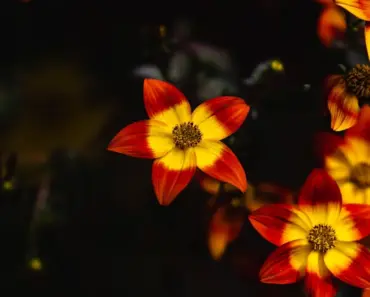
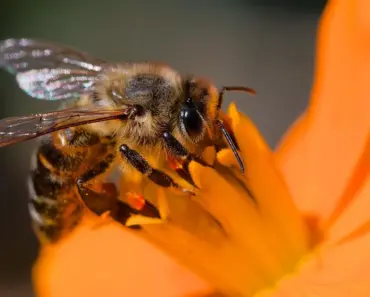
The idea of neatly separated vegetable patches and flower beds is a charming relic of the past, a tradition largely born of necessity rather than design. But what if you could embrace a more integrated landscape – one where edibles not only feed you but also contribute to a vibrant, visually stunning border? Edimental plants, those that thrive on both aesthetic and culinary qualities, offer a revolutionary approach to garden design. They’re a way to blur the lines between the practical and the beautiful, creating a garden that’s both productive and undeniably gorgeous. This isn’t about sacrificing beauty for flavor; it’s about recognizing that the most rewarding gardens are those that harmonize form and function. Let’s delve into seven crops that will transform your borders into edible masterpieces, attracting pollinators, confusing pests, and adding a touch of gourmet flair to your outdoor space.

1. Purple Podded Peas: A Symphony of Color and Flavor
Purple podded peas, like ‘Blauwschokker’ (Blue Shocker) and ‘Sugar Magnolia,’ are a prime example of how vegetables can be stunningly ornamental. These aren’t your typical green peas; they boast striking bicolor blooms – deep violet flowers paired with vibrant, purple pods. Reaching heights of 4-6 feet (1.2-1.8 meters), they create a dramatic vertical element in your border, adding a splash of color that’s truly captivating. The best part? You get to harvest both the beautiful flowers and the delicious peas! Historically, peas were cultivated not just for their seeds but also for their decorative flowers, a practice that’s experiencing a delightful resurgence. They’re incredibly adaptable, thriving in well-drained soil and benefiting from regular watering, particularly during flowering. Interestingly, studies have shown that pea plants can fix nitrogen in the soil, enriching the surrounding area and benefiting other plants – a little ecological bonus alongside your harvest. Consider planting them alongside companion plants like calendula or nasturtiums, which attract beneficial insects and deter pests. A single row of these beauties can create a truly impactful and flavorful border.
2. Crimson Climbers: Creating Living Privacy
Crimson climbers, typically climbing bean varieties, are a fantastic choice for creating a living privacy screen within your border. Their vibrant red foliage and prolific flowering provide a dense, textured backdrop for other plants. These aren’t just visually appealing; they’re incredibly productive, offering a substantial harvest of beans. Historically, beans were often grown as living fences, providing both food and security – a practical solution that’s surprisingly beautiful. The key to success with crimson climbers is providing a strong trellis or support structure. They’ll readily climb and cover it, creating a lush, green wall. A little research into the specific variety you choose is important – some climbers are more vigorous than others. For example, ‘Bluebell’ is a particularly robust climber, known for its dense foliage and abundant blooms. These plants thrive in full sun, and regular pruning will help maintain their shape and encourage further growth. They’re a fantastic choice for creating a more secluded and intimate border space – a truly luxurious addition to any garden.
3. Silver Architectural Leaves: Adding Dramatic Texture
Silver architectural leaves, such as artichokes (‘Jerusalem artichoke’ – Helianthus tuberosus) and certain kale varieties, introduce a stunning textural element to your border. Their striking silver-gray foliage creates a dramatic backdrop, contrasting beautifully with brighter flowers and other colorful vegetables. Artichokes, in particular, offer a long season of visual interest, with their thistle-like flower heads providing a focal point throughout the summer. They’re surprisingly low-maintenance once established, requiring minimal watering and fertilization. However, they do benefit from regular deadheading to encourage continued flowering. Kale, with its ruffled leaves and metallic sheen, adds a touch of contemporary flair to the border. Consider pairing silver leaves with vibrant purple or pink flowers for a truly eye-catching contrast. The architectural nature of these plants – their upright growth habit and bold foliage – elevates the entire border, transforming it into a high-end cottage garden. Did you know that Jerusalem artichokes were once considered a delicacy in Europe, and were even used as a substitute for potatoes? Their return to popularity is a small piece of culinary history that adds another layer of intrigue to these beautiful plants.
4. Purple Podded Radishes: Unexpected Beauty
Don’t underestimate the beauty of radishes! Certain varieties, like ‘French Breakfast’ and ‘Champion,’ boast stunning purple pods alongside their crisp, flavorful roots. These aren’t just a tasty addition to salads; they’re a visually appealing element in your border. The color variation, from the deep purple pods to the paler roots, adds depth and interest. They’re relatively quick to mature, providing a fast reward for your efforts. Radishes are surprisingly tolerant of partial shade, making them a good choice for borders that receive less direct sunlight. They also deter certain pests, such as flea beetles, which can damage other plants. A small patch of purple podded radishes can add a touch of unexpected elegance to a traditional vegetable garden border. They’re a fantastic way to introduce a splash of color and a burst of flavor to your edible landscape.
5. Amaranth: A Tropical Statement
Amaranths, especially varieties like ‘Sonoran Red,’ bring a touch of tropical drama to your border. Their tall, upright stems and vibrant red foliage create a striking vertical element, adding height and texture. They’re incredibly heat-tolerant and thrive in full sun. Amaranths are also edible, with both their seeds and leaves being used in various dishes. Historically, amaranth was a staple crop in the Americas, and it’s experiencing a resurgence in popularity as a nutritious and sustainable food source. They’re relatively low-maintenance, requiring minimal watering and fertilization once established. However, they do benefit from regular staking to prevent them from flopping over. A single row of amaranth can transform a border, creating a dramatic and visually stunning focal point. Interestingly, the seeds of amaranth are remarkably resistant to pests and diseases, making them a valuable addition to any organic garden.
You may also enjoy reading: 5 Steps to Plant, Grow & Care Florida Sweetheart Caladium.
6. Chard: Neon Colors and Culinary Delights
Swiss chard, with its vibrant, multi-colored stems, is a fantastic choice for adding a pop of neon color to your border. Varieties like ‘Bright Lights’ boast stems in shades of pink, yellow, orange, and white, creating a truly eye-catching display. Beyond their visual appeal, chard is a highly productive vegetable, providing a continuous harvest of flavorful leaves. They’re relatively easy to grow, thriving in well-drained soil and benefiting from regular watering. Chard is also a companion plant, attracting beneficial insects and deterring pests. Consider pairing chard with other colorful vegetables, such as purple podded peas or crimson climbers, to create a truly harmonious border. The vibrant colors of chard add a touch of whimsy and sophistication to any garden, and its continuous harvest provides a steady supply of fresh greens. It’s a visually stunning and incredibly versatile crop, perfect for adding both beauty and flavor to your border.
7. Artichokes: A Long-Season Focal Point
Artichokes, with their distinctive thistle-like flower heads, offer a long season of visual interest in your border. They’re a relatively slow-growing crop, but once established, they’re incredibly low-maintenance. They thrive in full sun and well-drained soil, and require minimal watering and fertilization. Artichokes are also edible, with their flower buds and young leaves being used in various dishes. Historically, artichokes were cultivated in ancient Rome, and they’ve remained a popular vegetable throughout the centuries. The striking appearance of artichokes makes them a fantastic focal point in any border, and their long season of flowering provides a continuous source of visual delight. They’re a surprisingly resilient crop, capable of thriving in a wide range of conditions. Consider planting artichokes in a sheltered location, protected from harsh winds. A few strategically placed artichokes can transform a border into a sophisticated and visually stunning landscape.
Creating a border of edible flowers and vegetables is more than just a gardening trend; it’s a shift in perspective – a recognition that beauty and functionality can coexist harmoniously. By embracing these seven crops, you can transform your garden into a vibrant, flavorful, and visually stunning space, attracting pollinators, confusing pests, and adding a touch of gourmet flair to your outdoor life. Remember to consider soil drainage, sunlight requirements, and companion planting when planning your border design. With a little planning and effort, you can create a border that’s both beautiful and productive – a true testament to the power of integrated landscape design. Don’t be afraid to experiment and let your creativity flourish. The possibilities are as endless as your imagination!