Watching hydrangeas and azaleas slowly lose their vibrant green hue is a common heartbreak for plant lovers. It’s a subtle shift at first – a slight paling of the new leaves – but it can quickly escalate into a ghostly yellowing that steals the joy from these beloved blooms. The good news? This isn’t a sign of imminent plant death, but a clear signal that something needs attention. The root cause is often surprisingly straightforward: iron deficiency. Understanding the nuances of soil pH and how it interacts with iron availability is key to reviving these plants and ensuring a spectacular display of blooms. Let’s dive into the detailed, step-by-step process of tackling yellowing hydrangea leaves and restoring your garden’s beauty.
1. The Science of Yellowing: Interveinal Chlorosis and Iron’s Role
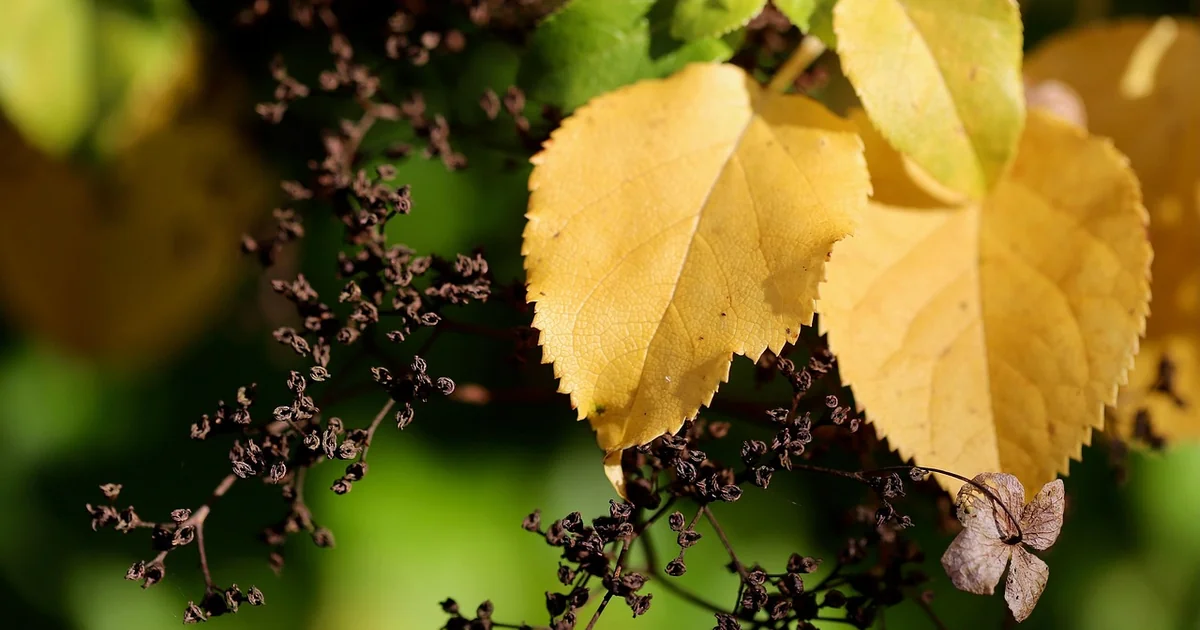
The technical term for yellowing leaves between the veins is interveinal chlorosis. It’s a classic symptom of nutrient deficiencies, and in the case of hydrangeas and azaleas, iron is almost always the culprit. Chlorophyll, the pigment responsible for the green color of leaves, relies on iron to function correctly. Without sufficient iron, photosynthesis – the process by which plants convert sunlight into energy – is disrupted, leading to the characteristic yellowing. It’s a fairly dramatic display for a relatively minor issue, but plants don’t communicate in words, so they rely on visible symptoms to signal distress. The yellowing typically starts on the newer growth, as the plant’s roots are still developing and haven’t yet established a strong ability to absorb nutrients from deeper in the soil. This is why you’ll often see a pale, ghostly yellow on the youngest leaves, while the older, established leaves remain a darker green – a slow, agonizing process for the plant.
Iron isn’t just important for chlorophyll; it’s a critical component. Think of it like this: chlorophyll is the engine of the plant, and iron is a vital fuel injector. Without enough iron, the engine sputters and struggles to run efficiently. Historically, iron was considered a rare nutrient in many soils, and this scarcity contributed to the prevalence of interveinal chlorosis in hydrangea populations. The rusty nail remedy, while charming, highlighted the issue but lacked the precision needed for effective treatment. Different forms of iron have different levels of bioavailability – meaning how easily the plant can absorb and utilize them. A simple sprinkle of rusty nails doesn’t deliver a readily available form of iron.
2. Soil pH: The Silent Saboteur
Now, let’s talk about soil pH – a factor so often overlooked in hydrangea care. Hydrangeas and azaleas thrive in acidic soil, with a pH ideally between 4.5 and 6. This range allows the roots to efficiently absorb essential nutrients, including iron. However, alkaline soil (a pH above 7), which is surprisingly common in many regions, completely blocks the plant’s ability to absorb iron, even if it’s present in the soil. It’s like having a locked gate – the iron is there, but the plant can’t get to it. The alkaline soil essentially creates a chemical barrier, preventing the plant from accessing the iron it desperately needs. This is a crucial distinction: the soil might contain iron, but if the pH is too high, the plant simply can’t take it up.
The impact of pH extends beyond iron availability. Alkaline soil also inhibits the uptake of other essential nutrients like manganese and zinc. Essentially, a high pH throws the entire nutrient balance out of whack, creating a cascade of problems for the plant. Soil pH is influenced by various factors, including the type of soil, the presence of limestone, and rainwater chemistry. The good news is that pH is relatively easy to measure and, to a degree, to adjust. A simple soil pH test kit – costing around $20 – can reveal whether your soil is too alkaline and guide your corrective actions. Consider a Sonkir 3-in-1 Soil pH Tester, easily available on Amazon, for a quick and accurate assessment.
3. Understanding Bigleaf Hydrangeas (H. macrophylla) – A Particular Susceptibility
While all hydrangeas can experience iron deficiency, bigleaf hydrangeas (Hydrangea macrophylla) are particularly susceptible. This variety, known for its stunning, large flower heads, has a higher demand for iron compared to other hydrangea species. They are also more sensitive to alkaline soil conditions. Some cultivars, like ‘Endless Summer,’ are grafted, and the rootstock (often a more acidic-loving species) can influence the overall soil pH preferences of the plant. Therefore, it’s even more important to pay close attention to soil pH when caring for bigleaf hydrangeas. They are often sold in containers, which can sometimes have alkaline soil already present.
4. Beyond Iron: Other Potential Causes of Yellowing Leaves
While iron deficiency is the most common culprit, it’s essential to rule out other potential causes of yellowing leaves. Overwatering, root rot, and fungal diseases can all contribute to leaf discoloration. Root rot, often caused by poorly drained soil, deprives the plant of nutrients, leading to yellowing. Fungal diseases can damage leaf tissue, disrupting photosynthesis and causing yellowing. Check the roots for signs of rot – they should be firm and white, not mushy and brown. Examine the leaves for signs of fungal growth, such as spots or discoloration. Proper drainage and preventative fungicide applications can help mitigate these issues.
You may also enjoy reading: 7 Ways to Trim Dead Philodendron Leaves Safely.
5. Delivering Iron Effectively: Chelated Iron is Key
Simply adding iron to the soil isn’t enough. The iron needs to be in a form that the plant can actually absorb. Chelated iron is the answer. Chelated iron binds to organic molecules, making it much more soluble and readily available to the plant’s roots. Unlike non-chelated iron, which quickly precipitates out of the soil and becomes unavailable, chelated iron remains in solution, allowing the plant to easily absorb it. Look for iron chelate products specifically formulated for hydrangeas and azaleas. Soil sulfur can also help lower the pH, but it’s crucial to do this gradually to avoid shocking the plant. Follow the product instructions carefully and monitor the plant’s response.
6. Boosting Iron Uptake – Foliar Feeding
For a quick boost, consider foliar feeding with chelated iron. This involves spraying a diluted solution of chelated iron directly onto the leaves. The leaves absorb the iron through their stomata (tiny pores), bypassing the root system and providing a rapid dose of nutrients. Foliar feeding is particularly beneficial for plants suffering from severe iron deficiency. Dilute the iron solution according to the product instructions and apply it in the early morning or late evening to avoid leaf burn. A common recipe is 1 tablespoon of chelated iron per gallon of water, but always follow the manufacturer’s recommendations. You can also use a foliar spray containing seaweed extract, which contains micronutrients beneficial for plant health.
7. Long-Term Soil Health: Creating an Iron-Rich Environment
Addressing the symptoms of iron deficiency is important, but it’s equally crucial to create a long-term, healthy soil environment that supports optimal nutrient uptake. Incorporating organic matter, such as compost and well-rotted manure, improves soil structure, increases water retention, and provides a slow-release source of nutrients. Acidifying the soil through the use of pine needles or oak leaves can help maintain a favorable pH level. Regularly amending the soil with organic matter is a preventative measure that will benefit your hydrangeas and azaleas for years to come. Avoid over-fertilizing with alkaline fertilizers, as this can further exacerbate the problem. Remember, a healthy soil ecosystem is the foundation of healthy plant growth. Consider using a slow-release organic fertilizer formulated for acid-loving plants.
Ultimately, stopping yellowing hydrangea leaves is about understanding the underlying causes and providing the plant with the resources it needs to thrive. By addressing soil pH, ensuring adequate iron availability, and promoting overall soil health, you can transform these pale, ghostly leaves into a vibrant display of color and ensure your hydrangeas bloom beautifully for years to come. Don’t just treat the symptom; tackle the root cause for long-lasting results. Happy gardening!