I’ve always found immense joy in the simple act of scattering marigold seeds into my garden each spring. There’s something incredibly satisfying about watching those tiny specks transform into vibrant blooms that brighten my outdoor space and attract beneficial pollinators. Direct sowing marigolds is remarkably easy, and it’s a fantastic way to get a head start on your summer garden. It’s a process that rewards patience and a little bit of knowledge, delivering weeks of cheerful color and a surprisingly sustainable approach to gardening. Let’s delve into the specifics – from choosing the right variety to ensuring optimal soil conditions – so you can enjoy a spectacular marigold display.
1. Selecting Your Marigold Variety: French, African, and Signet
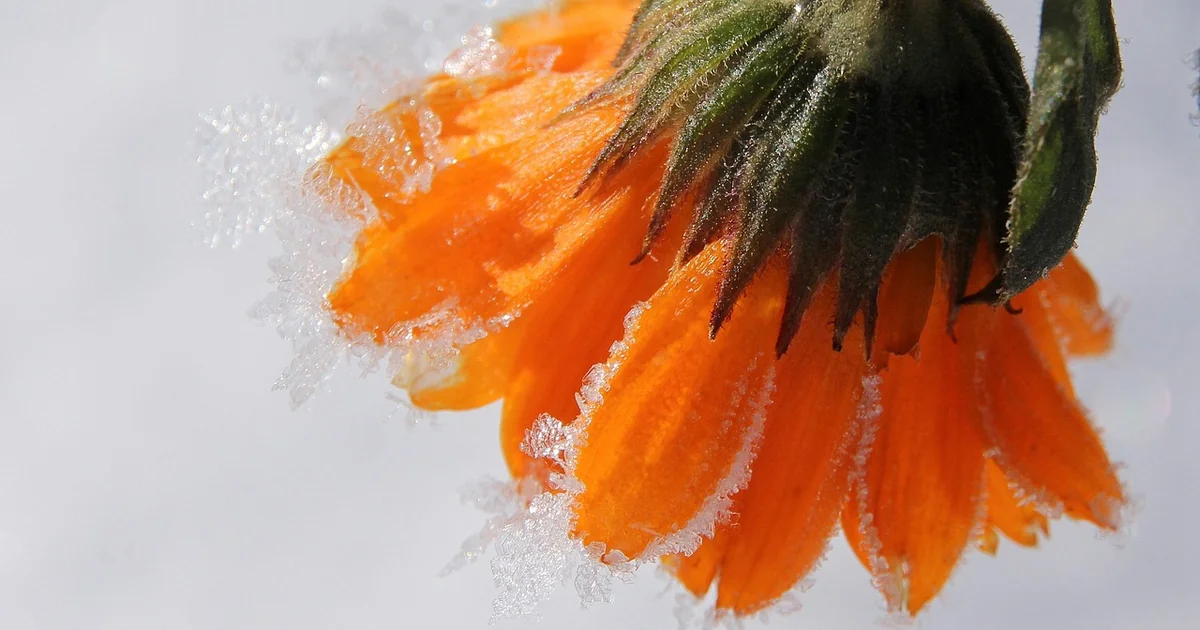
The world of marigolds is far more diverse than many gardeners realize. There are three main types, each boasting unique characteristics and offering distinct benefits. Understanding these differences is crucial for successful direct sowing and maximizing your bloom potential. French marigolds, scientifically known as Tagetes patula, are the most common and readily available. They’re known for their robust stems, availability in a wide range of colors – from classic yellows and oranges to reds and even purples – and their ability to produce single or double-petaled flowers. African marigolds, Tagetes erecta, are the towering giants of the family, reaching heights of three to four feet. They’re particularly prized for their exceptional nematode-controlling properties, making them an excellent choice for companion planting around tomatoes and sweet potatoes. They’re also known for their strong fragrance. Finally, signet marigolds, Tagetes tenuifolia, offer a more compact growth habit, typically reaching only 6-12 inches in height, and are celebrated for their delicate, fringed petals and their subtly spicy aroma. These smaller marigolds are perfect for edging pathways, containers, or adding a touch of whimsy to smaller garden beds. Choosing the right variety depends on your garden’s size, your specific needs (like nematode control), and your personal aesthetic preferences. I personally love the ‘Red Cherry’ French marigolds for their brilliant color and easy care, but the ‘Lemon & Tangerine Gems’ Signet marigolds add a lovely, delicate touch.
2. Timing is Everything: When to Direct Sow Marigolds
Getting the timing right is paramount for successful marigold germination and growth. The golden rule is to direct sow your marigold seeds one to two weeks after your average last frost date. This ensures that the soil temperature has warmed sufficiently – ideally between 70 and 80°F (21-27°C) – to encourage germination. However, if you live in a shorter growing season, or if you are looking to get a head start, you can sow them indoors in a seed cell or container on a heat mat. This will give them a few extra weeks to develop before transplanting them outdoors. If you’re unsure about your last frost date, consult a local weather forecast or agricultural extension office. A surprising statistic is that the vast majority of garden centers don’t accurately track the specific last frost dates for their region, leading to many gardeners planting too early and losing their seedlings to frost. To avoid this, a quick online search for “last frost date [your zip code]” will provide you with the most accurate information.
3. Preparing Your Soil: A Foundation for Success
Marigolds thrive in well-drained soil rich in organic matter. Before sowing, it’s essential to amend heavy clay soils to improve drainage and aeration. Heavy clay soil can suffocate the roots, hindering germination and ultimately impacting plant health. The best approach is to incorporate generous amounts of well-rotted compost – about two to three inches – into the soil. Adding perlite or agricultural grit can further enhance drainage. Conversely, if you have sandy soil, compost will help retain moisture and nutrients. Raised beds offer an excellent solution for gardeners with poor soil quality, providing a consistently well-draining environment. Consider a soil test to determine your soil’s pH level. Marigolds prefer a slightly acidic to neutral pH range of 6.0 to 7.0. A pH that’s too high or too low can affect nutrient availability and stunt growth. Don’t skip this step; it’s the foundation for a flourishing marigold display.
4. Planting Your Seeds: Spacing and Depth
Once your soil is prepared, it’s time to sow your seeds. Check the seed packet for specific spacing recommendations, as they vary depending on the marigold variety. Generally, smaller varieties, like signets, should be spaced about 8 inches apart, while larger varieties, such as African marigolds, benefit from 18-inch spacing. The depth of planting is crucial for successful germination. Small varieties should be sown at a depth of approximately ¼ inch, while larger varieties can be planted a bit deeper – around ½ inch. Sow a few seeds every eight inches to ensure good germination. I personally use the seed heads from previous years and simply plant them directly in the garden. It’s a fantastic way to save money and propagate your favorite varieties. Also, if your seed is older than a year, sow more seeds than you think you need – it’s better to have extra seedlings to thin out later.
5. Maintaining Moisture: The Key to Germination
Consistent moisture is critical during the germination process. After sowing, gently water the area to ensure the soil is evenly moist. A spray bottle is ideal for avoiding soil compaction. Once seedlings emerge, continue to water regularly, especially during dry spells. However, avoid overwatering, as soggy soil can lead to damping-off disease, which can kill young seedlings. Mulching around the plants with straw or wood chips can help retain moisture and suppress weeds. A good rule of thumb is to water deeply and less frequently, encouraging strong root growth, rather than shallow watering multiple times a day. The ideal soil temperature for germination is 70-80°F (21-27°C), so if your soil is cooler, you might consider using a heat mat to speed up the process.
You may also enjoy reading: 7 Ways to Start Squash Seeds Indoors.
6. Monitoring and Thinning: Nurturing Strong Seedlings
As your marigold seedlings emerge, it’s important to monitor their growth and thin out any overcrowded seedlings. Thinning allows the remaining plants to have adequate space to grow and thrive. When seedlings are about 2-3 inches tall, gently snip off the weaker seedlings at the soil line, leaving the strongest ones to develop. Don’t pull them out, as this can disturb the roots of the remaining plants. Once the seedlings are established, you can begin to fertilize them with a balanced liquid fertilizer diluted to half strength. Avoid over-fertilizing, as this can lead to leggy growth. A surprising fact is that marigolds can actually help deter pests in your garden, so you may not need to use as much fertilizer.
7. Enjoying the Blooms: A Long-Lasting Display
Direct sowing marigolds is a rewarding experience that culminates in a stunning display of color throughout the summer and into the fall. French marigolds, in particular, can bloom almost until the first frost, providing weeks of cheerful beauty. African marigolds typically bloom for a shorter period, but their vibrant colors and nematode-controlling properties make them well worth the effort. And don’t forget about the cut flowers! Marigold blooms last at least a week in a vase, making them a perfect addition to any bouquet. Furthermore, the seed heads from previous years can be used to sow more seeds, creating a continuous cycle of blooms. A fascinating detail: many gardeners are surprised to learn that marigolds attract pollinators like bees and butterflies, contributing to the health and biodiversity of their gardens. With a little planning and care, direct sowing marigolds is a simple yet effective way to add a touch of sunshine to your outdoor space and support a thriving ecosystem. One last tip: If you’re looking for a really vibrant and long-lasting display, consider planting a mix of varieties – French, African, and signet – to create a diverse and captivating garden.
As long as I stay on top of it and I use the right timing, I can enjoy marigolds when it’s hot, through Halloween.