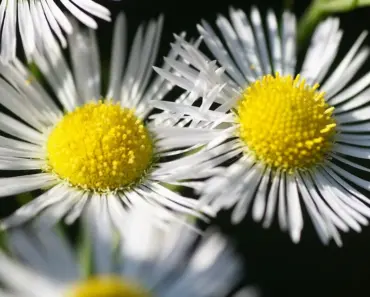
For many of us, growing dahlias is a labor of love. These stunning flowers bring a unique combination of beauty and elegance to our gardens, and their versatility in terms of color and shape makes them a favorite among gardeners. But despite their popularity, many of us struggle to coax the best out of our dahlias, often waiting patiently for them to bloom only to find that they’re not quite as vibrant or long-lasting as we’d like.
11 Essential Spring Care Tips for Healthy Dahlias
But what if you could cheat the clock and get those head-turning blooms in July instead of September? By taking control of the timeline now with these pro secrets, you can effectively buy yourself a few weeks of better, stronger, bigger blooms. These secrets for dahlia care in spring seem a little strange, maybe even subversive, but they will ensure you can move the bloom timeline forward by up to four weeks, help you get more flower heads, and lead to bigger, sturdier flowers.
Secret 1: Giving Your Tubers a Head Start
One of the biggest challenges when growing dahlias is getting them to bloom at the right time. In most regions, dahlias are typically planted in May and bloom in late summer, but with the right care, you can jumpstart their growth and get them blooming up to four weeks earlier. The key is to give your dahlia tubers a head start by rehydrating them in the spring.
Why Rehydrate Your Dahlias?
When you store dahlia tubers, they go dormant, but they’re not actually dead. In fact, they’re just waiting for the right conditions to wake up and start growing again. By rehydrating your tubers, you can help them sprout faster and get a head start on the growing season. This is especially important if you live in an area with cold winters, as it can help your dahlias wake up from their dormancy faster and get growing sooner.
How to Rehydrate Your Dahlias
Rehydrating your dahlias is a simple process that involves submerging them in water for 60-90 minutes. You can do this by placing your tubers in a bucket or tub of room temperature water and letting them soak for the recommended amount of time. To encourage tuber growth, you can also add a weak solution of seaweed extract or a liquid kelp fertilizer to the water. Just be sure not to leave your tubers in water for too long, as this can lead to rot. It’s also worth noting that you should only soak dry, healthy tubers, as those that are already moist or damaged may be more prone to rot.
Secret 2: Waking Up Dormant Tubers
Another challenge when growing dahlias is getting dormant tubers to wake up and start growing. This can be a slow process, but there are a few tricks you can use to help wake up your tubers and get them growing faster. One of the most effective methods is to use a technique called “hotboxing.”
What is Hotboxing?
Hotboxing is a technique that involves placing your dahlia tubers in a warm, humid environment to help wake them up and encourage growth. This can be done by placing your tubers in a plastic bag or airtight container and then placing the bag or container in a warm location, such as a greenhouse or a sunny windowsill. The key is to create a humid environment that will help your tubers wake up and start growing.
How to Hotbox Your Dahlias
Hotboxing your dahlias is a simple process that involves placing your tubers in a warm, humid environment and letting them sit for a few days. To do this, you’ll need a plastic bag or airtight container and a warm location. Simply place your tubers in the bag or container and seal it up, then place the bag or container in your warm location. Check on your tubers every few days to make sure they’re not too dry or too wet, and adjust the humidity as needed. After a few days, your tubers should start to show signs of growth, and you can begin to plant them in the garden.
Secret 3: Optimizing Soil Temperature
Soil temperature is another critical factor when growing dahlias. In most regions, the ideal soil temperature for dahlias is between 60-70°F (15-21°C), but this can vary depending on the specific variety of dahlia you’re growing. By optimizing your soil temperature, you can help your dahlias grow faster and produce more blooms.
How to Optimize Soil Temperature
Optimizing soil temperature is a simple process that involves using a soil thermometer to check the temperature of your soil. You can then adjust your soil temperature by adding organic matter, such as compost or manure, or by using a soil warming blanket. The key is to create a consistent and optimal soil temperature that will help your dahlias grow and thrive.
Secret 4: Providing Adequate Moisture
Moisture is another critical factor when growing dahlias. Dahlias need consistent moisture to grow and produce blooms, and this can be a challenge in areas with low rainfall. By providing adequate moisture, you can help your dahlias grow faster and produce more blooms.
How to Provide Adequate Moisture
Providing adequate moisture is a simple process that involves watering your dahlias regularly. You can do this by using a drip irrigation system or by watering your dahlias by hand. The key is to provide consistent moisture that will help your dahlias grow and thrive. It’s also worth noting that you should avoid overwatering your dahlias, as this can lead to root rot and other problems.
Secret 5: Maintaining Good Air Circulation
Good air circulation is another critical factor when growing dahlias. Dahlias need air to grow and produce blooms, and this can be a challenge in areas with poor air circulation. By maintaining good air circulation, you can help your dahlias grow faster and produce more blooms.
How to Maintain Good Air Circulation
Maintaining good air circulation is a simple process that involves providing enough space between your dahlias and other plants. You can do this by planting your dahlias in a location with good air circulation, such as a sunny spot with plenty of room to grow. The key is to provide enough space between your dahlias and other plants to allow for good air circulation. It’s also worth noting that you should avoid planting your dahlias too close together, as this can lead to disease and other problems.
Secret 6: Using Organic Fertilizers
Organic fertilizers are another critical factor when growing dahlias. Dahlias need nutrients to grow and produce blooms, and organic fertilizers can provide these nutrients in a natural and sustainable way. By using organic fertilizers, you can help your dahlias grow faster and produce more blooms.
How to Use Organic Fertilizers
Using organic fertilizers is a simple process that involves applying a natural fertilizer to your dahlias. You can do this by using a compost tea or other organic fertilizer. The key is to provide a balanced diet of nutrients that will help your dahlias grow and thrive. It’s also worth noting that you should avoid using synthetic fertilizers, as these can harm your dahlias and the environment.
Secret 7: Mulching Around the Base of the Plant
Mulching around the base of the plant is another effective way to care for your dahlias. Mulch helps to retain moisture in the soil, suppress weeds, and regulate soil temperature. By mulching around the base of the plant, you can help your dahlias grow faster and produce more blooms.
How to Mulch Around the Base of the Plant
Mulching around the base of the plant is a simple process that involves applying a layer of organic mulch to the soil around your dahlias. You can use a variety of mulches, including wood chips, bark, or straw. The key is to apply a layer of mulch that is at least 2-3 inches deep and will help to retain moisture in the soil. It’s also worth noting that you should avoid using mulch that is too thick, as this can lead to disease and other problems.
Secret 8: Watering at the Base of the Plant
Watering at the base of the plant is another effective way to care for your dahlias. Watering at the base of the plant helps to prevent fungal diseases and other problems that can occur when water splashes onto the leaves. By watering at the base of the plant, you can help your dahlias grow faster and produce more blooms.
How to Water at the Base of the Plant
Watering at the base of the plant is a simple process that involves watering your dahlias at the base of the plant rather than on the leaves. You can do this by using a soaker hose or other watering device. The key is to provide consistent moisture that will help your dahlias grow and thrive. It’s also worth noting that you should avoid getting water on the leaves, as this can lead to fungal diseases and other problems.
Secret 9: Deadheading
Deadheading is another effective way to care for your dahlias. Deadheading involves removing spent blooms from the plant to encourage new blooms to grow. By deadheading, you can help your dahlias produce more blooms and extend their blooming season.
How to Deadhead
Deadheading is a simple process that involves removing spent blooms from the plant. You can do this by cutting off the spent bloom at the base of the stem, just above a node. The key is to remove the entire bloom, including the stem, to encourage new blooms to grow. It’s also worth noting that you should avoid leaving any dead or damaged flowers on the plant, as this can lead to disease and other problems.
Secret 10: Providing Support
Providing support is another critical factor when growing dahlias. Dahlias can grow quite tall, and providing support can help prevent them from toppling over in the wind. By providing support, you can help your dahlias grow faster and produce more blooms.
How to Provide Support
Providing support is a simple process that involves staking your dahlias or using a trellis to support them. You can use a variety of stakes, including bamboo or metal stakes. The key is to provide a sturdy support that will help your dahlias grow and thrive. It’s also worth noting that you should avoid using too much support, as this can lead to disease and other problems.
Secret 11: Monitoring for Pests and Diseases
Monitoring for pests and diseases is another critical factor when growing dahlias. Dahlias are susceptible to a variety of pests and diseases, including aphids, whiteflies, and powdery mildew. By monitoring for pests and diseases, you can help your dahlias grow faster and produce more blooms.
How to Monitor for Pests and Diseases
Monitoring for pests and diseases is a simple process that involves inspecting your dahlias regularly for signs of pests or diseases. You can do this by checking for aphids, whiteflies, and other pests, as well as signs of powdery mildew or other diseases. The key is to catch any problems early on, when they are easier to treat. It’s also worth noting that you should avoid using chemical pesticides, as these can harm your dahlias and the environment.
By following these 11 essential spring care tips for healthy dahlias, you can help your dahlias grow faster and produce more blooms. From giving your tubers a head start to providing adequate moisture and good air circulation, these tips will help you create a thriving and healthy dahlia garden. So why not give them a try and see the difference for yourself?