If you’re looking for a remarkably low-maintenance herb that offers a burst of flavor and visual appeal, look no further than the humble chive. Often underestimated, these cheerful plants are incredibly resilient and easy to cultivate, thriving even in challenging conditions. They’re incredibly cold hardy perennials, and will pop up reliably every spring. They’re a culinary herb, usually added fresh as garnish. (No baked potato bar would be complete without them). But there’s more to chives than meets the eye – understanding a few key secrets can transform your chive patch into a vibrant and productive source of deliciousness. Let’s delve into seven of those secrets, unlocking the potential for truly “amazing” chives.
3. Seed Starting for a Head Start
While you can certainly transplant established chive plants, starting from seed offers a fantastic head start, especially in regions with shorter growing seasons. It’s very easy to start chives from seed, both indoors and outdoors. Indoors, begin 6-8 weeks before the last frost. Sow the seeds about 1/4 inch (6 mm) deep in a seed-starting mix. Water gently and consistently, keeping the soil moist but not soggy. Place the pots in a dark spot in temperatures 60 to 70 F (15-21 C). Once the seedlings sprout, gradually introduce them to light. When they reach about 6 inches (15 cm) tall, they’re ready to be transplanted into your garden. Outdoor sowing is possible once the soil has warmed up and the threat of frost has passed. Wait until after the last frost. Plant chive seeds about 1/4 inch (6 mm) deep in the soil. Water well. The seeds may take a bit longer to germinate than indoors, because the soil needs time to warm up.
4. Sunlight and Soil: The Foundation for Success
Chives aren’t demanding in terms of sunlight, but they thrive in full sun to part shade. While they’ll tolerate full sun, especially in cooler climates, providing some afternoon shade in hotter regions will prevent the leaves from scorching. They’re incredibly adaptable and will grow in a wide range of soil types, but they prefer well-draining soil. Compacted clay soils can lead to root rot, so amending the soil with compost or other organic matter is highly recommended. A slightly acidic to neutral pH (6.0 to 7.0) is ideal. Consider a soil test to determine your soil’s pH and nutrient levels – this will give you valuable insights into how to optimize growing conditions. Remember, healthy soil equals healthy chives!
5. Division – Expanding Your Chive Patch
Chives are victims of their own success, growing in dense clumps that have to be separated every three to four years to prevent overcrowding. This is a remarkably easy way to increase your chive supply. In early spring or mid fall, find an established clump of chives. Gently dig up the entire clump and pull off a smaller clump that contains 5-10 bulbs. Repeat this as many times as you want or can. Replant the smaller clumps at least 8-10 inches apart, or wherever you want more chives to take hold. Don’t worry about being overly precise – chives are forgiving plants. Division is a fantastic way to propagate and expand your chive garden, ensuring a continuous supply of fresh herbs for years to come.
You may also enjoy reading: 11 Essential Tips to Plant Onion Sets Like a Pro.
6. Indoor Growing – A Year-Round Harvest
There’s no rule that says you can’t grow chives indoors. In fact, chives are very well suited to indoor life, and usually perform the best of all the plants in an indoor herb garden. Grow indoor chives in a pot that drains well and is full of good potting soil. Place the pot in bright light, preferably near a south-facing window. Harvest them just as you would outside – snip off the leaves with scissors as needed. Remember that indoor chives may not produce as many flowers as outdoor chives, but they’ll still provide a consistent supply of delicious leaves. This is especially beneficial during the winter months when fresh herbs are scarce.
7. Harvesting for Maximum Flavor – Timing is Everything
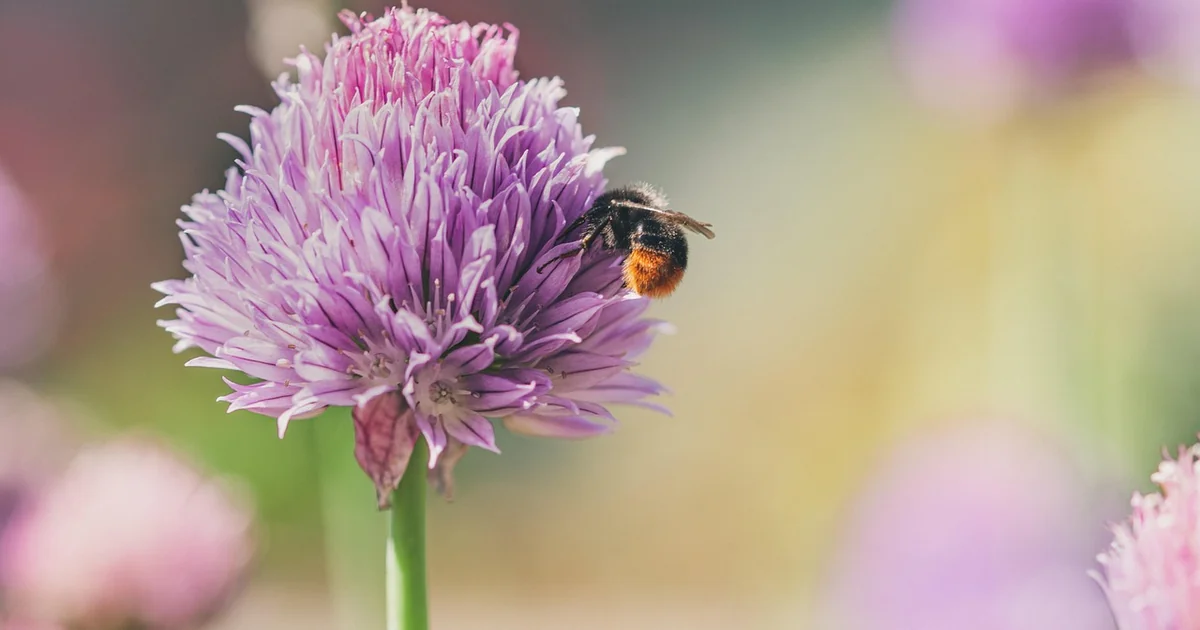
Chives are ready for harvest almost continuously throughout the growing season. You can harvest them even when the plant is at least a foot tall. The best flavor is released when the leaves are young and tender. Regular harvesting actually encourages the plant to produce more leaves, creating a continuous supply. Simply snip off the leaves with scissors or a knife, leaving about an inch of growth. For a more dramatic effect, allow the chives to flower – the purple pom-pom flowers are not only beautiful but also edible, adding a subtle onion flavor to salads and other dishes. Speaking of which, these have a subtle garlic punch and bloom later in the summer (August/September) than common chives. Don’t be afraid to experiment with different harvesting techniques to find what works best for you and your plants.
Growing amazing chives isn’t about complicated techniques or rare varieties; it’s about understanding a few simple principles and providing your plants with the right conditions. With a little care and attention, you’ll be rewarded with a bountiful harvest of these versatile and flavorful herbs. And, as any experienced gardener knows, there’s nothing quite like the taste of freshly harvested chives, adding a vibrant touch to your favorite dishes.