The dream of a bountiful garden often feels out of reach for those with limited space. But what if I told you that even a tiny balcony, a raised bed measuring just four feet by four feet, or a collection of containers could yield an astonishing harvest? The key lies in companion planting – a time-tested technique that leverages the natural relationships between plants to boost growth, deter pests, and enhance flavor. It’s a deceptively simple concept, yet one brimming with potential. This isn’t just about throwing plants together; it’s a carefully considered strategy that taps into the wisdom of nature, proven over centuries of observation – and backed by some fascinating scientific insights.
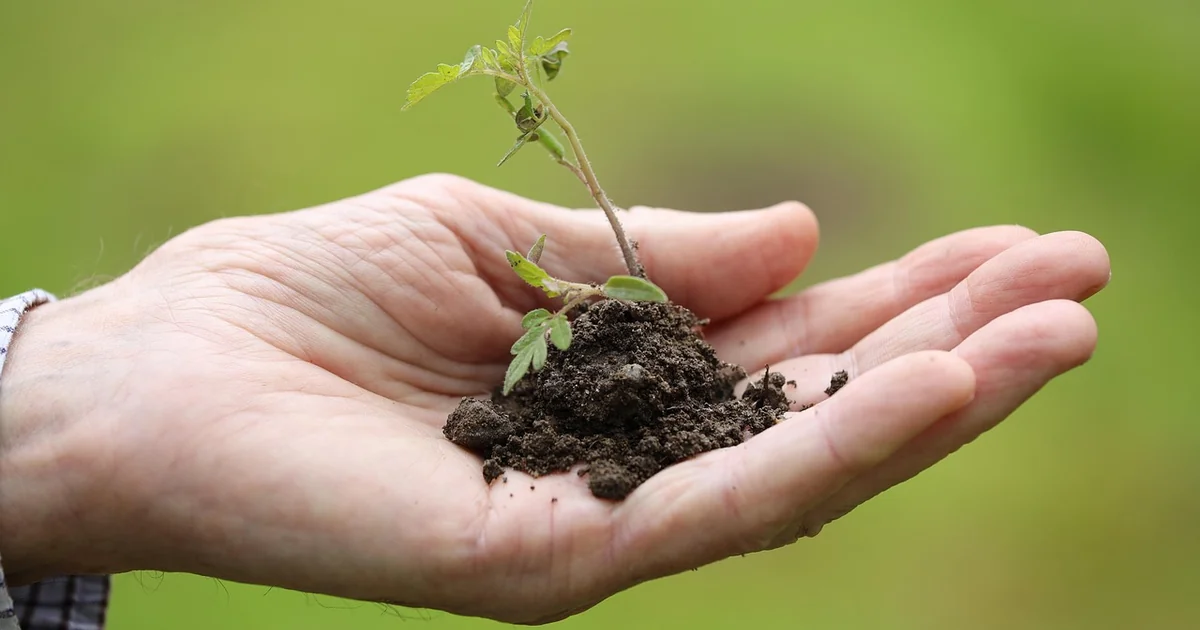
Small gardens can yield abundant harvests, and the square foot method provides a structured approach. Biointensive planting pushes space efficiency. Considering your space, planning a grid will help maximize space. Let’s explore how to implement these techniques effectively.
1. The Power of Basil and Tomatoes: A Classic Partnership
Perhaps the most well-known companion planting pairing is basil and tomatoes. This isn’t just a romantic notion from a gardening magazine; it’s rooted in a very real biological benefit. Basil contains compounds, like thymol, that act as a natural insecticide, repelling tomato hornworms, whiteflies, and other common garden pests. Furthermore, basil is believed to improve the flavor of tomatoes, enhancing their sweetness and aroma. Historically, basil has been cultivated alongside tomatoes in Mediterranean gardens for centuries – think of the vibrant, sun-drenched terraces of Italy. The exact mechanisms aren’t fully understood, but studies have demonstrated basil’s ability to disrupt the feeding patterns of several tomato pests. To maximize the effect, plant basil seedlings directly alongside your tomato plants, ensuring the basil’s leaves are in contact with the tomato foliage. Aim for about 6-8 inches of space between the plants. Don’t just plant them; interplant – scatter basil seedlings throughout your tomato patch, rather than creating a solid block. This allows the basil to effectively blanket the tomato plants and maximize its pest-repelling capabilities. Interestingly, basil thrives in similar conditions as tomatoes—full sun and well-drained soil—making this partnership a truly low-maintenance one. Consider adding a pinch of Epsom salts to both plants’ soil to boost their growth and flavor.
2. Carrots and Onions: A Root Vegetable Synergy
Carrots and onions are a remarkably effective pair. Onions release a chemical compound called propanethial S-oxide, which deters carrot root flies, tiny insects that burrow into carrot roots, causing significant damage. Conversely, carrots deter onion flies, which target onion bulbs. This reciprocal protection is the core of their partnership. Historically, companion planting with onions and carrots was prevalent in many European gardens, particularly in the 18th and 19th centuries, reflecting a deep understanding of natural pest control. Beyond pest deterrence, the combination also improves soil health. Carrots aerate the soil as they grow, while onions help break down organic matter, enriching the soil for both plants. Plant onions a few inches away from carrots, allowing space for their roots to expand. A good rule of thumb is to space carrots about 3 inches apart and onions about 6 inches apart. Consider planting a row of chives alongside your carrots and onions; chives are also a natural pest repellent and add a delightful flavor to your dishes.
3. Marigolds: The Pest-Fighting Powerhouses
Marigolds are often touted as “lazy gardeners’ best friend,” and for good reason. These cheerful flowers aren’t just beautiful; they’re potent pest repellents. Marigolds contain pyrethrum, a naturally occurring insecticide that’s effective against nematodes, aphids, whiteflies, and squash bugs. They work by releasing a strong scent that confuses and repels these pests. The legend of marigolds’ pest-repelling abilities dates back to the Aztecs, who used them to protect their crops. Even in modern agriculture, marigolds are sometimes used as a preventative measure to protect crops from pests – though often in larger-scale operations. In a small garden, simply scattering marigold seedlings throughout your beds will provide a significant level of pest control. French marigolds (Tagetes patula) are particularly effective due to their higher concentration of pyrethrum. Plant them liberally, allowing them to sprawl and create a protective barrier around your other plants. Furthermore, marigolds attract beneficial insects like ladybugs and lacewings, which prey on common garden pests. Aim for a density of about 4-6 marigold plants per square foot.
4. Planting Potatoes with Mint: A Surprisingly Beneficial Blend
This pairing might seem unconventional, but it’s a classic example of how companion planting can benefit both plants. Mint is a vigorous grower and can help suppress weeds in the potato patch. More importantly, mint deters the Colorado potato beetle, a devastating pest that can quickly decimate potato crops. The strong scent of mint confuses the beetles, making it difficult for them to locate the potatoes. However, mint is also a heavy feeder, so it’s crucial to plant it away from potatoes, as it can compete for nutrients. A good strategy is to plant mint in containers or pots placed a few feet away from the potato patch. Additionally, mint can improve the flavor of potatoes, adding a subtle freshness to your roasted or mashed potatoes. The pairing dates back to traditional European farming practices, where gardeners relied on the natural defenses of plants to protect their crops. Be mindful of mint’s spreading habit; it’s best to contain it in pots to prevent it from taking over your garden.
You may also enjoy reading: Unlock the Secret to Growing Loyal Tulips: 9 Essential Tips to Ensure They Come Back….
5. Companion Planting for Brassicas: Cabbage and Rosemary
Brassicas – including cabbage, broccoli, cauliflower, and kale – are prone to pests like cabbage moths and cabbage loopers. Rosemary, with its pungent aroma, acts as a natural deterrent to these pests. The scent confuses the moths and prevents them from laying their eggs on the brassica plants. Historically, rosemary has been used to protect crops in Mediterranean gardens, where brassicas are a staple. Planting rosemary near your brassicas creates a zone of protection, reducing the need for chemical pesticides. Rosemary also improves the flavor of brassicas, adding a subtle, herbaceous note to your salads and side dishes. Space rosemary plants about 18 inches apart from your brassicas, allowing enough room for both plants to grow. Consider adding thyme and sage to this combination; these herbs also deter cabbage pests and complement the flavor of brassicas.
6. Corn, Beans, and Squash: The Three Sisters – A Native American Wisdom
This ancient agricultural technique, known as the “Three Sisters,” is a cornerstone of sustainable gardening. Corn provides a stalk for beans to climb, beans fix nitrogen in the soil, benefiting the corn, and squash shades the soil, suppressing weeds and retaining moisture. This symbiotic relationship was perfected by Native American tribes for centuries. The concept of companion planting is deeply ingrained in indigenous agricultural practices. The beans provide nitrogen to the soil, enriching it for the corn. The corn provides a natural trellis for the beans to climb, keeping them off the ground and improving air circulation. And the squash’s broad leaves shade the soil, reducing weed growth and conserving moisture. This combination is incredibly efficient in a small garden, maximizing yields and minimizing labor. Plant corn in a central location, beans along the corn stalks, and squash around the perimeter, creating a dense, productive planting. This method is incredibly effective, and can be adapted to a small raised bed or container.
7. Leveraging Square Foot Gardening Techniques for Enhanced Companion Planting
Mel Bartholomew’s square foot gardening method provides a structured approach to companion planting, particularly beneficial for small gardens. The square foot grid allows you to plan your plantings with precision, ensuring that each plant has adequate space to grow while maximizing the use of your limited space. When utilizing this method, consider the interplanting principles – planting different species close together to leverage their combined benefits. For instance, you could plant basil alongside tomatoes in each square foot, or carrots and onions together. The square foot method is particularly effective for companion planting with marigolds, as you can easily calculate the number of marigold seedlings needed to cover each square foot. Furthermore, the grid format makes it easier to monitor plant growth and identify potential problems early on. Building a small raised bed specifically designed for square foot gardening can significantly improve your companion planting success. The container collection seed bundles are great options for getting started. Small space, big harvests starter mix is also a good option.
Ultimately, companion planting is about observation and experimentation. Don’t be afraid to try different combinations and see what works best in your garden. By understanding the natural relationships between plants, you can create a thriving, productive small garden that provides you with fresh, delicious food and a connection to the natural world. The key is to be mindful of the needs of each plant and to create an ecosystem that supports their growth and well-being. Remember to research the specific needs of each plant and tailor your companion planting strategy accordingly. With a little planning and observation, you can unlock the full potential of your small garden and enjoy a bountiful harvest all season long.