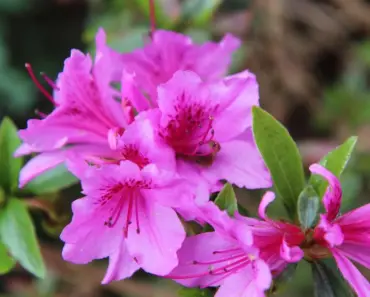
Every year, I love to grow zinnias for butterflies. It just so happens they’re attractive to the hummingbirds that migrate through my area in spring and fall. In the height of summer, zinnias just keep going, which supports winged friends in the times when other plants slow their flowering.
Understanding the Appeal of Zinnias for Winged Visitors
Bright red and red-adjacent blooms bring in the hummingbirds, but they will feed on any plant with enough nectar. The rest of the colors zinnias usually present, or the yellows, oranges, whites, pinks, and purples, are highly attractive to butterflies. What sets these apart is their botanical structure, with an open center that makes nectar and pollen accessible. With easy access to the flower’s center, these plants are excellent for pollinators.
Mass plantings of zinnias increase pollinator activity significantly. If you’ve ever planted a mass of them, you’re probably aware of how active a patch can get at the height of pollinator activity. These blooms offer a reliable food source when other garden treats slow down. It just so happens that a diverse palette of tones invites a wide spectrum of winged visitors to your outdoor space.
Botanical Structure That Invites Interaction
The open-center design of many varieties removes barriers between the insect and the sweet reward inside. This structural feature ensures that even novice pollinators can feed efficiently without expending too much energy. Bright red and red-adjacent blooms are particularly effective for hummingbirds due to their visual signal. Meanwhile, complex color arrays signal to butterflies that a rewarding meal awaits them.
Scientific observations note that flower symmetry and depth play a role in which species visit. Tubular shapes favor long-beaked hummingbirds, while open discs suit smaller insects. The zinnias, with their flattened centers, serve as a hybrid-style resource. This versatility explains why these plants resist being ignored by both bird and butterfly populations.
Season-Long Feeding Opportunities
In the height of summer, zinnias just keep going, providing sustenance when many other ornamentals begin to fade. This continuity is vital for migrating species that need consistent nourishment. They support winged friends in the times when other plants slow their flowering. By selecting varieties with staggered bloom times, you can extend the dining season.
Some cultivars are specifically bred for prolonged flowering periods. This trait ensures that the garden remains a hub of activity from early summer until the first frost. The persistent blooms create a reliable checkpoint for insects and birds navigating large landscapes. Such reliability transforms a simple patch into a critical refuge.
Top Varieties for Hummingbird and Butterfly Enthusiasts
Benary’s Giant Blend Zinnia
Benary’s Giant Blend Zinnia is a good pollinator variety due to its large, showy displays and open structure. These plants produce substantial flowers that are easy for butterflies to land upon. The vibrant reds and purples in this blend act as beacons for hungry hummingbirds. Gardeners often observe increased traffic when this blend is introduced to a yard.
The size of the blooms allows multiple visitors to access nectar without intense competition. This reduces stress on the pollinators and encourages repeat visits. If you are looking for a statement piece that also functions as a feeding station, this blend is a top contender. Its robust growth habit ensures it can handle the attention of many guests.
Peruvian Blend Zinnia
Peruvian Blend Zinnia is smaller-statured and suitable for containers, making it ideal for limited spaces. They’re smaller-statured than some others, and make great container plantings where raised and in-ground beds aren’t possible. The blooms produced by this variety are much smaller than the more cultivated types people are used to seeing. Instead of giant blooms, you get one to two-inch ones in red and yellow.
They bloom for a long time, and just like other zinnias seed out and multiply on their own. With easy access to the flower’s center, ‘Peruvian’ zinnias are excellent for pollinators. These are some of the harder-to-find zinnias out there, and seeds that grow true to the wild type are even more difficult to find. Their compact nature does not diminish their ability to attract winged guests.
Persian Carpet Zinnia
Persian Carpet The warm colors are great for summer gardens. This diverse blend of Zinnia haageana contains flowers with pronounced stamens that bloom with central compound yellow flowers, which butterflies cannot resist. Among these reddish, brown, and yellow petaled blooms are more cactus-like double flowers. Some align with the color palette of their counterparts, but others take on pinkish hues.
These are much smaller than other zinnias as well, topping out at 16 inches. Plant these if you want a unique zinnia in your garden that brings in pollinators. The intricate structure of the blooms adds an aesthetic layer while remaining functional. Their compact size allows for creative placement in mixed borders or front-edge displays.
Profusion Zinnia
Profusion This is one of the best zinnias for pollinators. Single-petaled varieties are the best zinnias for butterflies and hummingbirds, and the ‘Profusion’ series has just that. These easy-access flowers come in pale yellow, peach, bright pink, orange, and white. Multiple cultivars within this series have won awards, most likely due to their prolific blooming habit.
This makes up for the smaller flowers that max out at two inches. You might wonder if the dense stand of flowers produced by these plants is prone to mildew (generally common with overcrowding). And you’ll be happy to know these are highly resistant to powdery mildew. They bloom over and over again from late spring through fall, and don’t require any deadheading.
These are plant-and-forget-it zinnias. The dense arrangement ensures that there is always a bloom in some stage of development. This constant turnover provides a steady food supply for insects and birds. Their resilience makes them a low-maintenance choice for busy households.
Cut and Come Again Zinnia
The old-fashioned look provided by ‘ Cut and Come Again’ zinnias has the bonus of being great for all kinds of pollinators. They’re named for their tendency to bloom even more when they’re cut. So planters are encouraged to harvest bouquets for indoor enjoyment, which paradoxically benefits the outdoor ecosystem.
These blooms offer long vase life without sacrificing garden performance. When you trim stems, the plant responds by generating new shoots and flowers. This practice can actually increase overall productivity. It just so happens that this cycle of cutting and regrowth aligns perfectly with the needs of feeding wildlife.
By bringing some indoors, you create a visual connection between inside and outside spaces. Guests often remark on the charm of these arrangements. The act of cutting can serve as a gentle pruning method, encouraging bushier growth. This variety truly embodies the idea of giving and receiving in the garden.
Zowie!™ Yellow Flame
The compact plants are perfect for containers, fitting neatly onto patios or balconies. Zowie!™ Yellow Flame is compact and suitable for containers, allowing city dwellers to participate in pollinator support. These smaller-statured plants prove that space limitations need not deter your efforts. You can create a vibrant corridor of color even in tight quarters.
Their uniform growth habit makes maintenance straightforward. Gardeners appreciate the reduced need for staking or complex care routines. The bright yellow tones are especially effective at catching the attention of passing hummingbirds. This variety demonstrates that impactful design does not require extensive square footage.
Container gardening with these specimens allows for flexible rearrangement. You can move them to optimize sunlight or group them for visual impact. This mobility is a significant advantage when trying to attract specific wildlife. It turns a simple balcony into a dynamic ecological hotspot.
Strategic Planting for Maximum Impact
If you’re still planning your pollinator garden, consider these varieties and throw them in the mix. Grouping different types together can create a layered effect that mimics natural meadows. This approach provides varied heights and bloom shapes, catering to different species preferences. Diversity in structure often leads to diversity in inhabitants.
Planting in clusters rather than single rows is crucial. When you plant a mass of zinnias, you create a visual target that is hard for pollinators to ignore. This concentration increases the likelihood of repeat visits. The phenomenon of mass planting boosting activity is well-documented in ecological studies, showing a measurable rise in insect traffic.
Consider the surrounding environment when selecting locations. A sunny spot with minimal wind exposure will encourage prolonged blooming. Proximity to a water source can also enhance the health of the plants. These small adjustments can transform a good garden into a great one for winged visitors.
Maintenance Practices That Encourage Return Visits
With easy access to the flower’s center, maintenance becomes more about preservation than intervention. Deadheading is often unnecessary with modern cultivars, saving you time and effort. However, removing any spent blooms that are diseased can prevent the spread of issues. Healthy plants are more attractive to pollinators.
Watering practices should aim to keep the soil moist but not waterlogged. A deep watering routine a few times a week is generally superior to daily shallow sprinkles. This encourages roots to grow deeper, making the plant more resilient. Resilient plants produce more consistent flowers, which in turn support consistent wildlife activity.
Fertilization should be approached with caution. Excessive nitrogen can lead to lush foliage at the expense of blooms. Since the goal is to attract zinnias, butterflies, and hummingbirds, focus on balanced nutrition. A soil test can provide specific guidance tailored to your garden’s needs. Informed care yields the best results.
Overcoming Common Challenges
Gardeners sometimes face the challenge of pests that target these vibrant flowers. Aphids and spider mites can appear, especially in dense plantings. Regular inspection allows for early detection and manual removal. Introducing beneficial insects, such as ladybugs, can provide a natural form of control. This method aligns with creating a balanced ecosystem.
Another issue is the potential for fungal diseases in humid conditions. Ensuring good air circulation between plants is a simple yet effective preventive measure. Avoiding overhead watering can also reduce moisture on the leaves. These proactive steps help maintain the vigor needed to support pollinators throughout the season.
Space management can become tricky when plants reach their full growth. Planning for adequate spacing during the initial planting phase prevents future overcrowding. Remember that while mass plantings are beneficial, they require room to breathe. Proper spacing ensures that each plant can access sunlight and nutrients effectively.
Creating a Haven for Migratory Patterns
These blooms are particularly valuable during migration periods. Hummingbirds that migrate through your area in spring and fall rely on high-energy food sources. The nectar provided by these plants helps fuel their long journeys. Offering this resource can make your garden a crucial stop on their route.
Butterflies also benefit from the extended blooming window. Many species have specific host plant requirements for their larvae. While zinnias are not host plants, they serve as vital nectar stations for adults. This distinction highlights the importance of planting for multiple life stages. A garden designed with this awareness supports the entire population cycle.
Observing these interactions can be a source of daily joy. Keeping a simple journal of sightings can enhance your connection to the natural world. You may notice patterns in visiting times or preferred blooms. This engagement fosters a deeper appreciation for the intricate relationships within your garden.
Conclusion: Sustaining the Beauty and Biodiversity
Choosing the right zinnias, butterflies, and hummingbirds will find irresistible is a rewarding endeavor. The varieties mentioned offer a range of benefits, from disease resistance to container suitability. By understanding their specific needs and growth habits, you can create a thriving environment. This effort contributes to the broader goal of supporting local wildlife populations.
Remember that gardening is a continuous learning process. Each season brings new observations and opportunities for adjustment. Reflect on what worked well and what could be improved. This iterative approach ensures that your garden remains vibrant and productive. Your dedication helps sustain the delicate balance between cultivated beauty and ecological health.
Ultimately, the presence of these winged visitors is a testament to your efforts. The sight of a hummingbird hovering or a butterfly resting on a bloom is a reminder of nature’s resilience. By thoughtfully selecting and caring for your zinnias, you participate in a timeless cycle of growth and connection. This harmonious relationship benefits both your landscape and the wider environment.