What if your office design is costing you thousands in lost productivity without you realizing it?
Most business owners focus on technology and talent while overlooking how their physical workspace silently undermines employee performance, creativity, and retention. The truth is that office interior decoration isn’t just about appearances—it’s a strategic business investment with measurable returns that can transform your bottom line.
Effective office interior decoration extends far beyond aesthetics. It serves as a crucial factor in fostering productivity, protecting employee well-being, and authentically reflecting company culture. A well-designed workspace reduces stress, encourages collaboration, sparks creativity, and communicates your values to clients and potential hires. Businesses worldwide recognize that their physical environment profoundly impacts their success.
Every design choice you make directly influences the daily experience of everyone who works in or visits your office. Wall color affects mood and energy levels. Furniture placement impacts collaboration patterns. Lighting quality influences focus and reduces fatigue. Temperature and acoustics affect concentration. These elements combine to create environments that either energize and inspire or drain and frustrate.
The modern understanding of office design has evolved dramatically. We’ve moved beyond the cubicle farms and fluorescent-lit boxes that dominated corporate America for decades. Contemporary office interior decoration draws inspiration from residential comfort, biophilic principles connecting humans to nature, and activity-based working that recognizes different tasks require different environments.
This comprehensive guide presents 11 essential ideas to transform your office interior decoration. These strategies blend comfortable Home aesthetics with refreshing Outdoor environmental principles, creating spaces where businesses and teams genuinely flourish. Whether you’re designing a new office, renovating an existing space, or seeking incremental improvements, these evidence-based approaches will help you create an environment that attracts talent, delights clients, and drives results.
The Business Case for Thoughtful Office Design
Before exploring specific design strategies, understanding the measurable business impact of office interior decoration helps justify investments and prioritize improvements.
Productivity and Performance Gains
Research demonstrates that well-designed offices boost productivity by 20-25% compared to poorly designed spaces. Natural light alone increases productivity by 15% while reducing absenteeism. Proper ergonomics reduces musculoskeletal complaints that cause lost work time. Comfortable temperatures and good acoustics minimize distractions that fragment focus.
These improvements compound over time. A 20% productivity increase for a team of 50 people represents the equivalent output of 10 additional employees without added payroll costs. When you calculate the value of improved performance against design investment, the return on investment becomes compelling.
Talent Attraction and Retention
Today’s workforce—particularly younger professionals—evaluates potential employers partly through their physical environments. Offices signal company values, financial health, and concern for employee welfare. Outdated, uncomfortable offices suggest companies that don’t invest in their people.
Retention matters enormously to your bottom line. Replacing employees costs 50-200% of their annual salary when you factor in recruitment, training, and productivity losses during transitions. If better office design reduces turnover by even a few percentage points, it pays for itself many times over.
Client Perception and Brand Expression
Your office communicates your brand values whether you intend it to or not. Clients form impressions within seconds of entering your space. Creative agencies need environments that demonstrate innovation. Financial firms need offices that project stability and professionalism. Tech companies need spaces that signal forward-thinking approaches.
Office interior decoration serves as three-dimensional marketing that reinforces (or contradicts) your other brand messages. When your physical space aligns with your brand promise, you create authentic, memorable impressions that build trust and differentiation.
Let’s discuss: What’s the biggest pain point in your current office environment—lack of privacy, poor lighting, uncomfortable furniture, or something else? Understanding your primary challenge helps you prioritize design improvements. Share your office frustrations in the comments!
11 Essential Ideas for Office Interior Decoration
Transforming your office into a space that fosters productivity and comfort requires attention to multiple interconnected design elements. These 11 comprehensive ideas provide a roadmap for creating exceptional work environments.
1. Prioritize Ergonomic Furniture
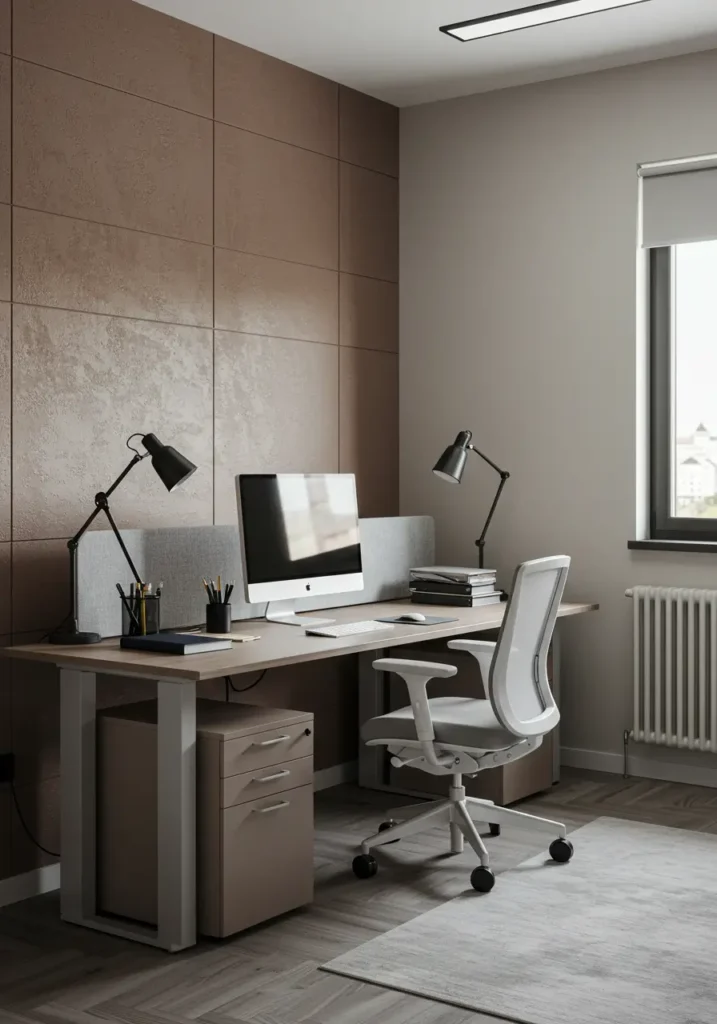
Comfort forms the foundation of effective office interior decoration. When employees suffer physical discomfort, productivity plummets regardless of how beautiful your space looks. Investing in ergonomic furniture protects employee health while demonstrating genuine care for their well-being.
Understanding Ergonomic Principles
Ergonomics studies how people interact with their work environments, designing spaces and equipment that support natural body positions and movements. Poor ergonomics causes musculoskeletal disorders—neck pain, back problems, carpal tunnel syndrome, and repetitive strain injuries. These conditions cause discomfort, reduce productivity, increase absenteeism, and create potential liability issues.
Proper ergonomic design maintains neutral body positions. Chairs should support the natural curve of your spine, keeping shoulders relaxed and feet flat on the floor. Monitor height should position the top of the screen at or slightly below eye level. Keyboards and mice should allow wrists to remain straight rather than bent. These principles apply whether employees work sitting or standing.
Choosing Quality Seating
Office chairs represent your most important furniture investment. Quality ergonomic chairs include adjustable seat height, lumbar support, seat depth, armrest height and width, and recline tension. These adjustments accommodate different body types and work styles, allowing each employee to customize their setup.
Budget $300-800 per chair for quality ergonomic seating. While expensive, these chairs last 10+ years and prevent health problems that cost far more in medical expenses and lost productivity. Popular ergonomic chair brands include Herman Miller, Steelcase, Haworth, and Humanscale. Test chairs before purchasing—comfort is subjective, and what works for one person may not suit another.
Adjustable Desk Solutions
Sit-stand desks allow employees to alternate between sitting and standing throughout the day, reducing sedentary behavior that contributes to health problems. These desks accommodate different working preferences while promoting movement that boosts energy and focus.
Electric adjustable desks offer smooth, quiet height transitions with programmable settings for individual preferences. Manual crank desks cost less but require more effort to adjust, potentially reducing how often people actually change positions. Desktop converters provide budget-friendly alternatives that add sit-stand capability to existing desks.
Workstation Accessories
Complete ergonomic setups include monitor arms that position screens at proper heights and distances, keyboard trays that maintain neutral wrist positions, footrests for shorter individuals, and document holders that reduce neck strain from looking down at papers. Anti-fatigue mats cushion standing periods. Ergonomic mice and keyboards reduce hand and wrist strain.
Don’t overlook ergonomics in meeting rooms and collaborative spaces. Comfortable conference chairs, properly sized tables, and well-positioned displays create environments where people can focus on discussions rather than their discomfort.
2. Leverage Color Psychology

Color profoundly influences mood, energy, and behavior. Strategic color choices in office interior decoration can enhance productivity, reduce stress, and support different work activities across your space.
Understanding Color Effects
Blue promotes calm, focus, and intellectual activity. It’s excellent for spaces requiring concentration and analytical thinking. Research shows blue environments reduce stress while enhancing performance on detail-oriented tasks. Navy and deep blues add sophistication while lighter blues create refreshing, open feelings.
Green connects us to nature, promoting balance, growth, and creativity. It’s calming without being sedating, making it versatile for various office functions. Green works particularly well in spaces where employees spend extended periods, as it reduces eye strain and creates restorative environments.
Yellow stimulates optimism, energy, and creativity. It works well in collaborative spaces, creative departments, and areas where you want to energize employees. However, too much bright yellow can create anxiety or visual fatigue. Use it as an accent rather than overwhelming primary color.
Red increases heart rate and energy. Small amounts create excitement and urgency, useful in sales areas or spaces requiring physical energy. However, red can also trigger stress responses, so use it sparingly and strategically rather than for large wall surfaces.
Neutral colors—whites, grays, beiges, and taupes—provide versatile foundations that allow other design elements to shine. They create professional, sophisticated backdrops while letting you introduce color through furniture, artwork, and accessories that you can change more easily than wall paint.
Strategic Color Application
Zone your office with color to support different activities. Use calming blues and greens in focus areas where employees need concentration. Introduce energizing yellows and oranges in collaborative spaces and break rooms. Keep client-facing areas in sophisticated neutrals with controlled accent colors that reflect your brand.
Create accent walls in meeting rooms or common areas to add visual interest without overwhelming spaces. This technique introduces bold colors economically while maintaining professional appearances overall. Coordinate accent colors with your brand palette to reinforce company identity.
Testing and Lighting Considerations
Always test paint colors in your actual space before committing. Colors appear dramatically different under various lighting conditions. What looks perfect in the paint store may look wrong in your office. Paint large samples on different walls and observe them at various times of day under both natural and artificial light.
Consider how much natural light your space receives. Darker colors work better in bright spaces while lighter colors brighten dimmer areas. North-facing rooms with cooler light benefit from warmer colors while south-facing rooms with abundant warmth can handle cooler tones.
3. Implement Layered Lighting

Lighting dramatically affects productivity, mood, health, and the overall success of your office interior decoration. Poor lighting causes eye strain, headaches, fatigue, and depression while excellent lighting energizes, focuses, and uplifts.
Maximizing Natural Light
Natural light provides the gold standard for office lighting. It regulates circadian rhythms that control sleep-wake cycles, hormone production, and energy levels. Exposure to natural light during work hours improves sleep quality at night, boosts mood, and increases alertness.
Maximize natural light by removing or minimizing window obstructions. Replace heavy drapes with sheer treatments that provide privacy while allowing light transmission. Use glass walls or partitions instead of solid walls to distribute natural light deeper into spaces. Position workstations near windows when possible, though avoid glare from direct sunlight on screens.
Light-colored surfaces reflect natural light throughout spaces, multiplying its benefits. White or light-colored walls, ceilings, and furniture bounce light around rooms, brightening areas far from windows. Glossy surfaces amplify this effect though they can create unwanted glare—balance reflectivity with practical considerations.
Ambient Lighting Systems
Ambient lighting provides overall illumination for safe navigation and general visibility. This base layer should be bright enough for comfort but not harsh. Recessed ceiling lights, track lighting, and modern LED panels create even, shadow-free ambient light.
Choose lighting that mimics natural daylight’s color temperature (4000-5000K). This neutral white light promotes alertness without the harsh blue tones of some fluorescents. Dimming capability allows you to adjust light levels throughout the day and for different activities.
Task Lighting for Individual Needs
Task lighting provides focused illumination for specific work activities. Desk lamps give employees control over their immediate lighting, accommodating individual preferences and vision needs. This personal control increases satisfaction and reduces eye strain.
Modern LED task lights offer adjustable brightness and color temperature, allowing employees to customize lighting for different tasks. Cooler temperatures (5000-6500K) enhance focus for detailed work while warmer temperatures (2700-3000K) create relaxed environments for less intensive tasks.
Accent and Feature Lighting
Accent lighting adds visual interest and dimension while highlighting architectural features, artwork, or brand elements. Pendant lights over reception areas create focal points. Wall sconces add warmth to corridors. LED strips under floating shelves or behind monitors reduce eye strain from screen glare while creating ambient glow.
Lighting control systems allow you to program different scenes for various times of day or activities. Bright, energizing light for morning focus, moderate levels for afternoon work, dimmer settings for late-day meetings or after-hours events. Smart systems learn usage patterns and adjust automatically.
4. Bring Nature Indoors (Biophilia)

Biophilic design integrates natural elements into built environments, creating spaces that satisfy our innate need to connect with nature. This approach delivers proven benefits that make it essential in modern office interior decoration.
The Science of Biophilia
Humans evolved in natural environments, developing deep connections to plants, natural light, water, and organic materials. Modern indoor environments cut us off from these connections, contributing to stress, fatigue, and reduced cognitive function. Biophilic design reconnects us with nature’s restorative effects.
Research shows biophilic office design reduces stress by 15%, increases productivity by 6%, enhances creativity by 15%, and improves well-being measures by 15%. Plants improve air quality by removing toxins while releasing oxygen. Views of nature reduce mental fatigue and improve focus. These benefits accumulate over time, creating healthier, more engaged workforces.
Incorporating Living Plants
Living plants represent the most direct biophilic intervention. They improve air quality, reduce noise through sound absorption, increase humidity in dry environments, and provide visual interest that reduces monotony. Even small plants on desks create positive psychological effects.
Choose low-maintenance varieties suitable for indoor office conditions: pothos (tolerates low light), snake plants (nearly indestructible), ZZ plants (drought-tolerant), peace lilies (indicate water needs), or philodendrons (easy care). Larger plants like fiddle leaf figs or rubber trees create dramatic focal points in common areas.
For offices lacking green thumbs, consider professional plant services that install, maintain, and rotate plants. These services ensure healthy, attractive displays without burdening your team with plant care responsibilities.
Natural Materials and Textures
Incorporate natural materials throughout your office. Wood furniture and finishes add warmth while connecting spaces to forests and trees. Stone elements in reception areas or feature walls bring earth’s solidity indoors. Natural fiber textiles—wool rugs, linen upholstery, cotton curtains—add softness and organic texture.
Exposed brick, concrete, or wood beams celebrate buildings’ natural materials. Cork boards or wall panels introduce unique textures while providing sound absorption. Bamboo, rattan, or wicker furniture pieces create visual connections to natural fibers.
Nature-Inspired Design Elements
When direct natural elements aren’t practical, nature-inspired design provides biophilic benefits. Artwork featuring landscapes, forests, or water creates visual connections to nature. Nature photography in meeting rooms and corridors provides micro-restoration breaks during busy days.
Organic patterns—flowing curves rather than rigid rectangles, fractal patterns found in nature, natural color palettes of greens, blues, and earth tones—create subliminal nature connections. Water features in lobbies provide soothing sounds that mask distracting noise while creating peaceful focal points.
5. Create Comfortable Breakout Zones
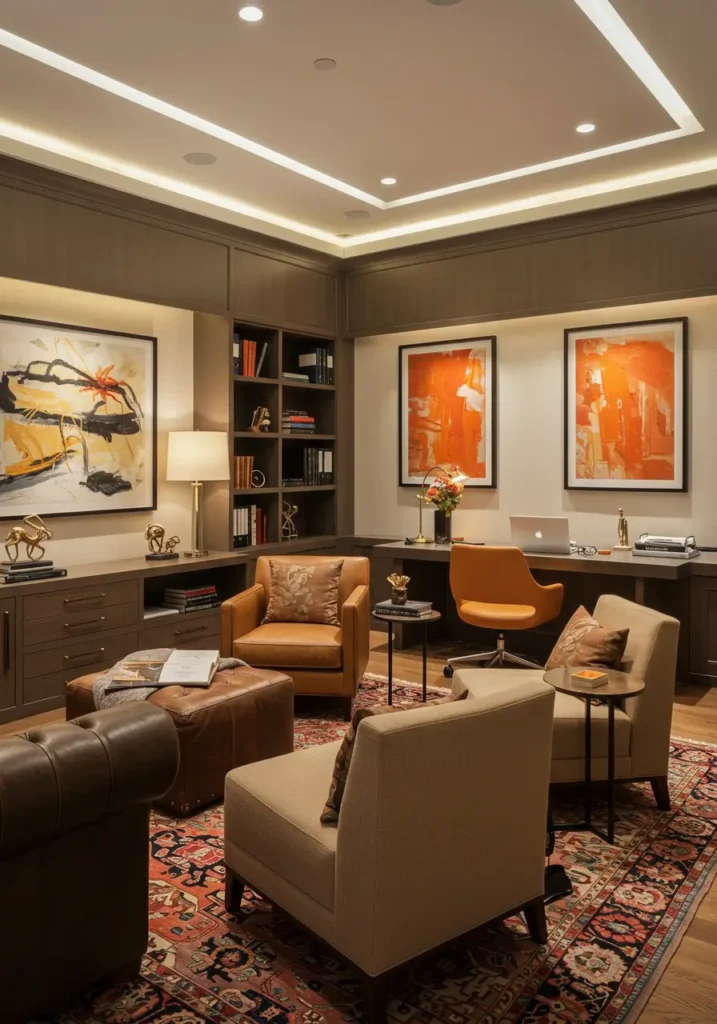
Breakout zones provide alternatives to traditional desk settings, supporting informal collaboration, relaxation, and mental restoration. These spaces acknowledge that different activities require different environments.
The Purpose of Breakout Spaces
Breakout zones serve multiple functions. They provide comfortable settings for informal meetings and brainstorming sessions. They offer relaxation areas where employees can mentally recharge away from their desks. They create alternative workspaces for tasks requiring different environmental qualities. They facilitate spontaneous conversations that build relationships and spark ideas.
Research shows that breaks improve focus and productivity. Regular mental resets prevent cognitive fatigue that accumulates during sustained focus. Comfortable breakout zones encourage employees to take these beneficial breaks rather than pushing through fatigue at their desks.
Designing Comfortable Spaces
Furnish breakout zones with residential-style furniture that invites relaxation. Comfortable sofas and armchairs, coffee tables rather than conference tables, soft lighting instead of bright overheads, and warm materials like wood and fabric create welcoming environments distinct from formal office areas.
Include variety in your breakout spaces. Some employees want quiet corners for individual work or phone calls. Others seek collaborative spaces for team discussions. Provide both intimate two-person nooks and larger areas accommodating groups. This variety supports different preferences and activities.
Supporting Work and Relaxation
While breakout zones should feel comfortable and relaxed, they still need to support work activities. Provide adequate power outlets and USB charging ports. Ensure WiFi coverage matches the rest of your office. Include small work surfaces for laptops or notebooks. These practical elements allow breakout zones to function as alternative workspaces when needed.
Balance work support with pure relaxation areas. Perhaps one breakout zone includes work amenities while another focuses solely on rest and social interaction. This distinction gives employees permission to fully disconnect during breaks without feeling they should be working.
Location and Accessibility
Place breakout zones strategically throughout your office rather than concentrating them in one location. Distributed spaces ensure everyone has convenient access. Position breakout areas away from quiet focus zones to prevent noise conflicts. Consider views—breakout spaces benefit especially from natural light and outdoor views that enhance restoration effects.
We want to hear from you: Which of these first five office interior decoration ideas would make the biggest immediate impact in your workspace? Are your biggest challenges furniture comfort, lighting quality, lack of nature, or insufficient variety in work settings? Share your thoughts below!
6. Maximize Natural Light & Views

Access to natural light and outdoor views ranks among the most valued workplace features. These elements profoundly impact employee well-being, satisfaction, and performance.
Democratic Light Distribution
Traditional offices often concentrate window access in private offices while relegating most employees to interior spaces without natural light. This arrangement creates inequality while wasting natural light’s productivity benefits. Modern office interior decoration prioritizes democratic light distribution that gives everyone access to windows.
Glass-walled private offices allow natural light to penetrate deeper into floor plates while maintaining acoustic privacy. Open-plan layouts with low partitions prevent barriers from blocking light. Position collaborative spaces and meeting rooms in building cores, reserving perimeter zones for individual work areas where natural light benefits employees most directly.
Managing Glare and Heat
While maximizing natural light is crucial, managing its challenges ensures comfort. Direct sunlight creates glare on screens and uncomfortable heat. Adjustable window treatments—solar shades, blinds, or curtains—give employees control over light levels. Automated systems can adjust treatments based on sun position, maintaining optimal conditions throughout the day.
Position workstations perpendicular to windows rather than facing them directly. This reduces screen glare while maintaining light benefits. Monitor hoods or privacy screens can reduce glare for unavoidable arrangements. Light shelves—horizontal surfaces projecting from exterior windows—bounce daylight deeper into spaces while shading work areas near windows.
The Power of Views
Views to nature provide psychological benefits distinct from light alone. Looking at greenery, water, or even urban landscapes provides micro-breaks that restore mental capacity. Research shows employees with window views report better sleep quality, increased physical activity, and higher overall life quality compared to those without views.
Orient workstations to provide view access when possible. If direct views aren’t available for everyone, create view corridors through glass partitions or thoughtful furniture placement. Even partial views or glimpses of outdoor spaces provide benefits.
Bringing Outdoors In
When views are limited or nonexistent—common in interior spaces or urban locations with poor outlooks—create visual connections to nature through other means. Large-scale nature photography or artwork depicting outdoor scenes provides substitute views. Living walls or substantial plant installations create interior “views” of greenery. These alternatives deliver some benefits when actual windows aren’t available.
7. Use Natural Materials & Textures
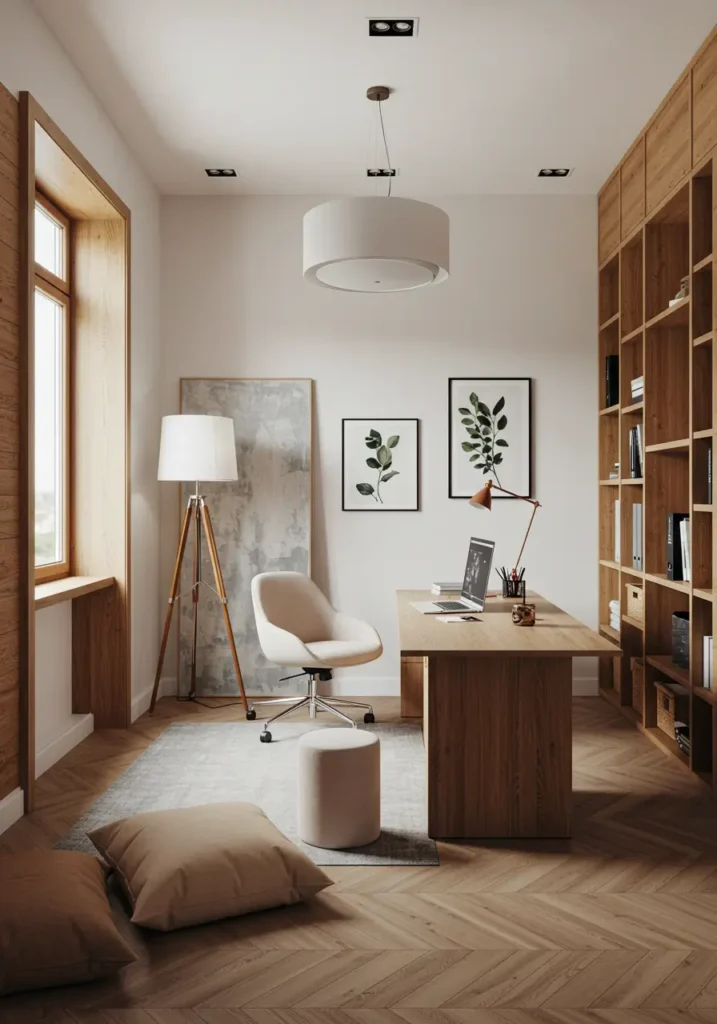
Material choices profoundly impact how offices feel. Natural materials add warmth, authenticity, and tactile interest while connecting spaces to nature and human craft traditions.
Wood Elements Throughout
Wood brings unmatched warmth and organic beauty to office interior decoration. Hardwood or engineered wood flooring provides durable, attractive surfaces that age gracefully. Wood furniture—desks, tables, shelving—adds character while supporting various design styles from modern to traditional.
Reclaimed wood creates unique feature walls with history and character. Wood ceiling treatments add unexpected visual interest while improving acoustics. Even small wood elements—accessories, planters, desk organizers—contribute cumulative warmth.
Different wood species create distinct moods. Light woods like maple or ash feel fresh and Scandinavian. Medium woods like oak or walnut provide classic warmth. Dark woods like mahogany add richness and gravitas suitable for executive areas or traditional firms.
Stone and Concrete Features
Stone brings earth’s solid presence indoors. Stone reception desks or feature walls create impressive focal points. Stone tile floors in entries or common areas provide durability and natural beauty. Even small stone elements—countertops in break rooms, stone accessories—contribute organic texture.
Concrete, whether polished or textured, adds industrial authenticity popular in contemporary design. Exposed concrete ceilings or columns celebrate building structure. Concrete floors stained or polished create durable, low-maintenance surfaces with unique patinas. The material’s thermal mass also helps regulate temperature.
Textile Warmth and Acoustics
Hard surfaces dominate most offices—drywall, glass, concrete, tile. While these materials serve practical functions, they create harsh acoustics and cold feelings. Soft textiles—rugs, curtains, upholstered furniture, acoustic panels wrapped in fabric—absorb sound while adding warmth and comfort.
Natural fiber textiles particularly enhance office interior decoration. Wool rugs provide durability, sound absorption, and luxurious feel. Linen curtains and upholstery add relaxed elegance. Cotton canvas or canvas-backed acoustic panels combine function with natural aesthetics. These materials also age more gracefully than synthetic alternatives.
Mixing Materials Thoughtfully
Layer multiple natural materials to create rich, interesting environments. Perhaps wood furniture on concrete floors with wool rugs and linen curtains. Stone feature walls with wood shelving and leather seating. These combinations add depth and sophistication while providing varied tactile experiences that engage occupants’ senses.
Balance natural materials with other finishes—metal, glass, painted surfaces—to create contemporary spaces rather than overly rustic environments. The goal is incorporating nature’s warmth without sacrificing professional appearance or modern functionality.
8. Encourage Personal Touches

Generic, impersonal offices fail to engage employees or express company culture. Allowing and encouraging personalization creates ownership, comfort, and authentic expression.
Individual Workspace Personalization
Permit employees to personalize their immediate workspaces with family photos, artwork, plants, or meaningful objects. This autonomy helps people feel “at home” in offices where they spend significant portions of their lives. Personal items also facilitate conversations and relationship-building among team members.
Provide guidelines that balance personalization with professional appearance. Perhaps limit personal items to a defined area or number. Ensure personalization doesn’t compromise safety or create offensive environments. The goal is encouraging individual expression while maintaining cohesive overall aesthetics.
Displaying Company Culture and Values
Office interior decoration should authentically reflect your company’s culture and values. Tech startups might embrace creative, unconventional designs. Law firms might maintain traditional, sophisticated aesthetics. Creative agencies might showcase bold, innovative approaches. Your space should feel authentic to your industry, company, and team rather than copying generic corporate design.
Display company history, achievements, and values through photos, awards, or curated artwork. Feature products you make or projects you’ve completed. Showcase customer testimonials or community involvement. These elements tell your story to employees and visitors while building pride and connection.
Collaborative Personalization
Involve employees in office design decisions when possible. Survey teams about their needs and preferences. Include representatives in furniture selection or color choice processes. This participation increases satisfaction with final results while ensuring designs actually serve user needs rather than designer assumptions.
Create opportunities for collective expression—perhaps a community art wall where employees can display their creative work, a shared bookshelf library, or rotating displays of employee interests and hobbies. These collaborative elements build community while adding ever-changing visual interest.
9. Define Spaces with Area Rugs

Area rugs serve multiple functions in office interior decoration, providing practical benefits while adding visual warmth and defining distinct zones within open layouts.
Spatial Definition Without Walls
Open-plan offices maximize flexibility and light penetration but can feel undefined and chaotic. Area rugs create implied boundaries that organize space into distinct zones without physical barriers. A rug under a seating group signals “this is a conversation area.” Rugs under workstation clusters identify team territories.
This subtle definition helps people navigate and understand space organization. It creates psychological boundaries that provide some territorial definition while maintaining openness. Different rug styles, colors, or sizes can identify different functional zones—perhaps neutral rugs in focus areas, colorful rugs in creative spaces, and soft, comfortable rugs in relaxation zones.
Acoustic Benefits
Hard flooring surfaces—concrete, tile, hardwood—amplify sound, creating noisy environments that undermine concentration. Area rugs absorb sound, reducing noise transmission and reverberation. This acoustic control improves speech privacy and reduces general noise levels that cause fatigue and distraction.
Larger rugs provide more acoustic benefit than smaller ones. Thicker rugs with padding underneath absorb more sound than thin rugs directly on hard floors. For maximum acoustic control, combine rugs with other sound-absorbing elements like acoustic ceiling tiles, fabric wall panels, and upholstered furniture.
Visual Warmth and Comfort
Rugs add color, pattern, and texture that soften hard-surfaced offices. They introduce residential comfort that makes commercial spaces feel more inviting and human-scaled. This psychological warmth contributes to the home-like quality that modern office design increasingly embraces.
Choose rug styles that complement your overall design aesthetic. Traditional patterns suit classic offices. Geometric patterns fit contemporary spaces. Solid colors provide versatile foundations that work with various furniture styles. Natural fiber rugs—jute, sisal, seagrass—add organic texture perfect for biophilic designs.
Practical Considerations
Select office rugs with durability appropriate to their location and use. High-traffic areas need commercial-grade rugs designed for heavy use. Break rooms and eating areas need stain-resistant materials. Choose low-profile rugs that don’t create tripping hazards. Ensure rugs lay flat with nonslip pads underneath for safety.
10. Integrate Artwork and Branding

Artwork and branded elements transform generic offices into unique spaces that reflect company identity while providing visual interest and inspiration.
Selecting Meaningful Artwork
Choose artwork that resonates with your company values, industry, or desired emotional response. Tech companies might display abstract modern pieces suggesting innovation. Financial firms might choose classic, conservative art. Creative agencies might showcase bold, provocative contemporary work. Environmental organizations might feature nature photography or eco-focused art.
Consider local artists whose work reflects your community connection. Employee-created art demonstrates your team’s talents while adding personal meaning. Rotating displays keep visual environments fresh while giving multiple artists exposure. These approaches add authenticity that generic corporate art lacks.
Size matters enormously. Too-small artwork disappears against large walls. Plan for substantial pieces or groupings that command attention. A single large canvas makes more impact than several small pieces scattered randomly. Gallery walls of coordinated smaller works can succeed but require careful planning and professional hanging.
Strategic Branding Integration
Your office interior decoration should reflect your brand identity without feeling like constant self-promotion. Use brand colors in accent walls, furniture, or accessories. Display your logo prominently in reception but sparingly elsewhere. Feature walls highlighting your mission, values, or company history tell your story authentically.
Product displays showcase what you make or do. Client project displays demonstrate your capabilities. Timeline walls charting company evolution build pride and context. These branded elements inform and inspire while creating unique environments visitors remember.
Inspirational and Motivational Elements
Thoughtfully selected quotes, mission statements, or value propositions can inspire employees and communicate priorities to visitors. However, avoid cliché motivational poster aesthetics. Instead, work with designers or sign makers to create custom displays with professional typography and materials that match your overall design quality.
Interactive elements engage more than static displays. Magnetic or chalkboard walls where employees can contribute thoughts. Digital displays showcasing real-time metrics, customer feedback, or team achievements. These dynamic elements create living artwork that evolves with your business.
11. Design Flexible, Multi-functional Areas

Modern work requires varied environments supporting different activities. Flexible, multi-functional spaces maximize utility while accommodating changing needs over time.
Activity-Based Working Principles
Activity-based working recognizes that different tasks require different environmental qualities. Focused analytical work needs quiet, minimal distraction. Collaborative brainstorming benefits from energizing, open settings. Phone calls require acoustic privacy. Administrative tasks might happen anywhere. Rather than assigning employees permanent desks, activity-based offices provide varied settings employees choose based on current needs.
This approach requires spaces supporting each activity type: quiet focus rooms, collaborative open areas, private phone booths, casual touchdown spaces for brief tasks, and traditional meeting rooms. Employees move between these environments throughout their days, selecting optimal settings for each task.
Furniture for Flexibility
Mobile furniture enables quick space reconfiguration. Folding tables and stacking chairs stored when not needed. Movable whiteboards creating temporary boundaries. Modular seating rearranging for groups of various sizes. This flexibility ensures spaces adapt to immediate needs rather than forcing activities into fixed configurations.
Height-adjustable tables serve multiple purposes—conference table at standard height, standing meeting surface when raised. Nested tables stored compactly or spread out as needed. Furniture on casters moves easily for cleaning or rearrangement. These versatile pieces maximize investment while supporting varied uses.
Technology Integration
Flexible spaces need technology that moves with users. Wireless connectivity eliminates tethering to specific locations. Cloud storage allows file access anywhere. Portable displays or screen-sharing technology enables presentations in any space. Adequate power outlets throughout ensure devices stay charged regardless of where people work.
Room booking systems help manage shared spaces, preventing conflicts and underutilization. Simple visual indicators—red light for occupied, green for available—help people quickly identify usable spaces. Digital displays outside rooms show upcoming reservations and allow immediate booking if available.
Balancing Flexibility with Identity
While flexibility offers advantages, completely nomadic environments where no spaces feel personal can undermine belonging and territorial comfort humans naturally seek. Balance flexible shared spaces with some assigned territories—perhaps team neighborhoods rather than individual desks. Provide lockers or personal storage for belongings. This hybrid approach delivers flexibility benefits while maintaining some stability and belonging.
Your perspective matters: Which of these 11 office interior decoration ideas will you implement first in your workspace, and why did you choose that one? Have you tried any of these strategies already? Share your experiences and questions in the comments below—let’s learn from each other!
Related Posts: Kitchen Remodel Design: 10 Inspiring Ideas for Southern European Homes
Drawing Inspiration from Home & Outdoor Aesthetics
Many effective office interior decoration strategies borrow principles from residential comfort and biophilic outdoor connections, creating workplaces that feel more human and less corporate.
Creating a Sense of Welcome

The best modern offices move away from cold, institutional environments toward spaces that feel welcoming and comfortable—more like entering a well-designed home than a corporate facility. This shift acknowledges that comfort and psychological well-being directly impact productivity and satisfaction.
Residential comfort comes through thoughtful furniture selection that prioritizes actual comfort over merely professional appearance. It emerges from layered lighting creating ambiance rather than harsh overhead glare. It develops through personal touches, natural materials, and varied spatial experiences that engage human senses. These elements combine to create environments where people actually want to spend time rather than merely tolerate spending time.
Connecting with Nature

Incorporating natural elements into office interior decoration mirrors the calming and invigorating effects of spending time outdoors or in nature-focused home environments. This connection satisfies deep human needs while delivering measurable performance benefits.
Natural light regulation of circadian rhythms, plants improving air quality and reducing stress, natural materials providing tactile richness, and views of outdoor landscapes offering mental restoration all contribute to healthier, happier, more productive employees. These biophilic elements should be fundamental rather than afterthought accessories in contemporary office design.
Focus on Well-being

Just as homes are designed for relaxation, restoration, and life beyond work, modern offices increasingly incorporate elements promoting physical and mental well-being. This represents a fundamental shift from viewing employees as purely productive resources to recognizing them as whole humans whose health and happiness matter intrinsically and instrumentally.
Well-being-focused office interior decoration includes ergonomic furniture protecting physical health, natural elements supporting psychological well-being, quiet zones allowing mental restoration, social spaces facilitating connection, and design choices reducing stress while enhancing comfort. These investments pay dividends through reduced absenteeism, higher engagement, and improved retention alongside the basic human benefit of treating people well.
Maintaining Your Office Design Investment
Ensuring your office interior decoration remains effective and appealing over time requires ongoing care, attention, and periodic updates that protect your investment.
Regular Cleaning and Upkeep
Implement consistent cleaning schedules tailored to different materials and furniture throughout your office. Natural materials like wood require specific care products. Upholstered furniture needs regular vacuuming and periodic deep cleaning. Plants need watering, pruning, and occasional replacement. These regular maintenance tasks preserve appearances and extend material lifespans, protecting your design investment.
Address minor issues promptly before they become major problems. Fix scuffed walls, tighten loose furniture hardware, replace burned-out bulbs, repair damaged upholstery. These small interventions maintain polished appearances while preventing accelerated deterioration from neglected damage.
Periodic Refreshing and Updates
Plan for periodic refreshing of elements showing significant wear or dating your space. Repaint walls every 3-5 years depending on traffic and wear. Reupholster seating when fabric looks tired. Update accessories like artwork, rugs, or plants to maintain fresh appearances. These moderate investments revitalize spaces without requiring complete overhauls.
As design trends evolve, selective updates keep offices feeling current. Replace obviously dated elements while maintaining quality foundational pieces. This balanced approach allows your office to evolve gradually rather than swinging between complete renovations.
Adapting to Changing Needs
Periodically review how your office interior decoration supports current work practices and team needs. As businesses grow, shrink, or change focus, spatial requirements shift. Increased collaboration might require more meeting rooms. Growth in remote work might reduce desk needs while increasing video conferencing capacity. Stay responsive to these changing requirements rather than forcing new work patterns into outdated layouts.
Gather employee feedback regularly through surveys or informal conversations. They experience the space daily and can identify problems or opportunities you might miss. This input ensures design continues serving user needs rather than becoming static regardless of changing circumstances.
Making the Right Design Choices for Your Business
Deciding on optimal office interior decoration requires balancing multiple considerations—aesthetics, functionality, budget, employee needs, and brand expression.
When to Hire Professional Help
Professional office designers bring expertise in spatial planning, material selection, building codes, and project management that most business owners lack. They’ve solved problems you haven’t encountered yet, avoiding costly mistakes. For complex projects, larger spaces, or when you lack confidence in design decisions, professional assistance justifies its cost through better outcomes and avoided errors.
Even without full-service design, consider consultation services reviewing your plans and providing feedback. Many designers offer hourly consulting that delivers valuable professional input without full-service costs. This hybrid approach can work well for smaller projects or when budget constraints prevent comprehensive design services.
The Value of Employee Input
Your employees are the primary users of your office space. Their insights about what works and what doesn’t prove invaluable in creating truly functional environments. Survey teams about their needs, pain points, and preferences before beginning design work. Include employee representatives in key decisions. This participation increases satisfaction with results while ensuring designs actually serve user needs rather than designer or management assumptions.
Communicate openly about design decisions and rationales. When employees understand why choices were made—even if not their first preference—they’re more likely to accept outcomes. This transparency builds trust while setting realistic expectations about what’s possible within budget and physical constraints.
Budget Planning and Priorities
Establish clear budgets before beginning design work, including contingencies for unexpected costs (typically 10-20% of total budget). Prioritize investments in elements delivering the greatest impact on productivity and satisfaction—typically ergonomic furniture, lighting, and spatial organization. These foundational elements should consume the bulk of budgets before moving to purely aesthetic enhancements.
Phase projects when necessary to spread costs over time. Perhaps tackle one floor or department initially, then expand successful approaches to other areas as budgets allow. This incremental approach also allows you to learn from initial implementations before committing to building-wide changes.
Designing for Success and Well-being
Effective office interior decoration represents a continuous journey toward creating workspaces that actively support productivity, comfort, and well-being while authentically expressing company values and culture. This isn’t a one-time project you complete and forget—it’s an ongoing commitment to maintaining environments where people and businesses flourish.
By implementing the 11 essential ideas discussed—prioritizing ergonomic furniture, leveraging color psychology, creating layered lighting, bringing nature indoors, designing comfortable breakout zones, maximizing natural light and views, using natural materials, encouraging personalization, defining spaces with rugs, integrating artwork and branding, and designing flexible multi-functional areas—you transform generic offices into distinctive environments tailored to your team’s unique needs.
These strategies combine to create more than attractive spaces. They build competitive advantages through improved productivity, enhanced creativity, reduced absenteeism, higher employee satisfaction, better talent attraction and retention, and stronger brand expression to clients and partners. The return on investment extends far beyond aesthetic appeal to fundamental business performance metrics.
Remember that the most successful office interior decoration balances multiple sometimes-competing priorities—beauty and function, individual needs and collective requirements, current trends and timeless quality, budget constraints and worthwhile investments. Navigate these tensions thoughtfully through careful planning, professional guidance when needed, and genuine attention to the people who will use these spaces daily.
Your office environment speaks volumes about your priorities and values. Make sure it’s saying what you want it to say while genuinely supporting the success and well-being of everyone who walks through your doors.
Now it’s your turn: What’s the single biggest change you could make to your office environment that would have the greatest positive impact on your team’s productivity and satisfaction? And what’s been holding you back from making that change? Share your thoughts, challenges, and successes in the comments below—together we can create amazing workspaces!
Frequently Asked Questions About Office Interior Decoration
What are the most important aspects of office interior decoration for productivity?
The most impactful elements for productivity include ergonomic furniture that prevents physical discomfort from undermining focus, effective lighting combining natural light with layered artificial lighting to reduce eye strain and regulate circadian rhythms, acoustic control through sound-absorbing materials and spatial design that minimizes distracting noise, strategic color use that supports focus and energy in appropriate areas, and temperature control maintaining comfortable working conditions. Additionally, biophilic elements like plants and natural materials reduce stress while improving air quality and psychological well-being. The combination of these elements creates environments where employees can work comfortably and effectively for extended periods. Research consistently shows that addressing these foundational aspects delivers productivity improvements of 20-25% compared to poorly designed offices. While aesthetic appeal matters for satisfaction and brand expression, these functional elements should receive budget priority as they directly impact daily performance. The most successful office interior decoration balances beautiful aesthetics with rigorous attention to ergonomic, environmental, and psychological factors that enable employees to perform their best work.
How can I make my office more comfortable and home-like without sacrificing professionalism?
Balancing residential comfort with professional appearance requires thoughtful material and furniture selection. Incorporate soft textiles—area rugs that define zones and add warmth, quality upholstered seating in meeting and break areas, fabric acoustic panels that serve functional purposes, and window treatments in natural materials like linen or cotton. Choose residential-style furniture for breakout zones—comfortable sofas, armchairs, and coffee tables rather than purely commercial pieces—while maintaining professional-grade workstations and conference furniture in formal areas. Use warmer lighting temperatures (2700-3000K) in social and break areas while keeping task lighting cooler and more energizing. Allow controlled personalization where employees can display family photos or meaningful objects within defined parameters that maintain overall cohesion. Incorporate natural materials like wood, stone, and plants that add organic warmth without appearing unprofessional. Create varied spatial experiences with both open collaborative zones and quieter, more intimate areas that feel residential in scale. The key is selectively introducing home-like qualities in appropriate areas while maintaining professional standards in client-facing spaces and formal work areas. This zoned approach gives employees access to comfortable, relaxed environments while ensuring your office presents appropriate professional image when needed.
Is open-plan always the best office layout, or should we include private spaces?
Open-plan layouts offer valuable benefits—they facilitate communication and collaboration, maximize natural light penetration throughout floor plates, create flexible spaces that adapt to changing needs, and typically cost less than building many private offices. However, open plans create significant challenges including acoustic distractions that fragment focus, lack of visual privacy that causes stress, and environments poorly suited for tasks requiring concentration or confidential conversations. Research shows that purely open-plan offices actually reduce face-to-face collaboration as people compensate for lack of privacy by using email and messaging more. The most effective contemporary approach combines open collaborative areas with a variety of enclosed spaces supporting different activities and privacy needs. Include quiet focus rooms or dedicated libraries for concentration work, private phone booths for calls and video conferences, small meeting rooms for confidential discussions, and larger conference spaces for group work. This activity-based working model provides employees choice in selecting optimal environments for current tasks. The mix of space types typically includes 50-60% open collaborative areas, 20-30% enclosed meeting and focus rooms, 10-15% support spaces like break rooms and printing areas, and 5-10% private offices for specific roles requiring regular confidential work. This balanced approach delivers collaboration benefits while addressing open-plan limitations through thoughtful variety.
How does natural light affect office productivity, and what if our space has limited windows?
Natural light profoundly impacts workplace performance through multiple mechanisms. It regulates circadian rhythms that control sleep-wake cycles, hormone production, and alertness—employees with natural light exposure sleep an average of 46 minutes more per night and report better sleep quality. Daylight improves mood and reduces symptoms of depression and seasonal affective disorder. It reduces eye strain compared to artificial lighting. Studies show natural light exposure increases productivity by approximately 15% while reducing absenteeism by 2-3%. The benefits are so significant that window access ranks among the most valued workplace amenities. For offices with limited natural light, several strategies compensate partially: Install high-quality LED lighting that mimics natural daylight’s spectrum and color temperature (5000-6500K during morning and afternoon hours). Use full-spectrum bulbs that include UV wavelengths (with appropriate filtering) more similar to sunlight. Implement circadian lighting systems that shift color temperature throughout the day to support natural rhythms. Maximize whatever natural light exists through glass partitions that distribute it deeper into spaces, light-colored surfaces that reflect light, and removing window obstructions. Create strong visual connections to nature through extensive plants, living walls, nature photography, or even nature videos on displays. While these strategies can’t fully replace actual windows, they substantially mitigate limitations. If relocating to a space with better natural light is possible, the productivity and well-being benefits often justify the investment through reduced turnover and improved performance.
Should employees have input on office design decisions, and how should we gather that feedback?
Employee input is absolutely essential for creating truly functional offices that serve actual user needs rather than designer or management assumptions. Employees experience spaces daily and can identify problems and opportunities leadership might miss. Their participation also increases satisfaction with and acceptance of final designs—people support what they help create. Gather feedback through multiple methods depending on company size and culture. Anonymous surveys allow honest input without concern about repercussions, particularly valuable for identifying problems with current spaces. Focus groups with diverse employee representatives provide deeper insights and allow discussion of tradeoffs between competing priorities. Pilot programs testing furniture, layouts, or design concepts in limited areas before full deployment allow employees to experience options and provide informed feedback. Design workshops or charrettes involving employees in collaborative planning sessions create suggestion boxes or idea boards allow ongoing contribution as people think of improvements. When gathering feedback, ask specific questions about what works and doesn’t work currently, which proposed options they prefer and why, and how they envision using different spaces. Balance democratic input with practical constraints—explain budget limitations, building code requirements, and operational needs that shape decisions. Not every suggestion can be implemented, but acknowledging all input and explaining reasoning for final choices maintains trust and respect. Consider appointing employee representatives to join design teams, particularly employees who will actually use spaces daily. This ongoing involvement ensures designs stay grounded in practical reality. After implementation, continue gathering feedback through post-occupancy surveys that identify what succeeded and what needs adjustment. This iterative approach treats office design as an ongoing process rather than a one-time project, continuously improving environments based on actual user experience. The investment in employee participation pays dividends through higher satisfaction, better functional outcomes, and stronger organizational culture built on genuine respect for employee input.