Kentucky vegetable gardens are entering their peak season, but the summer heat brings challenges that require proactive care. When it comes to summer vegetable maintenance, you’ll want to stay ahead of the weather to keep your plants thriving.
Summer is the season when your garden shifts into high gear. Warm days and long sunlight hours push plants to grow quickly, but they also bring challenges of heat, dry spells, weeds, insects, and disease. With a little attention, you can help your vegetables make the most of this productive time.
Water Deeply in the Morning
When those long summer days arrive, watering quickly becomes your most important task. How you water matters just as much as when you do it. Vegetables grow best when the upper 6 to 8 inches of soil are thoroughly moistened. That means a light sprinkle every evening won’t cut it. Instead, aim for a deep watering that soaks down to the root zone. This encourages roots to grow deep into the soil, where they can find moisture even during dry spells. Shallow watering leads to shallow roots, which means poor growth and a higher risk of injury during severe weather like heat waves or strong winds. To check if you’ve watered deeply enough, push a finger or a trowel into the soil after watering. If it’s dry just an inch down, keep going. Early morning is the best time to water because leaves have time to dry quickly in the sun, reducing the chance of disease. Evening watering leaves foliage wet overnight, which invites fungal problems. If you miss the morning window, try to water in the late afternoon so plants still have a few hours of daylight to dry off. Making deep watering part of your regular vegetable watering schedule helps your garden stay resilient through the hottest weeks.
Apply Mulch to Conserve Moisture and Suppress Weeds
Once you’ve locked in that deep watering routine, the next step is preserving that precious moisture. This is one of the best ways to simplify your summer vegetable maintenance. Mulch is a simple yet powerful tool that helps maintain consistent soil conditions, acting like a cozy blanket for your garden beds. It keeps the soil temperature steady and prevents the hard crust that can form on bare soil, which means every drop of water you apply can actually soak in where it’s needed.
Mulching helps keep soil moisture steady, reduces temperature swings, and prevents hard crust on bare soil. Mulch also suppresses weeds, which compete with vegetables for water and nutrients. For effective weed management, choose an organic mulch like straw, shredded leaves, or grass clippings. Aim for a proper mulching depth of a few inches. This easy step improves soil moisture retention and keeps your vegetables happy and healthy with much less effort on your part. It’s a budget-friendly way to boost your garden’s resilience.
Inspect Plants Regularly for Early Signs of Trouble
Once your mulch is in place, your next step is staying vigilant. Catching problems early is key to preventing major outbreaks in your vegetable garden, and a little regular attention goes a long way in your summer vegetable maintenance routine. Garden scouting is simply a weekly walk-through where you turn over leaves, check stems for eggs or feeding damage, and look under the canopy. This habit helps you spot issues before they spread, keeping your plants strong with minimal effort.
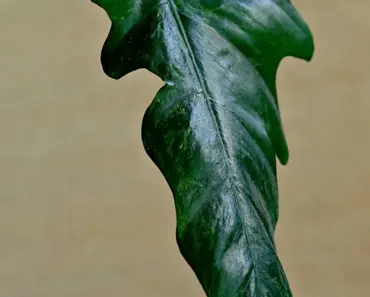
How do you tell insect damage from disease? Insects often leave irregular holes, chewed edges, or sticky residue, while diseases may show as yellowing, powdery spots, or wilting. Learning basic pest identification and plant disease identification means you can choose the right action—whether it’s picking off a few pests or adjusting watering. Early detection saves you time and keeps your garden productive all season long.
Encourage Beneficial Insects for Natural Pest Control
As you keep an eye on your plants for signs of trouble, remember that not every bug in your garden is an enemy. In fact, some are your best allies. This is a key part of smart summer vegetable maintenance. Beneficial insects such as lady beetles and lacewings can help keep pest populations in check without you lifting a finger. They act as a natural cleanup crew, feasting on aphids, mites, and other small pests that can damage your crops.
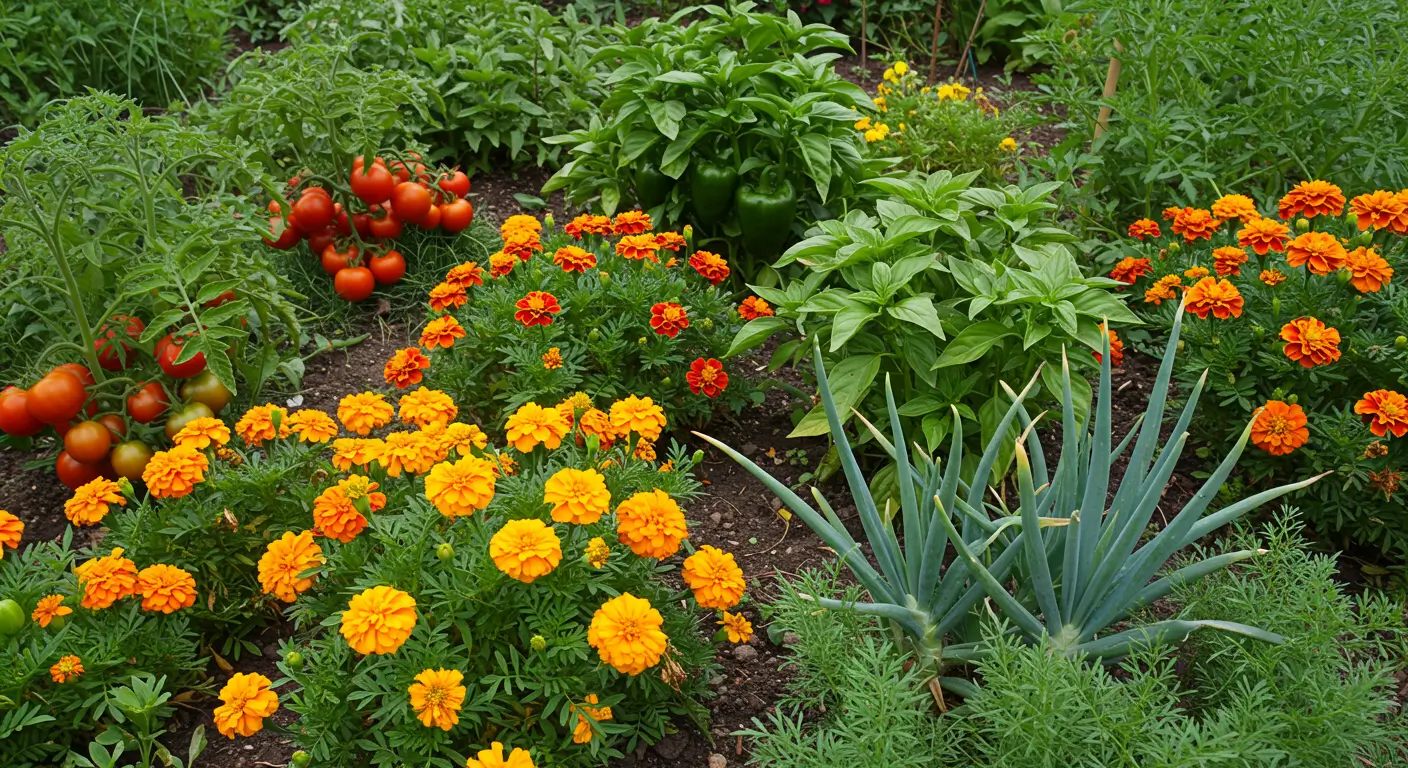
How do you invite these helpful visitors to stay? The simplest way is to plant a variety of flowers among your vegetables. Dill, fennel, and marigolds are classic choices that attract these predators. Equally important is avoiding broad-spectrum pesticides, which kill the good bugs along with the bad. By practicing this form of integrated pest management, you create a balanced ecosystem where natural pest control happens on its own. It is a low-maintenance, budget-friendly approach that keeps your garden thriving with less effort from you.
Keep Foliage Dry to Prevent Disease
While a balanced ecosystem helps with pests, keeping your plants themselves healthy is just as important for successful summer vegetable maintenance. One of the simplest yet most effective steps you can take is to keep the leaves of your vegetables as dry as possible. Many common summer diseases spread rapidly when foliage stays wet for extended periods. Warm, humid conditions create a perfect environment for foliar diseases like powdery mildew to take hold, turning lush leaves into spotted, wilted messes that weaken your plants.
The key to disease prevention is to minimize the time water sits on leaves. Water your garden in the early morning rather than in the evening. This gives the sun and breeze time to dry the foliage as the day warms up, rather than leaving plants damp overnight. Good air circulation is also critical — space your plants according to their needs and prune overcrowded areas so air can flow freely between them. Water at the soil level using a soaker hose or drip irrigation instead of overhead sprinklers. These small habits make a big difference in keeping your summer garden vigorous and productive, without relying on sprays or treatments.
Manage Weeds Promptly
Your careful watering habits are just one part of a healthy garden. Equally crucial to summer vegetable maintenance is staying on top of weeds. These unwanted plants compete directly with your vegetables for water, nutrients, and sunlight, so prompt action keeps your crops thriving. A thick layer of mulch does double duty here—it retains moisture and also suppresses weeds, cutting down on the time you need to spend pulling them. Even with mulch, though, some weeds will find their way through.
If you spot weeds while they are small, a quick hand weeding or light hoeing is all it takes. For larger weeds that have already taken hold, hand weeding or hoeing is still the answer—just be sure to remove them before they go to seed. Letting them mature means next season’s weed control becomes a bigger chore. A few minutes of regular garden maintenance pays off, keeping your vegetables healthy and your summer growing strong.
Develop a Consistent Care Routine
Building on that idea of regular attention, the secret to a thriving summer garden is truly consistent, attentive care. When you make a garden routine a daily habit, your vegetables benefit in ways that prevent bigger problems down the line. Gardens that receive steady attention are far less likely to experience major outbreaks of pests or disease. A routine that includes watering, scouting, and weeding keeps problems small and manageable. This consistent care acts as preventative maintenance, catching small issues before they become big headaches.
Creating a summer garden schedule doesn’t have to be complicated. It can be as simple as a daily walk-through to check soil moisture, inspect leaves, and pull any emerging weeds. This consistent care routine pays off by keeping your plants strong and productive. By integrating these tasks into your daily rhythm, you ensure that your garden thrives with minimal effort. Remember, a little attention each day goes a long way in summer vegetable maintenance.
Frequently Asked Questions
How do I tell the difference between insect damage and disease on leaves?
Look closely at the leaves. Insect damage often leaves irregular holes or visible pests, while disease usually shows as spots, wilting, or powdery growth. Check the underside of leaves for tiny bugs or eggs. If you see a pattern of chewed edges, it’s likely insects; if the damage spreads without visible bugs, it may be disease.
How do I know if my mulch layer is too thick or too thin?
Your mulch layer should be about two to three inches deep. If it’s too thin, weeds will push through and soil dries quickly. If it’s too thick, water may not reach the roots. Test by pushing your finger through: dry soil means too thin, soggy mulch means too thick.
What if I accidentally overwater my vegetables during a rainy week?
Overwatering during a rainy week can stress your vegetables. First, stop watering until the soil dries out a bit. Check the soil moisture by sticking your finger an inch deep—if it feels wet, hold off. Good drainage is key for summer vegetable maintenance, so ensure your garden beds have proper drainage to prevent root rot.