Korea‘s home gardening market has boomed to about 2 trillion won ($1.3 trillion), with roughly one in three people now caring for at least one houseplant. This trend, which took root during the pandemic, shows how deeply plant care has become part of daily life in cities like Seoul. These numbers reflect a broader movement toward bringing nature indoors, and they offer practical inspiration for anyone just starting out. If you’re searching for useful indoor gardening tips, these real-world trends prove that a thriving home garden is more accessible than you might think.
1. Start with Beginner-Friendly Plants Like Spathiphyllum, Pothos, and ‘Divy’
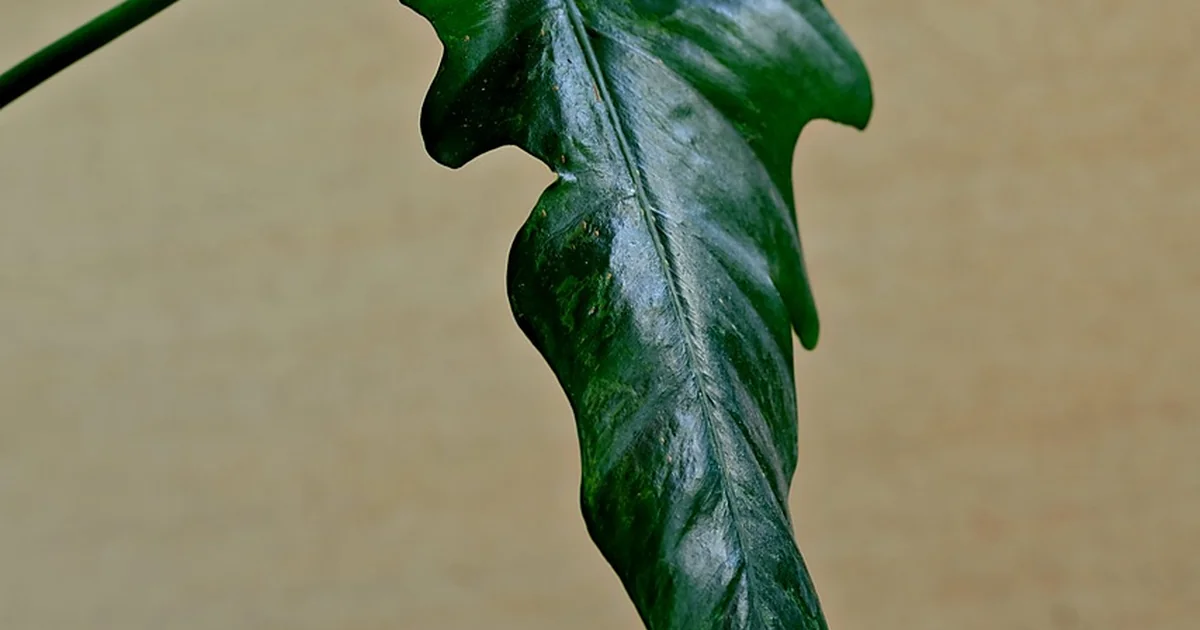
Novelist Shin Joong-sun points new plant parents toward three especially forgiving choices: spathiphyllum, pothos, and the lesser-known ‘divy.’ These easy houseplants for beginners tolerate occasional missed waterings and adapt well to typical indoor light, making them reliable companions as you learn the rhythms of plant care. Spathiphyllum, often called the peace lily, signals its thirst by drooping slightly — a clear reminder that even indoor gardening tips become intuitive over time. Pothos, with its trailing vines, is famously undemanding and simple to multiply through pothos propagation; just snip a stem node into water and watch roots appear. The divy plant, while less common, offers similar resilience and a compact form that fits neatly on a shelf or desk. For accurate divy plant identification, look for its rounded leaves and bushy growth habit. Starting with these three means you can build confidence without constant worry, and basic spathiphyllum care — watering when the soil feels dry and placing it in indirect light — provides a gentle introduction to the habits all indoor plants appreciate.
2. Water Houseplants by Checking Soil Moisture, Not a Schedule
Stop overwatering—learn to feel the soil instead. It’s the most common mistake new gardeners make, and it’s easy to see why. A strict watering schedule feels safe, but it often leads to root rot, especially in low-light spaces. Shin advises touching the soil to check moisture before watering, a simple soil moisture test that works for almost any houseplant. Stick your finger about an inch into the potting mix. If it feels dry, go ahead and water. If it’s still damp, wait a day or two. This hands-on approach helps you avoid overwatering while keeping your plants healthy and happy.
Forget the calendar and trust your senses. Many plants, like pothos or snake plants, actually prefer to dry out between waterings. By checking moisture first, you’re giving each plant exactly what it needs, not what a schedule assumes. This small shift in habit is one of the most practical indoor gardening tips you can adopt. It turns watering houseplants from a chore into a mindful, rewarding routine that protects your greenery from the inside out.
3. Select Pet-Friendly Nontoxic Houseplants
Keeping your furry friends and children safe with nontoxic greenery is a simple way to enjoy indoor gardening without worry. When you share your home with curious pets or little ones, every plant choice matters. Many common houseplants can cause stomach upset or worse if nibbled, so it pays to know which varieties are truly safe. For homes with children or pets, nontoxic varieties like peperomias or areca palms are safer. These plants offer beautiful foliage without the risk, making them a smart pick for family-friendly spaces.
Why does this matter? A quick check before you buy can prevent an emergency trip to the vet. Avoid toxic varieties like sago palms and lilies, which are known to be harmful. Instead, build your collection around pet-safe indoor plants and child-friendly houseplants. This practical approach is one of the most reassuring indoor gardening tips for new gardeners. You can enjoy the calming presence of greenery, knowing everyone in your home—two-legged and four-legged—stays healthy. A little research upfront creates a safer, cozier environment for all.
4. Maximize Small Apartments with ‘Plant Zoning’
Now that you have a safer setup for your household, let’s turn your attention to making every inch count. If you live in a compact space, you might worry that indoor gardening will feel cluttered or chaotic. That’s where plant zoning comes in—a simple yet effective approach to arrange your greenery by light, humidity, and care needs. Rather than scattering pots randomly, you group together plants that thrive under similar conditions. For instance, all your low-light favorites might live on a shaded shelf, while sun-loving succulents claim a bright windowsill. This method not only simplifies watering and maintenance but also creates visual harmony. Even a tiny apartment can feel like a lush, green oasis when you use smart plant layout strategies. You may have heard newer catchphrases like “plant zoning,” “planterior,” or “plant-teck”—they all point to the same practical idea: thoughtful arrangement turns small apartment gardening into a joy rather than a juggle. With a bit of planning, your indoor gardening tips come together beautifully, no square footage required.
5. Decorate with ‘Planterior’ Design – Blending Plants and Interiors
Once you’ve mastered arranging plants in tight spaces, the next smart step is to treat them as part of your home’s style. That’s the idea behind the planterior trend — a playful blend of “plant” and “interior” that turns greenery into intentional design elements. Instead of just placing pots where there’s an empty corner, you choose each plant, pot, and position to complement your room’s look and feel. Shelves, macrame hangers, and statement pots are simple ways to elevate your indoor plant decor without a big budget.
New catchphrases like “plant zoning” and “plant-teck” are popping up, but the core idea is easy: arrange your plants to create a cohesive, calming atmosphere. Think about adding a trailing plant near a bookshelf or grouping a few leafy friends on a side table. This approach — often called biophilic design — helps you feel more connected to nature indoors. By weaving these indoor gardening tips into your decorating routine, you’ll enjoy a fresher, cozier home that feels thoughtfully curated, not cluttered.
6. Explore ‘Plant-Teck’ as a Side Hustle
Now that your home is feeling more connected to nature through biophilic design, you might notice you have a few extra cuttings or offshoots from your healthy plants. That’s where the fun really begins. Turn your plant passion into profit with a small plant-teck business. Plant-teck (short for plant technology, and a trendy term in side hustle Korea) simply means growing and selling propagated plants or cuttings. It’s a low-stakes way to earn a little pocket money while sharing the joy of greenery with others. Start small with easy-to-propagate plants like pothos and snake plants — they root quickly in water, require almost no special gear, and are always in demand. You can list rooted cuttings on community marketplaces, swap with friends, or even set up a tiny pop-up at a local market. The catchphrases plant zoning, planterior, and plant-teck reflect how indoor gardening has become both a lifestyle and a micro-economy. By weaving these indoor gardening tips into your routine, you don’t just make your home greener — you also open the door to a rewarding indoor plant business that fits around your family schedule.
If you want to go deeper, it is also worth a look at 7 Tips to Grow and Care for a Spider Plant.
7. Begin with Low-Maintenance Species: Snake, ZZ, and Monstera
Even if you’re dreaming of a small plant business down the road, start with species that won’t test your patience. These three popular plants are practically foolproof for new gardeners. Snake plants, ZZ plants, and monsteras thrive with minimal care, so you can focus on building confidence rather than fretting over every leaf. They tolerate low light and irregular watering, making them ideal for busy family homes where schedules shift. Snake plant care is straightforward: just water when the soil is completely dry, and it will reward you with upright, sculptural leaves. ZZ plant benefits include its ability to bounce back from neglect, plus its glossy, dark foliage adds a modern touch to any corner. The monstera deliciosa, with its iconic split leaves, grows steadily in indirect light and only needs a drink when the top inch of soil feels dry. By choosing these low maintenance indoor plants, you set yourself up for early success — and that’s the best motivation to keep growing your indoor gardening tips collection.
8. Shop at Wholesale Flower Markets in Seoul and Gyeonggi
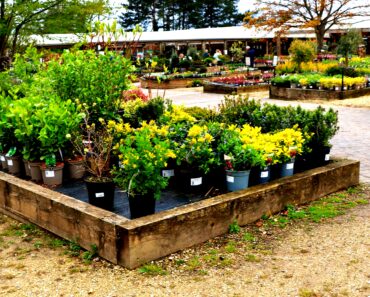
Once you’ve mastered the basics with low-maintenance plants, you might be ready to grow your collection — without blowing your budget. That’s where wholesale flower markets come in. For anyone living in or visiting Korea, the Yangjae Flower Market in Seoul and the Yangju Flower Complex in Gyeonggi Province offer incredible value. These markets are designed for bulk buyers, but they welcome individual shoppers too, making them perfect for stocking up on plants, pots, and soil at wholesale prices.
What to Expect at Yangjae and Yangju
At a wholesale flower market Seoul like Yangjae, you’ll find rows of vendors selling everything from common houseplants to rare varieties. The Yangju Flower Complex is similarly packed with options. Shopping here is a fun, hands-on way to discover new plants for your home — and a great addition to your indoor gardening tips toolkit. Because you’re buying directly from wholesalers, you can often get multiple plants for the price of one at a regular store. Just bring cash or a reusable bag, and be ready to explore. If you’re serious about buying plants cheap Korea, these two markets are your best bet for affordable, healthy greenery.
9. Stay Updated with Recent Indoor Gardening Publications
Once you’ve found your new plants, keeping them healthy requires ongoing know-how. That’s where staying current with indoor gardening publications helps. This article, for instance, was published on April 2, 2026, and then updated just ten days later on April 10, 2026. That quick refresh shows how fast indoor gardening tips can evolve. By following indoor gardening news 2026, you can catch emerging houseplant trends 2026 and pick up updated plant tips that reflect the latest research or seasonal changes. Whether you subscribe to a blog, a magazine, or a social channel dedicated to plant care, the key is to check in regularly. Trends like new low-light varieties, smarter watering methods, or pest prevention tricks can save you time and heartache. Make a habit of scanning recent publications every few weeks. You’ll notice that even small updates—like a revised watering schedule for winter—can make a big difference in your plant’s health. Staying informed keeps your indoor garden looking its best all year round.
Frequently Asked Questions
How do I choose the right spot for my indoor plants?
Look at the natural light in each room throughout the day. Most houseplants thrive in bright, indirect light, so a spot near an east-facing window is often ideal. Rotate your plants every few weeks to ensure even growth and prevent them from leaning toward the light source. For low-light areas, choose plants like pothos or snake plants that adapt well to less sun.
What is the difference between low-light and direct-sun plants?
Low-light plants, such as ZZ plants and peace lilies, can survive in areas without strong sunlight, like a bathroom or hallway. Direct-sun plants, like succulents and cacti, need several hours of unfiltered sunlight daily, often from a south-facing window. Mixing both types in your home lets you decorate different rooms while keeping each plant healthy.
Are there safe indoor plants for homes with pets and children?
Yes, many popular houseplants are non-toxic and safe for families. Spider plants, Boston ferns, and parlor palms are excellent choices that add greenery without risk. Always double-check the plant’s scientific name before buying, as common names can be misleading, and keep all plants out of reach if you have curious pets or toddlers.