From a school garden to a full-time business, Kenley Larkin of Home Growing Wild has turned her passion for edible gardening into a sought-after service. Here are her top 7 kitchen garden tips.
As the owner of Home Growing Wild, Larkin designs and maintains vegetable gardens for clients across the Dallas area. She first got her hands dirty in the garden at the school where she taught, then began taking on her own clients in 2021. Now a trusted Dallas kitchen garden expert, she offers edible landscaping and thoughtful vegetable garden design. This past spring, she worked with over two dozen clients—nearly two-thirds of them ongoing—and keeps a waitlist more than three times that size. For Larkin, growing food is deeply personal. Having struggled with disordered eating, she focuses on edibles as a means of healing and describes gardening as her “moving meditation” and a flow state. Her experience offers practical kitchen garden tips for anyone hoping to grow their own food.
Start with a Pot and Herbs
That spirit of ease is exactly what Kenley Larkin wants you to carry into your own garden. Her number one piece of advice for anyone feeling unsure about starting a kitchen garden is to grab a single container and a few hardy herbs. This approach removes all the pressure of planning a big plot. You don’t need a yard, raised beds, or any special equipment. A pot on a sunny windowsill, balcony, or patio is all you need to begin. Container gardening is wonderfully forgiving because you control the soil and water, and if the sun isn’t perfect, you can simply move the pot.
Why herbs? They are among the most forgiving plants for beginners. Basil, mint, chives, and rosemary grow quickly and reward you with fresh flavor almost right away. For those new to small space gardening, this instant success builds confidence. You learn the basics—watering, sunlight, and harvesting—without the worry of a larger garden. Larkin’s tip makes starting a kitchen garden feel manageable and genuinely fun. Plus, having fresh herbs on hand for cooking turns your first pot into a cozy, practical win.
Choose Beginner-Friendly Plants
Once you have your cozy pot garden going, it’s time to pick what to grow. Selecting the right plants from the start can prevent frustration and ensure early success. Kenley Larkin recommends focusing on crops that are well-suited to the Dallas climate, where hot summers and mild winters favor resilient, low-maintenance plants. For kitchen garden tips that truly work, start with easy vegetables like cherry tomatoes, cucumbers, and leaf lettuce. These plants grow quickly and forgive small mistakes, making them ideal for first-time growers. Leaf lettuce, in particular, is a Dallas-friendly crop that thrives in cooler spring and fall weather.
Top herbs for first-time growers include basil, mint, chives, and parsley. These beginner herbs thrive with little care and can even be grown in small containers on a sunny balcony. Mint adds refreshing flavor to teas and salads, while parsley and chives bring a fresh, mild taste to many dishes. For the easiest vegetable to grow in Dallas, cherry tomatoes are a top pick. They handle the heat well and produce sweet fruit all summer long. By choosing these low-maintenance plants, you set yourself up for a rewarding harvest without the need for constant attention. This practical approach keeps gardening fun and achievable from the very start.
Design Your Small-Space Garden
Even a tiny balcony or compact backyard can host a productive kitchen garden with smart planning. Kenley Larkin often works with clients who have only enough space for a few raised beds or containers, yet they still enjoy a bountiful harvest. The key is to assess your space and sunlight first. Notice how many hours of direct sun your patio or yard gets each day, and watch for wind patterns that could stress tender plants. Position your tallest plants or trellises on the windward side to shield lower-growing herbs and greens.
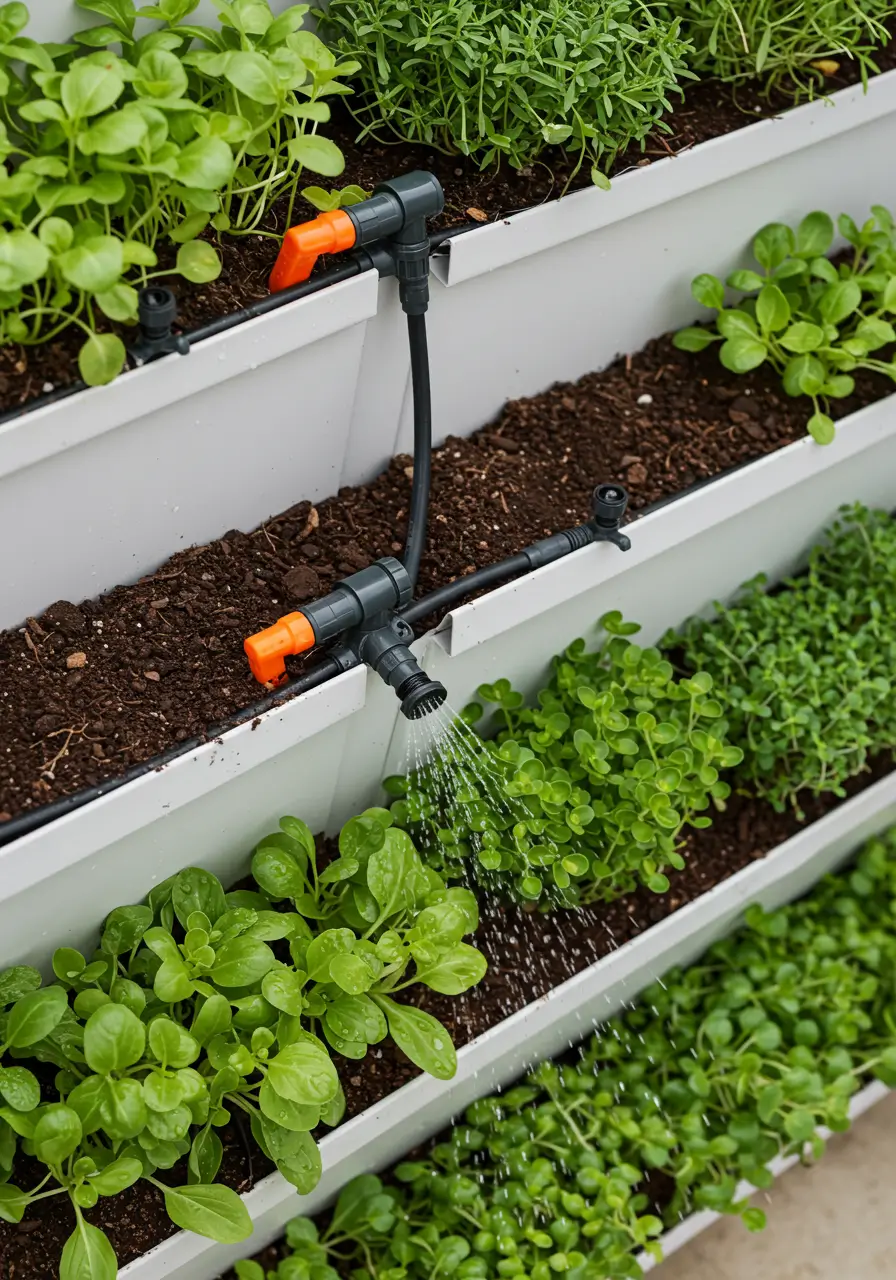
For a small space garden design, raised beds and large containers are your best friends. They define your growing area neatly and make it easy to control soil quality. A container gardening layout can include a mix of deep pots for tomatoes and shallower boxes for lettuce or radishes. Don’t forget vertical gardening ideas: attach a trellis to a sunny wall or use a tiered plant stand to double your growing space. With these practical kitchen garden tips, you can turn even the coziest balcony into a productive, beautiful garden that fits your lifestyle.
Master Maintenance Basics
Once your kitchen garden is in place, consistent care keeps it thriving without turning into a chore. The key to low-maintenance success is working with your plants, not against them. A smart watering schedule is the foundation: water deeply but less frequently. This encourages roots to grow downward, making your vegetables more resilient during dry spells. Regular pruning and harvesting also do double duty — snipping off spent leaves and picking ripe produce signals the plant to keep producing, so you get more from each crop. For pest and weed control, stick with organic methods like hand-picking pests, using neem oil sprays, or laying down mulch to smother weeds naturally. These simple kitchen garden tips for garden maintenance save you time in the long run and keep your soil healthy.
If you are wondering about the time required for a kitchen garden, remember that a few minutes of consistent attention each day often beats a big weekend overhaul. Stick to a routine of checking leaves for trouble spots, pulling a stray weed while you water, and giving plants a quick trim. That small daily investment is the secret to a productive, happy garden that fits your schedule — not the other way around.
On a similar note, 7 Filler Plants That Add Fullness and Texture explores this topic with concrete examples.
Follow Dallas’s Seasonal Planting Calendar
Once you’ve settled into that daily garden habit, the next smart move is syncing your planting schedule with the Dallas climate. Timing is everything here — planting at the right season makes the difference between a so-so garden and a bumper crop. These kitchen garden tips start with knowing your hardiness zone 8 rhythm. Cool-season crops like lettuce, peas, and spinach go in during early spring and again in fall, when temperatures are mild. Warm-season crops — think tomatoes, peppers, and squash — thrive only after the last frost has passed. Pay attention to your local Dallas planting calendar and watch for those frost dates. For Texas gardening seasons, summer heat is the real challenge. Use shade cloth to protect tender leaves from scorching afternoon sun, and layer on mulch to keep roots cool and soil moist. Come fall, you can refresh beds with another round of cool-season favorites. Matching your plant choices to the season is one of the most practical kitchen garden tips you’ll ever follow — it saves effort and delivers far more harvest.
Avoid Common Beginner Mistakes
Even when you’ve nailed the season for your crops, a few classic common gardening mistakes can still trip you up. Learn from others’ missteps to save time, money, and frustration. The most frequent error is overwatering vegetables. It’s tempting to water a little every day, but roots need oxygen too. Before you water, push a finger an inch into the soil. If it feels damp, wait. Overly wet soil invites rot and disease, so let the top layer dry between drinks. Another big one: poor soil. Weak plants start with poor ground. Invest in quality compost and organic amendments to give your vegetables a strong foundation. Proper soil preparation makes all the difference in yield and plant health. Finally, many beginners crowd their beds. Planting too many seeds or spacing plants too closely leads to stunted growth and competition for light and nutrients. For starting a vegetable garden tips, remember that a few well-spaced plants will outperform a packed row every time. These simple adjustments are some of the most effective kitchen garden tips for a thriving, low-maintenance plot.
Embrace Gardening as Moving Meditation
While spacing and planting tips make your kitchen garden more productive, Kenley Larkin reminds us that the true harvest may be peace of mind. For her, the garden is not just about food—it is a place of healing. Larkin describes gardening as her “moving meditation” and a flow state, where the rhythm of planting, weeding, and watering quiets the mind. She turned to edibles as part of her own recovery from disordered eating, finding that nurturing plants helped her reconnect with nourishment in a gentle, positive way. This is one of the most powerful kitchen garden tips: let the physical work and simple presence in the soil become a form of therapy. You do not need a large plot or fancy tools. Just a few pots of herbs or a small raised bed can offer the same stress relief and mindfulness.
So how can you find your flow in the garden? Start by setting aside distractions—leave your phone inside. Focus on one task at a time, whether it’s gently loosening soil or watching a bee visit a tomato flower. Let your breathing slow as your hands work. Larkin’s example shows that gardening for mental health is as simple as showing up regularly and paying attention. You might find that the act of caring for living things becomes a soothing ritual, a way to process emotions without words. This therapeutic gardening practice costs nothing extra and fits into any schedule. By embracing the garden as moving meditation, you turn everyday tasks into opportunities for calm—and that is a true kitchen garden tip worth savoring.
Frequently Asked Questions
How do I start a kitchen garden if I only have a small balcony or patio?
Start by choosing a few compact, sun-loving plants that thrive in containers. Focus on herbs like basil, mint, or chives, and consider a single patio tomato or a small pepper plant. Use lightweight pots with drainage holes and a quality potting mix to keep your setup manageable and productive.
What is the easiest vegetable to grow for a first-time gardener?
Leafy greens like lettuce or spinach are among the most forgiving options for beginners. They grow quickly, don’t require deep soil, and can be harvested leaf by leaf for a steady supply. These low-maintenance plants are a practical choice to build confidence while applying basic kitchen garden tips.
How much time does a kitchen garden require each week?
A small kitchen garden typically needs about 15 to 30 minutes of care per week for watering, checking for pests, and harvesting. This time can increase slightly during hot weather or if you grow more demanding plants like tomatoes. The key is to establish a simple routine that fits your schedule without feeling overwhelming.