This Victorian-era survivor earned its legendary toughness by thriving under gas lighting when few other plants could manage indoors. Today, that same resilience makes it a perfect choice for dim corners, busy schedules, or anyone new to keeping plants alive. For simple cast iron plant care, you only need to learn a few basic rules.

Often called the bar room plant, Aspidistra elatior is known for tolerating low light, missed waterings, and general neglect better than almost any other indoor plant. Its broad, deep green leaves bring a timeless, cozy feel to any room without demanding constant attention. Whether you’re a seasoned plant parent or a complete beginner, this low maintenance indoor plant offers unmatched reliability. In the tips ahead, you’ll discover five essentials to keep your cast iron plant growing strong with minimal effort.
1. Provide the Ideal Light Conditions
First up in our cast iron plant care guide is all about light. While this tough houseplant is famously forgiving of low light, missed waterings, and even a bit of general neglect, getting its light placement right makes a real difference. Think of it as a plant that survives in shade but actually thrives with a little more thought. Indoors, your cast iron plant prefers indirect sunlight. Avoid direct sun, which can scorch those rich green leaves. A spot near a north-facing window or a few feet back from a brighter one works beautifully. This makes it one of the most reliable low light houseplants you can own — perfect for that dark corner of the living room or a bathroom without much natural light.
If you’re taking yours outside, cast iron plants are equally versatile as shade garden plants. They do best in dappled sun to light shade, so a spot under a tree or on a covered patio is ideal. Too much harsh afternoon light will fade the foliage. Remember, these are grown as foliage plants both indoors and outdoors, so their leaves are the main event. When you provide the correct indirect sunlight indoor plants need, your cast iron plant will reward you with lush, steady growth — even when you forget to water it for a week or two.
2. Master the Watering Routine
That easygoing tolerance for missed waterings is one of the reasons the cast iron plant is so beloved. But here’s the twist: the biggest threat to this tough houseplant isn’t neglect — it’s too much kindness with the watering can. Getting the watering routine right is the single most important part of cast iron plant care, and it’s simpler than you might think.
How Often to Water — The golden rule is to water only when the top inch of soil feels dry to the touch. Stick your finger in; if it’s still damp, wait a few more days. In winter, when growth slows, you can water even less frequently. This plant is naturally drought tolerant, so it will happily forgive an occasional skipped watering. What it won’t forgive is soggy feet.
Signs of Overwatering — Watch for yellowing leaves, mushy stems, or a musty smell from the soil. These are classic overwatering symptoms. The key is well-draining soil and a pot with drainage holes. Never let the pot sit in standing water. Consistent wetness leads straight to root rot, even for this hardy survivor. Remember: when in doubt, wait another day. Your cast iron plant will thank you with steady, deep green leaves.
3. Choose the Right Soil and Fertilizer Regimen
Best Soil Mix
Good soil is the secret to strong cast iron plant care. Start with a well-draining potting mix designed for indoor plants—garden soil is far too heavy and will trap moisture. Since cast iron plants need excellent drainage and suffer in consistently wet locations, ensure your potting mix for Aspidistra contains perlite or coarse sand to keep air flowing around the roots. A commercial African violet mix also works well. The key is to avoid any mixture that holds water for days; the roots need to breathe, not swim.
Fertilizer Schedule
Feeding is optional but helps promote new growth. Use a balanced, diluted liquid fertilizer once a month during spring and summer—the plant goes nearly dormant in winter, so skip feeding then. If you prefer a hands-off approach, an organic slow-release fertilizer mixed into the soil at repotting time will provide gentle nutrients. Remember, the plant spreads slowly by rhizomes, so it doesn’t need heavy feeding. You can also refresh the soil every two to three years when you divide the rhizome for new plants, which naturally replenishes nutrients without extra fertilizing houseplants. A little care here goes a long way for lasting health.
4. Propagate and Maintain Your Cast Iron Plant
Now that you know dividing the rhizome refreshes the soil, you can also use that same process to create new plants. Cast iron plant care becomes even more rewarding when you propagate by division. In spring, gently lift the plant and separate the rhizomes into sections, each with a few leaves and roots. Pot each division in fresh soil, and you’ll have new cast iron plants to fill other rooms or give away. They spread slowly by rhizomes, so don’t expect instant results — but patience pays off with more of this hardy foliage.
You can read more on this topic in 7 Filler Plants That Add Fullness and Texture.
Leaf cleaning is just as important for keeping your plant healthy. Dust settles on those broad, dark leaves, blocking light and slowing photosynthesis. Simply wipe them with a damp cloth every few weeks. This small routine not only makes the plant look its best but also boosts its energy. And here’s a comforting fact: cast iron plants are non-toxic to pets and humans, making them a safe, pet-safe houseplant for any home. Whether grown indoors or outdoors, this low-maintenance beauty thrives with minimal fuss.
5. Manage Pests, Diseases, and Temperature
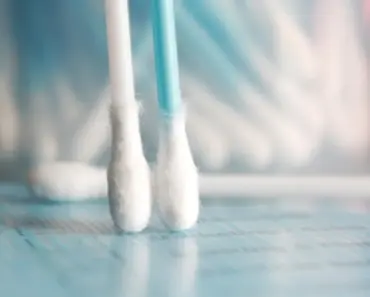
Even a hardy plant like the Cast Iron Plant can run into trouble now and then. Part of good cast iron plant care is knowing what to look for and how to respond. The most common houseplant pests to watch for are spider mites and scale insects. Spider mites leave fine webbing and tiny yellow spots on leaves; a gentle wipe with a damp cloth often resolves light infestations. Scale insects appear as small, brown bumps along stems and leaf undersides — you can remove them with a cotton swab dipped in rubbing alcohol. Root rot is another potential issue, usually caused by overwatering. Ensure your pot has drainage holes and let the soil dry out between waterings.
Temperature matters too. These plants are native to temperate areas of Asia, so they prefer consistent conditions indoors between 60 and 75°F (15–24°C). Keep them away from cold drafts, air-conditioning vents, or sudden temperature swings. Outdoors, cast iron plants are evergreen perennials in USDA hardiness zones 7 to 11. They can tolerate cooler weather, but frost will damage the foliage. In borderline zones, provide winter protection by mulching the roots or moving container plants to a sheltered spot. With these simple precautions, your cast iron plant will stay healthy and happy year-round.
Frequently Asked Questions
How do I care for a Cast Iron Plant indoors?
Cast iron plant care indoors is remarkably straightforward. Place it in low to moderate indirect light and water only when the top inch of soil feels dry. This low-maintenance plant thrives on neglect, so you don’t need to fuss over it—just keep it away from direct sun and soggy soil.
Why is it called a Cast Iron Plant?
The name comes from its incredible toughness. This plant can survive low light, inconsistent watering, and even some temperature fluctuations that would wilt other houseplants. Think of it as the hardiest green companion you can bring into your home.
How often should I water my Cast Iron Plant?
Water your Cast Iron Plant only when the soil has dried out completely—roughly every one to two weeks, depending on your home’s conditions. Overwatering is the quickest way to harm it, so it’s better to underwater than to keep the soil damp. A simple finger test into the pot tells you everything you need to know.