Indoor landscaping is the artistic arrangement of living plants inside commercial spaces like offices and lobbies. It improves air quality by filtering toxins and producing oxygen, reduces background noise, and lowers stress while boosting productivity. Regular maintenance by horticulturists keeps plants healthy and effective.
What Is Indoor Landscaping?
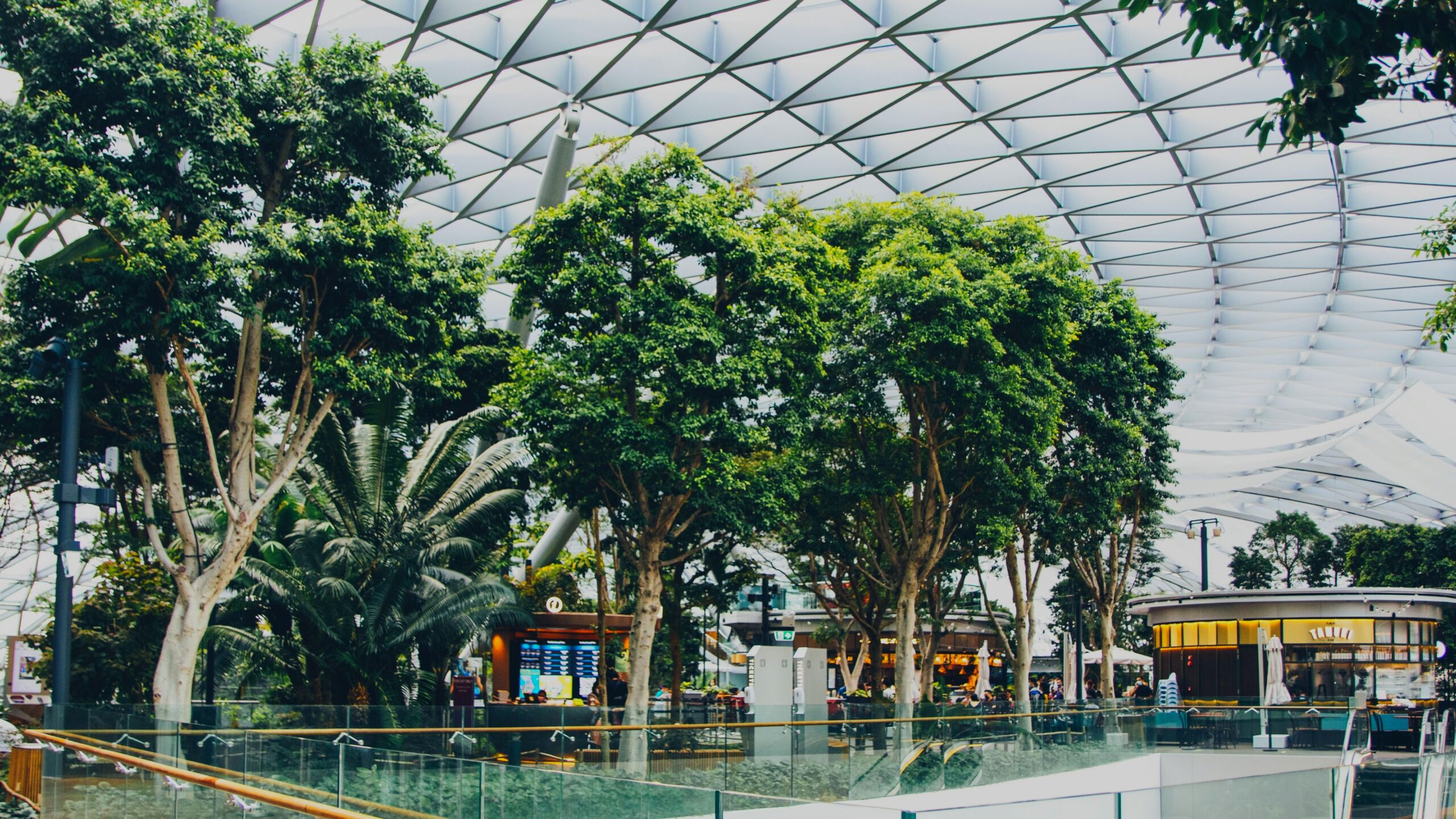
Interior landscaping uses artistic designs and arrangements of living plants to create natural environments inside spaces. You find these installations in atriums, malls, hotel lobbies, and office buildings. Large atriums and lobbies often feature indoor plantings and living walls. The scope extends to residential, hotel, retail, hospital, and office environments.
Indoor plantings and living walls are suitable for large atriums and lobbies because they scale to fill volume without crowding floors. A well-designed interior landscape integrates planters, ground-level beds, and vertical elements so the room feels cohesive rather than dotted with random pots. The approach works equally for a corporate headquarters, a boutique hotel, or a hospital waiting area. Carefully placed greenery anchors a space, defines circulation paths, and tempers the hardness of glass and steel without a single word of marketing speak.
How Does Indoor Landscaping Improve Air Quality?
Plants remove carbon dioxide and produce oxygen-rich air. They also filter harmful toxins, which leads to fewer sick days. They increase humidity and lower air temperature, saving energy on cooling, while common airborne compounds like formaldehyde and benzene get broken down through phytoremediation. Higher relative humidity inside a planted space slows the travel of viral particles and reduces respiratory irritation.
The cooling effect comes from transpiration—water moves through the plant and evaporates, pulling heat from the surrounding air. This natural process means a lobby or open-plan office with a large plantscape often stays cooler than a bare one, requiring less air conditioning. The combination of toxin removal, oxygen output, and humidity regulation creates an environment where people simply feel better and call in sick less often.
How Does Indoor Landscaping Boost Employee Wellness and Productivity?
Exposure to nature reduces stress and increases productivity in employees. The effect shows up in faster cognitive recovery after demanding tasks. Hospital patients in rooms exposed to nature recover faster than those not exposed to nature, reinforcing the link between greenery and physiological healing. A view of foliage or a planted wall signals safety to the brain, lowering cortisol and allowing focus to return.
A quieter, calmer workspace does not require every desk to face a window because well-placed planters intercept sound waves before they bounce off hard surfaces, resulting in fewer disruptive echoes and a lower overall decibel level. Employees spend less mental energy filtering out noise, leaving more for the work at hand, and the gains compound into lower stress, better concentration, and a measurable lift in satisfaction.
What Plants Are Commonly Used in Indoor Landscaping?
The most commonly used indoor landscaping plants cover a range of forms and tolerances, each bringing a distinct silhouette and performance in filtered light. These species thrive under moderate light and stable temperatures typical of commercial interiors. Growers select them for consistent leaf health, predictable size, and the ability to handle dry HVAC air. A mix of upright and trailing forms creates layered visuals without adding maintenance complexity.
- Snake plants
- Pothos
- Peace lilies
- Palms
- Ferns
How Is Indoor Landscaping Maintained?
Professional care keeps plantscapes healthy and prevents the slow decline that neglected greenery signals to tenants and visitors, especially in large atriums and lobbies.
- Set a visit schedule: Horticulturists maintain plantscapes on weekly to monthly schedules based on plant type, light exposure, and season.
- Irrigate precisely: Watering is adjusted for each planter’s drainage and the room’s humidity.
- Fertilize on cycle: Nutrients are replenished during active growth periods so leaves stay deep green.
- Prune for shape and health: Dead or yellowing leaves are removed, and growth is directed to maintain the original design.
- Clean leaf surfaces: Dust is wiped away to keep stomata open and light absorption high.
Each visit also includes a check for early signs of pests or disease, catching issues before they spread. The routine keeps living walls and floor planters looking intentional rather than institutional.
Who Provides Professional Indoor Landscaping Services?
John Mini Distinctive Landscapes provides indoor plant maintenance including watering, pruning, fertilization, and pest control. The firm serves corporate and commercial clients across New York, New Jersey, and Connecticut. The firm is also expanding services into Washington, DC. The firm’s teams handle everything from design and installation to the ongoing schedule that keeps large-scale interior landscapes thriving.
Large commercial plantings need more than a once-a-month watering, so John Mini Distinctive Landscapes assigns trained horticulturists who track each plant’s condition and adjust care as seasons and building conditions shift. The geographic coverage across New York, New Jersey, and Connecticut means facility managers in the Northeast can maintain consistent standards across multiple properties with one service partner.
Conclusion
Indoor landscaping turns lobbies, atriums, and open offices into places where air is cleaner, noise drops, and people recover faster from stress. Plants filter toxins, raise humidity, and cut energy use, and a consistent maintenance schedule keeps those benefits steady. Choosing a professional service that operates across multiple states simplifies care as portfolios grow, resulting in a workspace that supports both health and performance without adding daily tasks to the facilities team.
FAQ
Q: What is the difference between interior landscaping and regular houseplants?
A: Interior landscaping is the professional design and arrangement of plants in commercial spaces like offices and atriums, involving large-scale installations, living walls, and regular maintenance by horticulturists, unlike individual potted plants in a home. It improves air quality by filtering toxins and producing oxygen, reduces background noise, and lowers stress while boosting productivity. Regular maintenance by horticulturists keeps plants healthy and effective. The scope extends to residential, hotel, retail, hospital, and office environments.
Q: How often should indoor plants in office buildings be maintained?
A: Horticulturists typically maintain commercial plantscapes on weekly to monthly schedules, with tasks including irrigation, fertilization, pruning, cleaning, and pest control. Fertilization is timed to active growth periods, and pruning keeps plants shaped and healthy. Leaf surfaces are cleaned to maintain light absorption, and each visit includes a pest and disease check. The routine keeps living walls and floor planters looking intentional rather than institutional.
Q: Can indoor landscaping really reduce employee sick days?
A: Yes, indoor plants filter harmful toxins like formaldehyde and benzene from the air, increase humidity, and produce oxygen. Higher humidity slows viral particles and reduces respiratory irritation, while cleaner air lowers airborne pathogens. As a result, employees experience fewer respiratory issues and fewer sick days. Hospital patients in rooms exposed to nature recover faster than those not exposed, reinforcing the link between greenery and physiological healing.